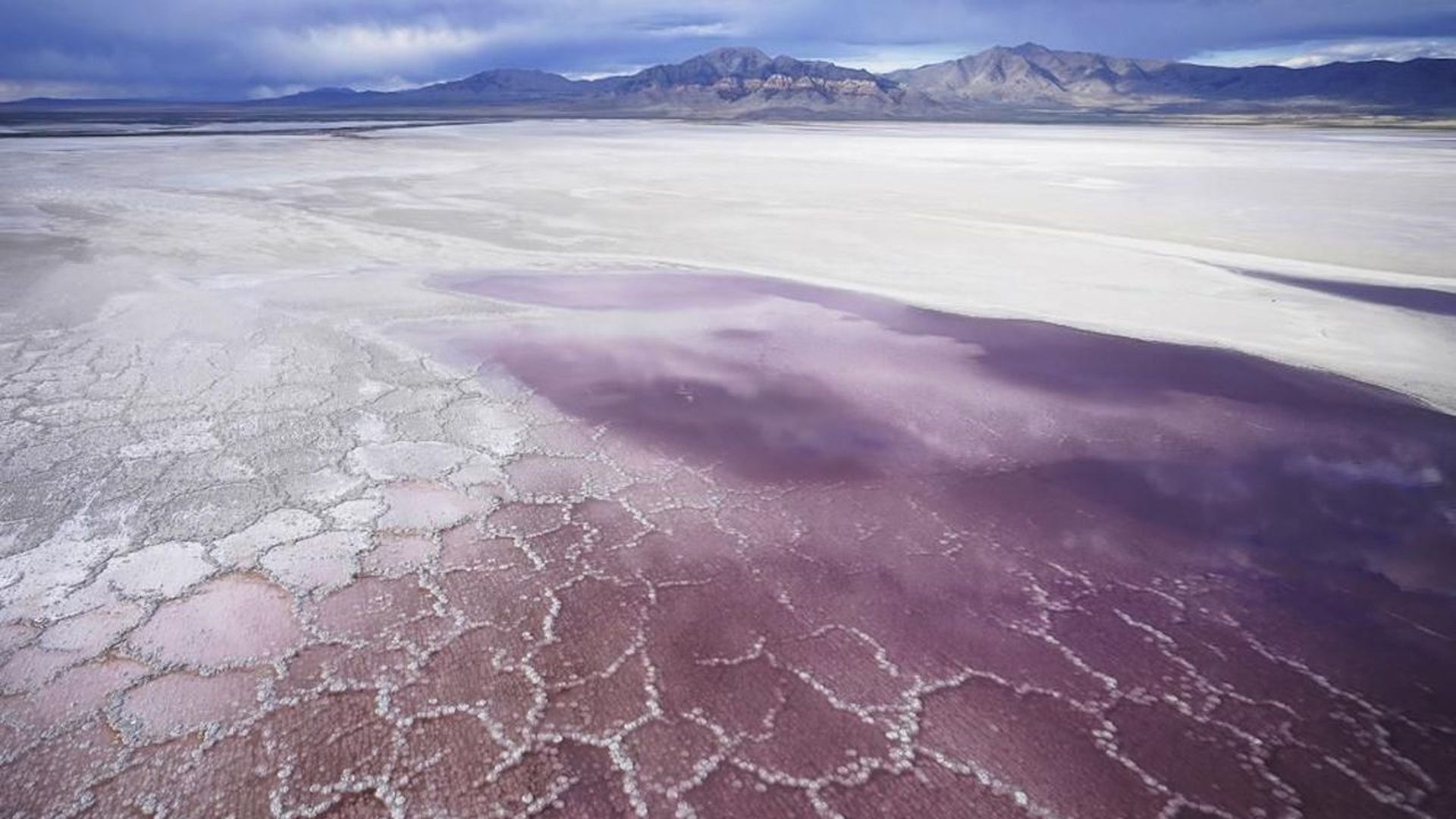
Utah's Great Salt Lake is in trouble, with serious ramifications for one of America's fastest-growing areas.
Why it matters: It's the largest natural lake west of the Mississippi River and has been shrinking for years, with the mega-drought making it even worse, reports AP's Lindsay Whitehurst.
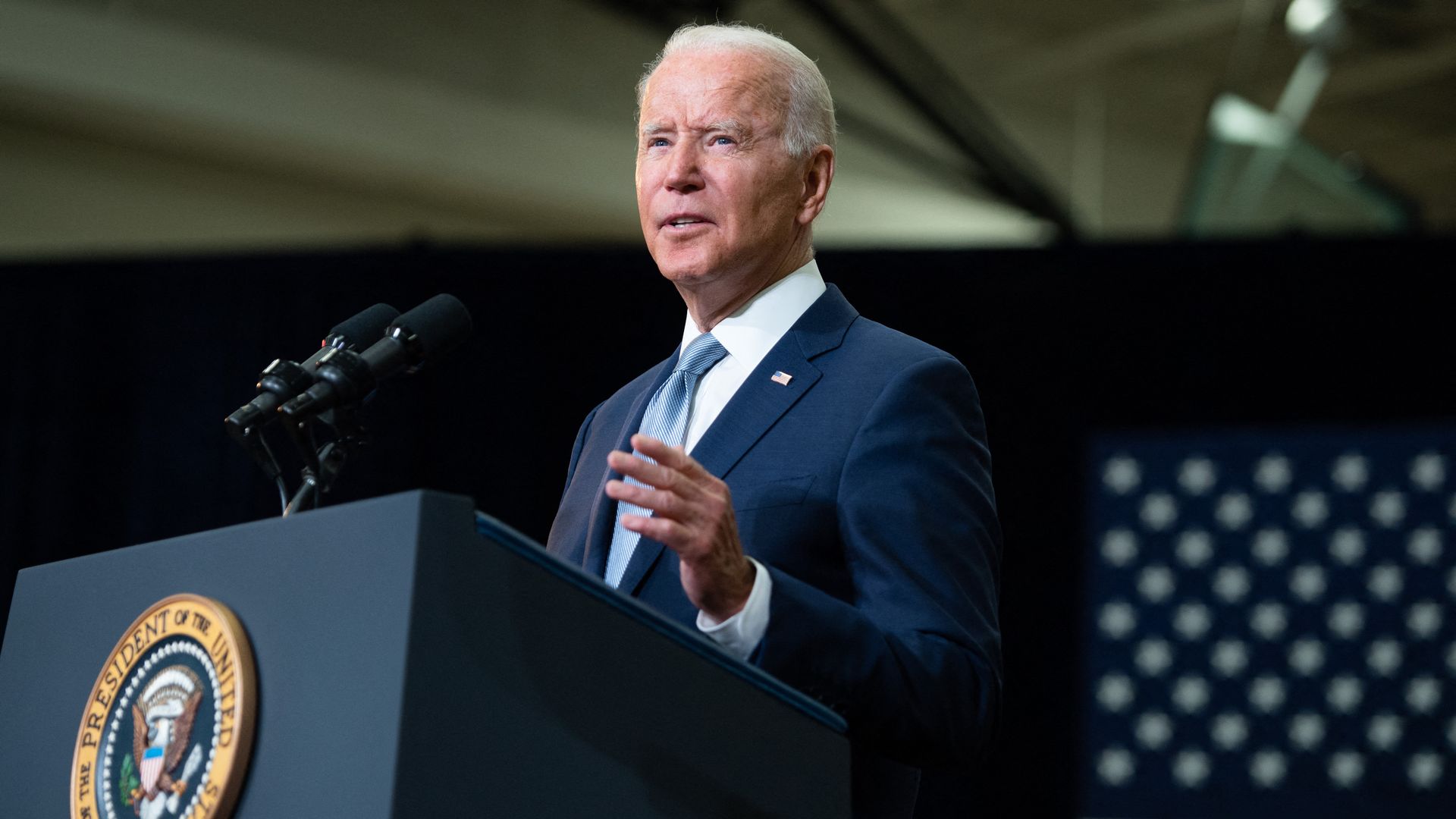
President Biden urged immediate actions on climate change on Wednesday, saying "[w]e can't wait any longer to deal with climate crisis" during an event promoting his Build Back Better agenda.
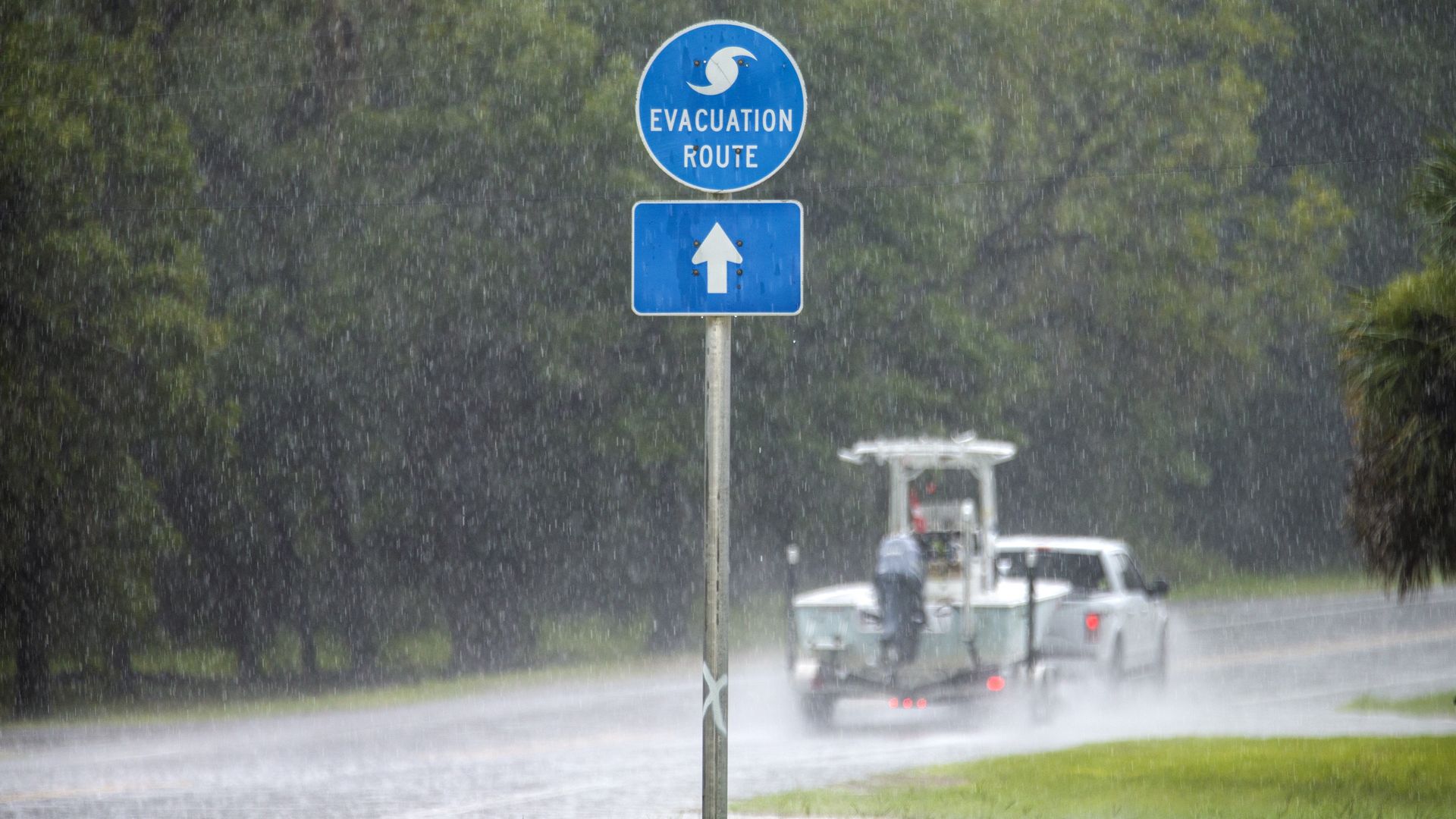
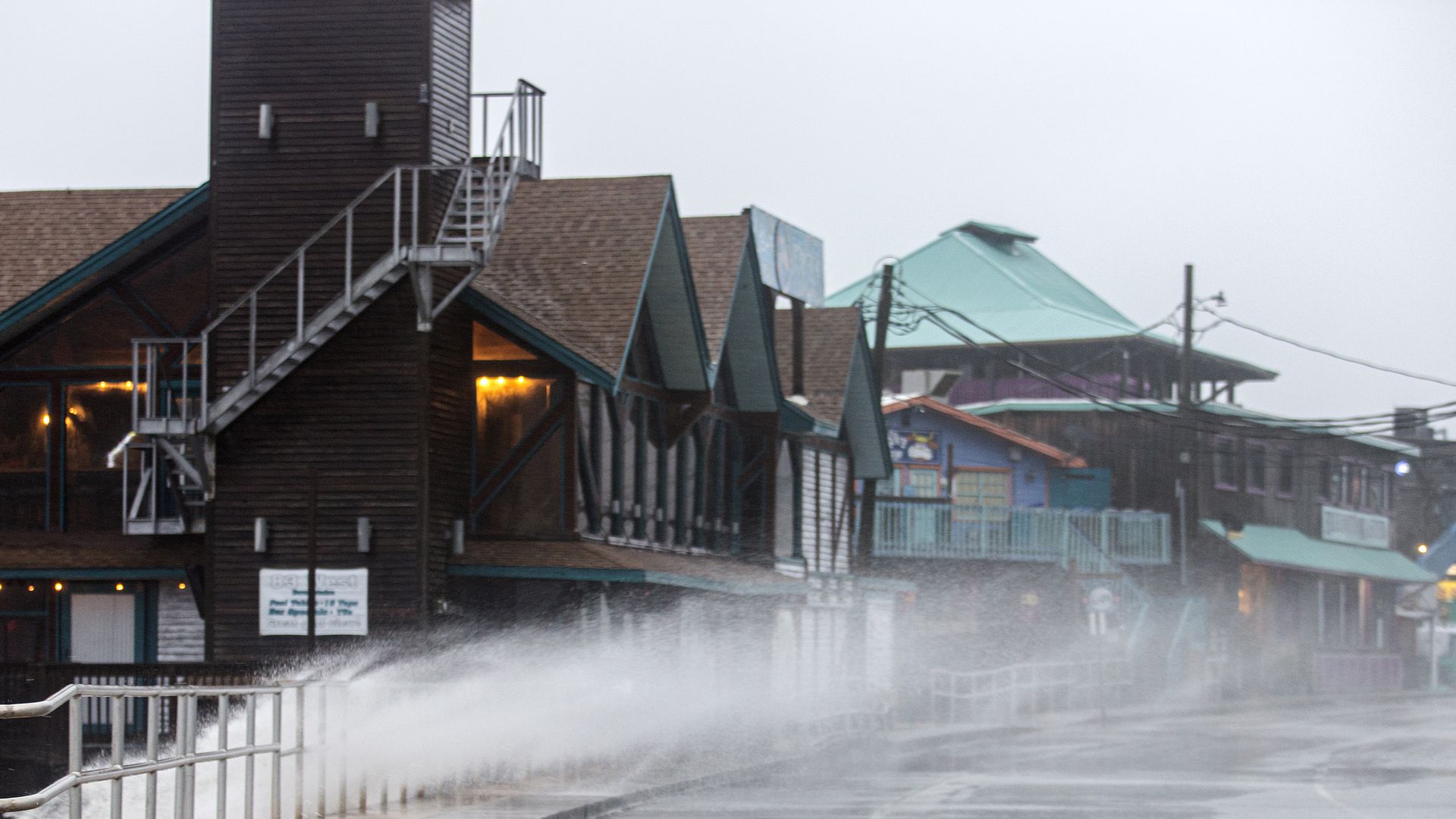
Tropical Storm Elsa is making landfall along the North Florida gulf coast Wednesday, bringing along heavy rainfall and strong winds per the National Hurricane Center.
State of play: Elsa weakened from a marginal Category 1 hurricane to a tropical storm early Wednesday, but hurricane force winds remain a possibility.
North America just had its hottest June in temperature records that date back to the 1800s, researchers with the European Union's Copernicus Climate Change Service said Wednesday.
Why it matters: Their monthly analysis helps contextualize the late-month heatwave that saw many temperature records shattered.
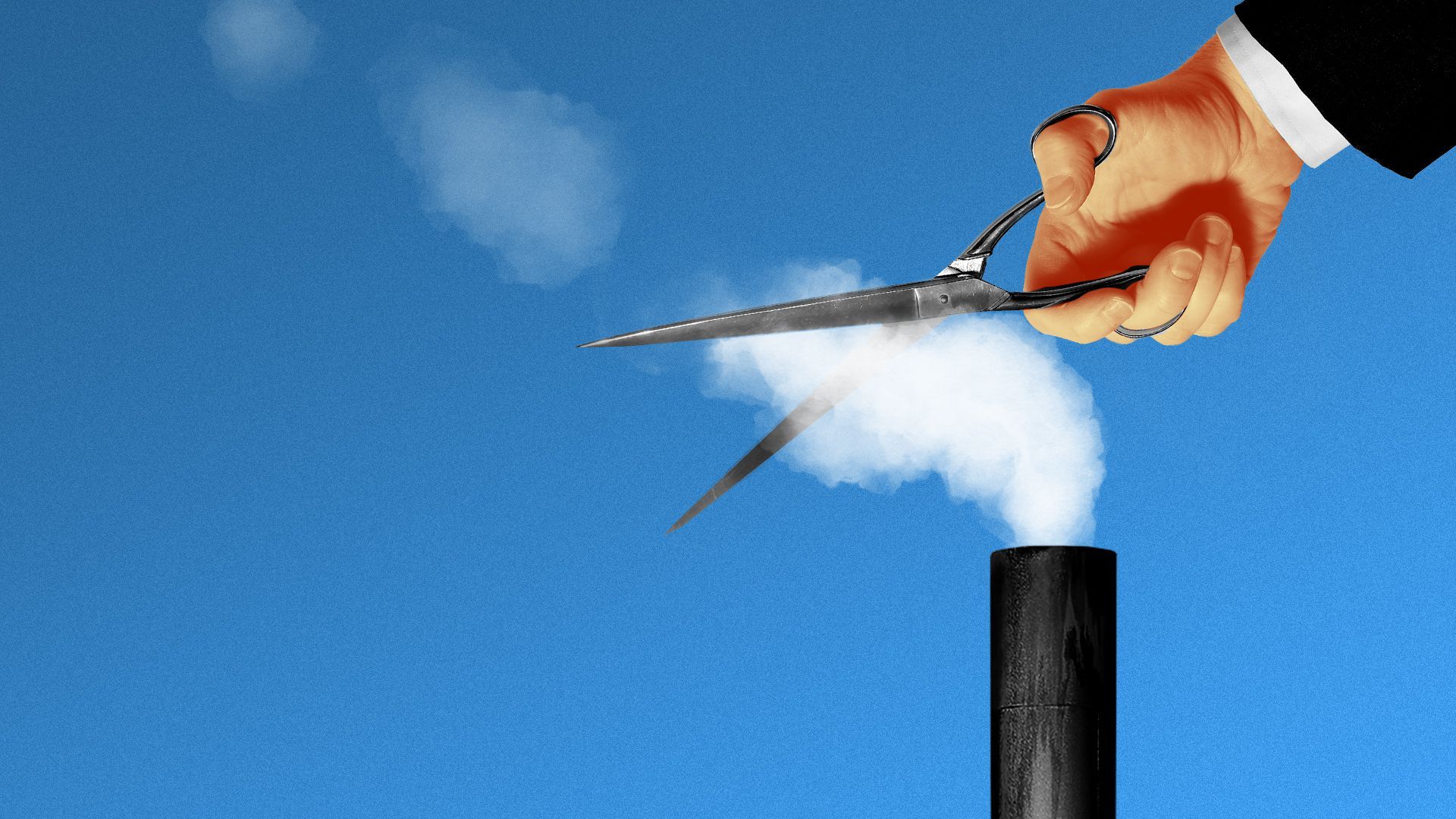
Over 75 companies including big names like General Motors, Apple, Unilever and eBay are urging lawmakers to require that power companies supply sharply rising amounts of zero-carbon electricity.
Why it matters: A new open letter shows an effort to keep a proposed "clean energy standard" (CES) in the mix on Capitol Hill despite huge political hurdles.
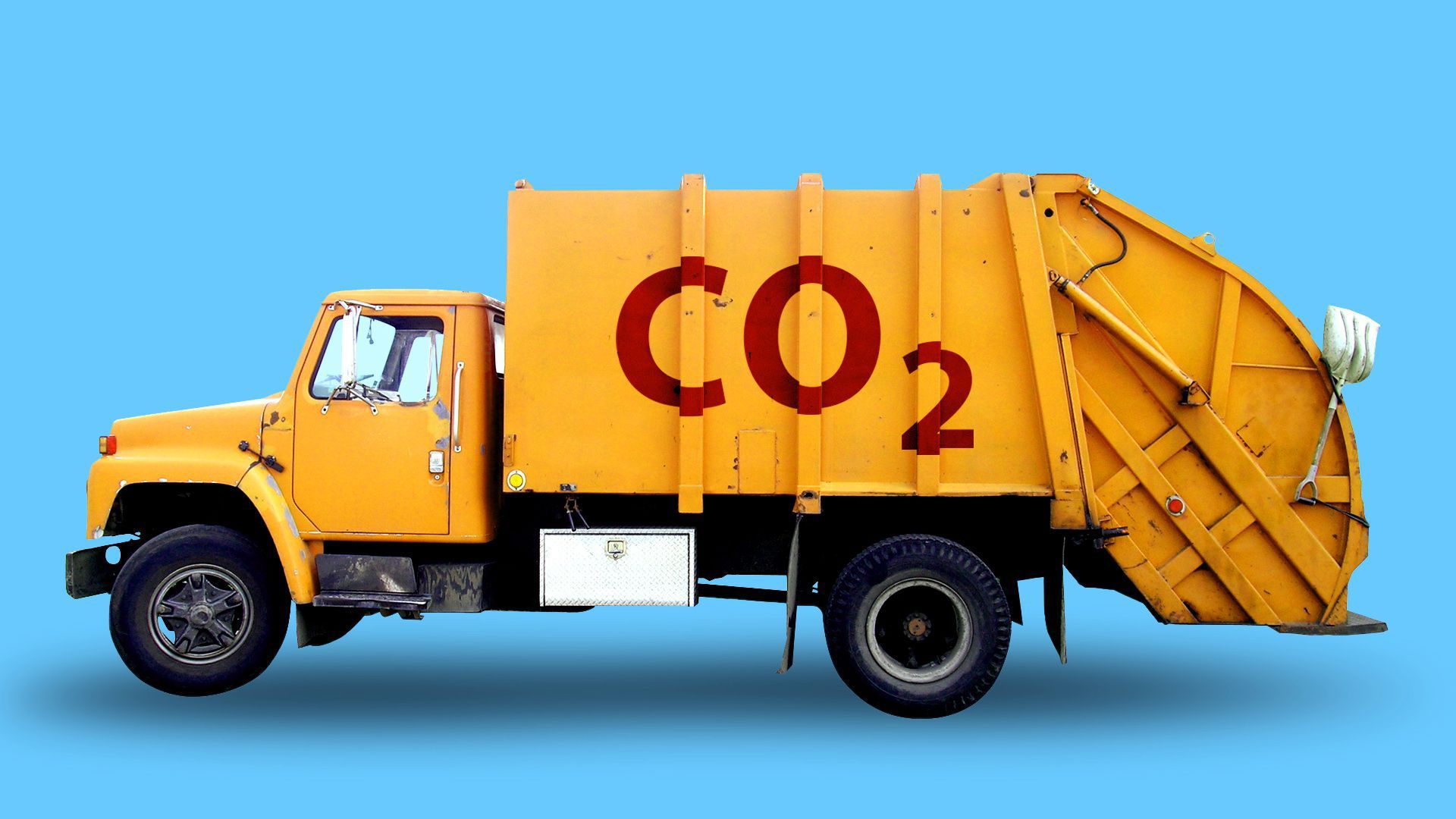
Carbon Engineering, a firm looking to commercialize nascent "direct air capture" tech, just unveiled a new retail offering for its services in partnership with the firm BeZero Carbon.
Driving the news: The new service is basically about buying future removal in smaller amounts than the startup has previously offered and packaging them with other removal options via BeZero.
Seems we've dodged a bullet in Tampa Bay. By 5:30am Wednesday, Tropical Storm Elsa was still threatening to cause moderate storm surge along our shorelines, but an early morning tour revealed some downed branches and wet streets and little other damage.
The latest: After being downgraded as a hurricane overnight, Elsa was located about 70 miles west-northwest of Tampa, according to the National Hurricane Center’s 5am advisory.
Heavy rains and gusty winds were spreading inland across southwest and west-central Florida as Elsa weakened to a still-dangerous tropical storm early Wenesday, per the National Hurricane Center.
State of play: Elsa was 60 miles west of Tampa, Florida, packing maximum sustained winds of 70 mph, the National Hurricane Center said in its 2a.m. ET advisory. A tornado watch was issued for several areas of the state.
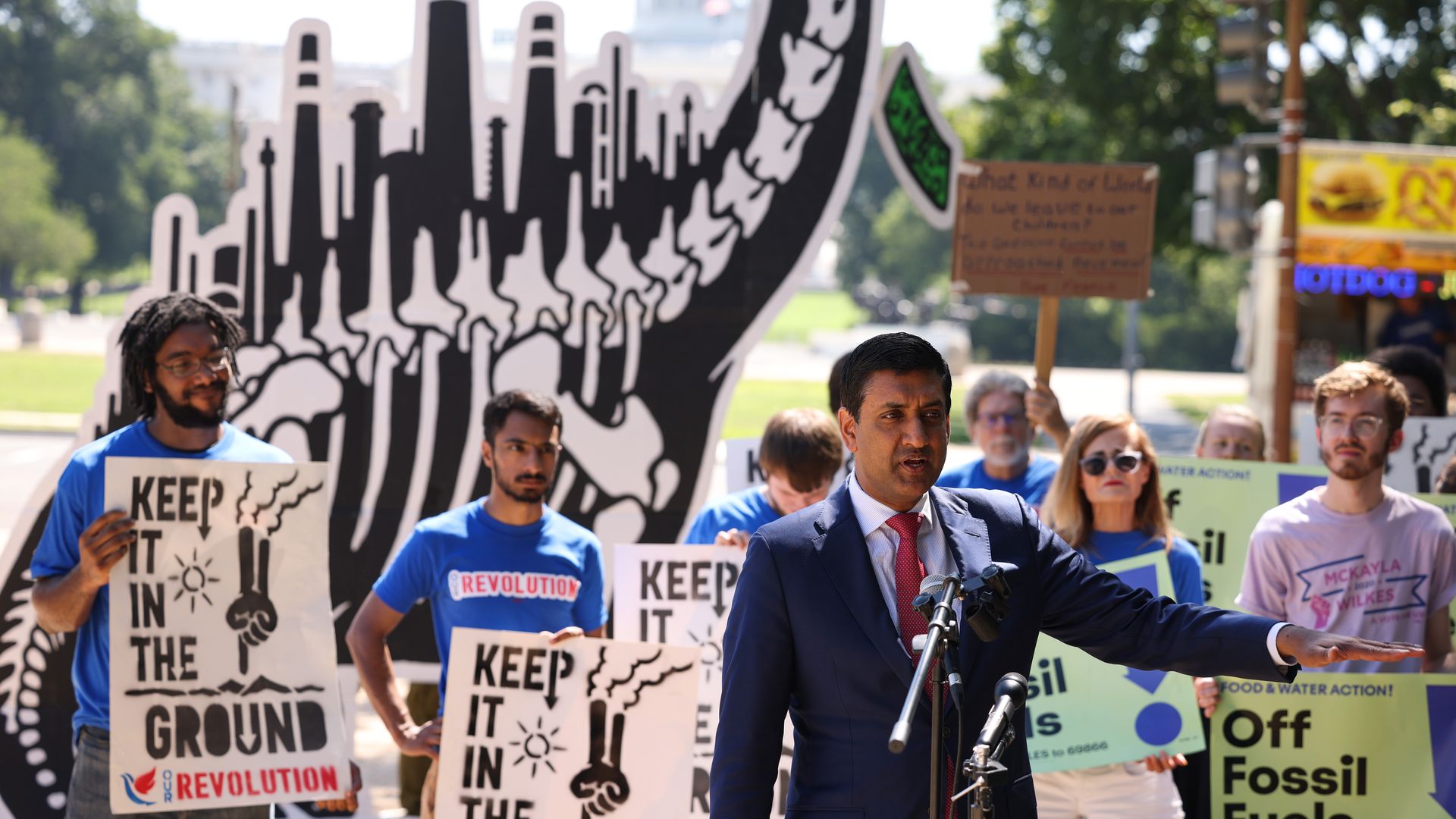
House Democrats this week plan to demand that executives from oil giants including Exxon testify this fall and want documents from the industry about climate change, the New York Times reports.
Driving the news: Rep. Ro Khanna, who heads the environment subcommittee of the House Oversight and Reform Committee, tells the NYT that his panel will issue letters this week to major oil companies and trade groups.
Global natural gas consumption growth will slow again next year after 2021's post-pandemic surge, but even that modest trajectory is out of step with emissions-cutting goals, the International Energy Agency said.
Why it matters: Its new report adds to the picture of how the pandemic has affected energy use patterns and the likely effects of nations' climate policies in the near term.
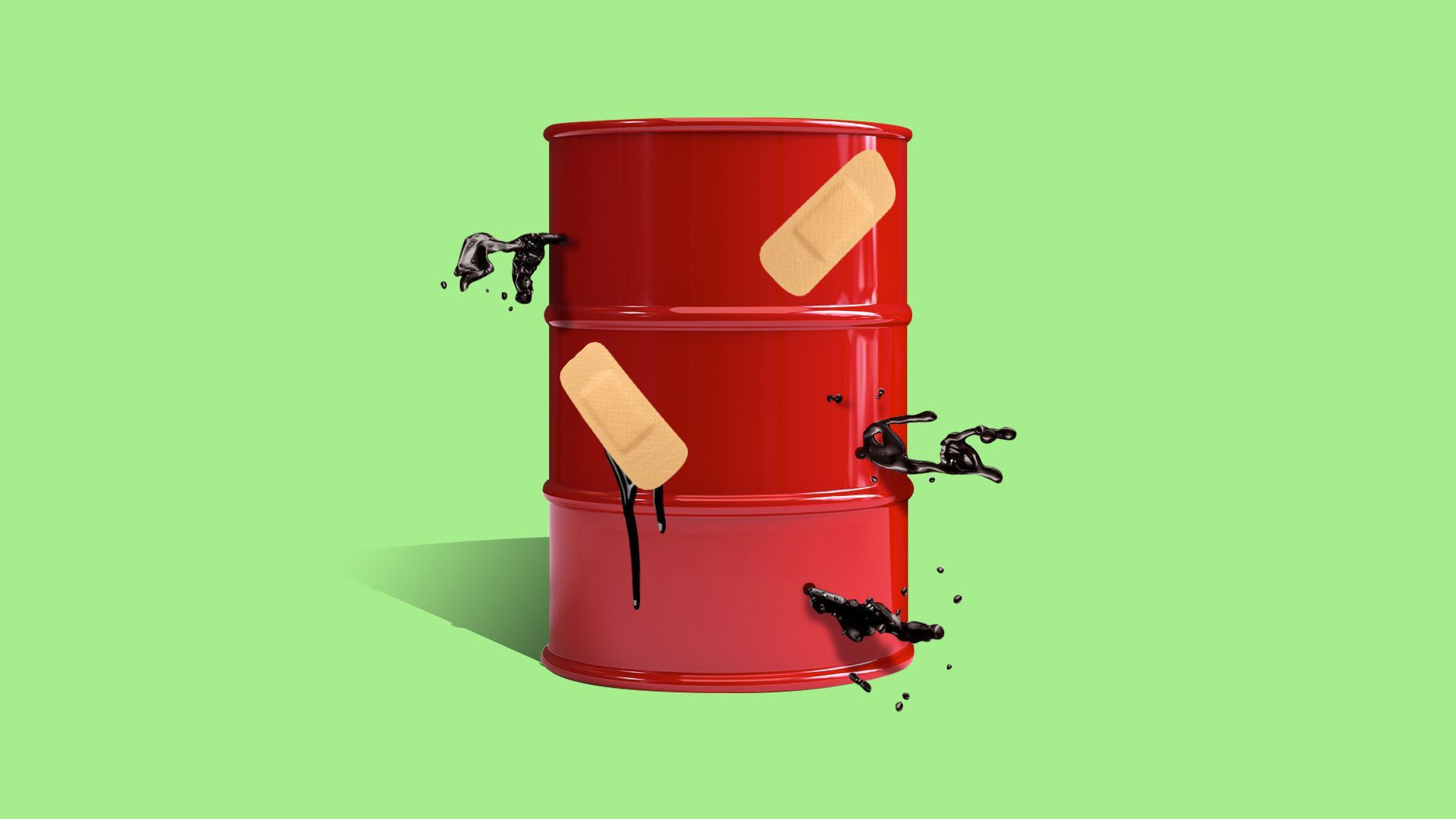
U.S. oil prices reached a six-year high Tuesday morning after OPEC+ talks on production increases fell apart in recent days — a stalemate that will add more upward pressure on rising U.S. gasoline prices. The White House wants more OPEC+ barrels on the market.
Driving the news: OPEC and allied producers led by Russia deadlocked on specifics of their ongoing return from joint production curbs last year when the pandemic crushed demand.
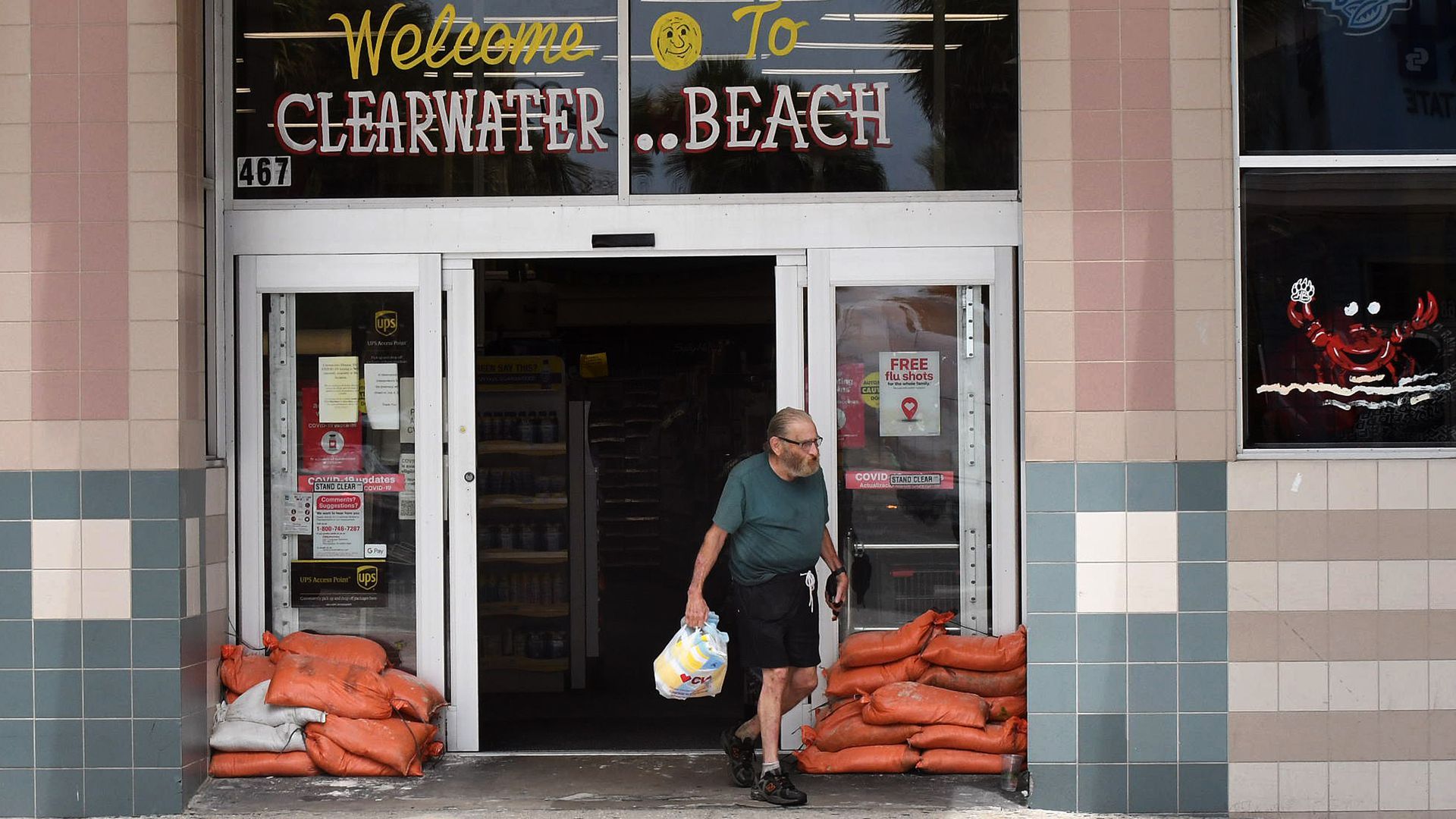
Florida Gov. Ron DeSantis declared a state of emergency over the weekend for Tampa Bay and surrounding counties as Tropical Storm Elsa approaches the state.
State of play: Tampa Bay is officially under a tropical storm warning, and we're likely to feel Elsa's worst impact sometime Tuesday night.
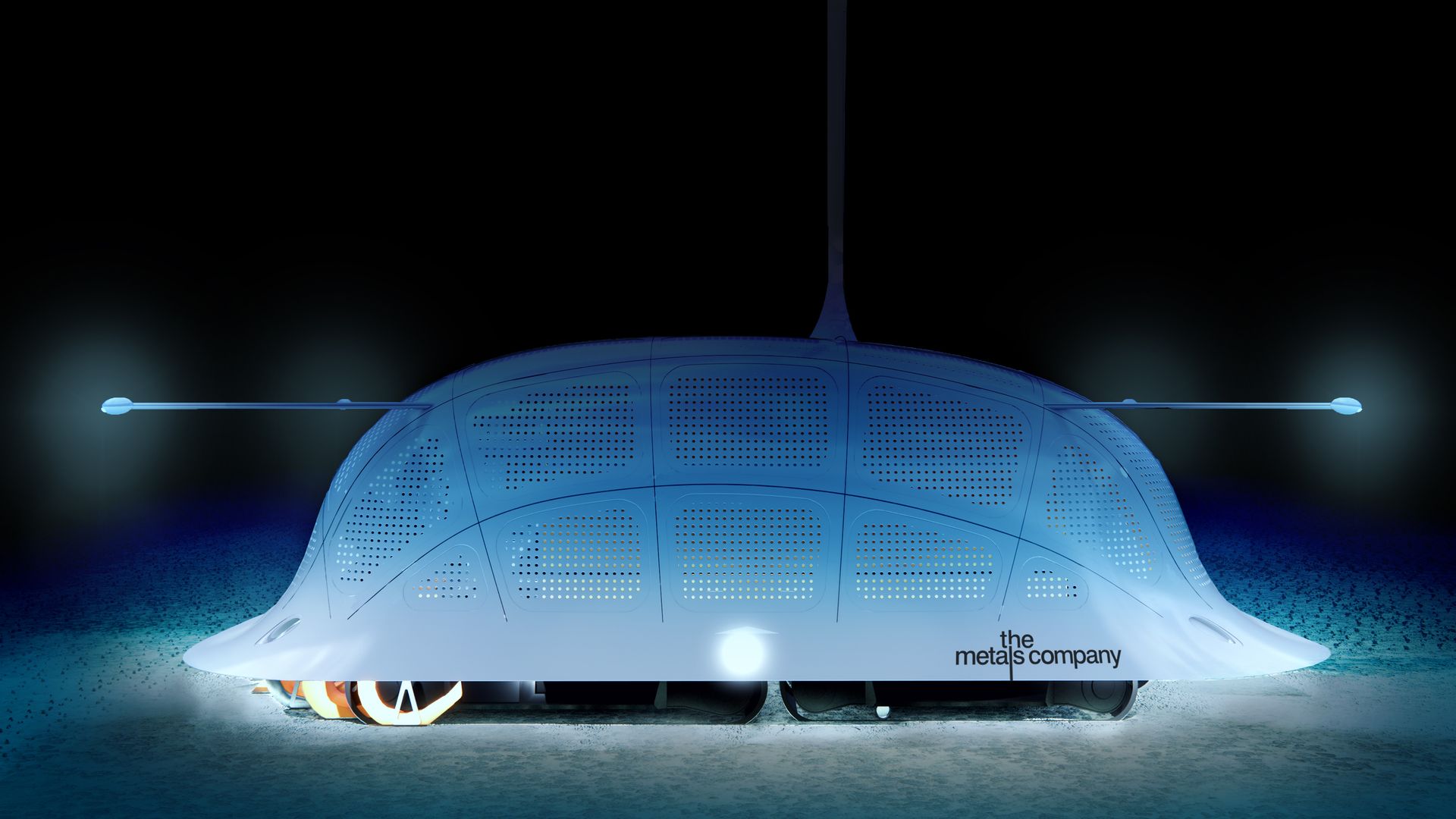
All the battery metals we need to power a billion electric vehicles could be lying on the floor of the Pacific Ocean — but collecting them and turning them into EV batteries is a major challenge.
Why it matters: It's going to take a lot of batteries to replace the world's gasoline-powered cars with zero-emission EVs. And that will require digging more lithium, nickel, cobalt, copper and manganese out of the earth.
Experts worry that mining's environmental threats could outweigh the benefits of increased renewable energy production.
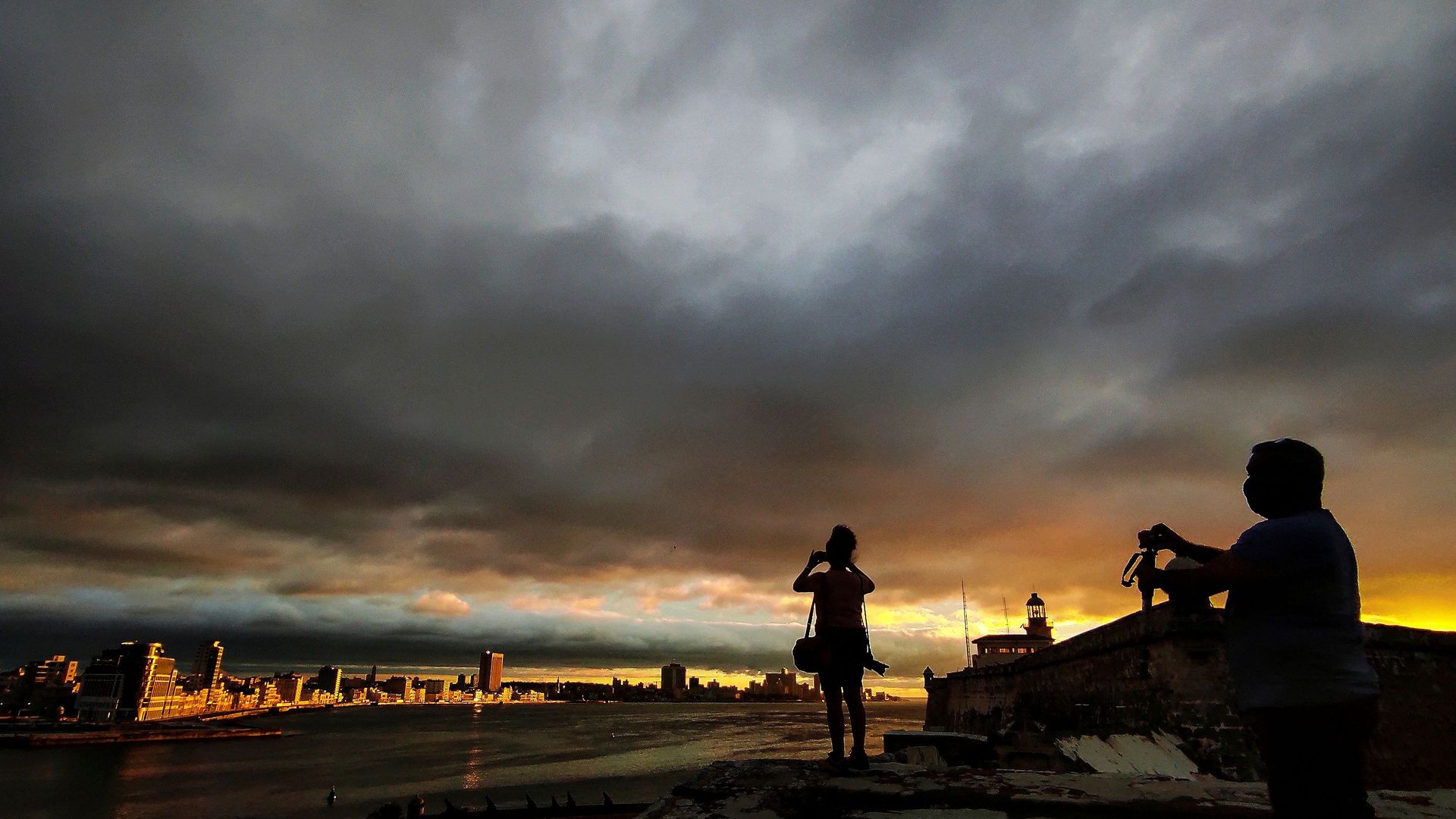
Conditions were deteriorating across the Florida Keys as Tropical Storm Elsa moved over the Florida Straits early Tuesday after unleashing heavy rains on Cuba, per the National Hurricane Center.
Details: The storm was packing maximum sustained winds of 60 mph 60 miles south-southwest of Key West at 2a.m. on Tuesday, according to the NHC.



/2021/07/07/1625664118765.gif?w=3840)