At the same time as much of the Lower 48 states are seeing temperatures soar through the 90s, an unusually severe heat wave for this time of year has also struck the Middle East.
Why it matters: While these extreme weather events have roots in various weather systems, human-caused climate change is raising the odds and worsening the severity of extreme heat events worldwide.
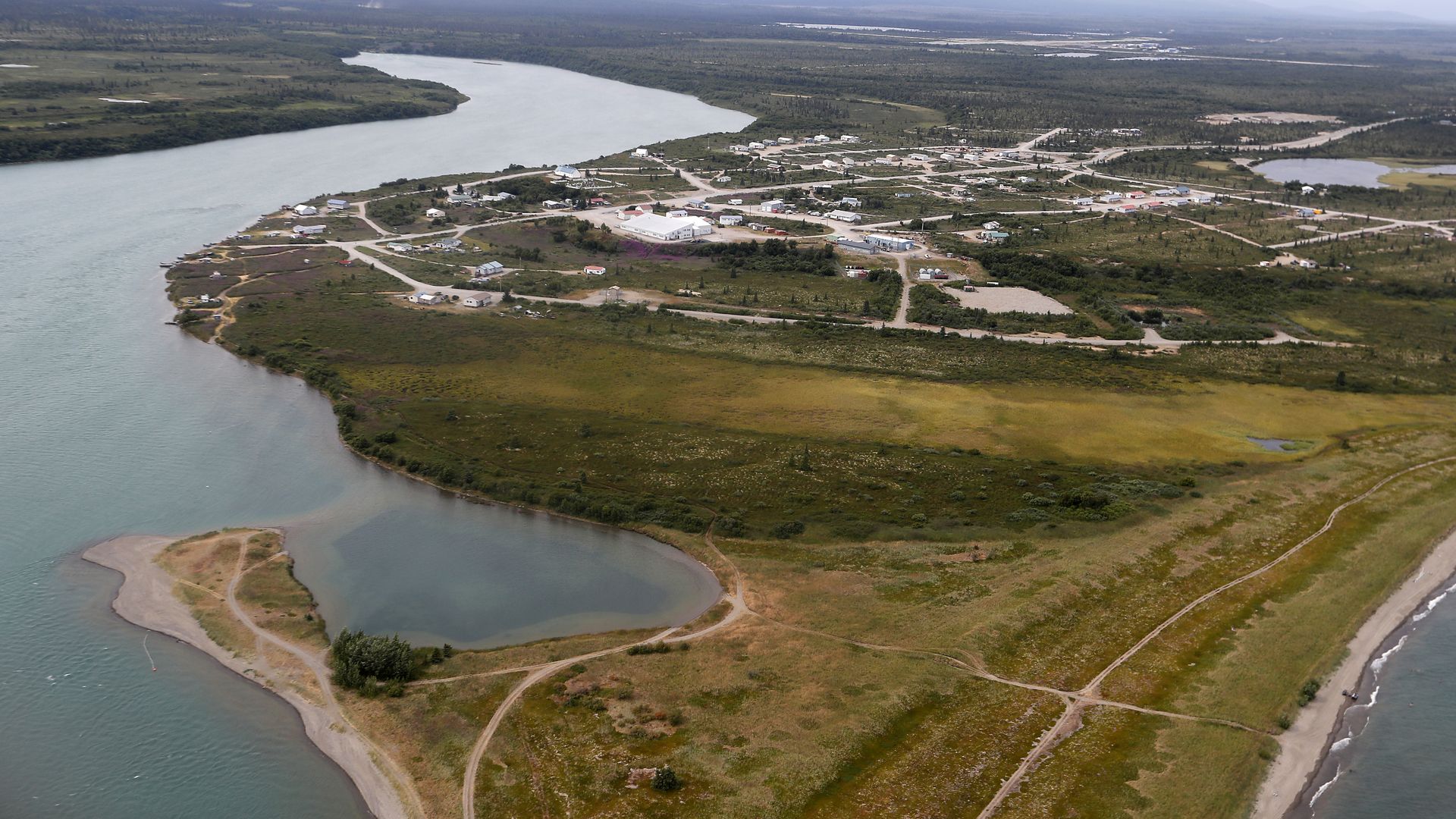
The Pedro Bay Corporation, an Alaska Native group that owns land near Bristol Bay, sold conservation easements on more than 44,000 acres to the environmental nonprofit Conservation Fund, the Washington Post reports.
Why it matters: The deal makes a large portion of the land, where backers of the Pebble Mine had hoped to build a gold mining road, off-limits to future development, standing in the way of Pebble Limited Partnership's massive project.
The think tank Resources for the Future on Tuesday released its latest report comparing various projections and scenarios around emissions, energy demand and more.
The big picture: The energy analyst hive mind is pretty united around the conclusion that nations' current and planned climate policies won't come close to meeting the goals of the Paris climate deal.
A new type of housing initiative kicking off in New York City seeks to address two major problems facing the U.S. today: The lack of widespread, high-speed broadband access for low-income residents, and the need to more widely deploy clean energy technologies.
Why it matters: The project is a unique marriage between two of the Biden administration's top infrastructure policy goals, except on a local level.
The White House is pledging a multi-agency push to spur more U.S. battery manufacturing and sustainable mining — both domestically and abroad — of raw materials used in battery tech.
Why it matters: The administration wants to speed U.S. market growth of electric cars and grid storage, but a global scramble for batteries and materials poses hurdles for companies and governments alike.
Sen. Sheldon Whitehouse (D-R.I.), one of Capitol Hill's most vocal members on climate change, went public on Monday about his fear that chances to enact major legislation on the topic are slipping away.
Why it matters: His tweets reflect wider angst on the left that large clean energy and climate investments will be jettisoned in infrastructure negotiations between the White House and Congress.
The amount of carbon dioxide in the Earth's atmosphere has reached its annual peak, climbing to 419 parts per million (ppm) in May, according to scientists from Scripps Institution of Oceanography and the National Oceanic and Atmospheric Administration (NOAA).
Why it matters: It's the highest CO2 reading since reliable instrument data began 63 years ago, but evidence shows it's also a peak since well before the start of human history.
The infrastructure drama enveloping Capitol Hill could spill onto the global climate stage.
Why it matters: Major new U.S. investments and policies could help spur other nations to take more aggressive and tangible steps to cut emissions. But failure to steer major new initiatives through Congress could hinder the White House diplomatic posture as the U.N. conference looms.
An International Energy Agency report puts some context around how much the world's largest oil companies are investing in clean energy.
The big picture: The chart above shows the combined investments of a collection of roughly 20 giants, including Shell, Exxon and BP, but also state-controlled companies like Saudi Aramco and China National Petroleum Corp.
Energy Secretary Jennifer Granholm will on Monday unveil new efforts aimed at massively cutting the cost of producing hydrogen with climate-friendly processes, according to an agency official.
Driving the news: The department will announce the "Hydrogen Shot" program to breathe life into the DOE's goal, first announced in April, to drive the costs of clean hydrogen down from about $5 per kilogram today to $1 per kilogram by 2030.
After 13 years without owning a car, I finally got one.
Why it matters: Driving is one of the most direct ways we as individuals benefit from our activities raising Earth’s temperature. It’s also one of the clearest ways we can embrace cleaner technologies.