The State Department on Wednesday waived sanctions on the corporate entity and CEO overseeing the construction of Nord Stream 2, a move widely interpreted as a signal that the U.S. will not stand in the way of the Russia-to-Germany pipeline's completion.
Yes, but: State Department officials told reporters that by listing several vessels and companies participating in the controversial project for sanctions, as mandated by Congress, they were in fact sending a "clear signal" to Russia — even contending that they would continue to employ sanctions "to try to stop this pipeline."
Plant-based milk company Oatlyis going public. It's the latest example of "alt-food" catapulting into the mainstream: on shelves — and in investing.
Driving the news: It's expected to be valued at $10 billion, an eye-popping valuation that in some cases rivals that of food giants that make more widely consumed products.
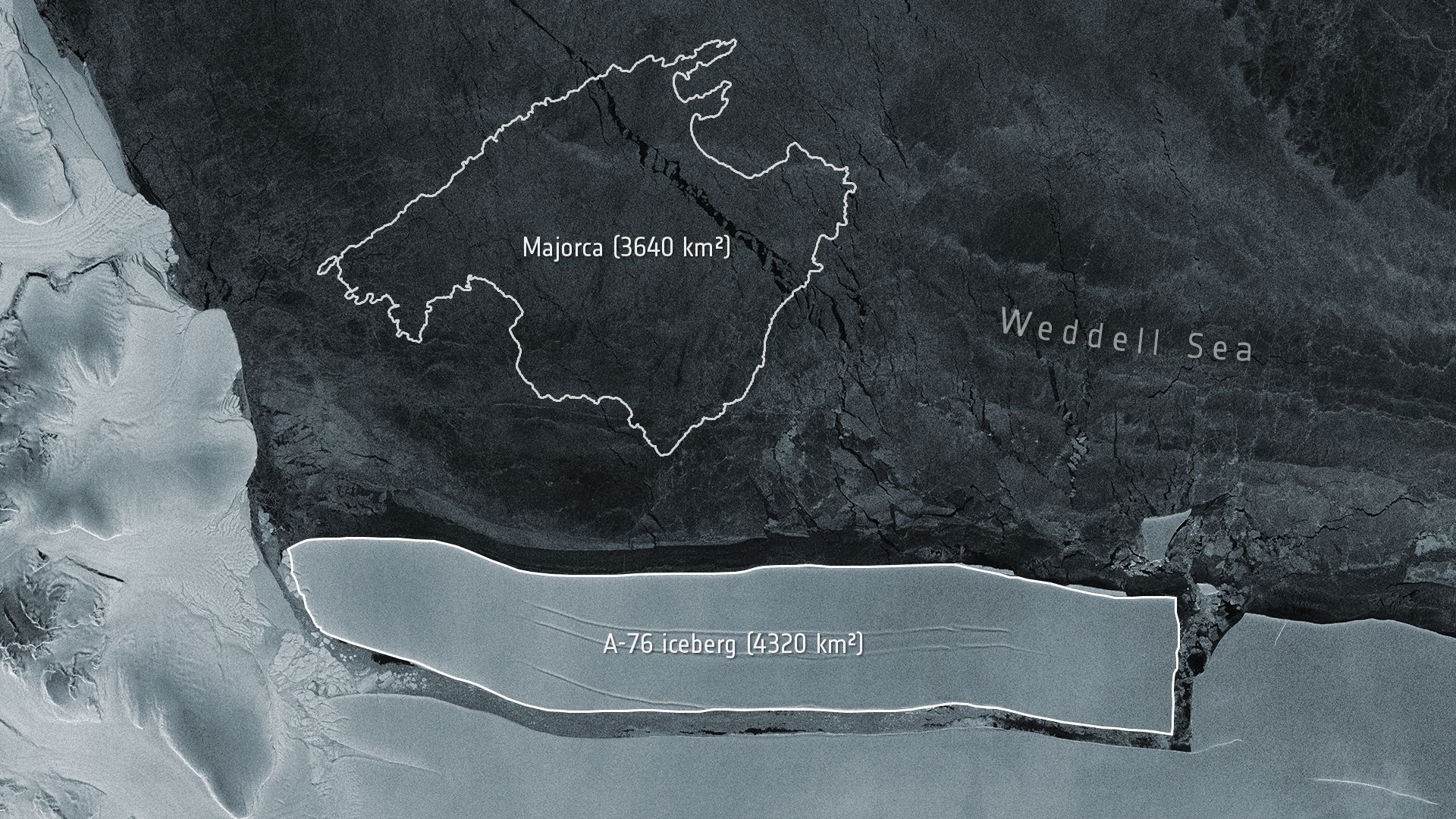
An iceberg about 73 times the size of Manhattan has broken off from Antarctica's Ronne Ice Shelf, making it the world's largest, current iceberg, the European Space Agency confirmed Wednesday.
Of note: Icebergs separating from ice shelves — a process known as calving — is a natural occurrence, and scientists aren't attributing this one to climate change.
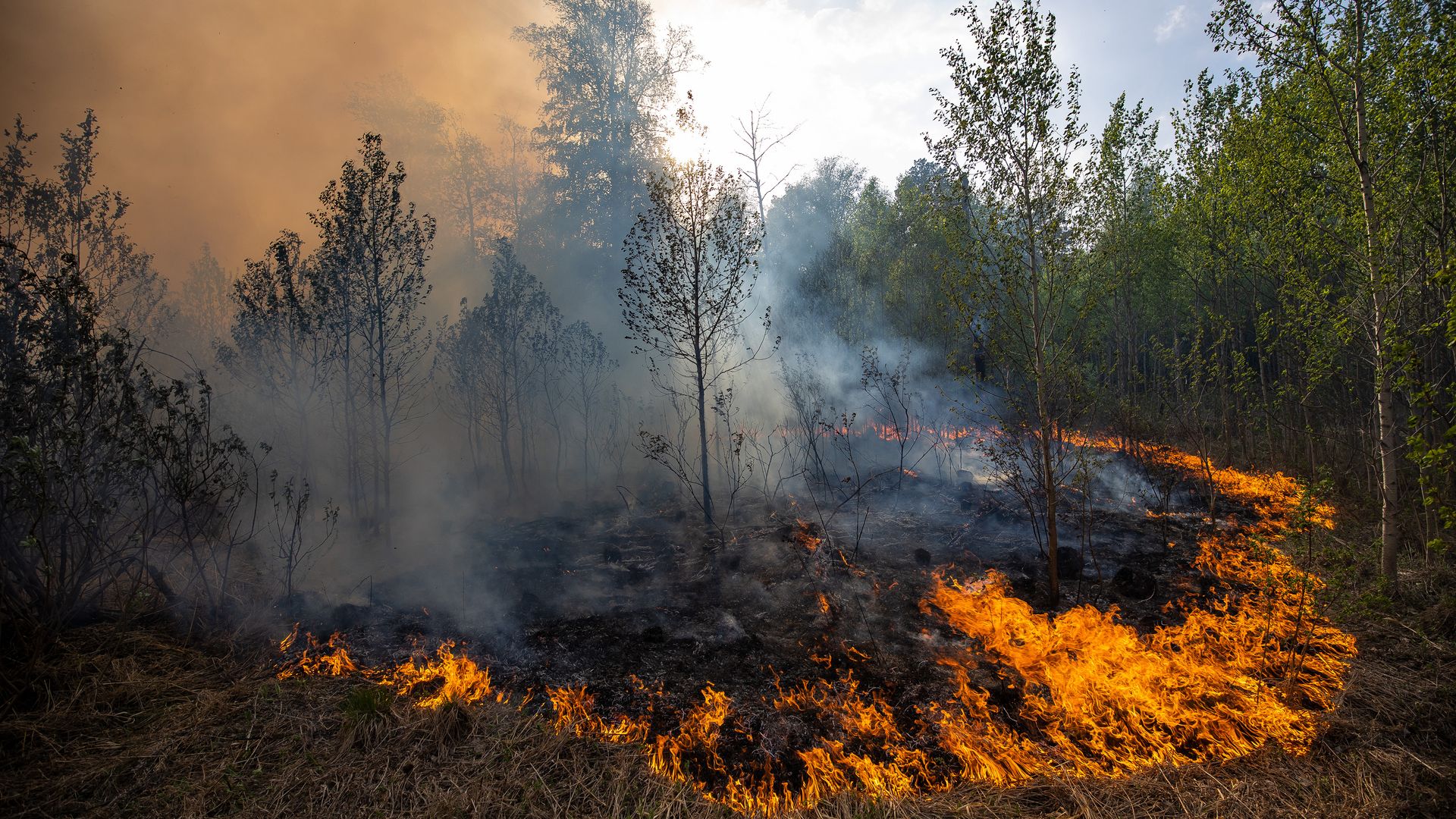
"Zombie fires" may sound like something straight out of science fiction, but they're a real phenomenon that is likely to become more common in the area ringing the Arctic, and possibly the Arctic itself, as climate change continues, a new study finds.
Why it matters: The study, published in the journal Nature, provides conclusive evidence that zombie or "holdover fires" exist and can be monitored, and it helps to begin to quantify their impact on global climate change.
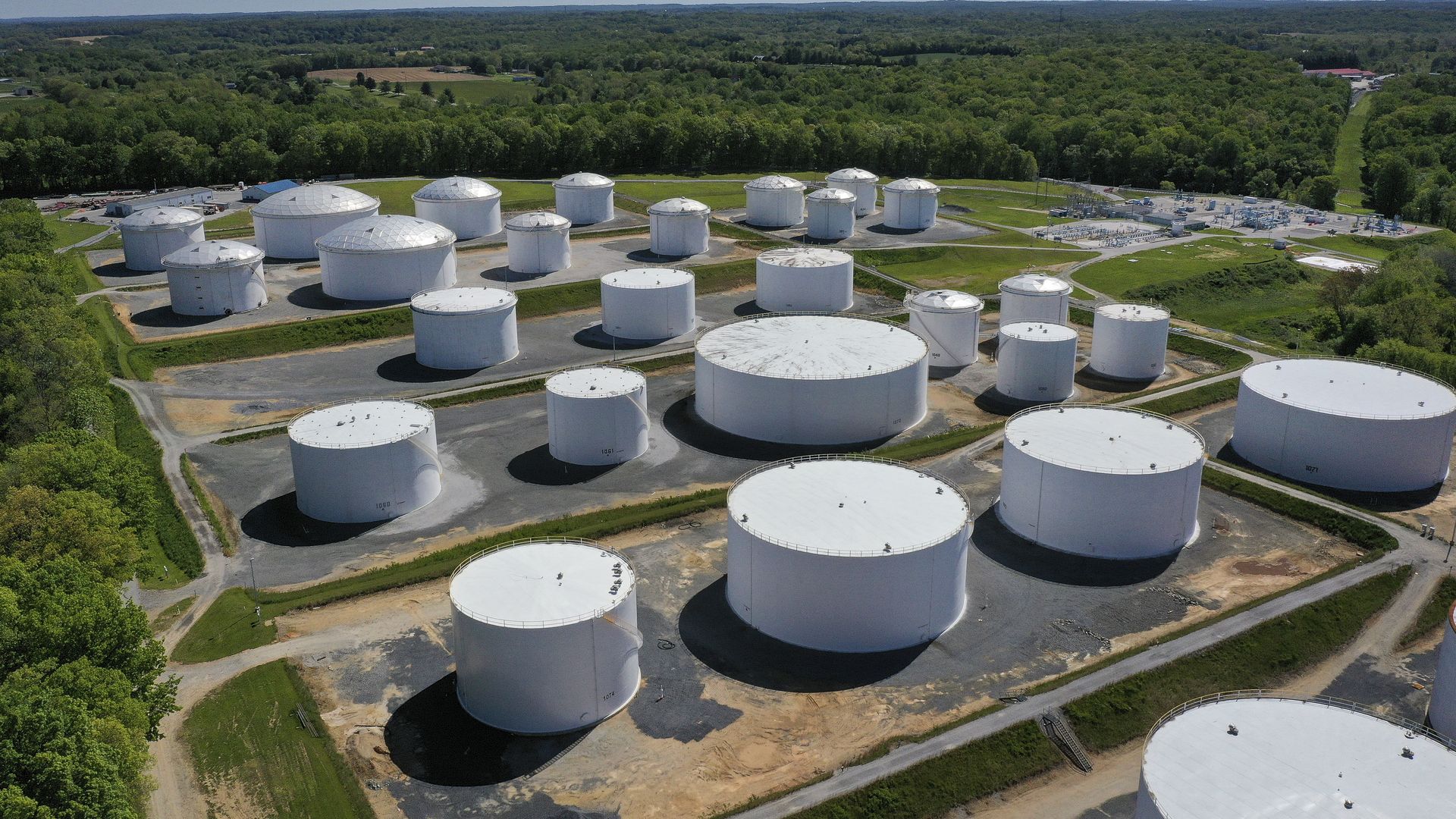
CEO of Colonial Pipeline Joseph Blount told the Wall Street Journal he authorized a ransom payment of $4.4 million to the DarkSide cybercrime group on May 7 in an attempt to restore the services of the largest refined fuels pipeline in the U.S.
Why it matters: The federal government for years has recommended that companies do not pay criminals during ransomware attacks over fears that the transactions would only encourage more groups to conduct future attacks.
Google is making inroads in its push toward what company officials call its "moonshot goal" of powering itself completely with carbon-free electricity 24 hours a day, seven days a week by 2030.
The big picture: At its virtual I/O event Tuesday, Google announced that its climate intelligence computing platform will be able to shift tasks between data centers to maximize the use of renewable energy.
The White House said this morning that veteran climate scientist Mike Kuperberg is returning as head of the U.S. Global Change Research Program (USGCRP) following his removal from the position under President Trump.
Why it matters: The USGCRP coordinates climate research at 13 federal agencies and produces deeply researched, granular reports every four years that help inform policymakers, corporations and others about the causes and consequences of climate change on the United States.
Darwin's Arch in the Galápagos Islands, "considered one of the best places on the planet to dive" and observe marine species, has collapsed, the Ministry of Environment for Ecuador has announced.
Why it matters: Although the ministry said the collapse of the 140-feet-high rock formation Monday was due to natural erosion, it casts a spotlight on a region that the United Nations has classified as "one of the world's most vulnerable places to the effects of climate change," per the New York Times.
The Biden administration will waive sanctions on the corporate entity and CEO overseeing the construction of Russia’s Nord Stream 2 pipeline into Germany, according to two sources briefed on the decision.
Why it matters: The decision indicates the Biden administration is not willing to compromise its relationship with Germany over this pipeline, and it underscores the difficulties President Biden faces in matching actions to rhetoric on a tougher approach to Russia.
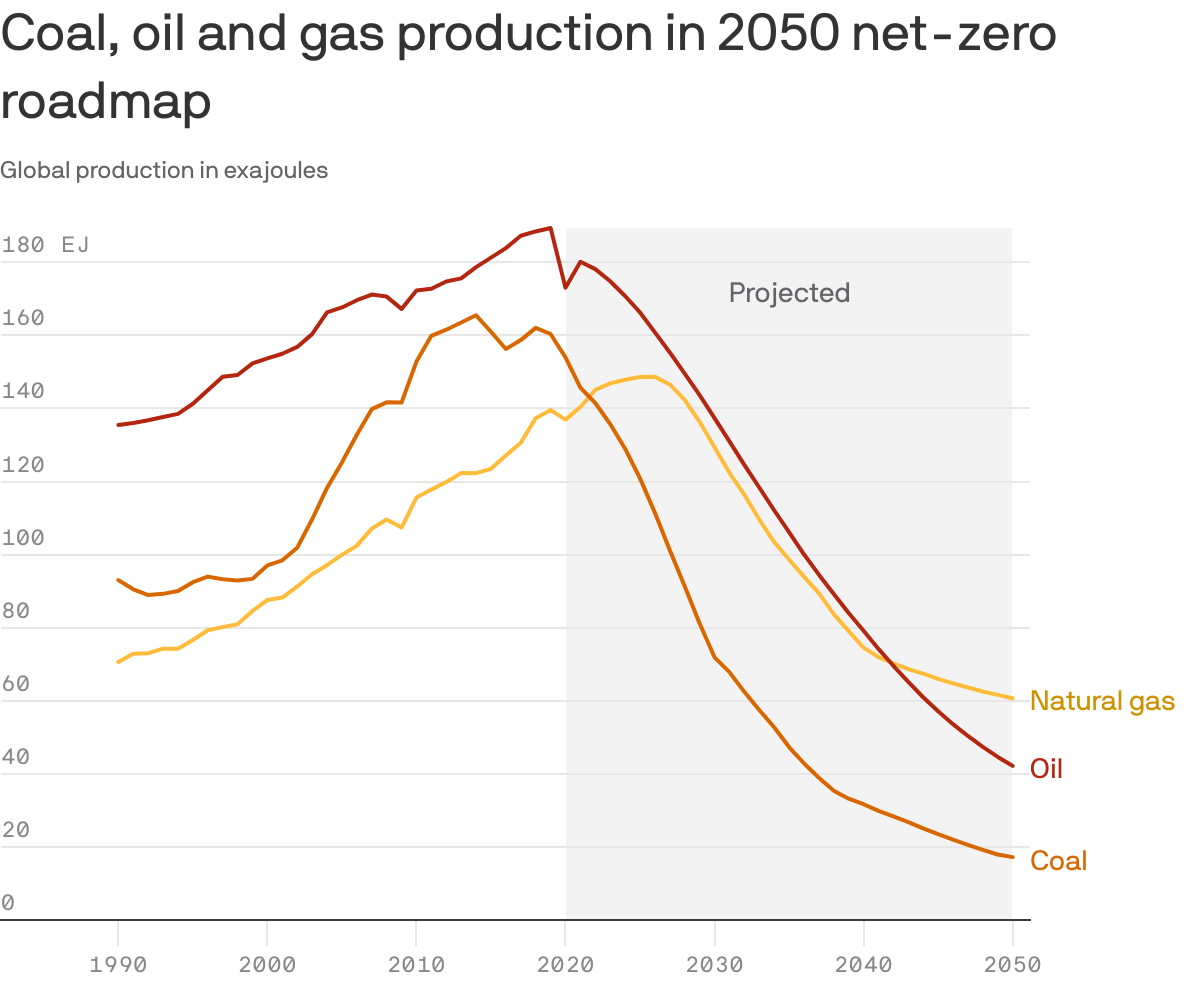
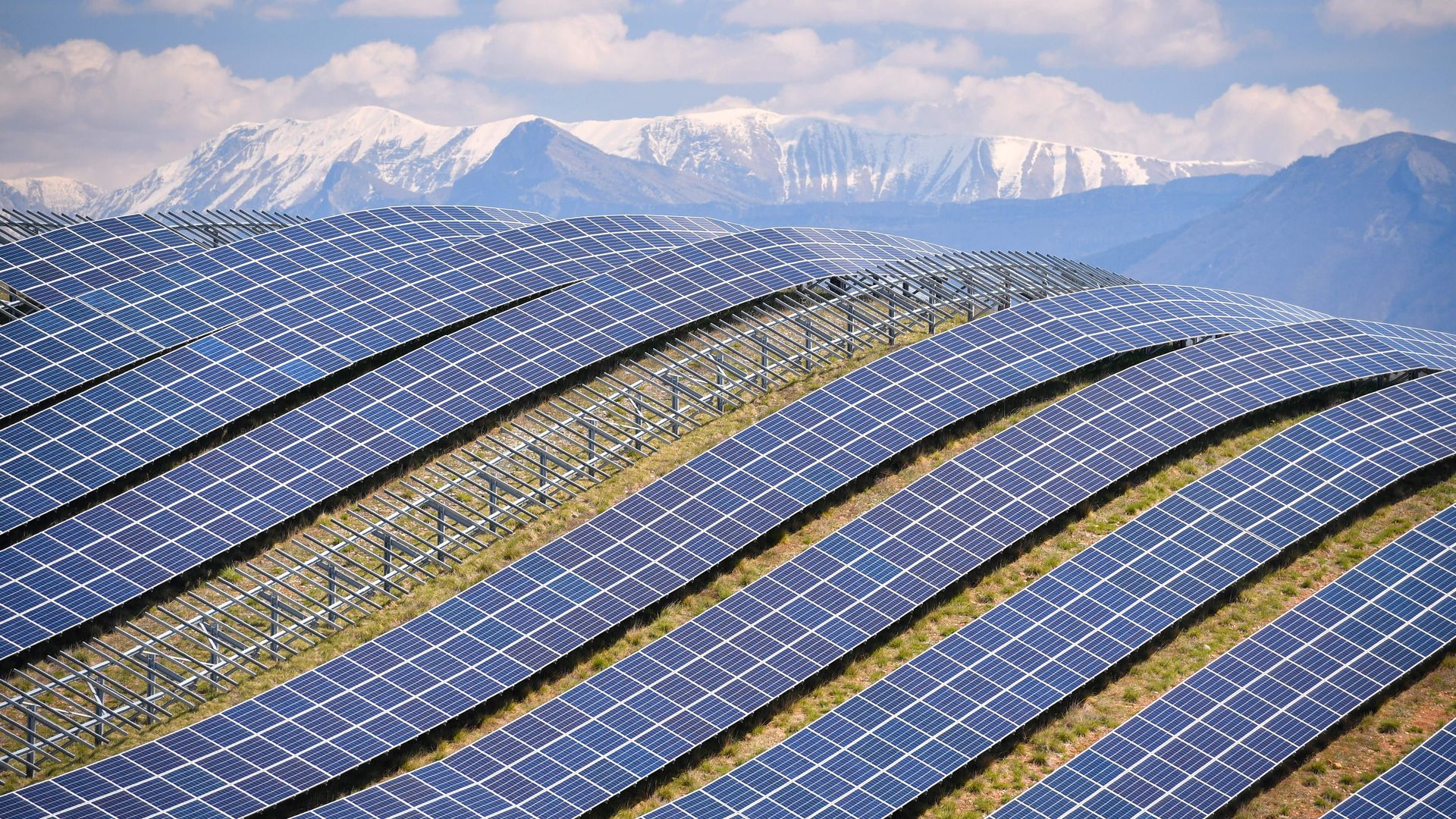
The pathway for transforming global energy systems to reach net-zero emissions by 2050 is "narrow but still achievable" and demands unprecedented acceleration away from fossil fuels, a new International Energy Agency report concludes.
Why it matters: It provides a detailed analysis of what's needed for a good shot at limiting temperature rise to 1.5°C above preindustrial levels.
Oil prices have continued to rise, gaining again on Tuesday after rising to the highest in two years on Monday.
Why it matters: Inflation worries and concerns that prices have run past reasonable valuations have weighed on equities recently, but bullish oil traders continue to be handsomely rewarded this year.
The pathway for transforming global energy systems to reach net-zero emissions by 2050 is "narrow but still achievable" and demands unprecedented acceleration away from fossil fuels, an International Energy Agency report published Tuesday concludes.
Why it matters: It provides detailed analysis and estimates of what's needed for a good shot at limiting temperature rise to 1.5°C above preindustrial levels — the Paris Agreement benchmark for avoiding some of the most damaging effects of climate change.
The big picture: Tauktae unleashed heavy rains and winds as it moved across Kerala, Karnataka, Goa and Maharashtra. Over 200,000 people were evacuated from Gujarat, and ports, airports and vaccination centers shut across the state and Mumbai, Reuters reports. Tauktae weakened from a Category 3 storm to a "severe cyclonic storm" Tuesday.







/2021/05/19/1621432042454.gif?w=3840)