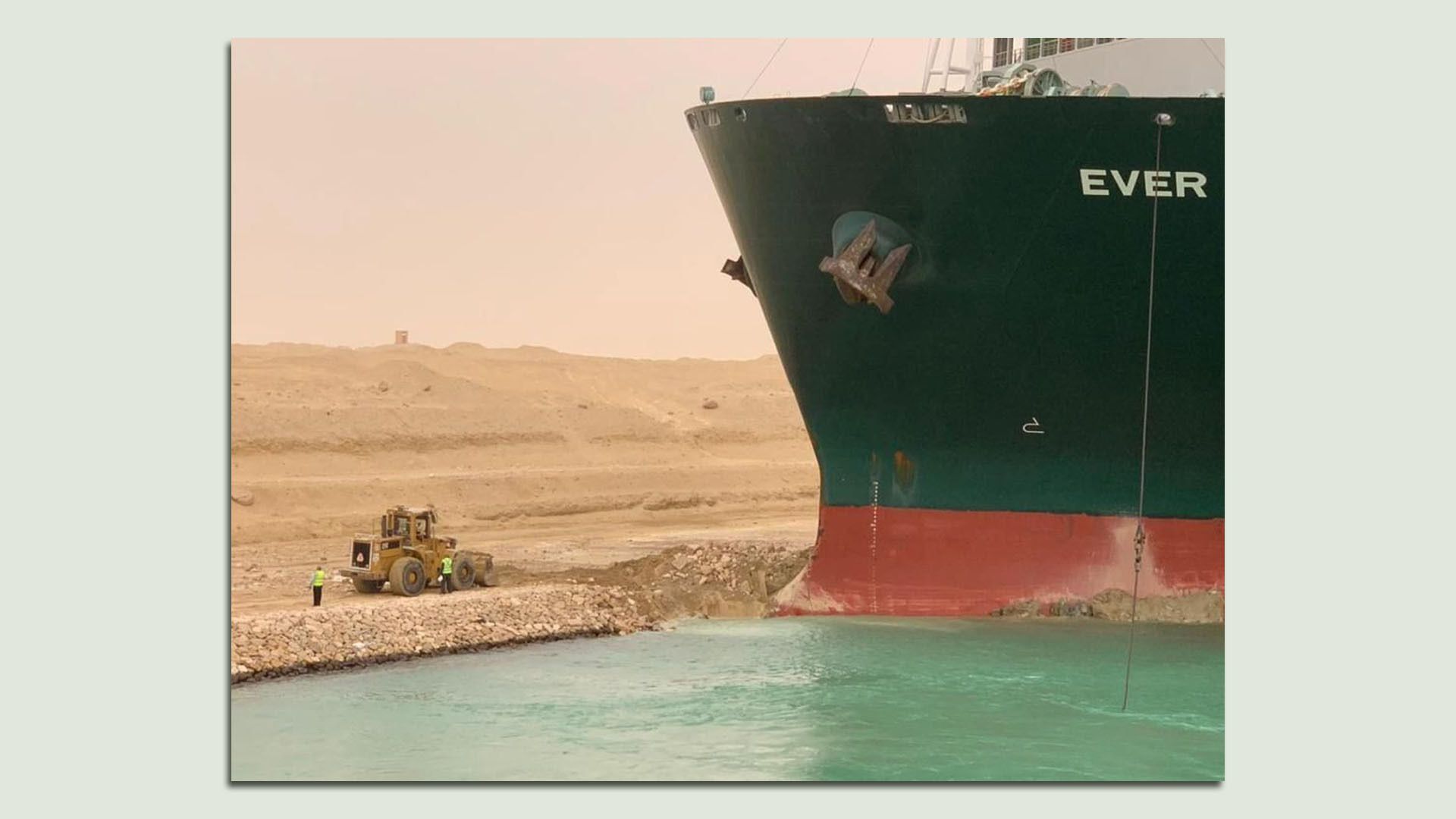
A huge container ship got stuck in the Suez Canal late Tuesday, causing a massive maritime traffic jam.
Why it matters: The Suez accounts for approximately 30% of container shipping volumes, and blocking it for even a short time will cause oil prices to rise — and remind us that the entire global economy relies on really, really big ships.
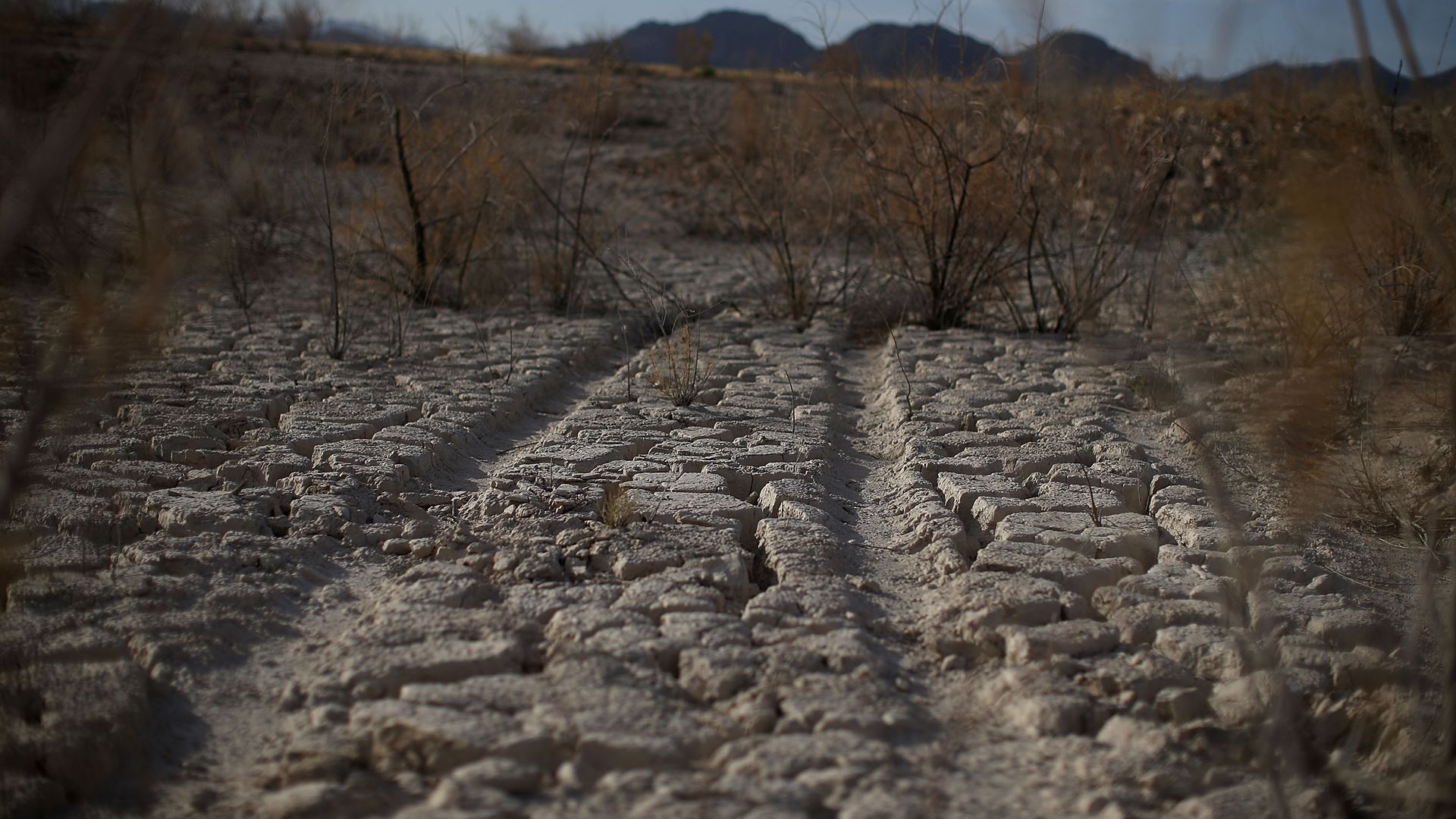
The American West is in the midst of a punishing drought, and long-term conditions are only expected to get worse.
Why it matters: Much of the West has a deep history of decades-long "megadroughts" — and that was before the added drying effects of climate change. But with population in the region projected to continue growing, both water demand and carbon emissions risk an arid future for the West.
Pledges to end net emissions by midcentury are now commonplace for big countries and companies, but several looming summits are putting a fresh focus on a much closer horizon.
Driving the news: U.S. officials intend to unveil a 2030 greenhouse gas emissions-cutting target under the Paris deal by April 22 — the date of a big summit Biden is hosting.
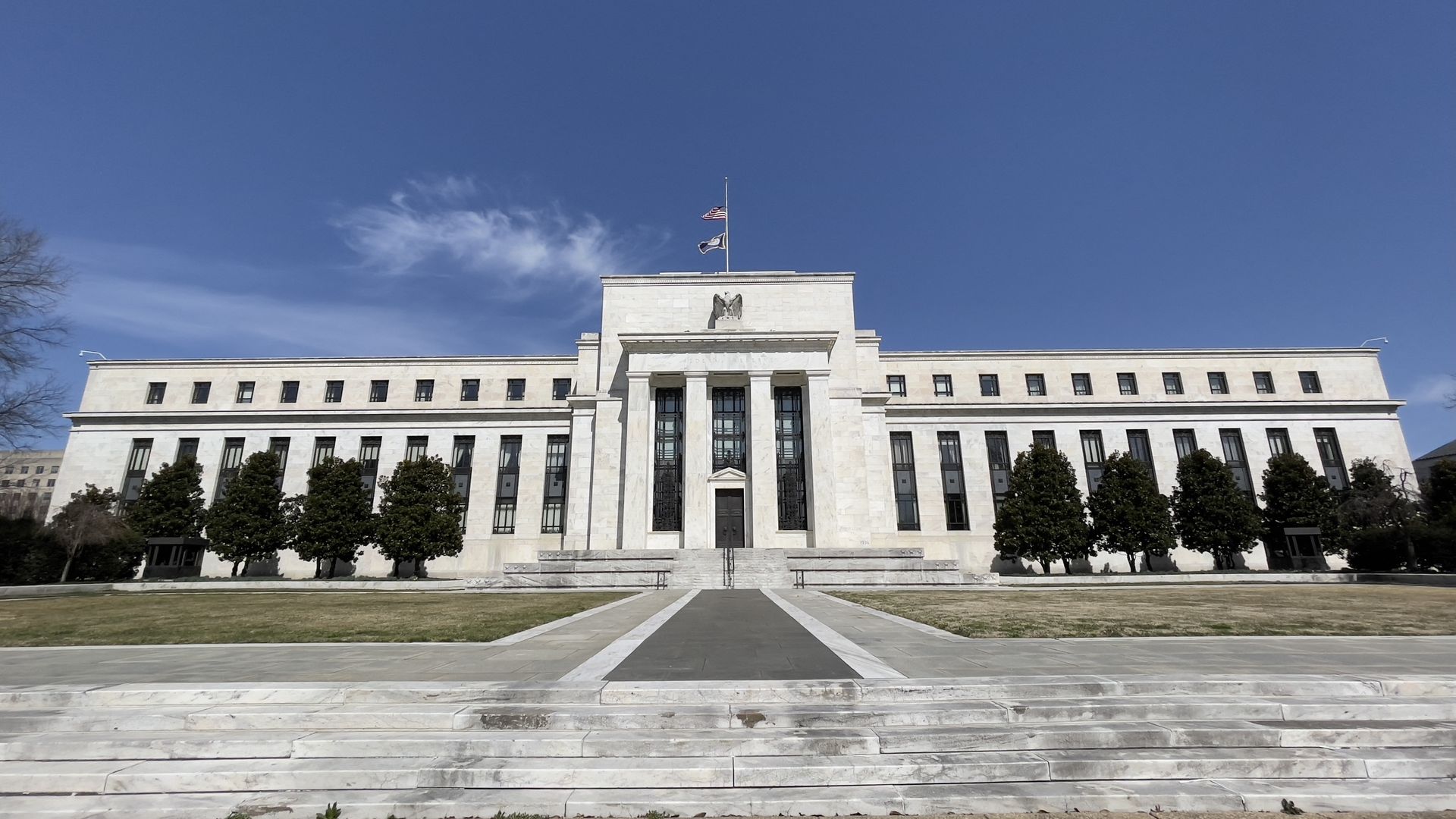
Federal Reserve board member Lael Brainard said the Fed is creating a "Financial Stability Climate Committee" (FSCC) to, as the name suggests, "identify, assess, and address climate-related risks to financial stability."
Why it matters: The group, announced in a speech Tuesday, is just the latest in a widening series of moves by the central bank to get a better handle on climate-related financial risks.
New International Energy Agency analysis of coal consumption helps explain why global carbon emissions have rebounded so quickly from the pandemic-fueled drop.
The big picture: It notes that overall global coal consumption fell 4% in 2020, with reductions concentrated in the early part of the year.
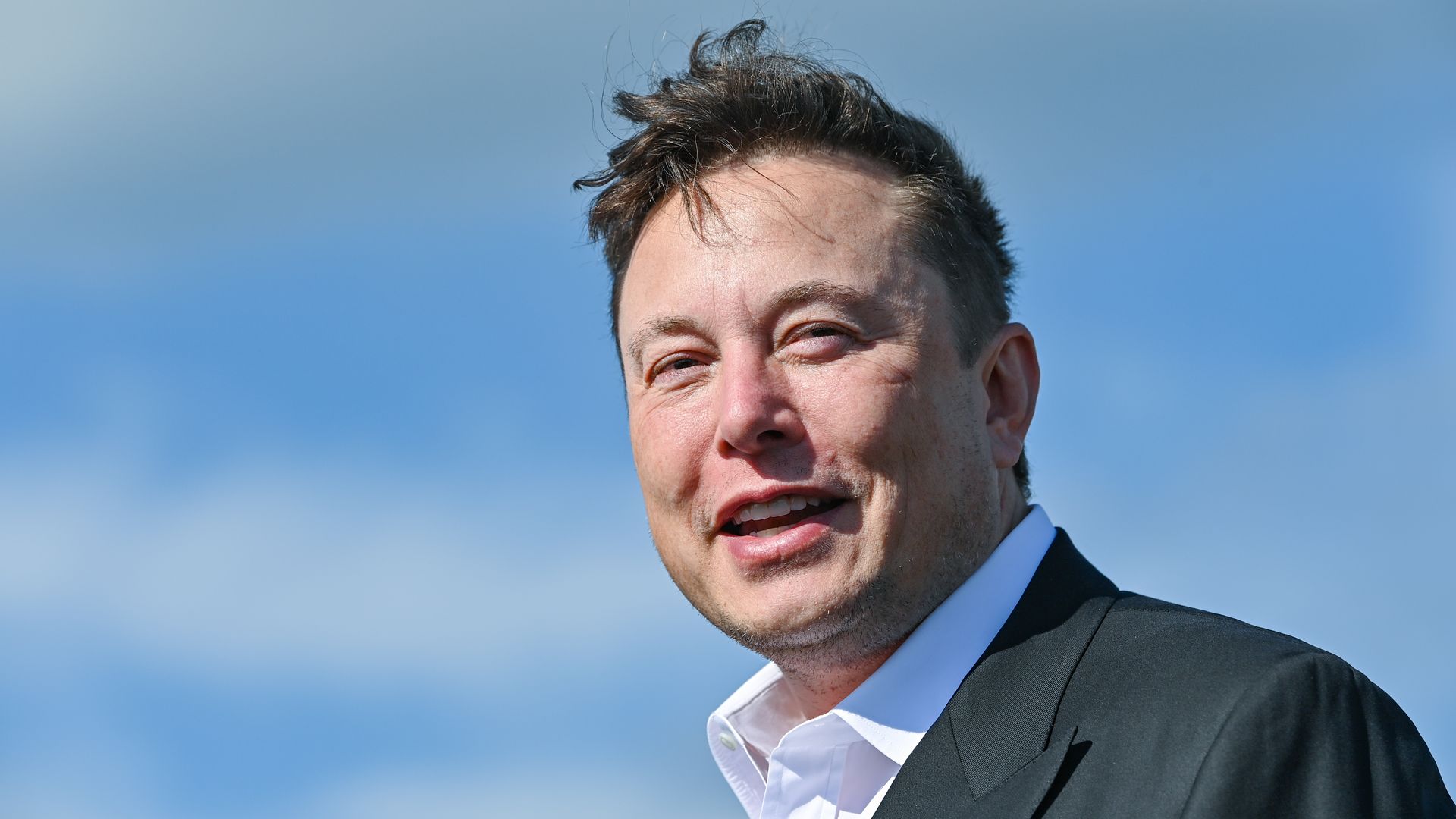
Elon Musk announced on Twitter Wednesday that Tesla cars can now be bought in the U.S. using bitcoin.
Why it matters: The decision comes after the company bought $1.5 billion worth of bitcoin in February, a move which makes Musk "something of a hero to the bitcoin faithful. Those people are often affluent, tech-savvy early adopters — exactly the market that Tesla is targeting with its cars," Axios' Felix Salmon writes.
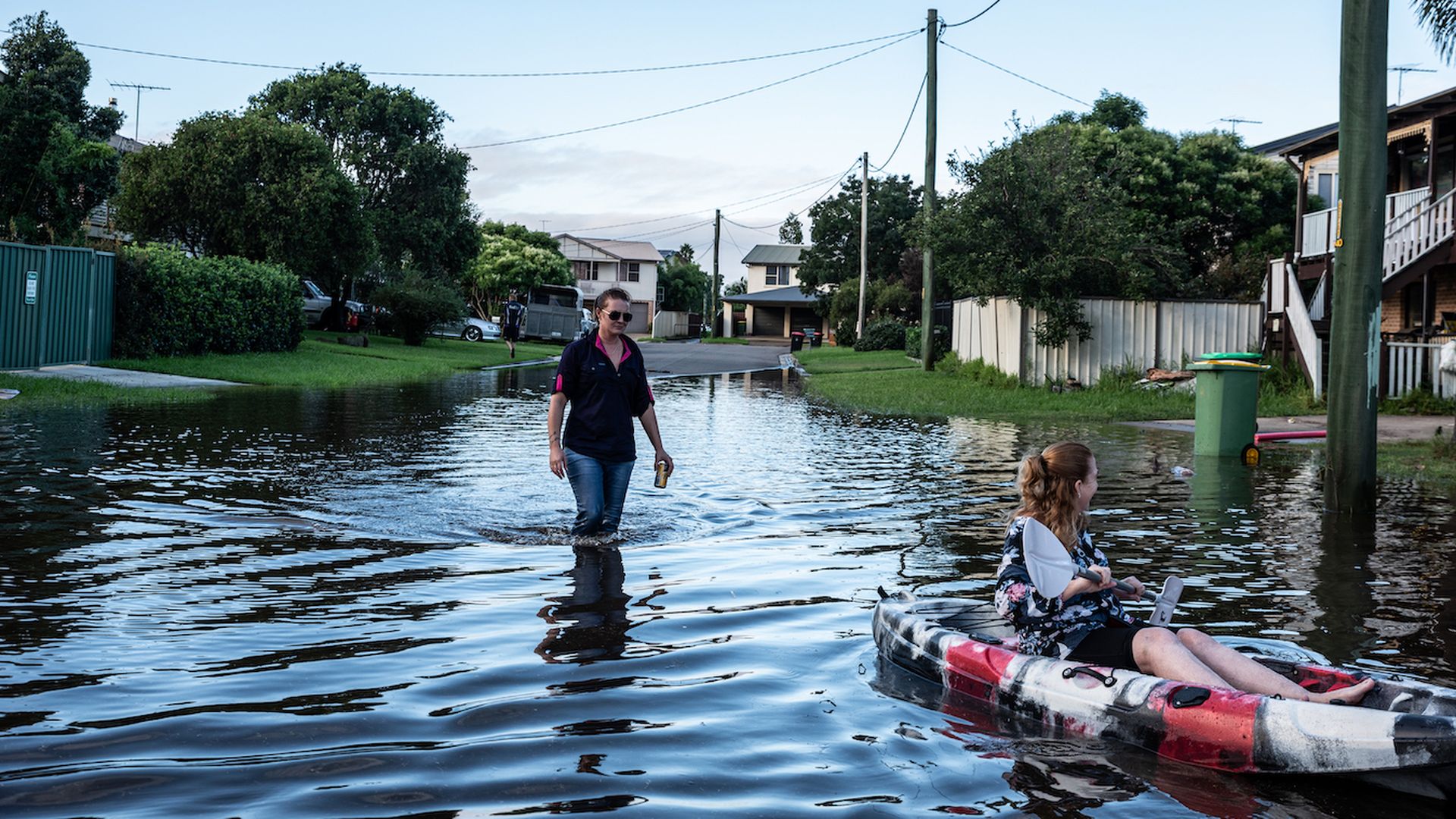
Rainfall is easing in some parts of Australia Tuesday, but many rivers continue to rise in the wake of nearly a year's worth of rainfall that fell in just six days in New South Wales and Queensland.
Why it matters: The flooding is the latest in a string of extreme weather disasters that have struck Australia in the past year. The country has careened from drought and devastating wildfires to unusually heavy rains and flooding not seen in decades.
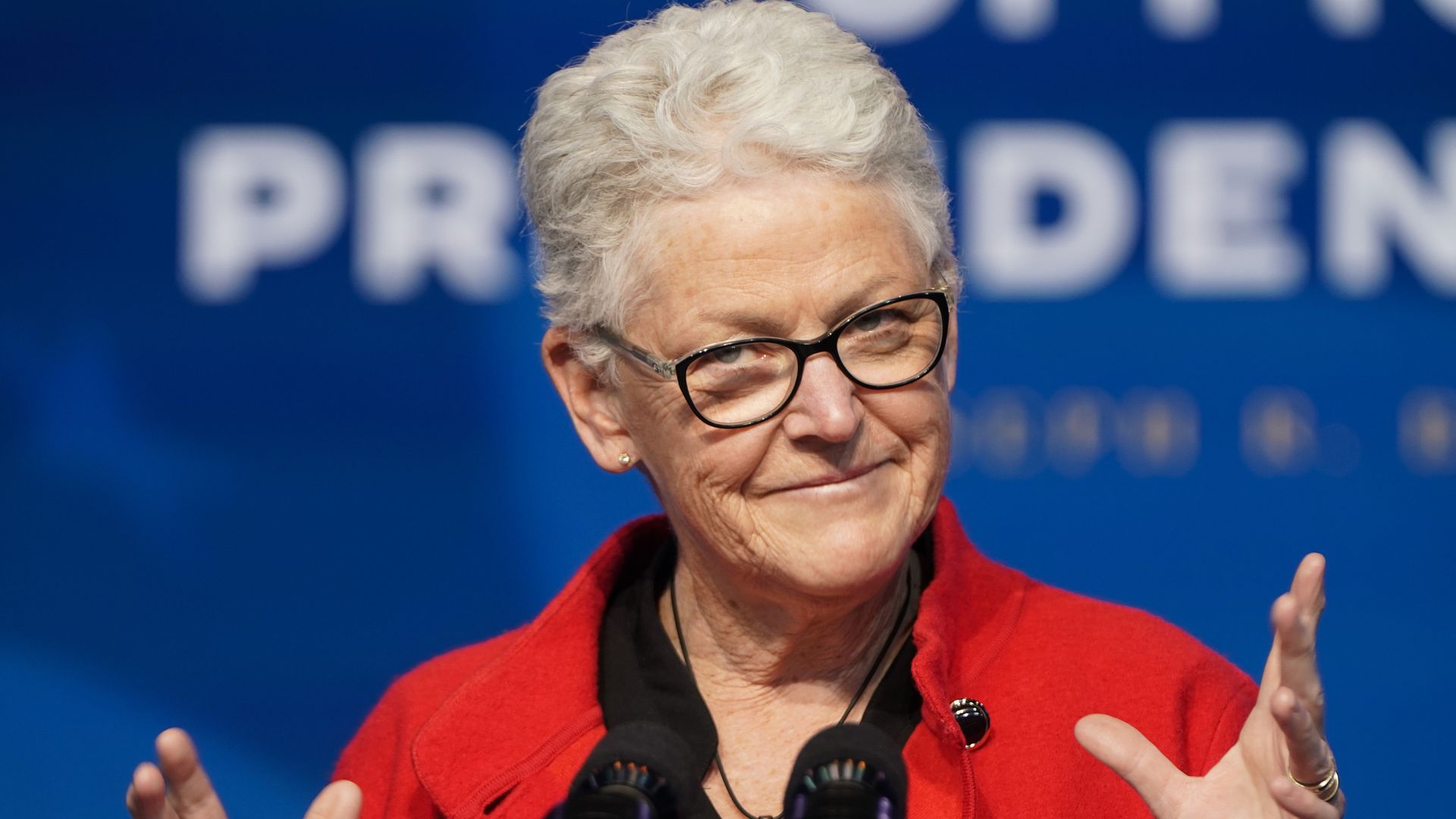
President Biden's senior domestic climate official met with top oil-and-gas executives Monday as the industry braces for White House emissions policies.
Why it matters: A White House summary claims they're seeking common ground with the sector.
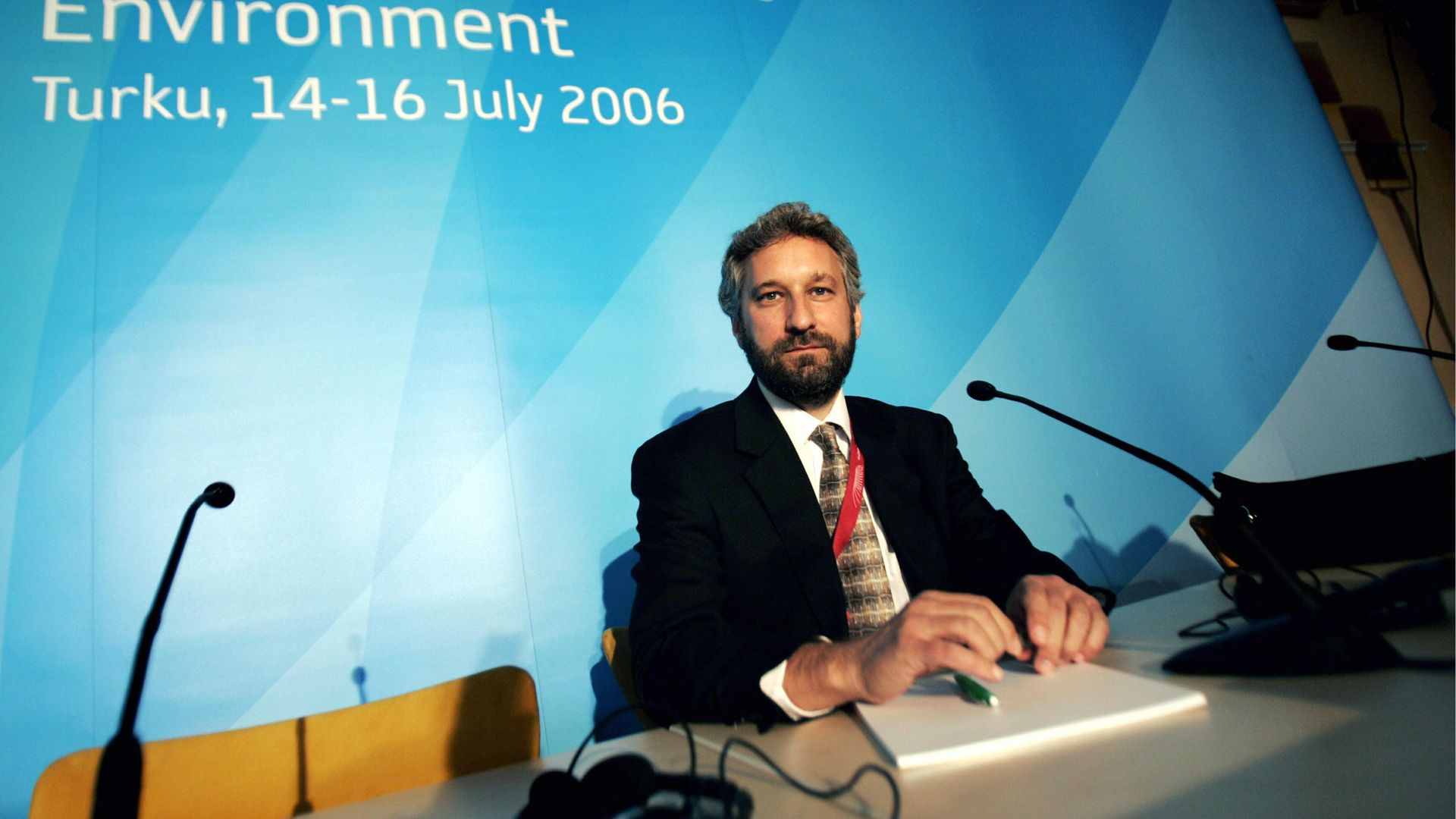
Elliot Diringer, a well-known figure in climate diplomacy circles, has joined the State Department as the Biden administration looks to step up global collaboration.
Driving the news: Diringer's auto-reply email at the Center for Climate and Energy Solutions (C2ES), where he had long been a senior executive vice president, says he began the job on Feb. 18.
The White House is starting to fill in some of the blanks on plans to push an infrastructure package with climate and energy provisions.
Driving the news: President Biden is considering using budget reconciliation two more times this year to pass up to $3 trillion in spending aimed at core priorities, including infrastructure, climate change, education, taxes and health care, Axios' Hans Nichols and Alayna Treene report.
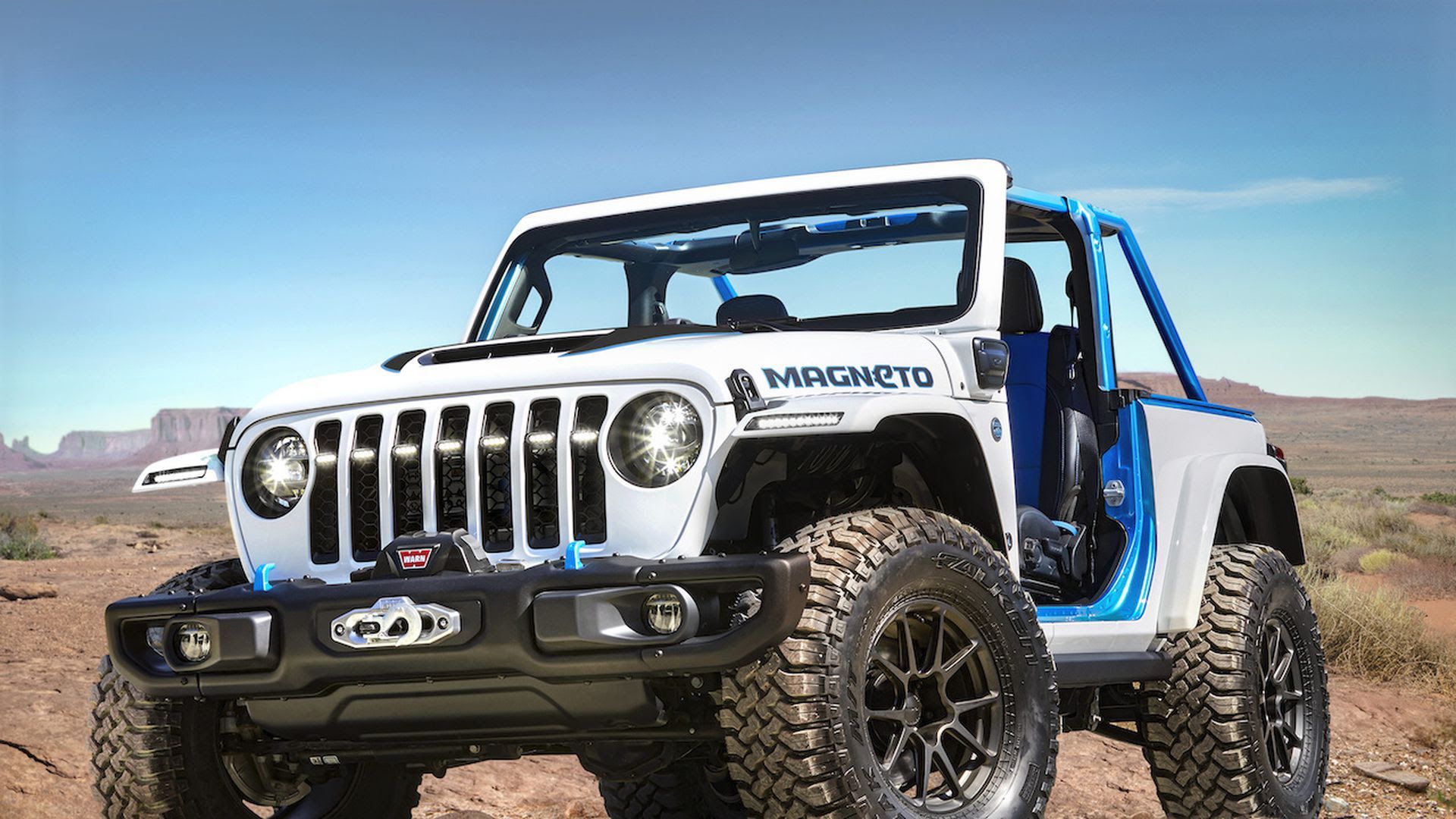
That image above is the Jeep Wrangler "Magneto," an electric concept Jeep's calling a "stealthy, quiet, quick and an unmistakable rock-climbing force."
The details: 285 horsepower and the concept vehicle can go from 0-60 mph in 6.8 seconds, Jeep said.