Nikola Corp., a company planning to build electric and hydrogen fuel-cell trucks, posted an $86.6 million quarterly net loss Tuesday in what was its first earnings report after going public in June.
Why it matters: Nikola is attracting lots of attention for plans to build a line of semi-trucks, as well as a pickup, in the coming years as it tries to break through in those fledgling markets.
Spin, the Ford-owned electric scooter company, said Wednesday that it will find a way to cut more carbon emissions than it creates by 2025.
Why it matters: It's a fairly quick time frame, which means lots of tangible stuff needs to happen soon. It also comes as "micro-mobility" services are emerging as a wildcard in urban carbon emissions.
U.S. oil production's nearly 2 million barrel per day decline in May was the steepest monthly drop since at least 1980, the federal Energy Information Administration said in a short report.
Why it matters: The agency's monthly production data, which is more robust than weekly snapshots but arrives with a lag, starkly shows the toll the pandemic took on U.S. output after the price collapse caused a major pullback. Some of the lost output has recently returned as prices improved, but production is expected to remain depressed.
WTI, the benchmark U.S. oil future, traded Wednesday morning at its highest since early March — highlighting how the worst of shale's crisis is seemingly over, though more bankruptcies likely lie ahead.
Why it matters: Its price at the time — $43 — is still too low for many producers to do well, though it varies from company to company.
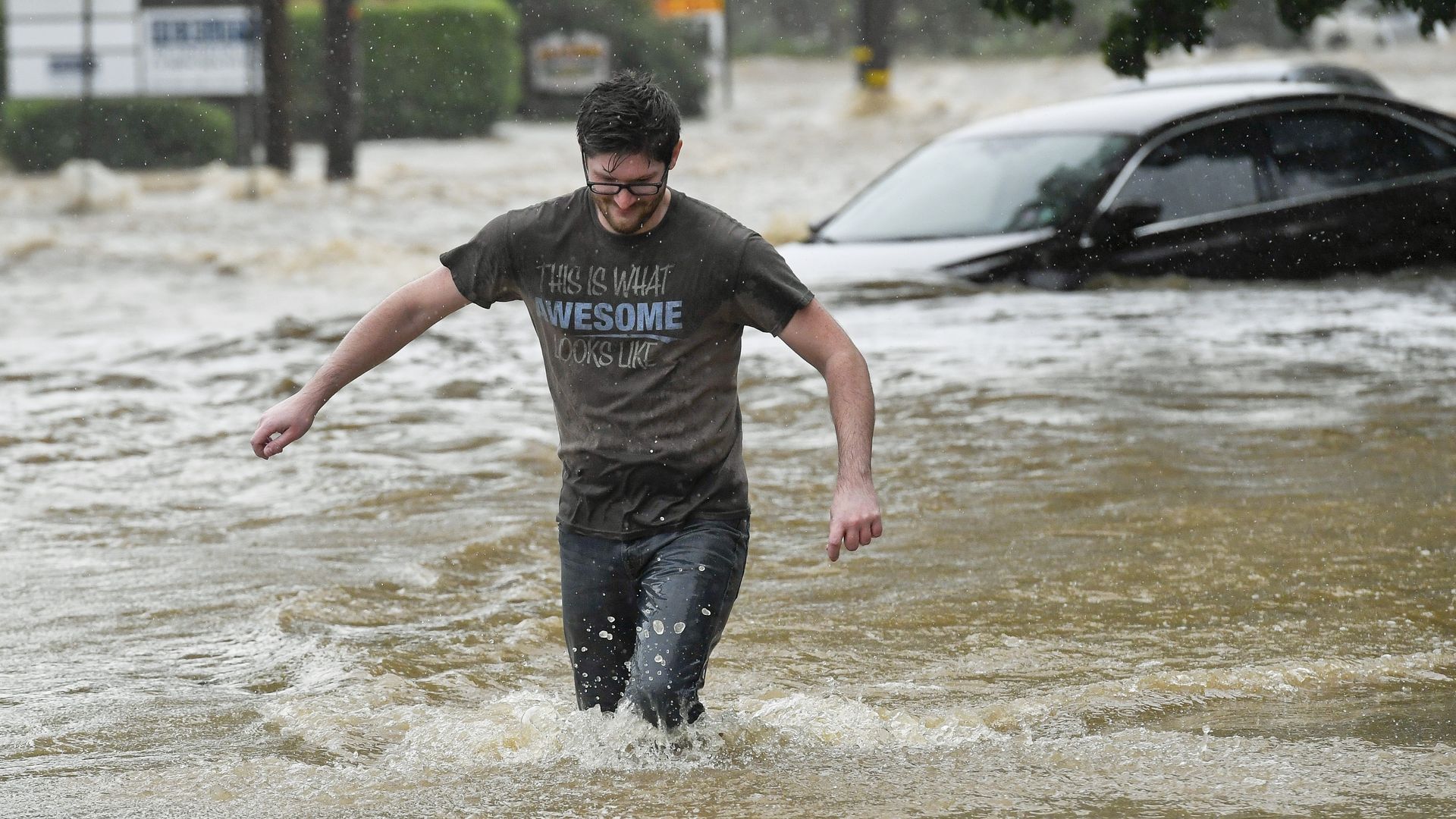
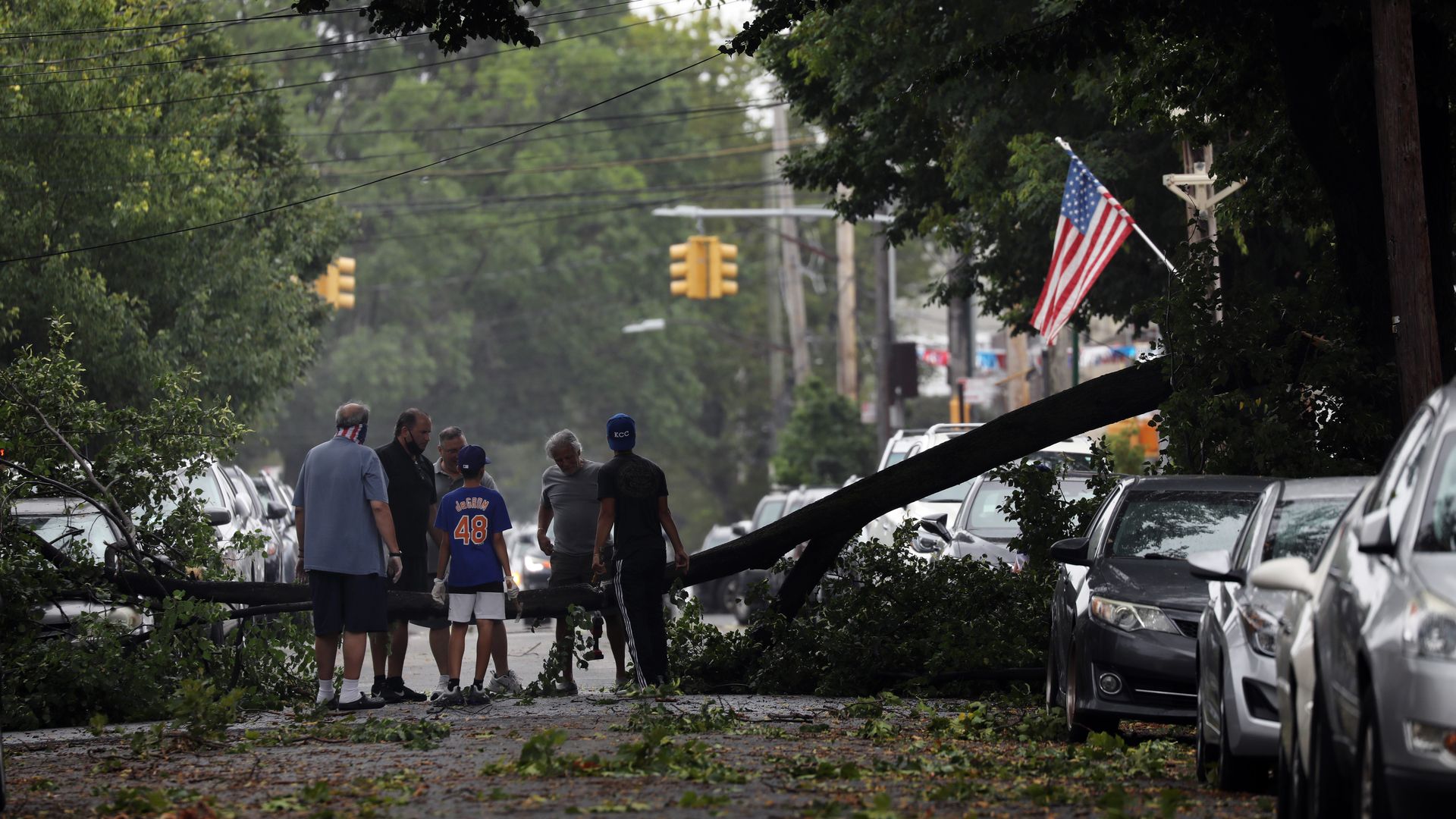
Isaias became a post-tropical cyclone as it moved into southeast Canada late Tuesday after pummeling the East Coast for much of the day with heavy rains and wind —trigging tornadoes, floods and leaving millions without power. At least six people have lost their lives in the storm.
The big picture: Isaias made landfall as a Category 1 hurricane in North Carolina late Monday before being downgraded. It dumped heavy rain across Florida as a tropical storm over the weekend. On July 31, it lashed the Bahamas and parts of Puerto Rico and the Dominican Republic as a Category 1 hurricane.
Isaias became a post-tropical cyclone as it moved into southeast Canada late Tuesday, after spending much of the day lashing the East Coast with heavy rain and spawning tornadoes, per a National Hurricane Center (NHC) update at 11 p.m.
The latest: The NHC warned tropical storm conditions were expected "for a few more hours" along portions of the New England coast. The storm that's killed at least six people and left over 3 million customers without power in New York, New Jersey, Pennsylvania, North Carolina, Delaware, Virginia and Maryland, per Poweroutage.us.
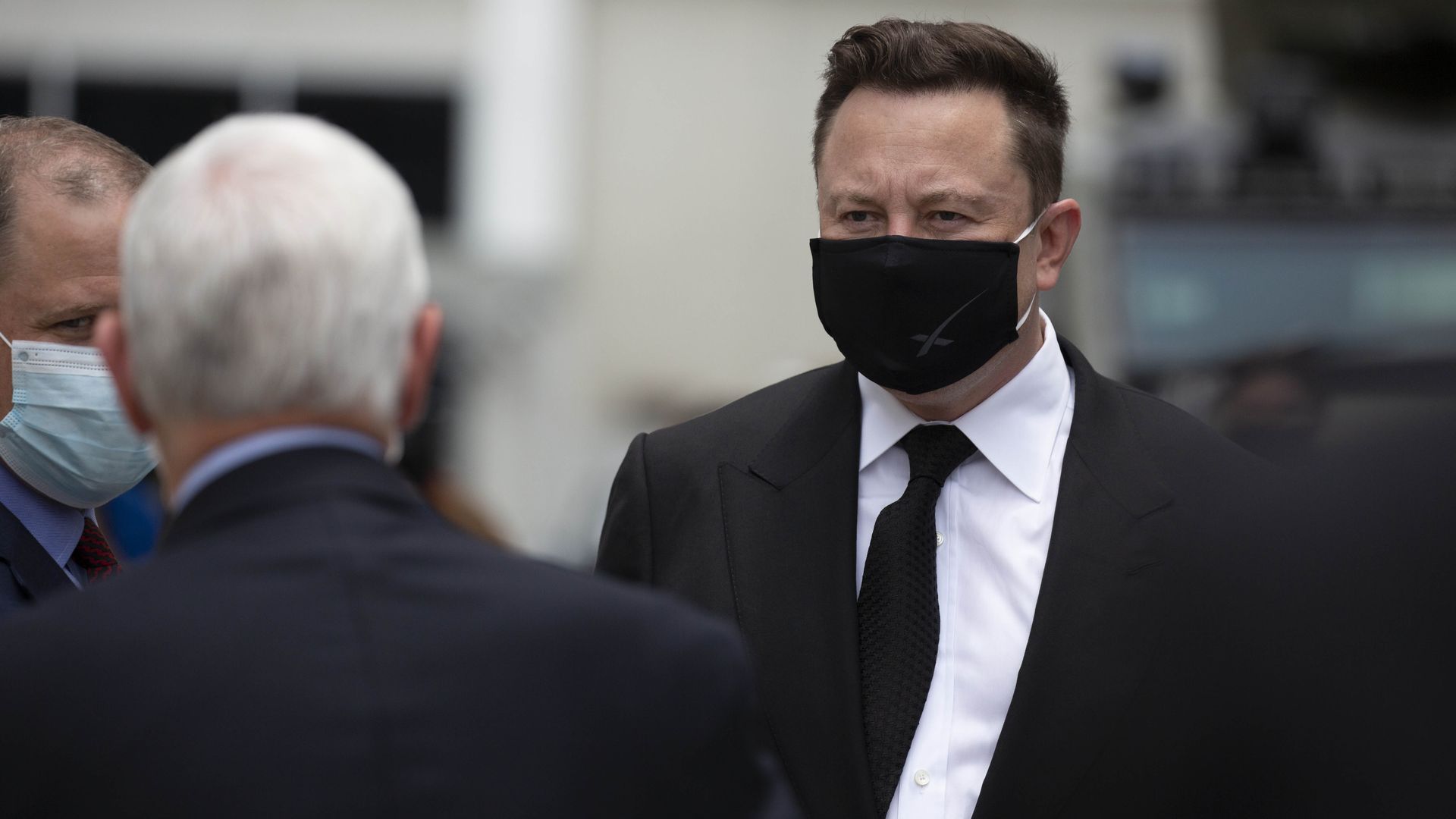
Tesla CEO Elon Musk appears to be open to the idea that the blocky, sci-fi looking Cybertruck might not light the pickup truck market on fire.
Driving the news: Musk, in an interview with Automotive News, said building a more conventional-looking pickup is a "fallback strategy" if things don't work out for the Cybertruck that's slated to begin production next year.
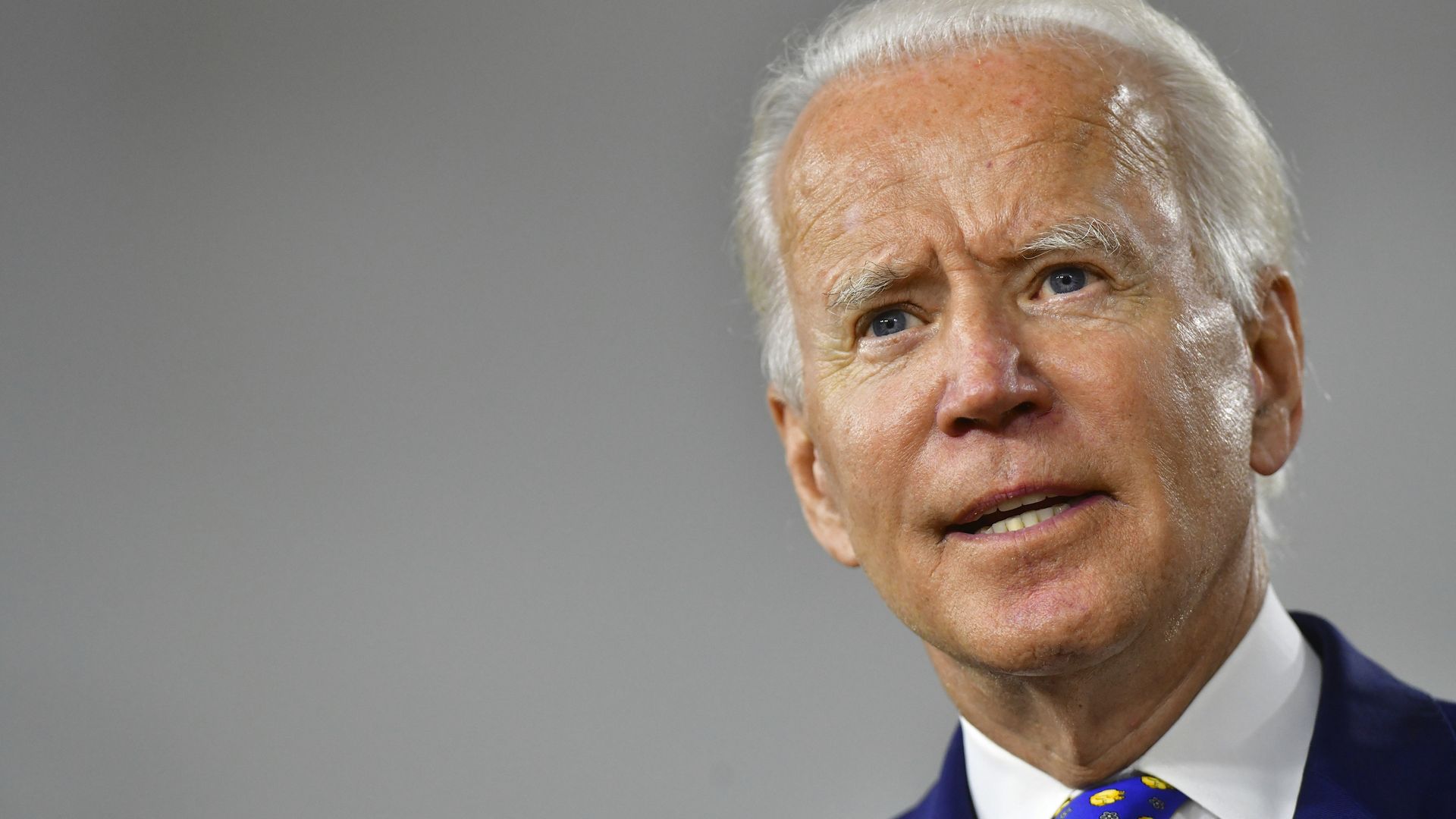
A new post from UC Berkeley's Energy Institute at Haas looks broadly at Joe Biden's revised climate plan, including the goal of achieving 100% carbon-free U.S. power by 2035.
The intrigue: Flashback for a moment to a June study co-authored by Berkeley analysts that found a cost-effective case for achieving 90% power sector decarbonization by 2035. But, what about the remaining 10%?
A substantial number of low-income households are having difficulty paying their energy bills during the COVID-19 pandemic — with families of color and those with young children especially hard hit, according to recent Indiana University research.
The big picture: YouGov conducted a survey of 2,381 respondents from low-income households in May (overall margin of error is about 2%) and found that 13% had been unable to pay an energy bill during the prior month.
BP posted a $6.7 billion second-quarter loss and cut its dividend in half Tuesday while unveiling accelerated steps to transition its portfolio toward low-carbon sources.
Why it matters: The announcement adds new targets and details to its February vow to become a "net-zero" emissions company by mid-century.
President Trump told reporters on Monday that he had fired Tennessee Valley Authority (TVA) chair Skip Thompson after signing an executive order that targeted the federally owned company for outsourcing jobs to foreign countries.
Why it matters: TVA generates electricity and provides flood control and electricity generation for a region that covers most of Tennessee as well as sections of Mississippi, Kentucky, Alabama, Georgia, Virginia and North Carolina, AP reports.