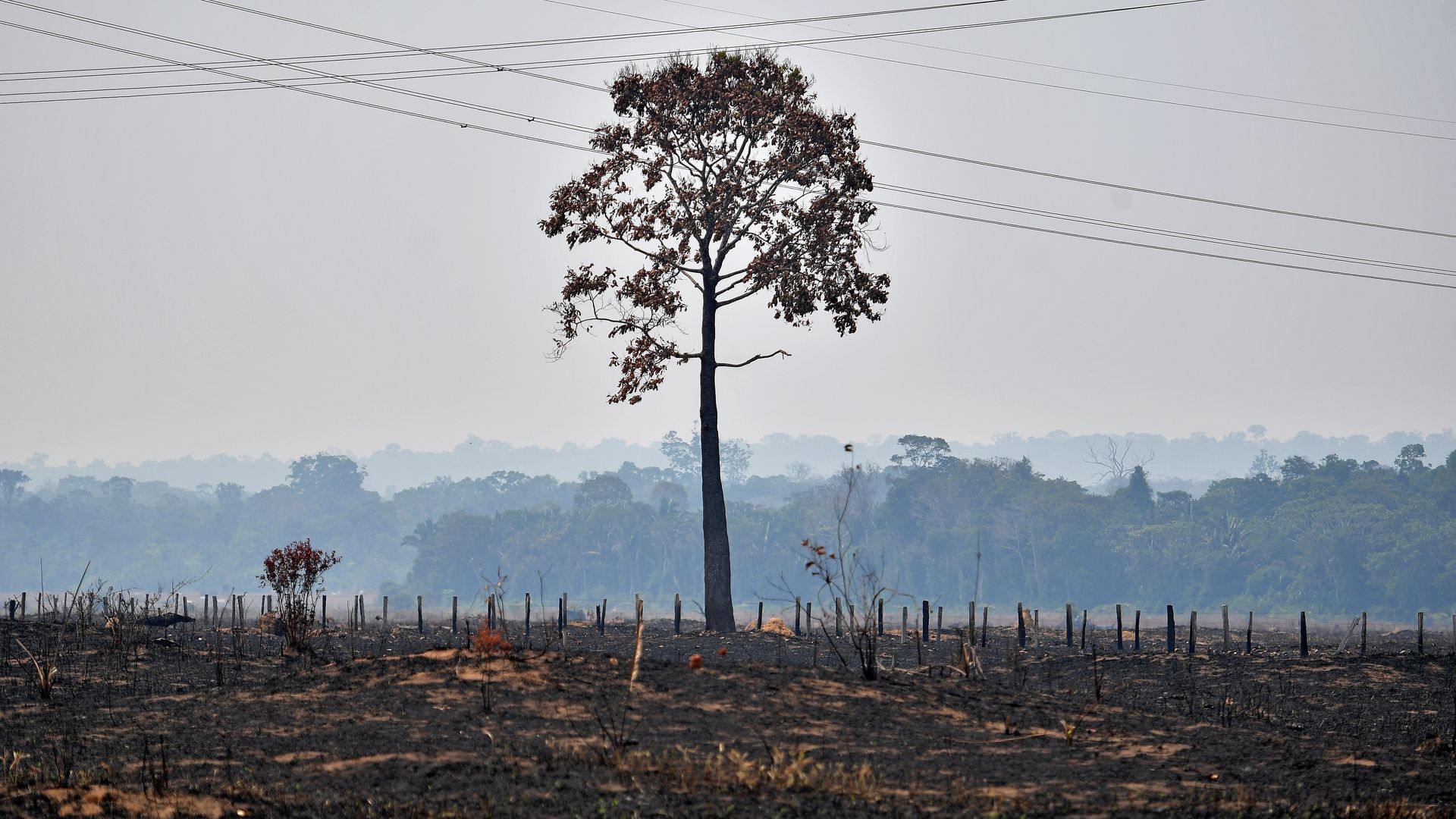
Paving a Brazilian highway that runs through the Amazon without environmental studies could lead to massive deforestation and release of carbon dioxide into the atmosphere, two scientists warn in a letter published in Science Thursday.
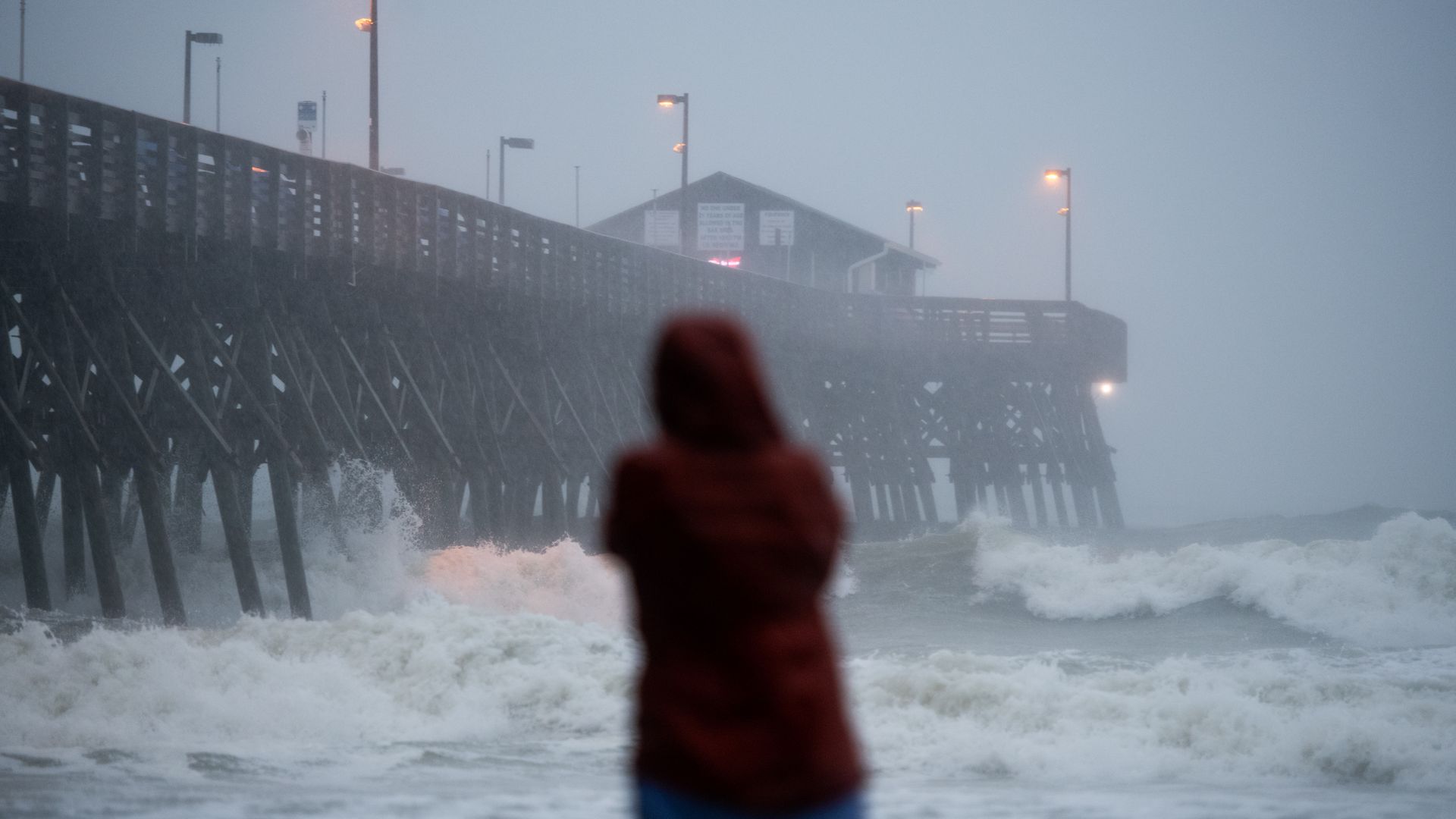
National Oceanic and Atmospheric Administration forecasters warned Thursday of the potential for an "extremely active" hurricane season in the Atlantic.
The big picture: The agency expects 19 to 25 named storms — with three to six major hurricanes — during the six-month hurricane season, which ends Nov. 30. The average season produces only 12 named storms.
Coal giant Peabody Energy is writing down the value of its huge North Antelope Rochelle Mine in Wyoming by $1.42 billion, the company announced yesterday.
Why it matters: It's the world's largest coal mine, per several reports, and the write-down is a stark sign of the coal sector's wider struggles in a changing power mix.
Joe Biden's climate posture is a political winner in four states where Senate races and the presidential contest are competitive, per new polling from progressive think tank Data for Progress.
Why it matters: Biden has tethered the spending portion of his energy and climate platform to his wider economic response to the coronavirus pandemic, which could mean a quick push for legislative action if he wins.
Two new stories, taken together, highlight the political push-pull around Joe Biden's climate and energy plans.
Driving the news:Bloomberg reported on Wednesday that some left activists "want Biden to distance himself from former Obama administration advisers they view as either too moderate or too cozy with the fossil fuel industry."
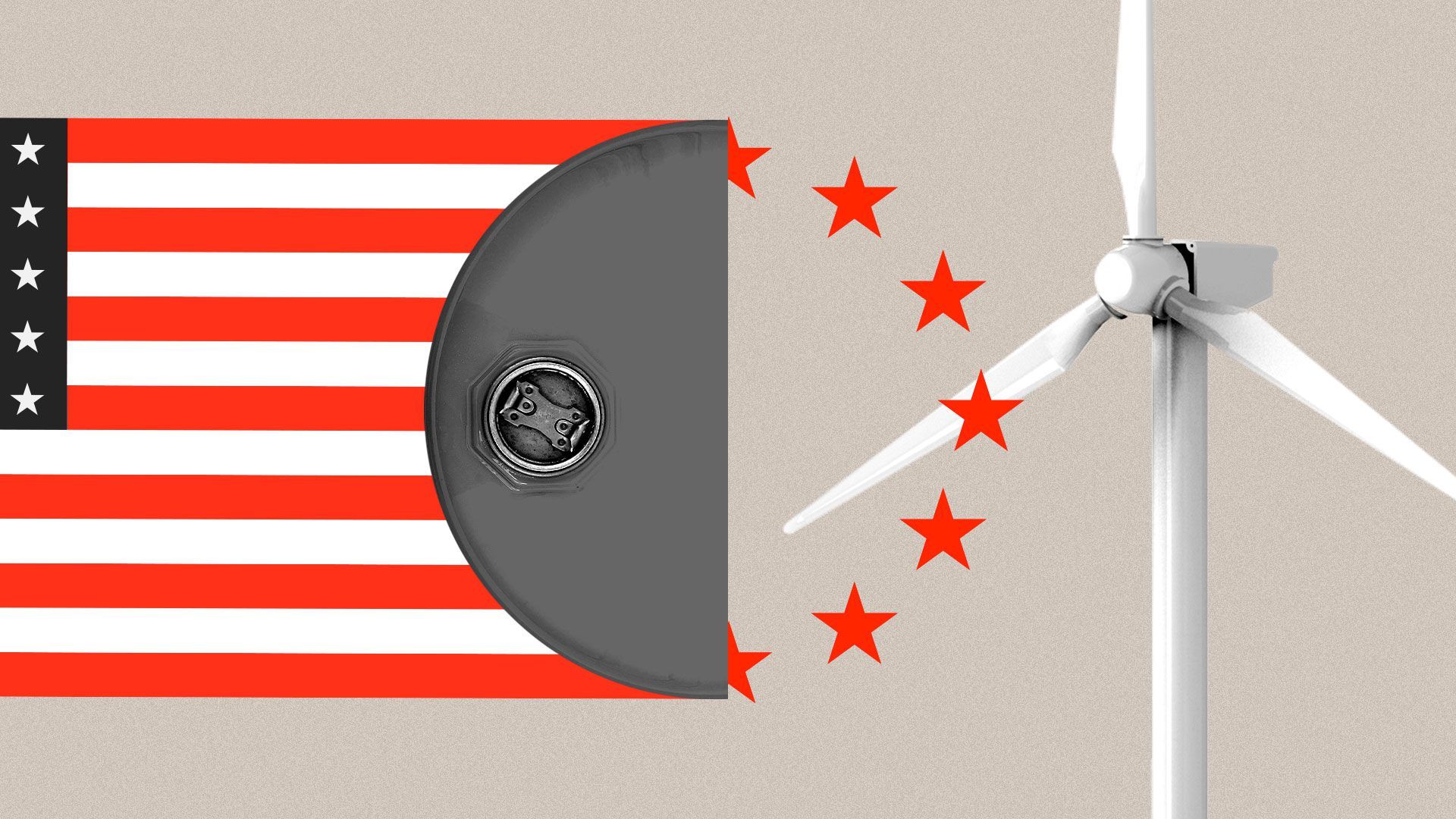
The pandemic is accelerating a divide between European and American oil companies over climate change and clean energy.
Why it matters: Bottom lines and investor returns will be vastly different across the corporate spectrum depending on how aggressively the world tackles climate change in the coming decades.
Nikola Corp., a company planning to build electric and hydrogen fuel-cell trucks, posted an $86.6 million quarterly net loss Tuesday in what was its first earnings report after going public in June.
Why it matters: Nikola is attracting lots of attention for plans to build a line of semi-trucks, as well as a pickup, in the coming years as it tries to break through in those fledgling markets.
Spin, the Ford-owned electric scooter company, said Wednesday that it will find a way to cut more carbon emissions than it creates by 2025.
Why it matters: It's a fairly quick time frame, which means lots of tangible stuff needs to happen soon. It also comes as "micro-mobility" services are emerging as a wildcard in urban carbon emissions.
U.S. oil production's nearly 2 million barrel per day decline in May was the steepest monthly drop since at least 1980, the federal Energy Information Administration said in a short report.
Why it matters: The agency's monthly production data, which is more robust than weekly snapshots but arrives with a lag, starkly shows the toll the pandemic took on U.S. output after the price collapse caused a major pullback. Some of the lost output has recently returned as prices improved, but production is expected to remain depressed.
WTI, the benchmark U.S. oil future, traded Wednesday morning at its highest since early March — highlighting how the worst of shale's crisis is seemingly over, though more bankruptcies likely lie ahead.
Why it matters: Its price at the time — $43 — is still too low for many producers to do well, though it varies from company to company.
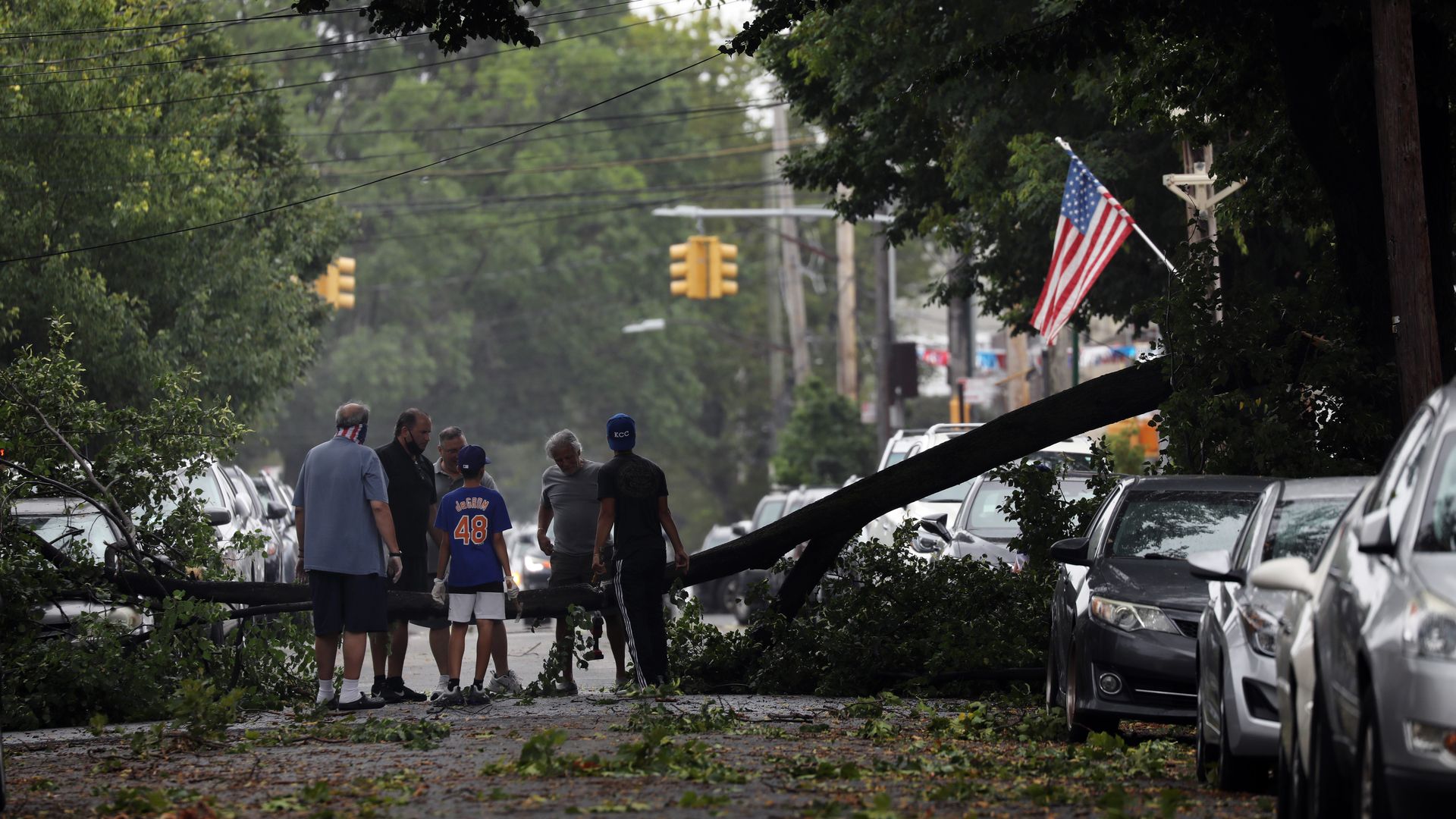
Isaias became a post-tropical cyclone as it moved into southeast Canada late Tuesday after pummeling the East Coast for much of the day with heavy rains and wind —trigging tornadoes, floods and leaving millions without power. At least six people have lost their lives in the storm.
The big picture: Isaias made landfall as a Category 1 hurricane in North Carolina late Monday before being downgraded. It dumped heavy rain across Florida as a tropical storm over the weekend. On July 31, it lashed the Bahamas and parts of Puerto Rico and the Dominican Republic as a Category 1 hurricane.
Isaias became a post-tropical cyclone as it moved into southeast Canada late Tuesday, after spending much of the day lashing the East Coast with heavy rain and spawning tornadoes, per a National Hurricane Center (NHC) update at 11 p.m.
The latest: The NHC warned tropical storm conditions were expected "for a few more hours" along portions of the New England coast. The storm that's killed at least six people and left over 3 million customers without power in New York, New Jersey, Pennsylvania, North Carolina, Delaware, Virginia and Maryland, per Poweroutage.us.