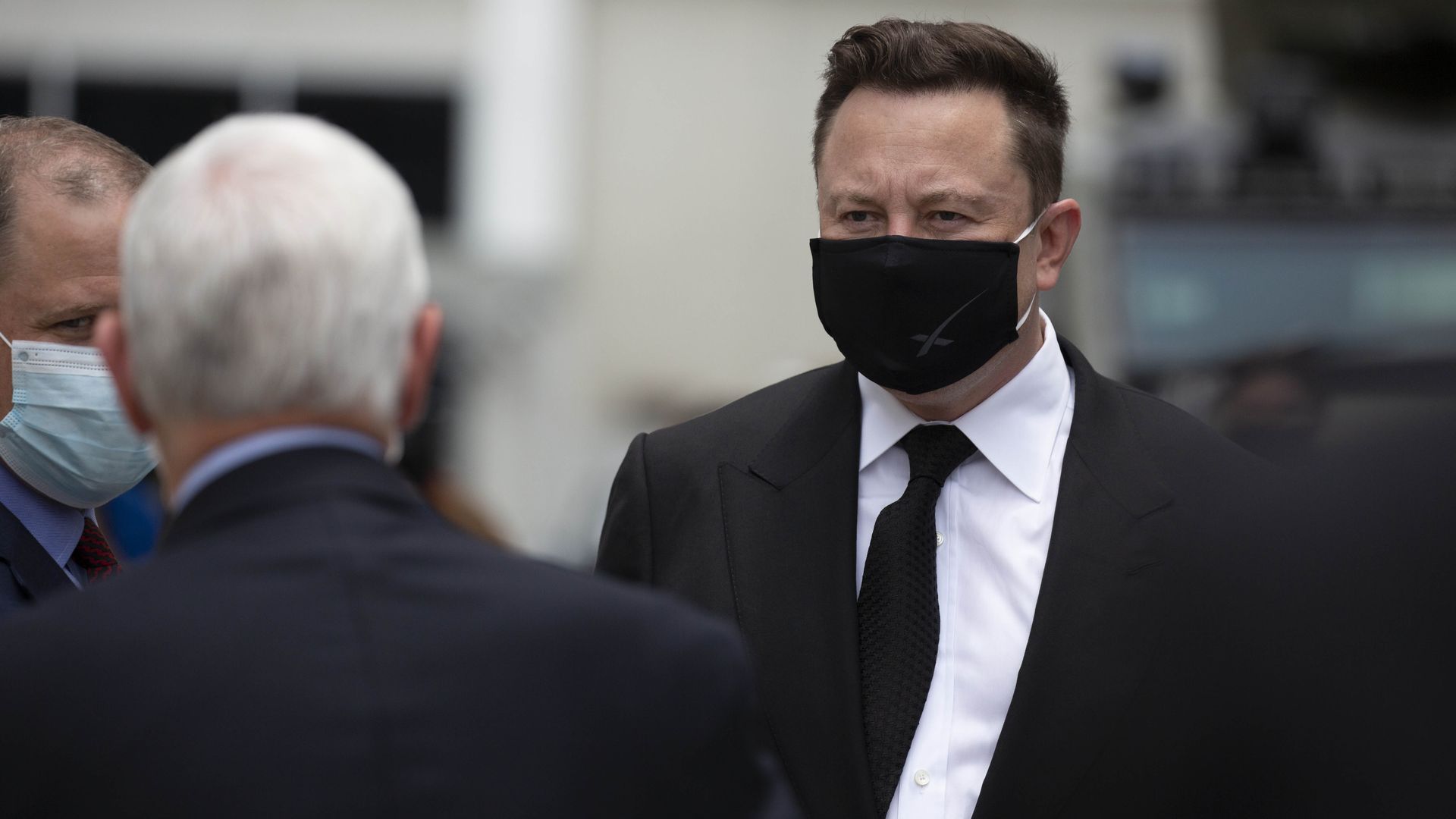
Tesla CEO Elon Musk appears to be open to the idea that the blocky, sci-fi looking Cybertruck might not light the pickup truck market on fire.
Driving the news: Musk, in an interview with Automotive News, said building a more conventional-looking pickup is a "fallback strategy" if things don't work out for the Cybertruck that's slated to begin production next year.
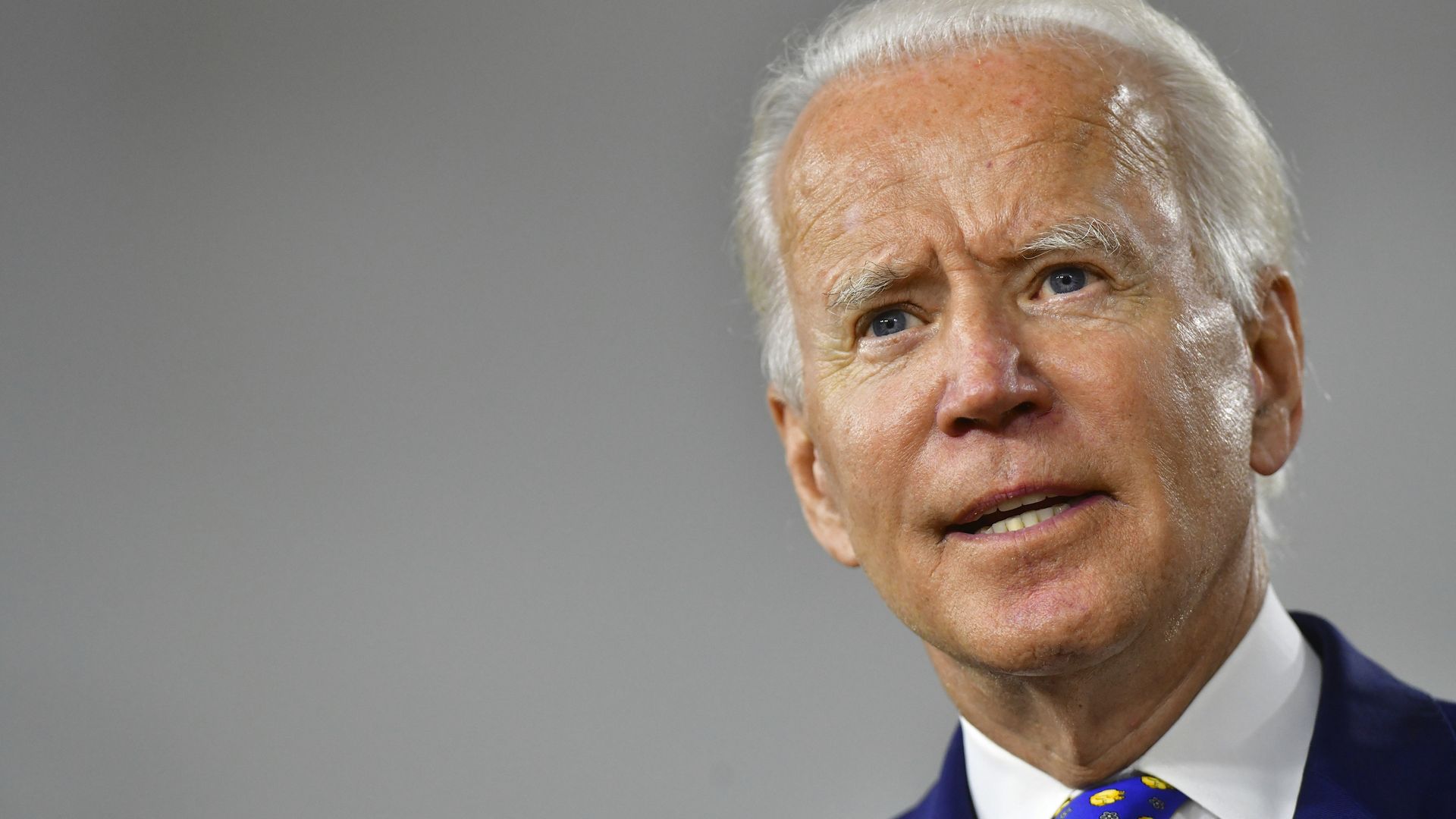
A new post from UC Berkeley's Energy Institute at Haas looks broadly at Joe Biden's revised climate plan, including the goal of achieving 100% carbon-free U.S. power by 2035.
The intrigue: Flashback for a moment to a June study co-authored by Berkeley analysts that found a cost-effective case for achieving 90% power sector decarbonization by 2035. But, what about the remaining 10%?
A substantial number of low-income households are having difficulty paying their energy bills during the COVID-19 pandemic — with families of color and those with young children especially hard hit, according to recent Indiana University research.
The big picture: YouGov conducted a survey of 2,381 respondents from low-income households in May (overall margin of error is about 2%) and found that 13% had been unable to pay an energy bill during the prior month.
BP posted a $6.7 billion second-quarter loss and cut its dividend in half Tuesday while unveiling accelerated steps to transition its portfolio toward low-carbon sources.
Why it matters: The announcement adds new targets and details to its February vow to become a "net-zero" emissions company by mid-century.
President Trump told reporters on Monday that he had fired Tennessee Valley Authority (TVA) chair Skip Thompson after signing an executive order that targeted the federally owned company for outsourcing jobs to foreign countries.
Why it matters: TVA generates electricity and provides flood control and electricity generation for a region that covers most of Tennessee as well as sections of Mississippi, Kentucky, Alabama, Georgia, Virginia and North Carolina, AP reports.
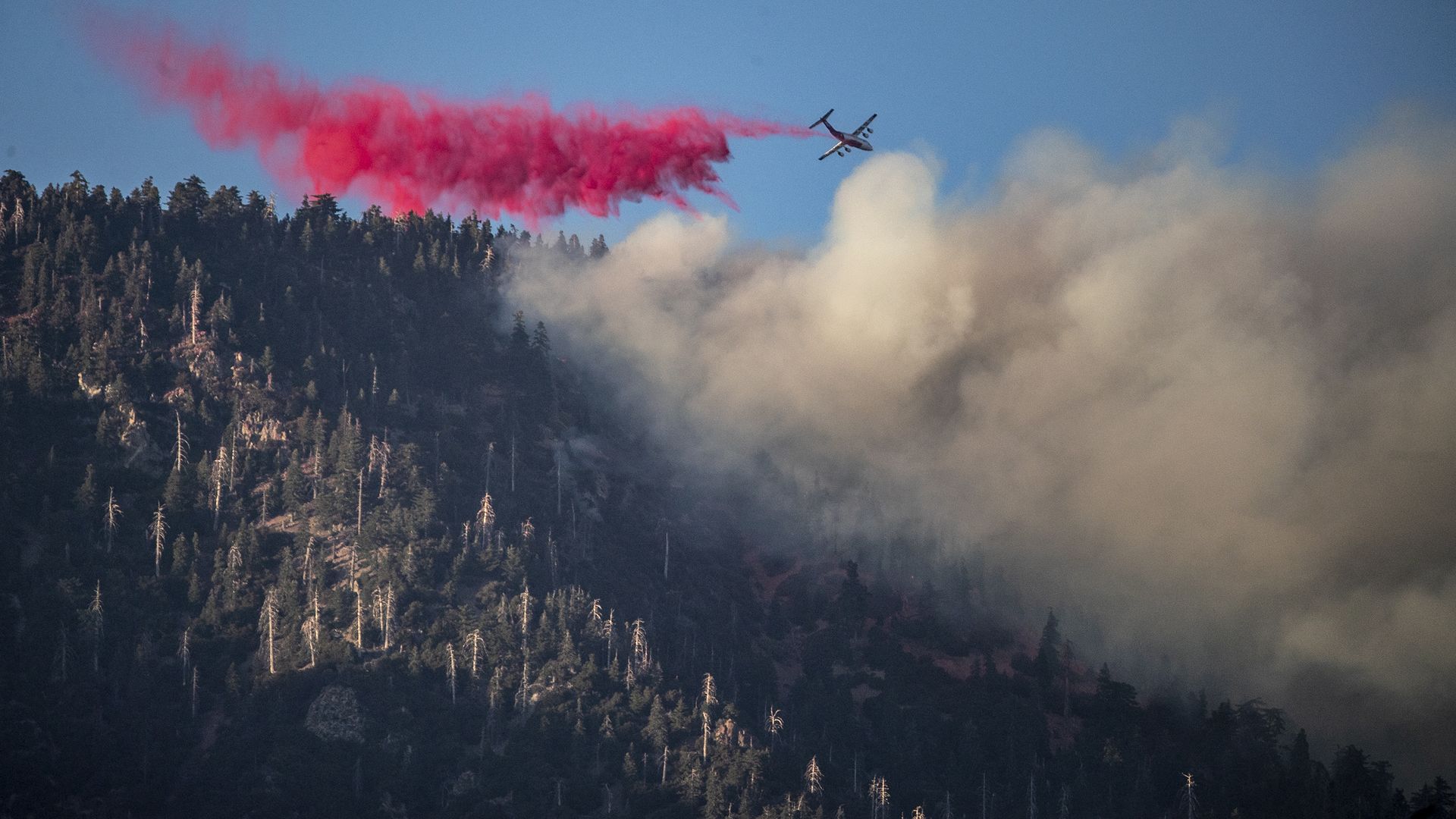
The big picture: As California remains an epicenter of the coronavirus pandemic in the U.S., some 15 separate fires are raging across the state. About 7,800 people were under evacuation orders from the Apple Fire, about 75 miles east of Los Angeles, as hundreds of firefighters battled the blaze. CalFire said Monday that a malfunction involving a "diesel-fueled vehicle emitting burning carbon from the exhaust system" started the Apple Fire.
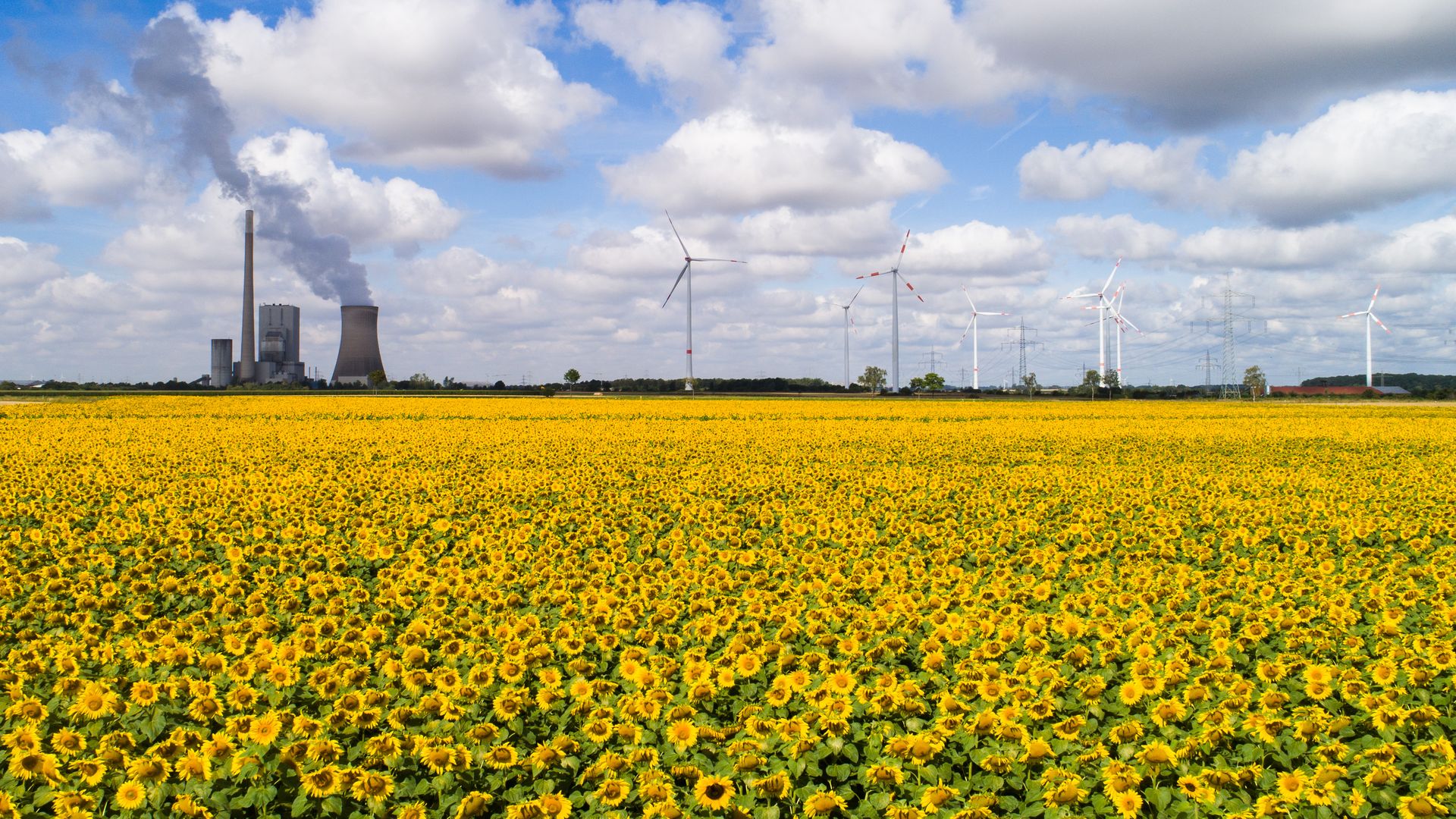
The global amount of coal-fired power generating capacity fell slightly in the first half of 2020 as plant closures outpaced additions, per new data Monday from the group Global Energy Monitor.
Why it matters: It's the first half-year decline on record, Christine Shearer, the group's coal program director, writes in Carbon Brief. Coal-fired power plants are a huge source of global CO2 emissions.
Lordstown Motors is about to become the latest electric vehicle startup to go public via purchase by a special purpose acquisition company (SPAC), the transaction structure that's fast becoming an alternative to IPOs.
The state of play: Lordstown, which plans to build a pickup truck at a former GM plant in Ohio, on Monday announced a merger agreement with DiamondPeak Holdings. The deal will provide $675 million in proceeds to help fund production of the Endurance, a model Lordstown hopes to launch in 2021 aimed largely at the commercial fleet market.
Refining giant Marathon Petroleum Corp. announced late Sunday that it's selling its Speedway retail gasoline stations and convenience stores to 7-Eleven, Inc. in a $21 billion cash deal.
The Trump administration recently touted its approval of America’s first terminal on the West Coast to export liquefied natural gas. There’s just one problem: It probably won’t be built.
Why it matters: The project in southern Oregon faces political and business hurdles serious enough that those who are following it say it will be shelved. Its problems embody the struggles facing a once-promising sector that'snow struggling under the weight of the pandemic and more.