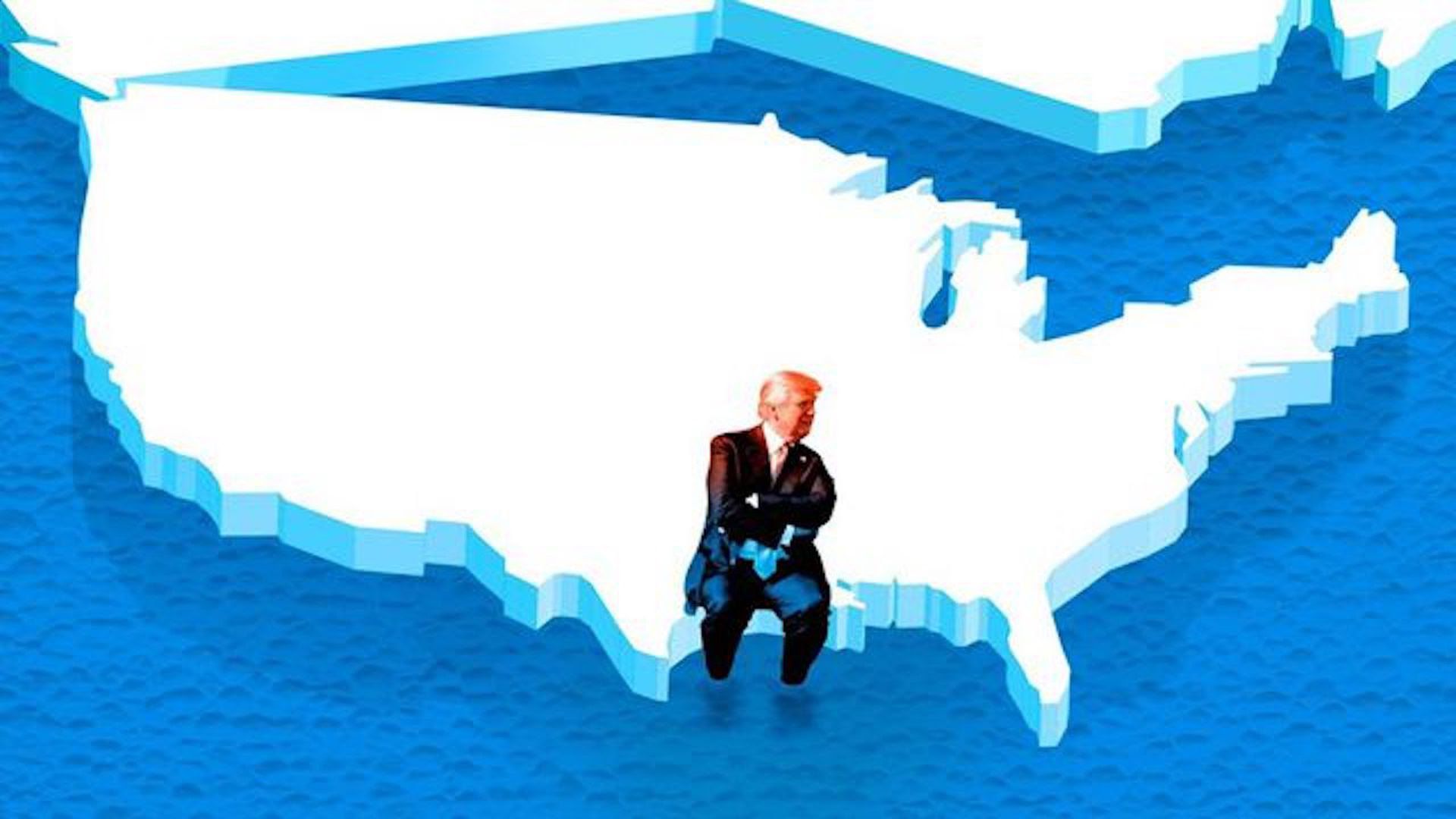
In golf, you don't want to be in the "tall grass." So far in 2019, the same rule applies to private equity's energy sector investments.
Driving the news: The Blackstone Group earlier this year invested $3.3 billion for a 44% stake in Tallgrass Energy, a Kansas-based midstream energy infrastructure company. But the stock has tanked since then, with Blackstone now opting to double down by offering to take over the entire company.
Elon Musk promised thousands of jobs and a solar energy revolution in upstate New York. But it hasn't worked out as planned, even though taxpayers already shelled out $750 million. Dan digs into the troubles for Tesla subsidiary SolarCity with Vanity Fair's Bethany McLean, who says, "Tesla is a religious war between the believers and the doubters."
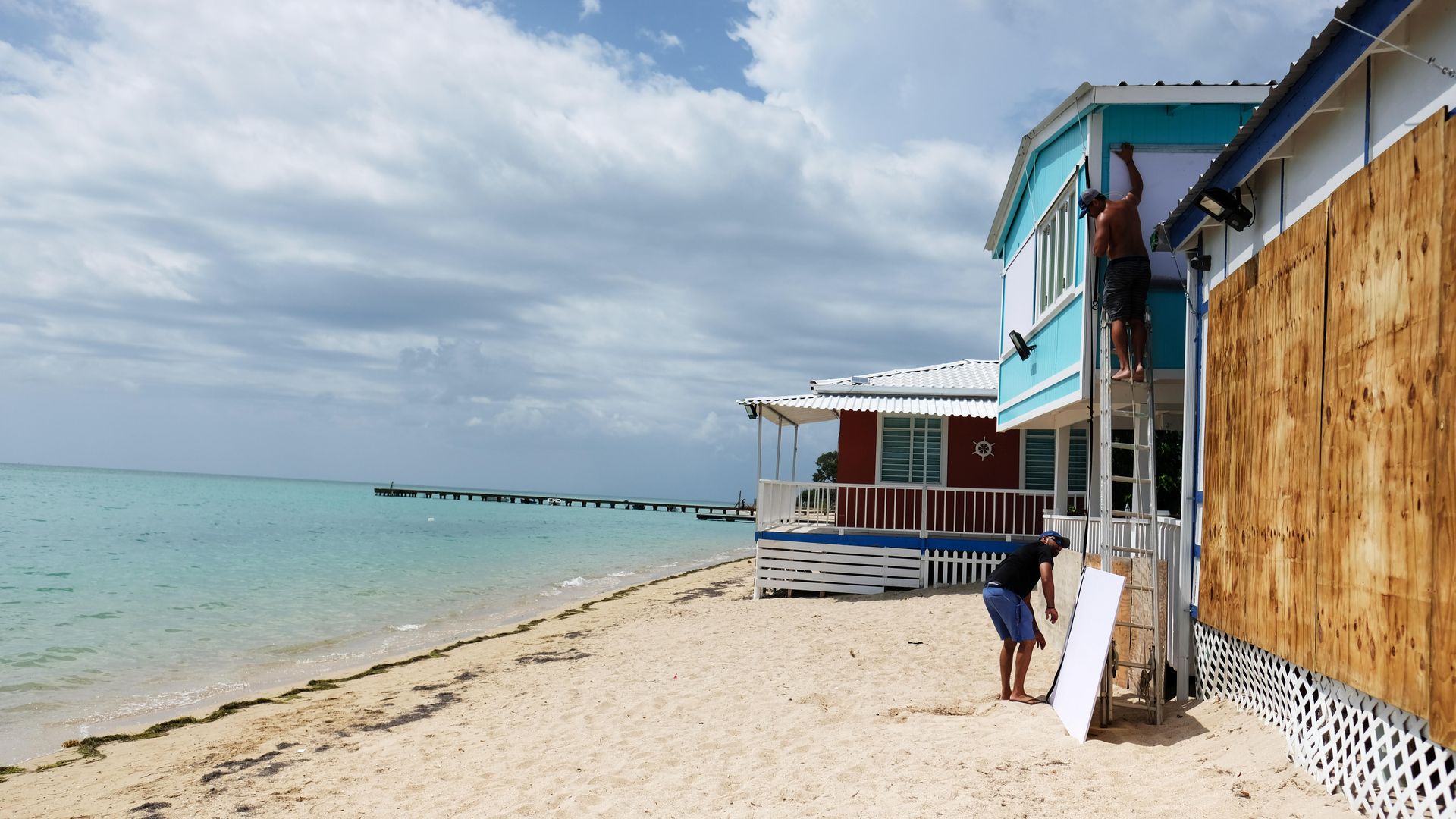
President Trump has approved an emergency declaration for Puerto Rico to enable federal assistance, with Tropical Storm Dorian fast approaching and the U.S. territory on hurricane watch — as forecasters warn it could take a direct hit Wednesday.
Why it matters: Puerto Rico is struggling to recover from Hurricane Maria. It declared bankruptcy in 2017 amid "the biggest government financial collapse in United States history." Puerto Rico Gov. Wanda Vázquez Garced has already signed an executive order declaring a state of emergency on the island, per Bloomberg's Michael Deibert.
CNN on Tuesday released new details for what will be a first-of-its-kind 7-hour town hall focused on climate change on Sept. 4.
Why it matters: Climate activists were enraged at the Democratic National Committee last week for voting down a proposed presidential debate centered solely on climate change. While the town hall will not offer the head-to-head format activists have sought, it does offer some platform for an issue that spent much of the 2016 campaign on the back burner. An April CNN poll showed that 96% of Democrats favor taking "aggressive action" to combat the issue.
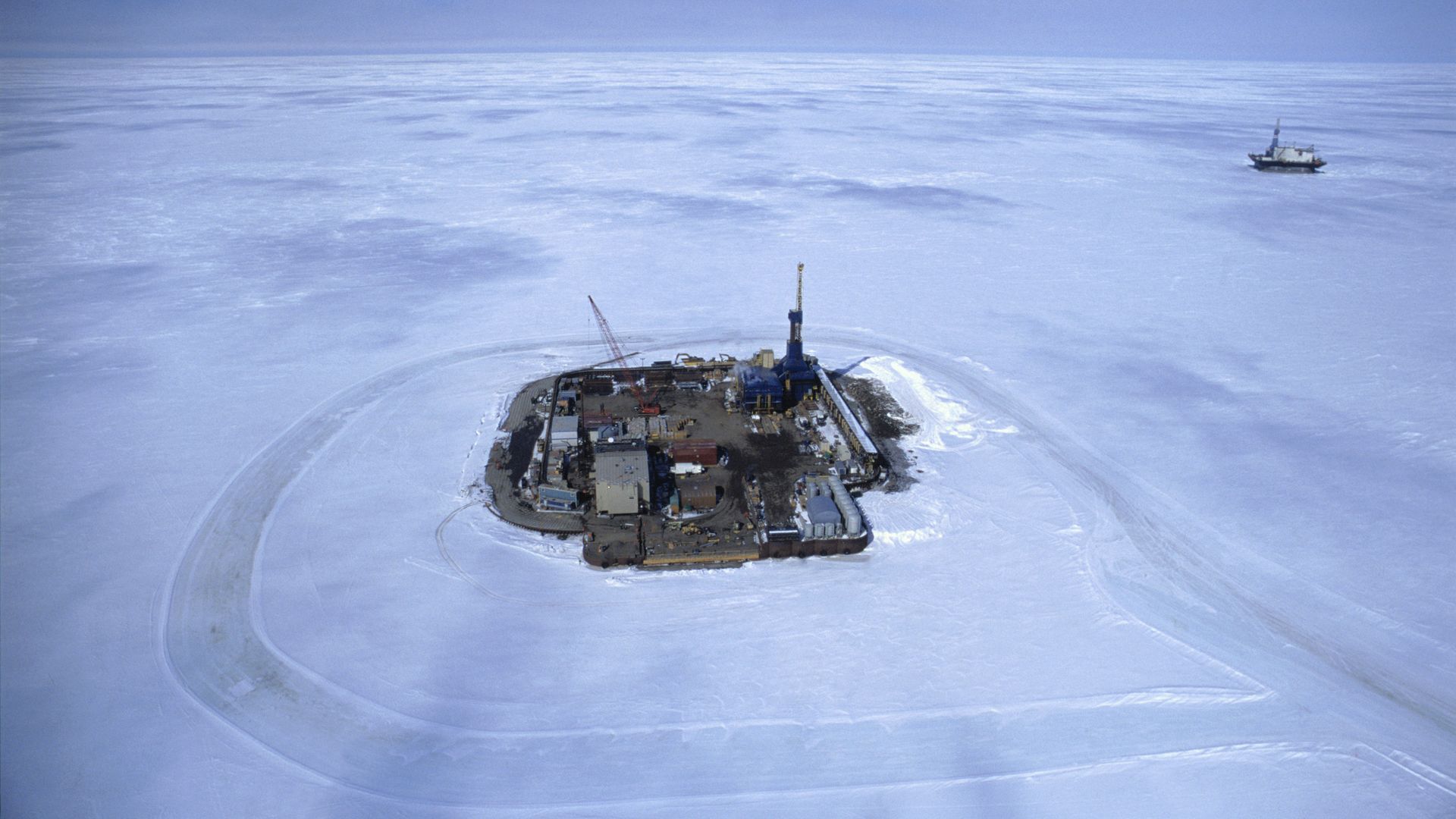
BP is selling its oil-and-gas assets in Alaska to Hilcorp Alaska in a $5.6 billion deal that will end its decades-long run as a huge player in the state.
Why it matters: It's a stark sign of the oil giant's repositioning, including its increasing presence in the shale patch in the Lower 48. BP bought BHP's Billiton's U.S. shale assets last year in a $10.5 billion deal.
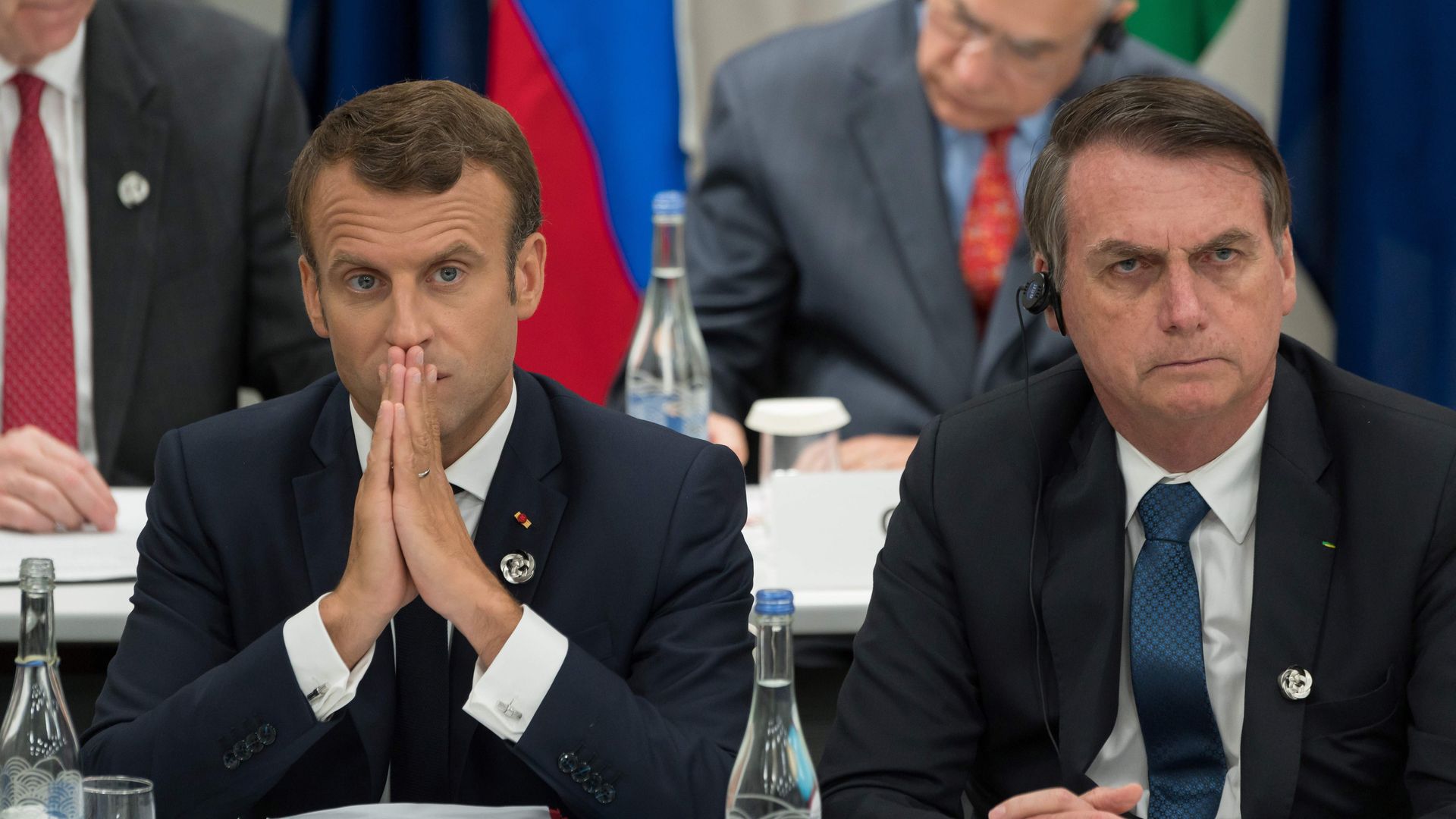
Brazil's President Jair Bolsonaro has said he will only accept a $20 million aid package from G7 nations to fight fires in the Amazon rainforest if French President Emmanuel Macron apologizes, according to the AP.
The big picture: Macron and Brazilian President Jair Bolsonaro have traded barbs on Twitter over the fate of the Amazon, which has seen an 84% increase in wildfires this year compared to 2018. Bolsonaro has described the offer of international help as a “colonialist mentality," while Macron has questioned the Brazilian president's commitment to environmentalism. Per the AP, Bolsonaro says Macron must take back some of his comments "and then we can speak."
Toyota, which has a partnership with Tokyo's 2020 Summer Olympics, has announced the slate of electric vehicles that will be used to move fans, athletes and others around the games.
By the numbers: The auto giant said that it's providing 3,700 "mobility products and/or vehicles" for the Olympic and Paralympic Games. 90% will be electrified in some way, including roughly 850 fully battery-powered vehicles and 500 fuel-cell vehicles, the automaker said Friday. The "e-Palette" will "support transportation needs of staff and athletes, with a dozen or more running on a continuous loop within the Olympic and Paralympic Village."
Editor's note: The headline in this story has been updated to reflect that Toyota plans to release an electric vehicle fleet for the 2020 Olympics, not an autonomous fleet.
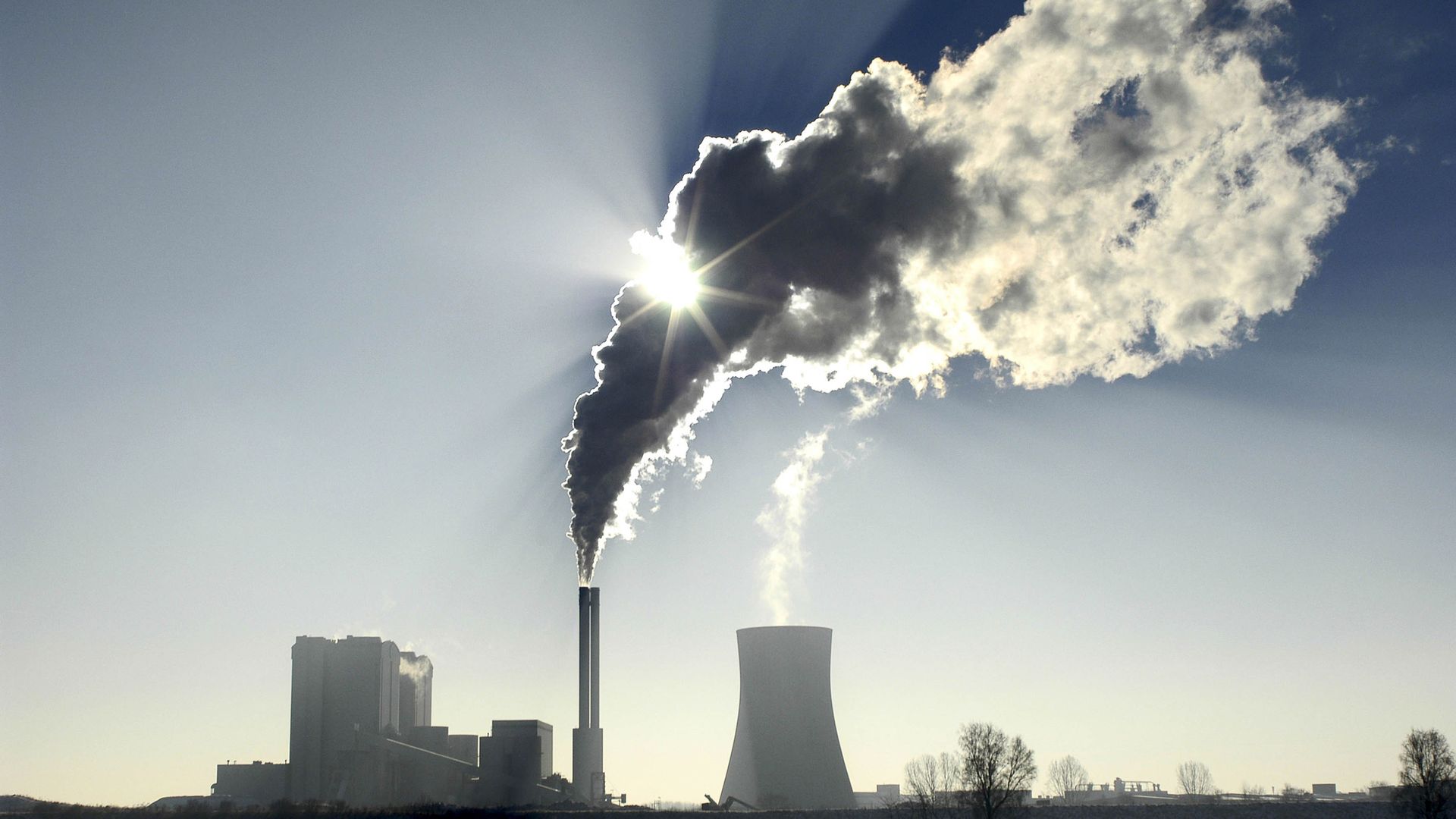
The International Energy Agency (IEA) will analyze the climate change and economic costs of the world’s coal plants in its 2019 world energy outlook, set for release in November, the agency's top official told Axios in a recent interview.
Why it matters: "There is an important problem here," said IEA Executive Director Fatih Birol. "The existing infrastructure provides a lifeline to people in developing countries, but at the same time, it’s the single most important driver of global carbon dioxide emissions."