Consumer Reports says it will no longer recommend the technology-laden Tesla Model 3 based on complaints from car owners, sending its stock tumbling nearly 2%.
Why it matters: Problems with the Model 3's electronics and body fit-and-finish are typical for new models and not surprising given CEO Elon Musk's frequent description of "production hell" last year. A Tesla spokesperson tells CNBC most of the issues have already been corrected through design and manufacturing improvements.
We’re at the beginning of a make-or-break period to confront global warming. A combination of forces, from dire scientific reports to extreme weather events, have crystallized a movement to action.
The big picture: A rare convergence of science that reveals the urgency of the problem; extreme events that highlight threats almost nationwide; and shifting public views that are fueling support for stronger policies, scientists and polling experts say.
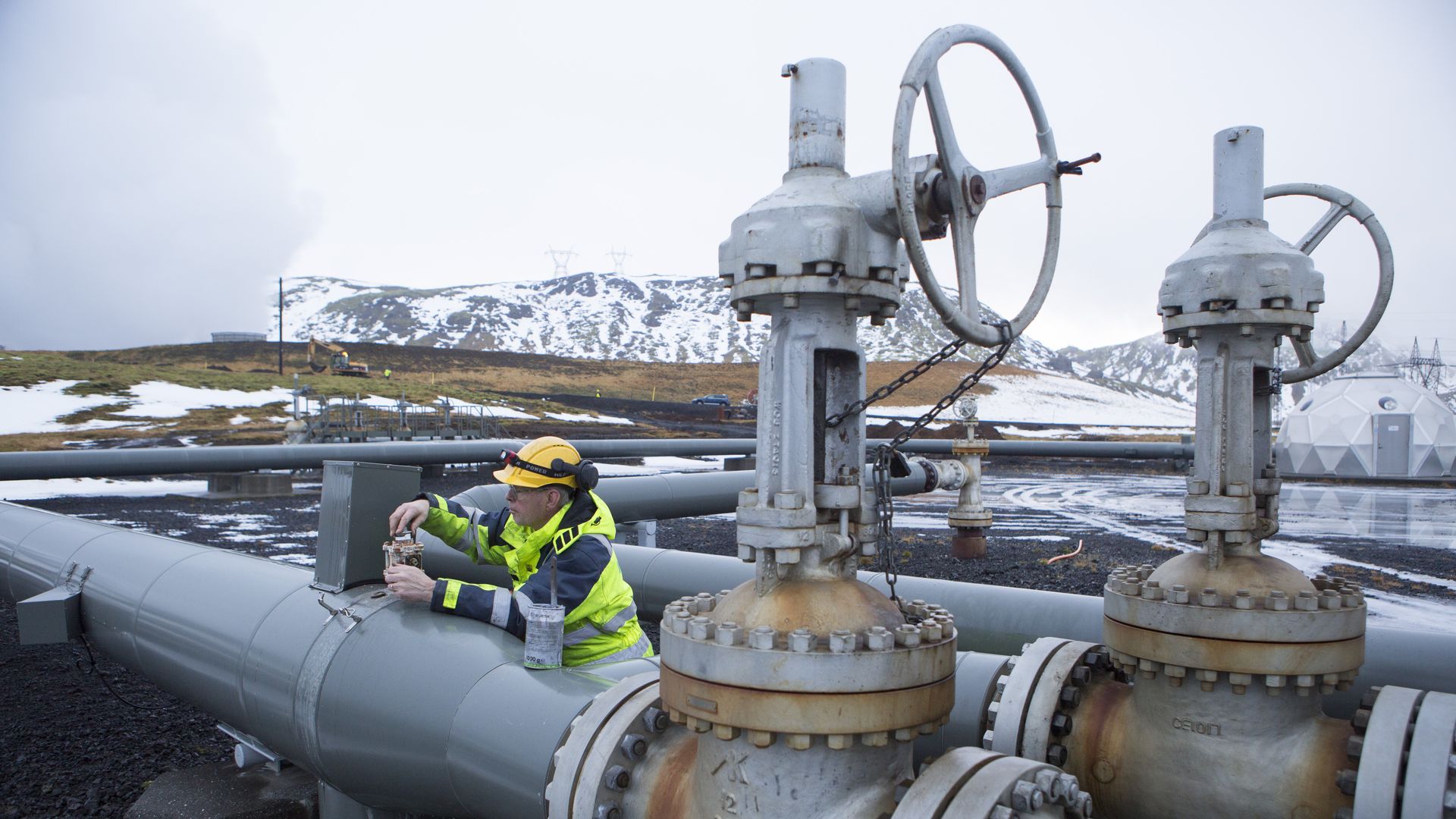
Approximately 49 million tons of CO2 could be cut via carbon capture, utilization and storage (CCUS) in the power sector — equivalent to removing 7 million cars from the roads — by 2030, according to a Clean Air Task Force (CATF) report published this week.
Why it matters: The oil and gas industry has experimented with CO2 removal technology since the 1930s to purify process streams from CO2. Now similar technology could be used to ease the transition from fossil fuels to more sustainable energy sources.
The Trump administration is proposing the formation of a committee on climate security to evaluate climate science evidence and determine if it poses a national security threat, according to a White House memo originally obtained and reported by the Washington Post on Wednesday.
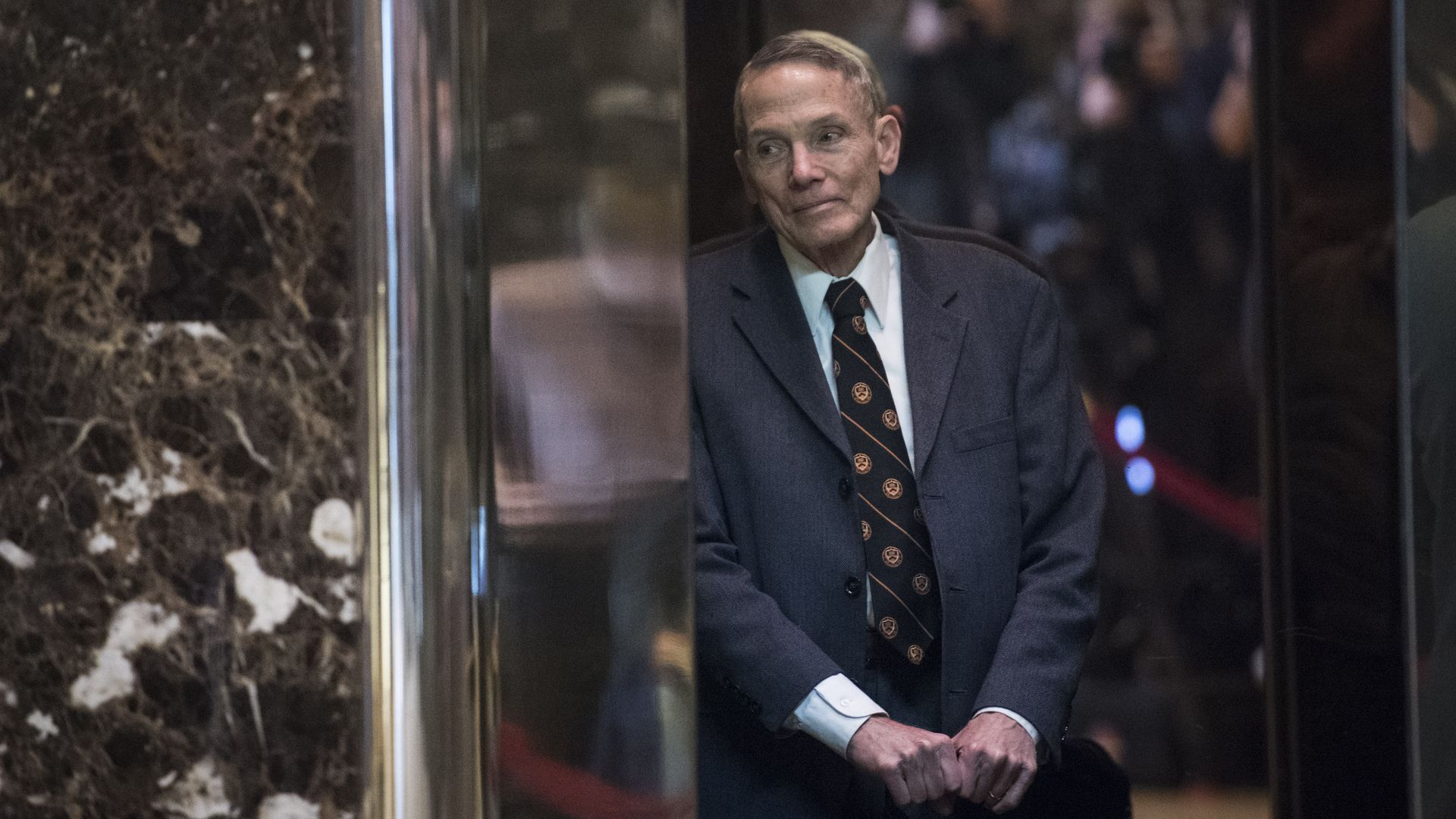
What to watch: William Happer, a Princeton physicist and well-known denier of mainstream climate science findings, will reportedly participate in the panel. He argued in a 2015 Senate testimony that more carbon dioxide is beneficial to the planet, a view that directly contradicts thousands of scientific studies. Happer is a National Security Council senior director and currently serves as Trump's deputy assistant for emerging technologies.
With Venezuela's political and humanitarian catastrophe back on the international radar, the crisis in Nicaragua continues to fester, largely unnoticed.
Why it matters: In December, the Inter-American Commission on Human Rights accused the Nicaraguan government of committing crimes against humanity when it crushed protests demanding the ouster of President Daniel Ortega. In absolute terms, the repression's 2018 death toll — at least 300 — is comparable to that of Venezuela, but relative to Nicaragua's much smaller population, it ranks as one of the worst human rights crises Latin America has seen in decades.
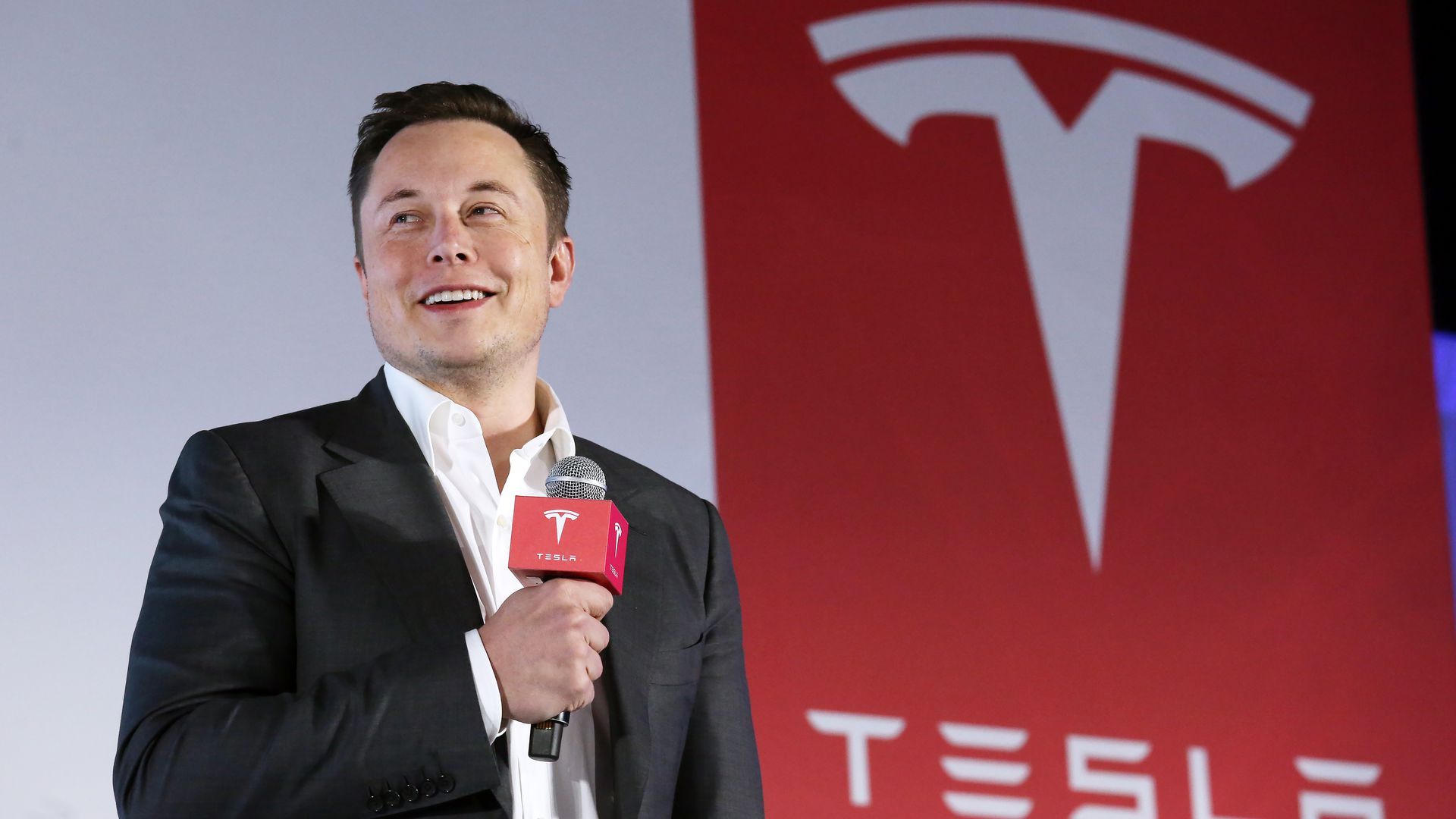
Tesla CEO Elon Musk yesterday said the electric carmaker's full self-driving feature will be completed by the end of 2019. Don't count on it.
Why? Musk has made bold predictions before, telling Fortune in 2015 that Tesla cars would drive themselves within two years. So it's prudent to take his latest prediction, during a podcast interview with money management firm and Tesla investor ARK Invest, with a grain of salt.
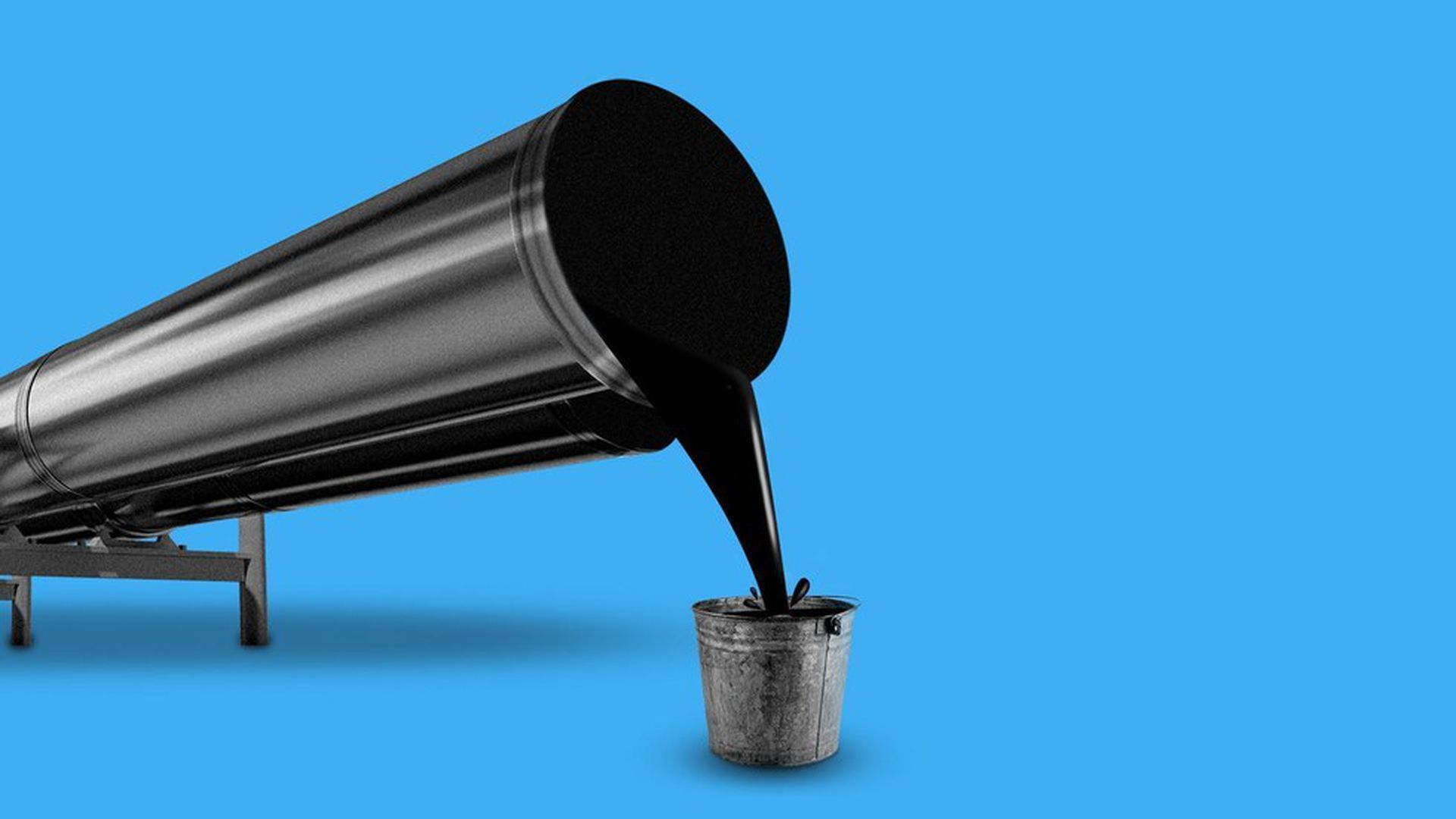
BlackRock and KKR are in "advanced talks" to invest between $4 billion and $5 billion into the pipeline infrastructure of state-owned Abu Dhabi National Oil Co., per the FT.
Why it matters: While ADNOC is responsible for around 3% of the global oil supply, this deal reflects how the UAE is seeking to diversify its assets for a post-oil future. "ADNOC has started a major transformation drive in the past two years to make it more competitive and commercially focused like other state-owned peers, selling and listing stakes in parts of its business," Reuters' Diptendu Lahiri writes.
Tesla is set to replace its general counsel with its current vice president of legal, Jonathan Chang, per the Wall Street Journal. Dane Butswinkas, a longtime Washington trial lawyer who worked as Tesla's general counsel for two months, will be returning to law firm Williams & Connolly.
What to watch: Tesla's former CFO Deepak Ahuja left the company last month, following a string of more than 50 executive departures last year.
Democrats' efforts to craft climate and energy policy heading into the 2020 elections are very fluid, creating space for new ideas and the risk of chaos that leaves them lacking a clear agenda.
Why it matters: Political windows for big emissions policies open rarely, and the early efforts to craft an agenda follow major scientific findings on the dangers of unchecked warming.



/2019/02/20/1550693171584.gif?w=3840)