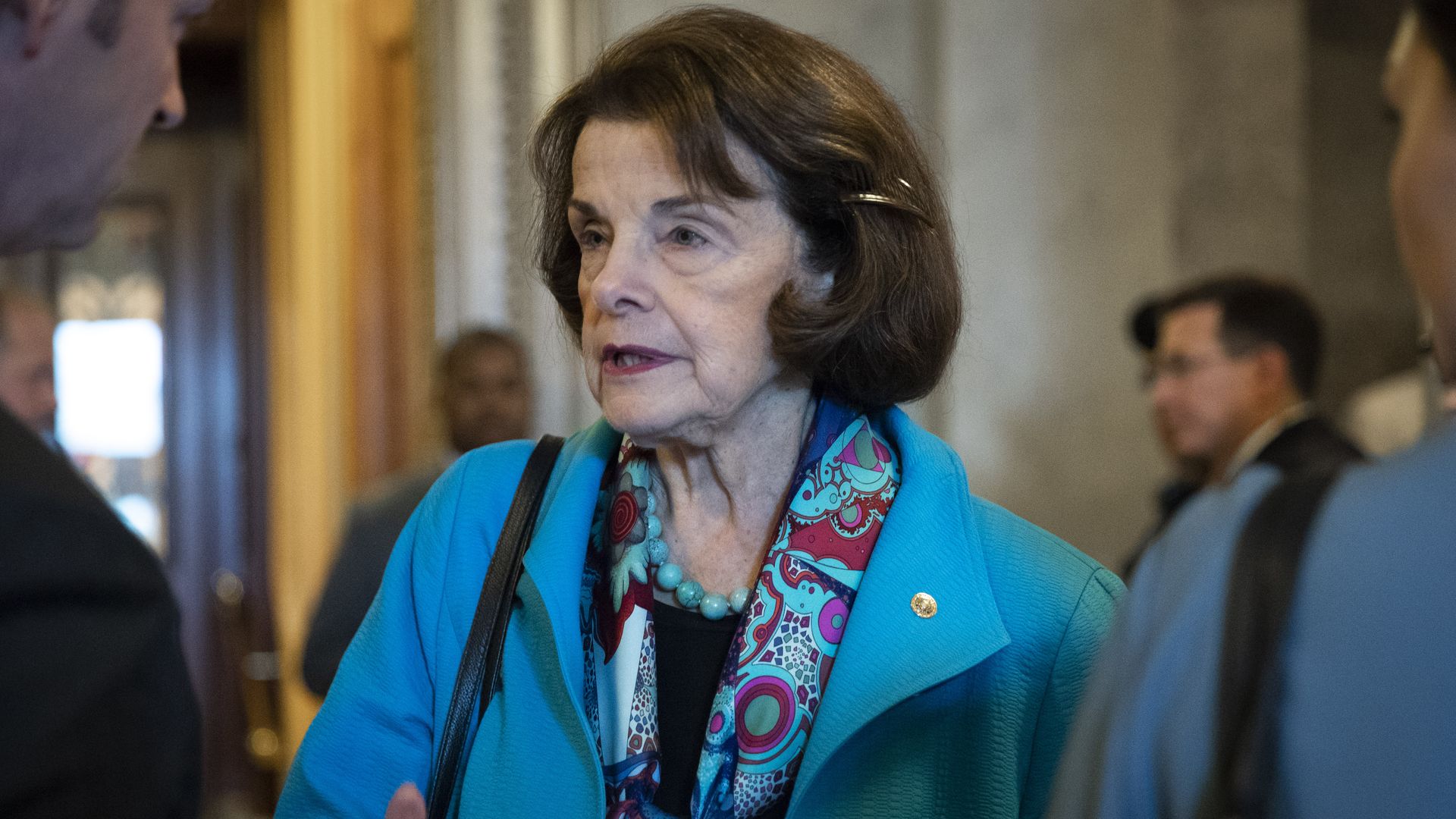
Sen. Dianne Feinstein (D-CA) issued a statement on Friday after facing backlash over what she called a “spirited" Green New Deal discussion with students and activists of the Sunrise Movement, which went viral on Twitter.
"Unfortunately, it was a brief meeting but I want the children to know they were heard loud and clear. I have been and remain committed to doing everything I can to enact real, meaningful climate change legislation."
Kelly Knight Craft, the current U.S. ambassador to Canada and President Trump's nominee for ambassador to the UN, endorsed "both sides of the science" when asked about climate change in a 2017 interview with CBC Politics.
Why it matters: If confirmed by the Senate, Craft will represent U.S. interests at the UN, which recognizes climate change as a "potentially irreversible threat to human societies," per the Paris climate agreement. In October, the UN Intergovernmental Panel on Climate Change found that the effects of global warming are already evident worldwide, as did a U.S. panel in November. The vast majority of climate scientists have concluded that recent climate change is primarily driven by human emissions of greenhouse gases.
Scientists have sequenced the human genome, thousands of microbes, plants and other animals. But the coffee plant remains a stubborn beast.
Why it matters: Coffee is under increasingly urgent risk from disease and climate change, which have devastated huge batches of crops and today threaten the livelihood of some 125 million people.But biologists, working on mapping and redesigning the plant, think that they are getting closer to saving coffee.
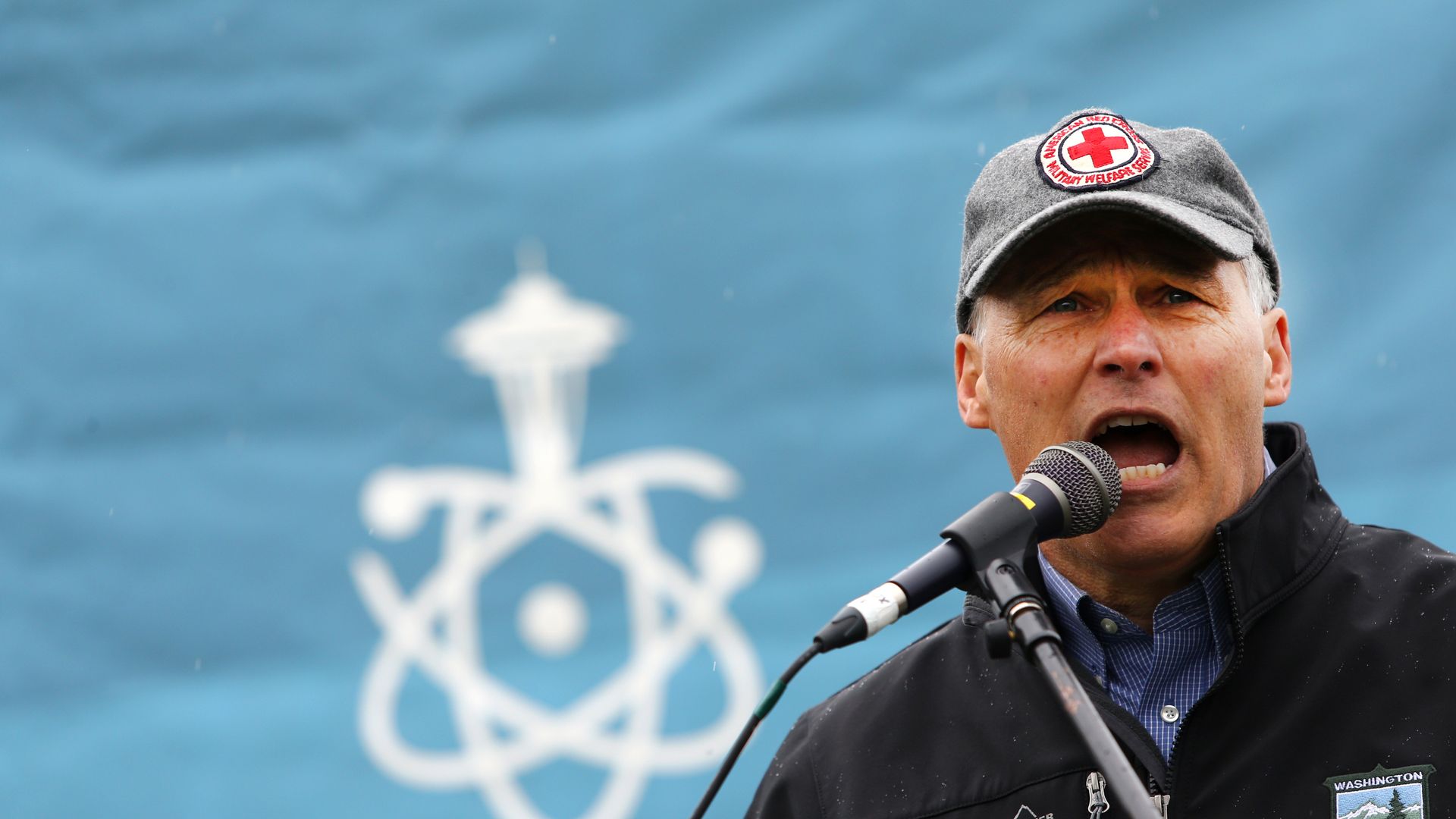
Thursday brought the rollout of a super PAC that will support Washington state Gov. Jay Inslee if he moves ahead with plans for a climate-focused presidential run.
Why it matters: Announcement of the Act Now On Climate super PAC is another sign that global warming, long a second-tier (at best) topic in national elections, could be more prominent in this cycle.
CANBERRA, Australia — A decade ago, coal supplied 90% of this national capital region’s electricity. By next year, it will be 0%, and renewable energy will be 100%.
Why it matters: It’s a rare example of a region traditionally dependent upon coal weaning itself off the fuel. The key lesson: big pivots in energy systems are possible with stable government leadership, instead of windshield-wiper policies that voters from Australia to America have been accustomed to in recent years.






/2019/02/21/1550778024881.gif?w=3840)