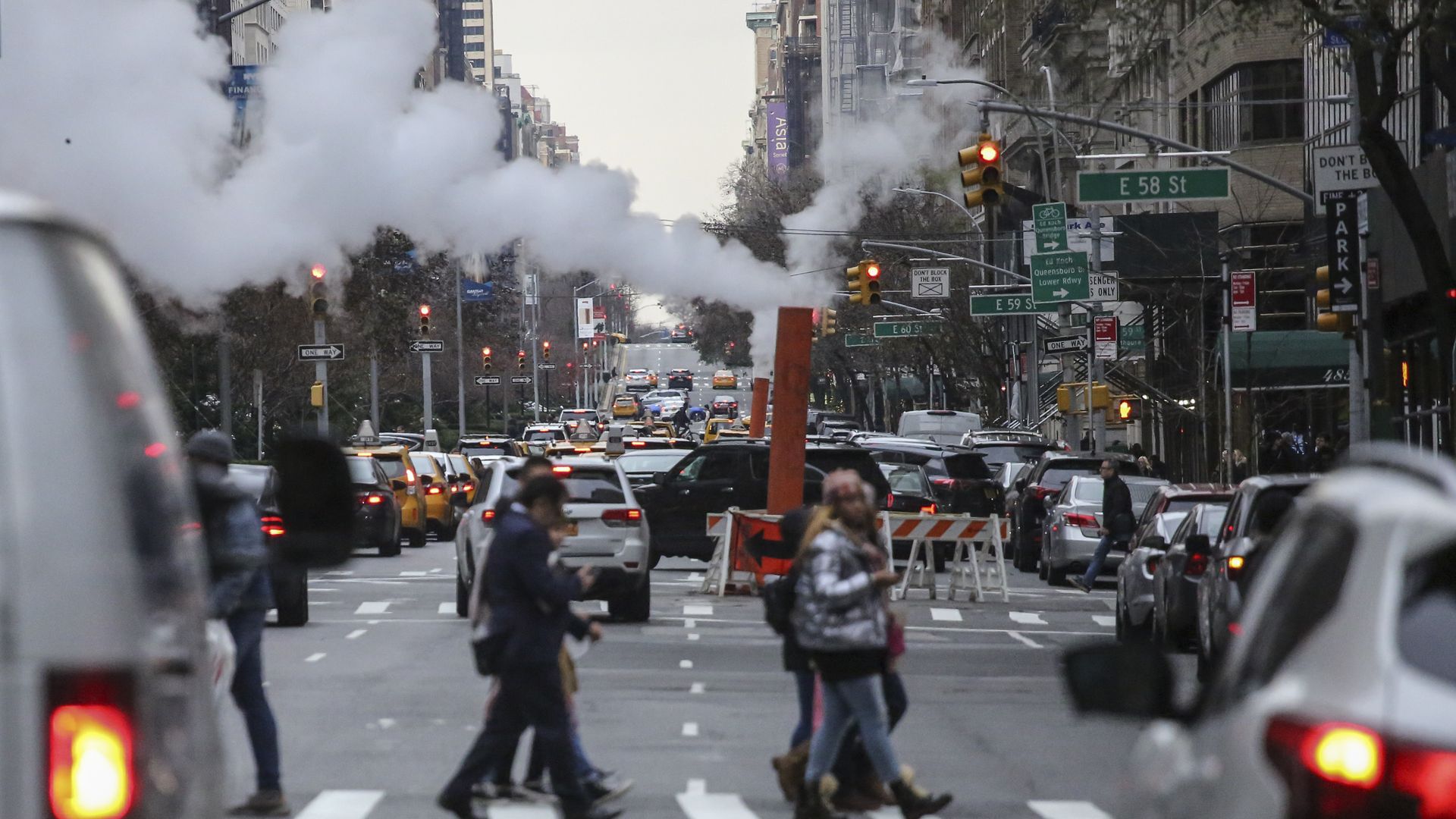
The International Energy Agency said Tuesday that combined carbon dioxide emissions from the world's advanced economies are set to rise 0.5% in 2018, ending a 5-year declining trend.
Why it matters: It's another data point in the wider picture of overall global emissions that began climbing again in 2017 after a 3-year plateau, even as scientists warn of the need for steep emissions curbs in coming years and decades to prevent high levels of warming.
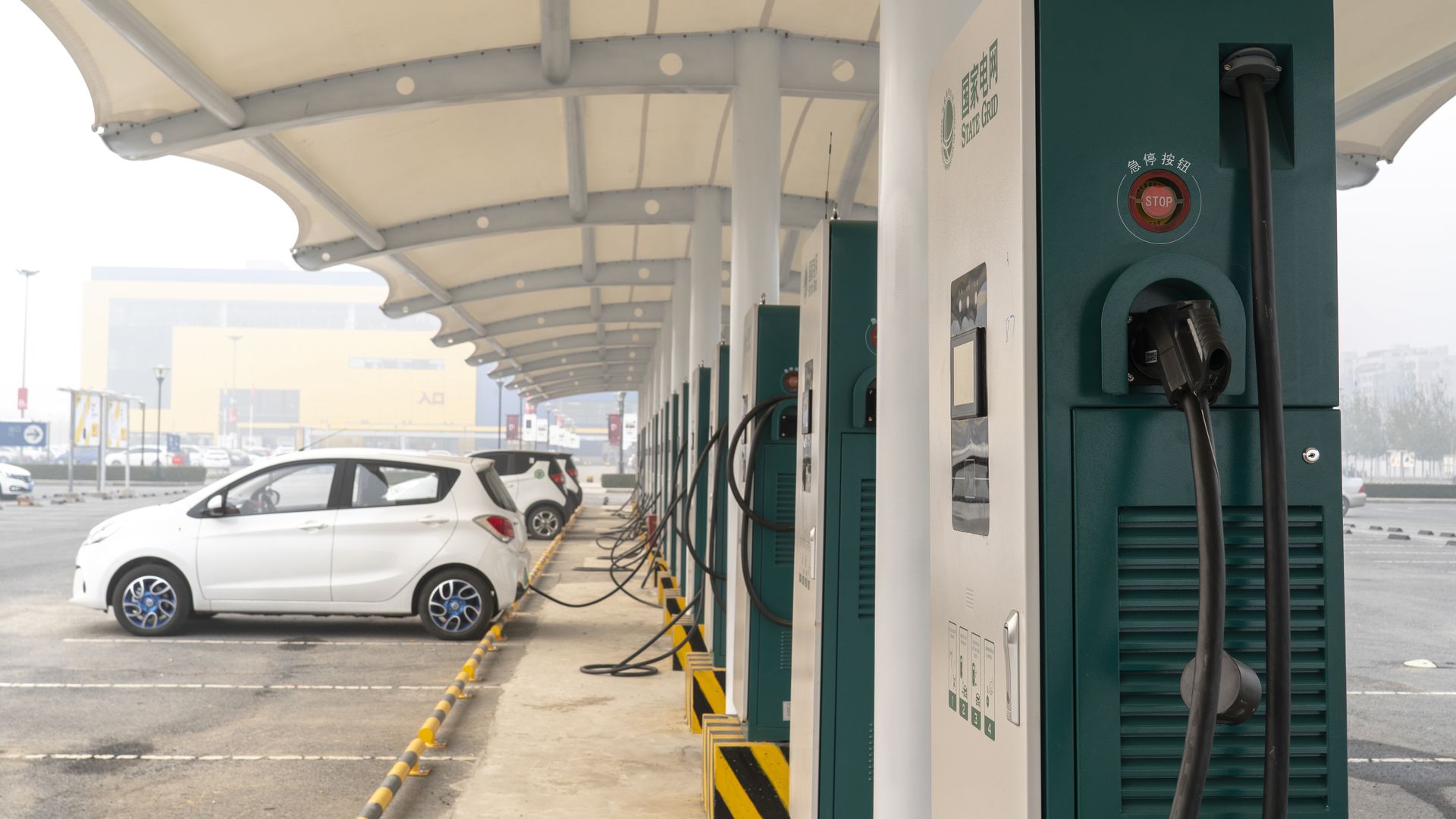
A new Morningstar note explores three reasons why they see U.S. power demand rising through at least 2030: new demand from growing marijuana, charging electric cars, and powering data centers.
Why it matters: The note shows how the power grid is facing new challenges even as the overall energy efficiency of the economy grows — and how some utilities can benefit from new markets for their energy.
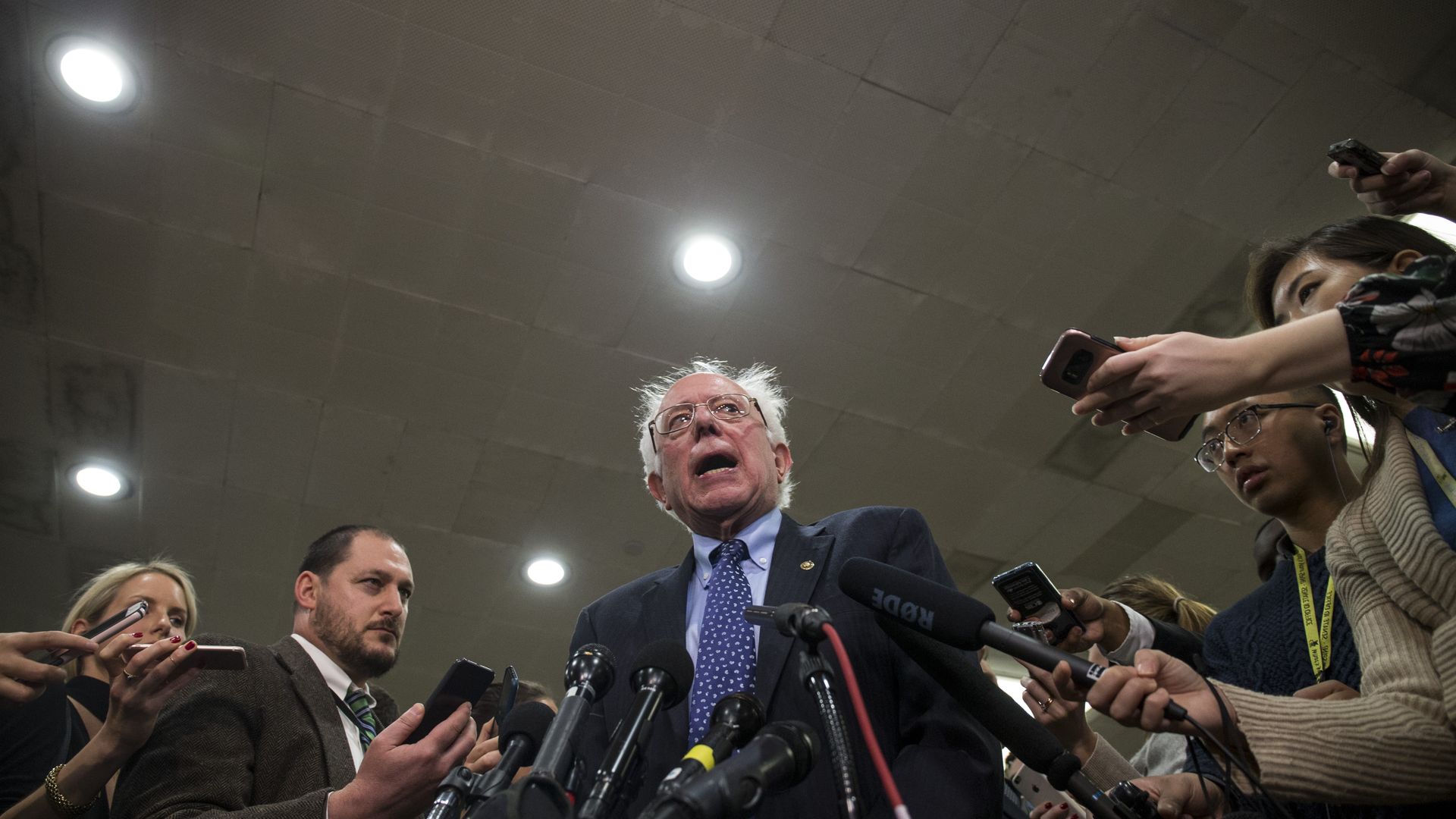
It's kind of a cliché — albeit an accurate one — that climate is rarely the tip of Democrats' political spear. Pew Research Center polls consistently show it's far from the public's top priority.
But, but, but: As dire scientific warnings pile up and California smolders from frequent wildfires, global warming's political profile is atypically high among Democrats on two fronts.
Superpedestrian, a Boston-based startup best known for its Copenhagen Wheel, a system that turns a regular bike into an electric one, now wants to sell a commercial-grade electric scooter to fleet operators.
The bigger picture: When scooters suddenly took over U.S. streets earlier this year, setting up a scooter rental company looked easy, thanks to manufacturers like Segway-Ninebot. But that’s not so much the case any more given the growing number of problems with the vehicles, including faulty scooters that were recalled, designs that couldn't sustain commercial use, and supply shortages.
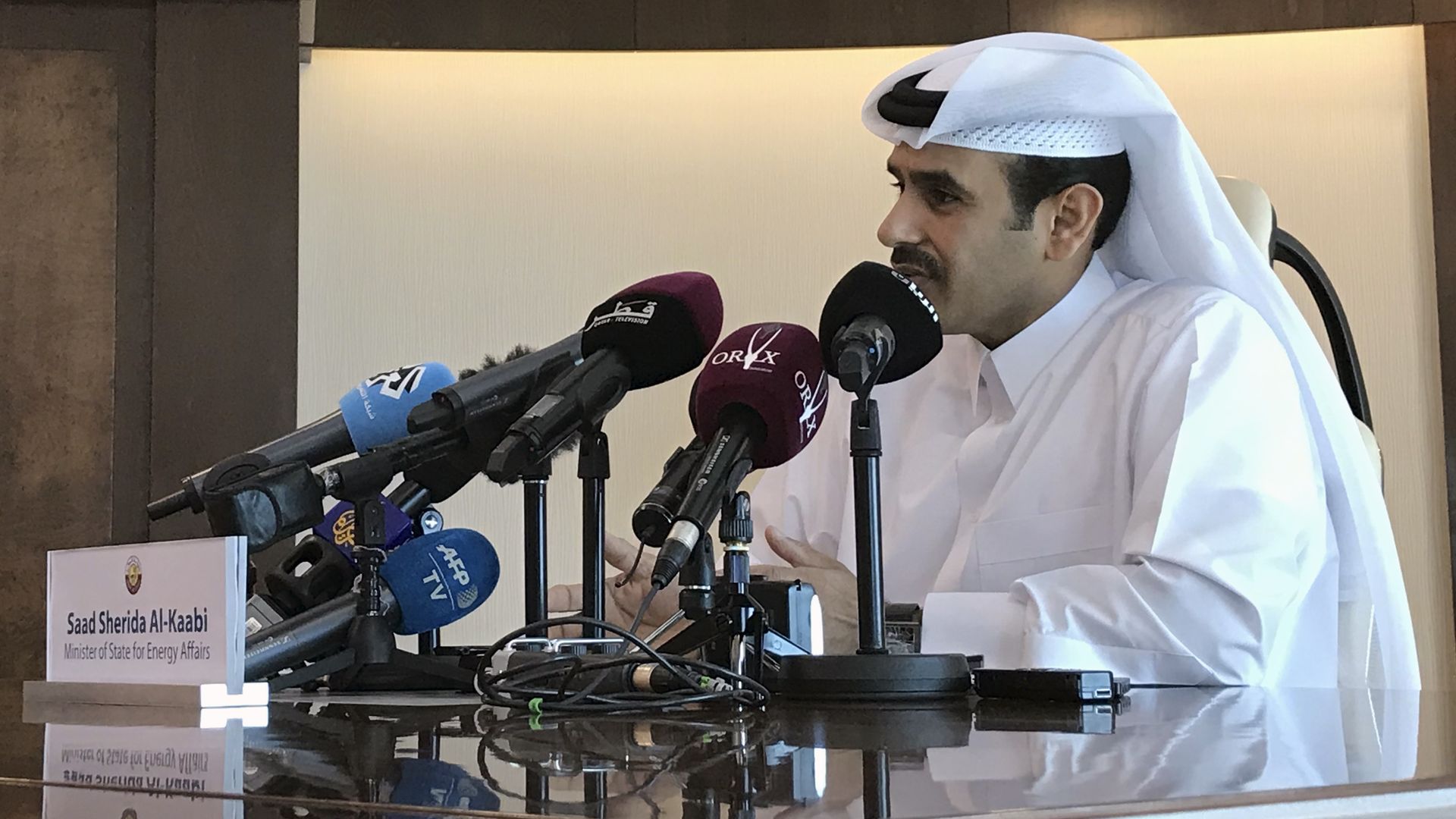
In announcing Monday that it would leave the Organization of Petroleum Exporting Countries (OPEC), Qatar emphasized an intention to enhance its standing as the world’s leading natural-gas producer and as “a reliable and trustworthy energy supplier across the globe.” The tiny emirate, currently under a Saudi-led blockade, plans to increase its annual production of liquefied natural gas (LNG) from 77 million tons to 110 million tons in the coming years.
Why it matters: Qatar’s withdrawal from OPEC is a slap in the face of Saudi Arabia, which plays a leadership role inside the organization. It also reflects changes in global energy markets, where the competition among different fuels — coal, oil, nuclear, renewables and natural gas — is intensifying as major economies seek to decarbonize.
French President Emmanuel Macron will suspend his planned fuel tax increase — a policy that set off massive "yellow vest" street protests that resulted in the worst riots to hit Paris since 1968 — for six months, Agence France-Press reports.
The big picture: The pro-business Macron entered the presidency with the goal of reforming the French economy, hoping to implement measures like an increase to the gas tax that would stimulate long-term investment in new jobs while combatting climate change. The result, as has been the case for many French presidents seeking to reform the inert nation, was fury from protestors who viewed him as out-of-touch with ordinary citizens. More than 100 people were injured and 412 arrested in Paris riots this past weekend, per the AP.
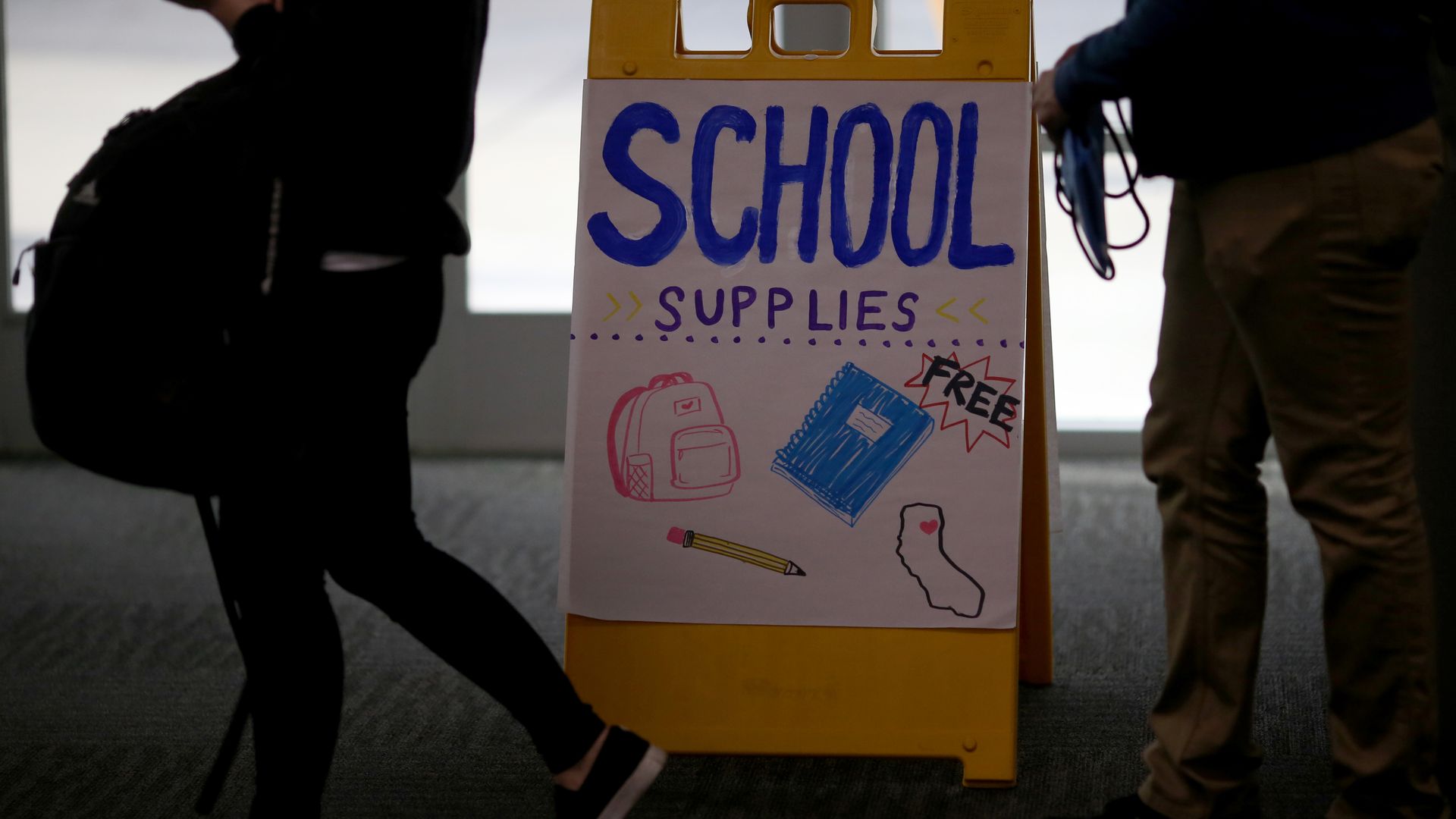
Thousands of school children who lost their homes or classrooms in Northern California's wildfire last month returned to school for the first time in three weeks on Monday, the AP reports.
Why it matters: About 31,000 students have been unable to attend school since the Camp Fire, the state's deadliest wildfire, began to sweep through Paradise, California and surrounding neighborhoods in early November. The blaze, which is now contained, killed at least 88 people and destroyed nearly 14,000 homes in the northern part of the state. About 25 people are still missing.
THREE MILE ISLAND, Pa. — Next year will mark 40 years since America’s worst nuclear-energy accident unfolded here in a partial radioactive meltdown. The reactor still operating next to the defunct one is set to close next year, 15 years sooner than planned.
Why it matters: As we found during a visit for "Axios on HBO," this power plant represents everything good and bad about America’s nuclear power. With climate change worsening, calls are growing to keep plants like this one open despite financial strains because they emit no heat-trapping gases. Yet fear persists about safety and what to do with the radioactive waste.
Everyone's waiting for the "Mueller Report." But it turns out that special counsel Robert Mueller is writing a "report" in real time, before our eyes, through his cinematic indictments and plea agreements.
The big picture: One of the least-noticed elements of the special counsel's approach is that all along, he has been making his case bit by bit, in public, since his very first court filing. With his major court filings so far, Mueller has already written more than 290 pages of the "Mueller Report." And there are still lots of loose ends in those documents — breadcrumbs Mueller is apparently leaving for later.