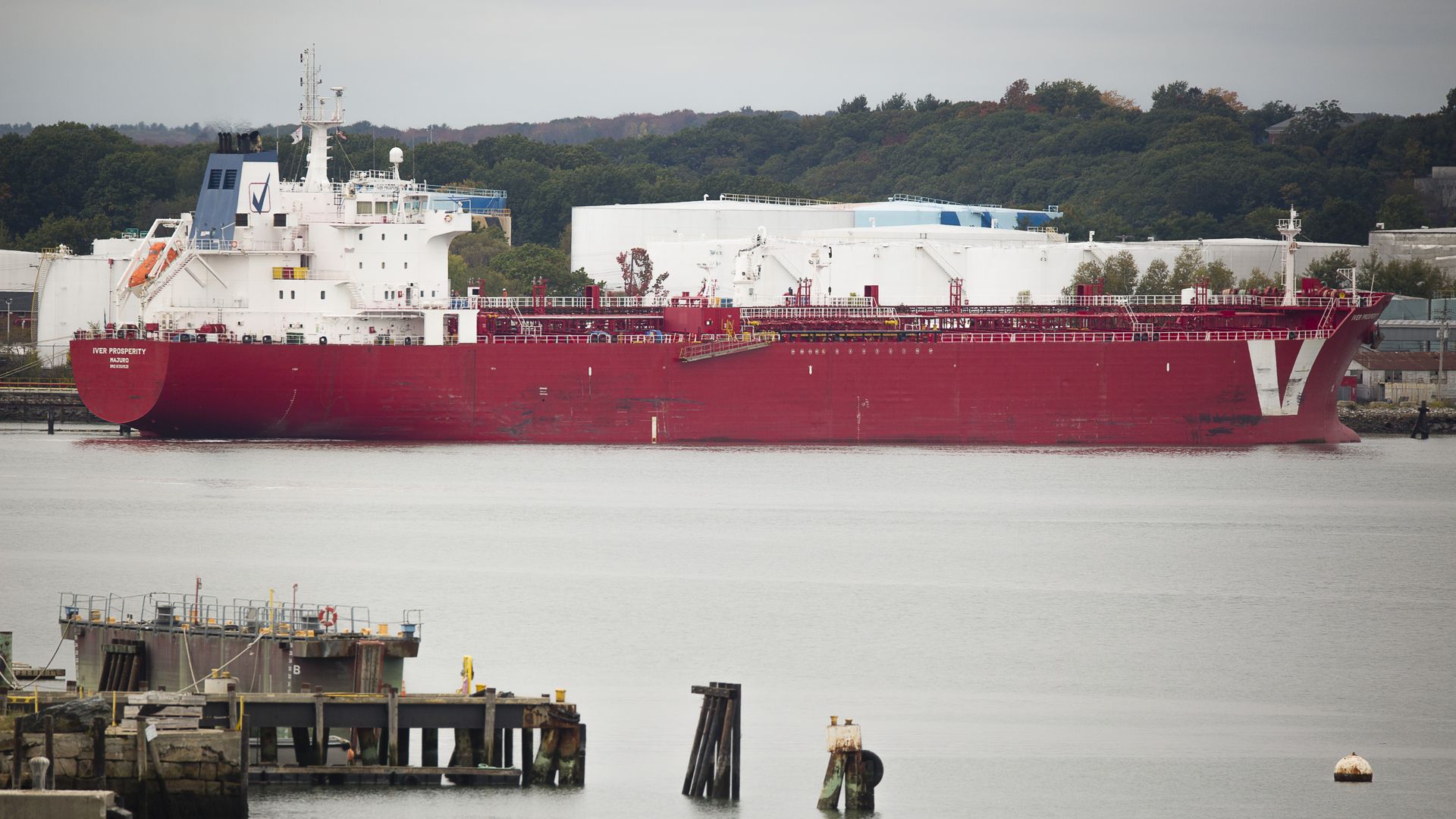
The U.S. narrowly became a net exporter of crude oil and petroleum products combined for the first time in decades last week, preliminary federal data shows.
Why it matters: It's a stark sign of the reemergence of the U.S. as a global oil market powerhouse — even if, as Bloomberg notes, it may only mark a brief return to the net exporter ranks for now. In particular, crude oil from shale formations has added millions of barrels of daily production over the last decade, and a 2015 law that ended a ban on crude oil exports is sending more and more of those barrels overseas.
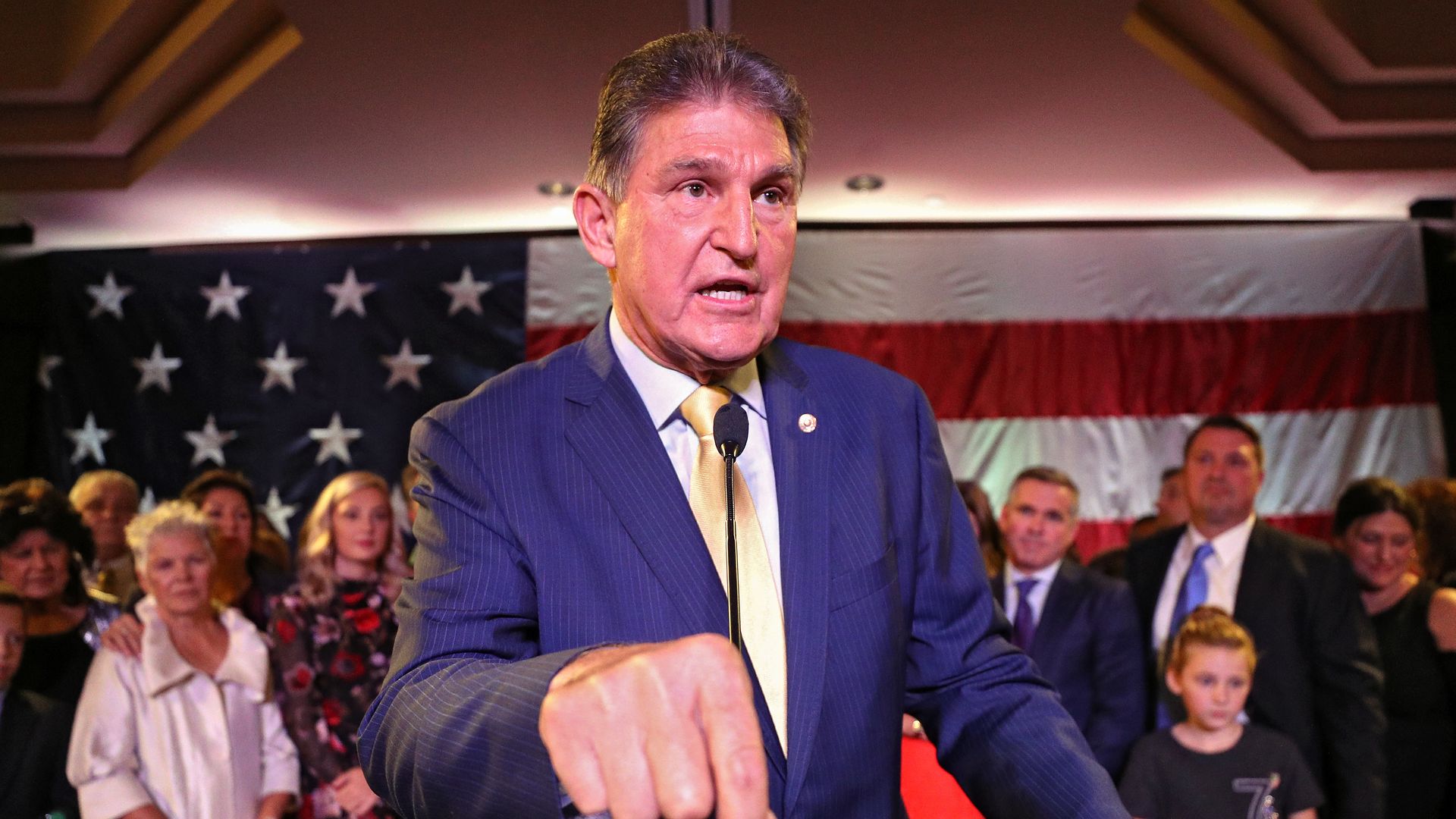
Trump's choice for an open Federal Energy Regulatory Commission seat has been confirmed by a 50-49 margin — despite a late twist that arrives at an interesting moment in energy politics.
Driving the news: West Virginia Democrat Joe Manchin unexpectedly opposed Bernard McNamee in a procedural vote yesterday, citing his early 2017 comments recently unearthed by the publication Utility Dive.
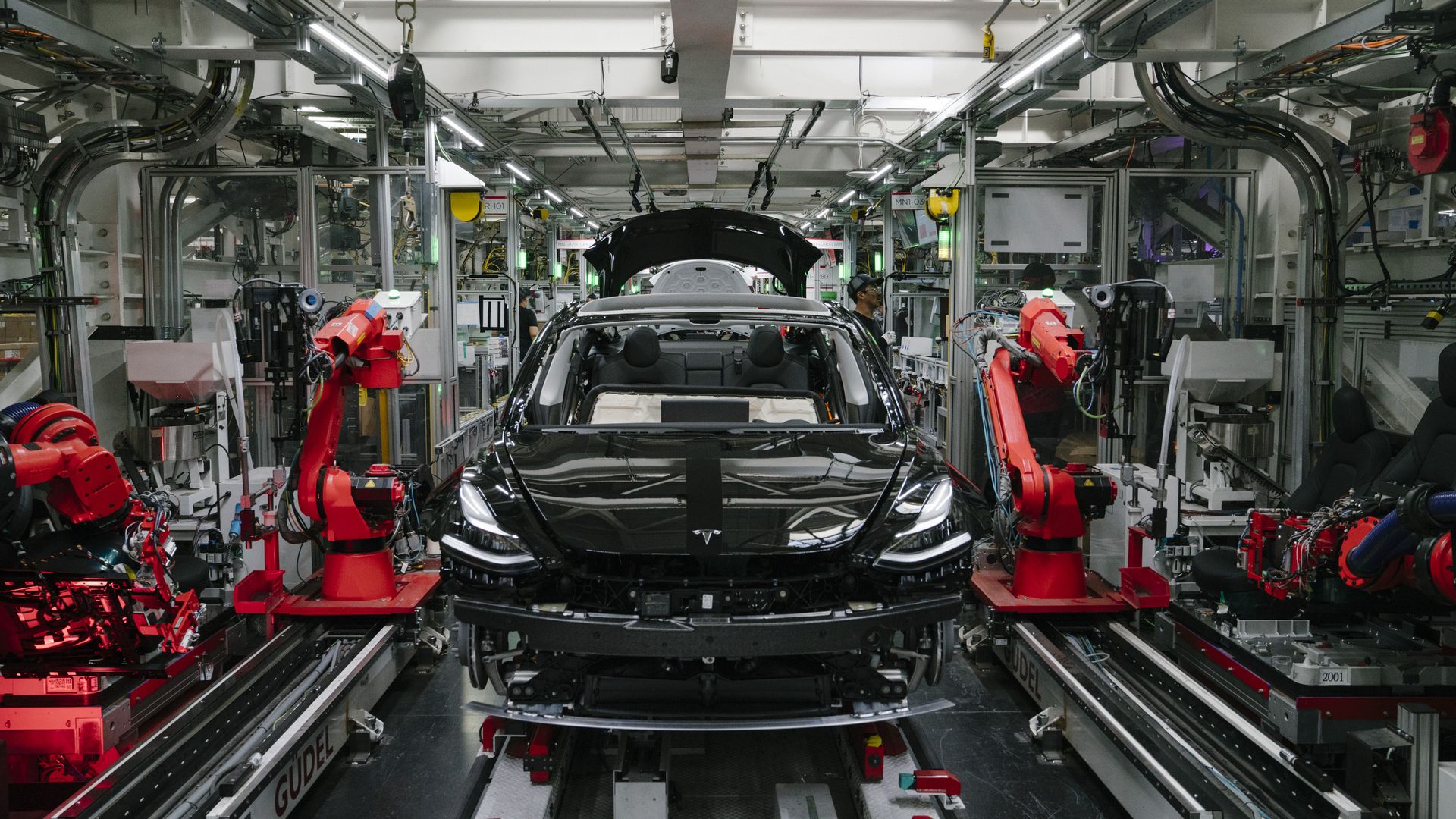
Tesla intends to begin production at its planned factory in Shanghai in the second half of 2019, according to multiple reports summarizing a social media post by the municipal government.
Why it matters: Per the Financial Times' Emily Feng, "Tesla is looking to build production capacity directly in China to avoid the uncertainties with importing vehicles into China. ... The plant was made possible this April, when Beijing said it would abolish ownership caps for foreign companies on electric vehicle manufacturing plants by the end of the year."
When it comes to cutting the greenhouse gas emissions that cause global warming, the world isn't just failing — we're stepping our foot on the gas pedal.
The big picture: On Wednesday, scientists reported in a series of studies that global emissions of greenhouse gases from fossil fuels are likely to hit record levels in 2018. China and India are responsible for much of that growth, which is erasing optimism from just a few years ago that some countries' emissions might be peaking. Elsewhere, virtually no country is reducing emissions fast enough to balance out the growth.
Global carbon dioxide emissions from the burning of fossil fuels are projected to rise by more than 2% in 2018 to the highest levels in recorded history, according to a new study by the Global Carbon Project.
Why it matters: The data clearly shows that the rapid growth in low carbon technologies, such as solar and wind power as well as electric vehicles, are not yet sufficient to cause global emissions of planet-warming gases to peak or decline.
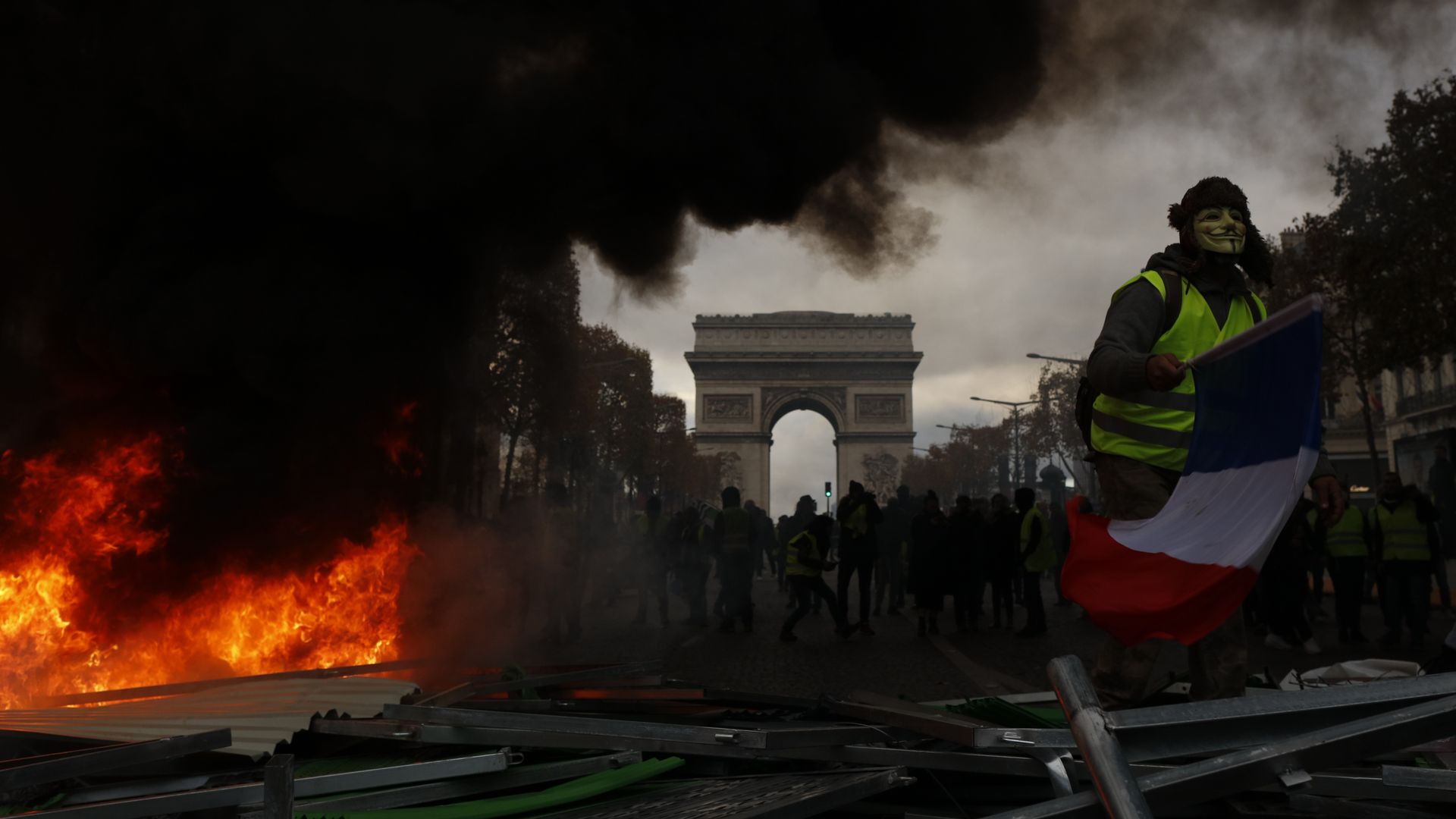
After three weeks of demonstrations against an increase in gasoline taxes, French President Emmanuel Macron yielded to the Yellow Vest protesters by suspending the hikes for six months.
The big picture: The wealthy countries pushing to address climate change have been seen as best equipped to bear the costs of transitioning from fossil fuels to renewables, hence their commitment in the Paris Accord to channel energy transition funding to the developing world. But the French protests and Macron’s response suggest that even developed societies may meet resistance from their more disadvantaged members, who may not be so willing to make sacrifices to their way of life.
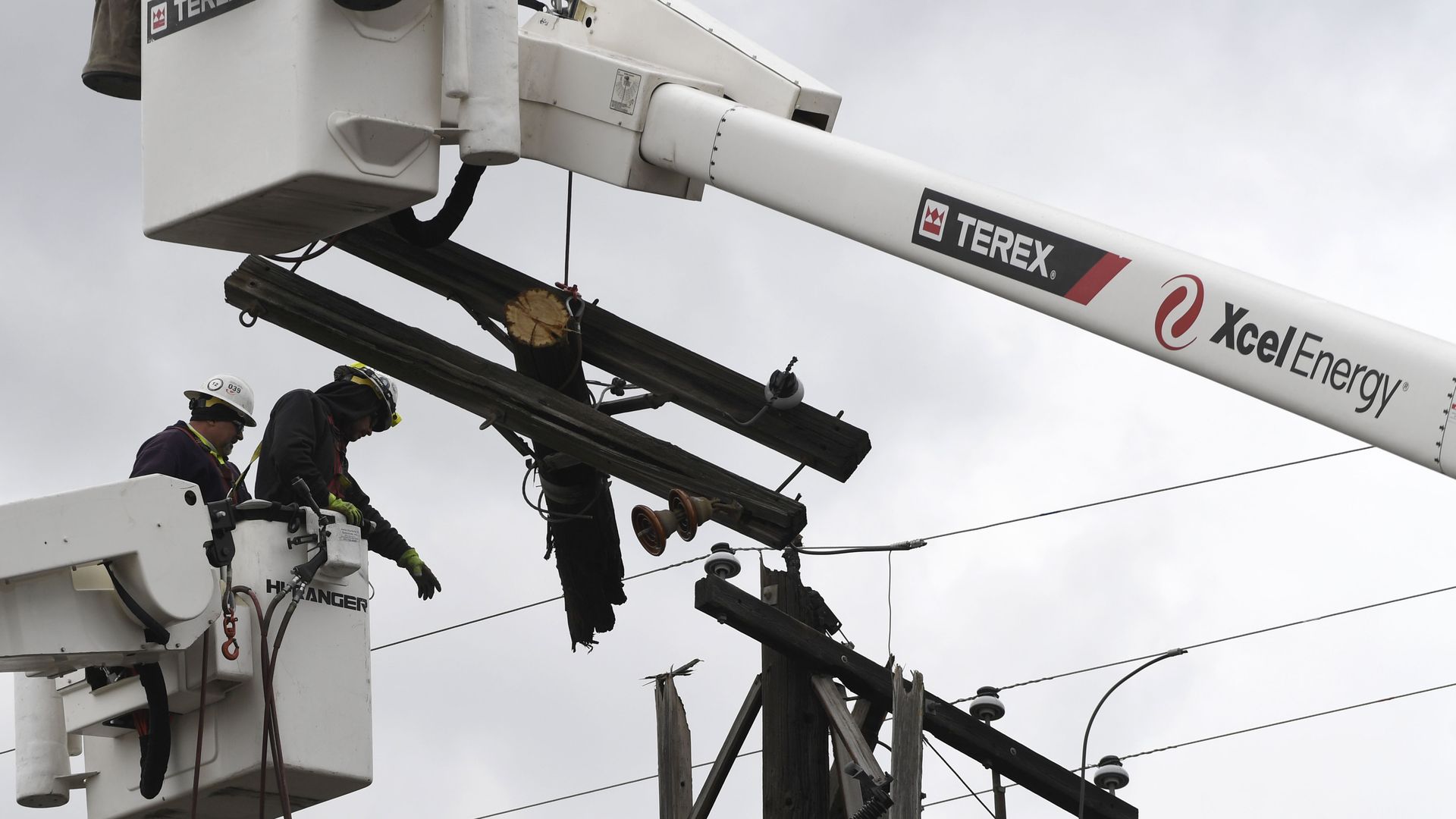
The multi-state power company Xcel Energy says it will provide 100% of its electricity from carbon-free sources by 2050.
Why it matters: It appears to be the first large utility to set a fully emissions-free goal for its generation mix, and Xcel also announced an interim 2030 target of cutting its emissions by 80%.
One of the biggest stories in the energy world right now is the fallout after French President Emmanuel Macron caved on new motor fuel taxes, suspending their implementation for six months after rioters flooded Paris.
Why it matters: I'm not an expert in French politics and won't pretend to understand all the dynamics at play here. But, the tumult at least partially signals the challenge of carbon pricing and raising fuel costs as a way to combat global warming, even as pricing regimes expand to more places.
Seven global insurance companies — including the world's largest primary insurers and reinsurers — have now stopped or limited insuring coal projects. These moves come at a time when the costs of climate-related impacts continue to grow.
Why it matters: The insurance industry is a key and often overlooked player in the financial system that continues to enable coal industry expansion, as well as a bellwether for broader systemic risks climate change is expected to pose. Although the international industry has begun to act, the U.S. industry continues to lag.
Violent protests in France over a now-shelved plan to raise gasoline taxes highlight the country’s comparatively high pump prices.
The big picture: People around the world pay vastly different prices to fuel their gasoline-powered vehicles, depending on how the country in which they live subsidizes or taxes the fuel. The chart above offers a snapshot of four countries with different price profiles — oil-rich Saudi Arabia subsidizes its gasoline much more than most other countries; France, along with most Western European nations, has high taxes while car-dependent America has relatively low prices compared to its global counterparts.
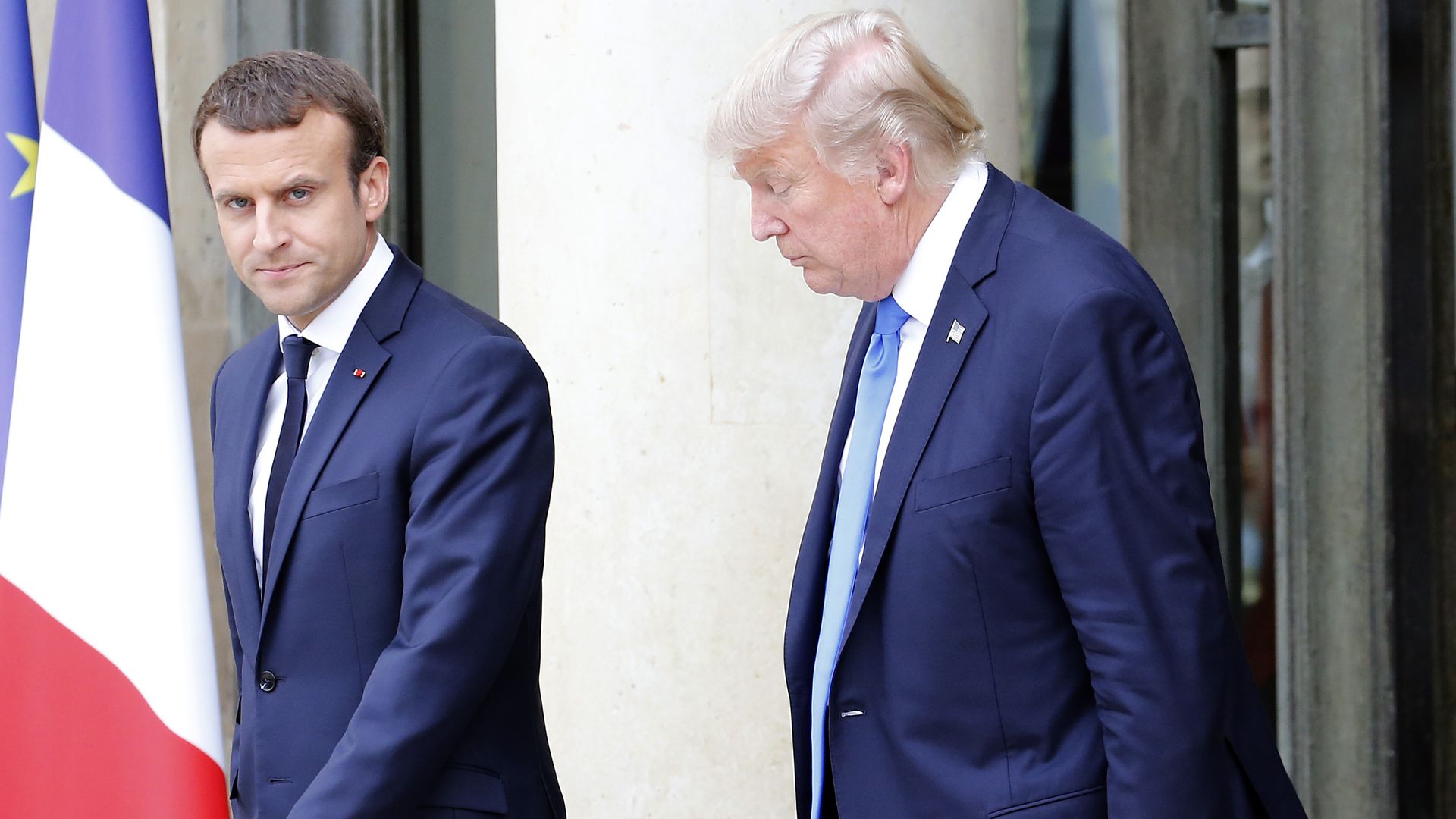
With France in turmoil after days of violent nationwide protests over the rising cost of fuel, President Trump claimed in a tweet on Tuesday that French President Emmanuel Macron has finally "agreed with the conclusion I reached two years ago. The Paris Agreement is fatally flawed" because it increases the price of energy benefits some of the world’s "worst polluters."
"I want clean air and clean water and have been making great strides in improving America’s environment. But American taxpayers – and American workers – shouldn’t pay to clean up others countries’ pollution.”
Reality check: The president's tweet is erroneous as Macron did not back away from the climate agreement as Trump appears to indicate. The planned fuel tax increase, which Macron suspended on Monday, technically has nothing to do with the Paris Agreement that the White House announced its intent to withdraw the U.S. from last year.