President Trump inaccurately claimed that the riots in Paris are a backlash against the Paris Agreement on Saturday, tweeting: "People do not want to pay large sums of money, much to third world countries (that are questionably run), in order to maybe protect the environment."
"The Paris Agreement isn’t working out so well for Paris. Protests and riots all over France. People do not want to pay large sums of money, much to third world countries (that are questionably run), in order to maybe protect the environment. Chanting 'We Want Trump!' Love France."
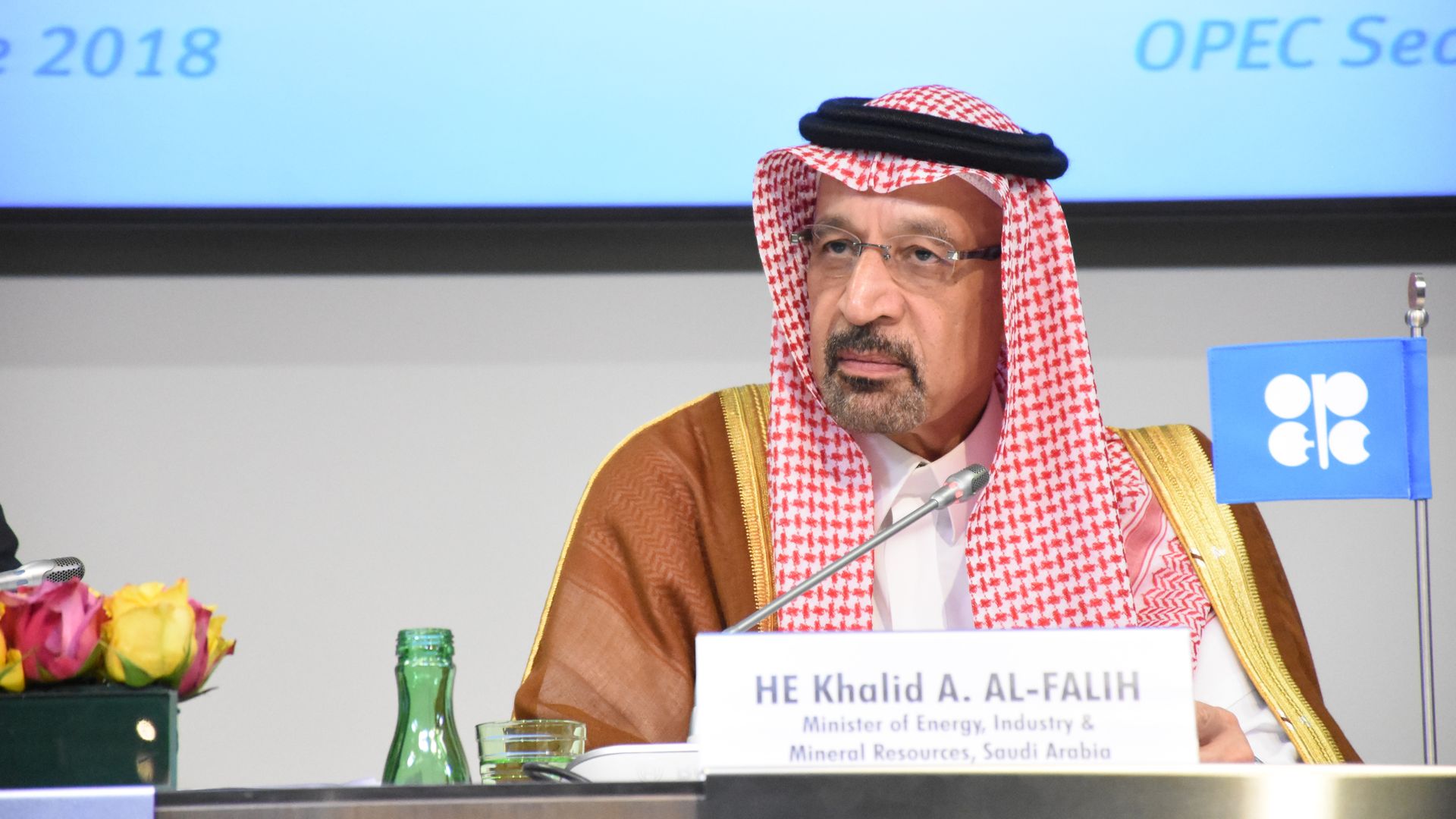
Russia and OPEC have struck a deal to cut oil production by 1.2 million barrels a day that could make a dent in the oil supply glut, the WSJ reports. Iran scored an exemption from the cuts since it is subject to U.S. sanctions, per Bloomberg.
Why it matters: The agreement reached in Vienna should help prop up prices that have been largely tumbling for roughly two months, a collapse that threatened the finances of Saudi Arabia and other petro-states.
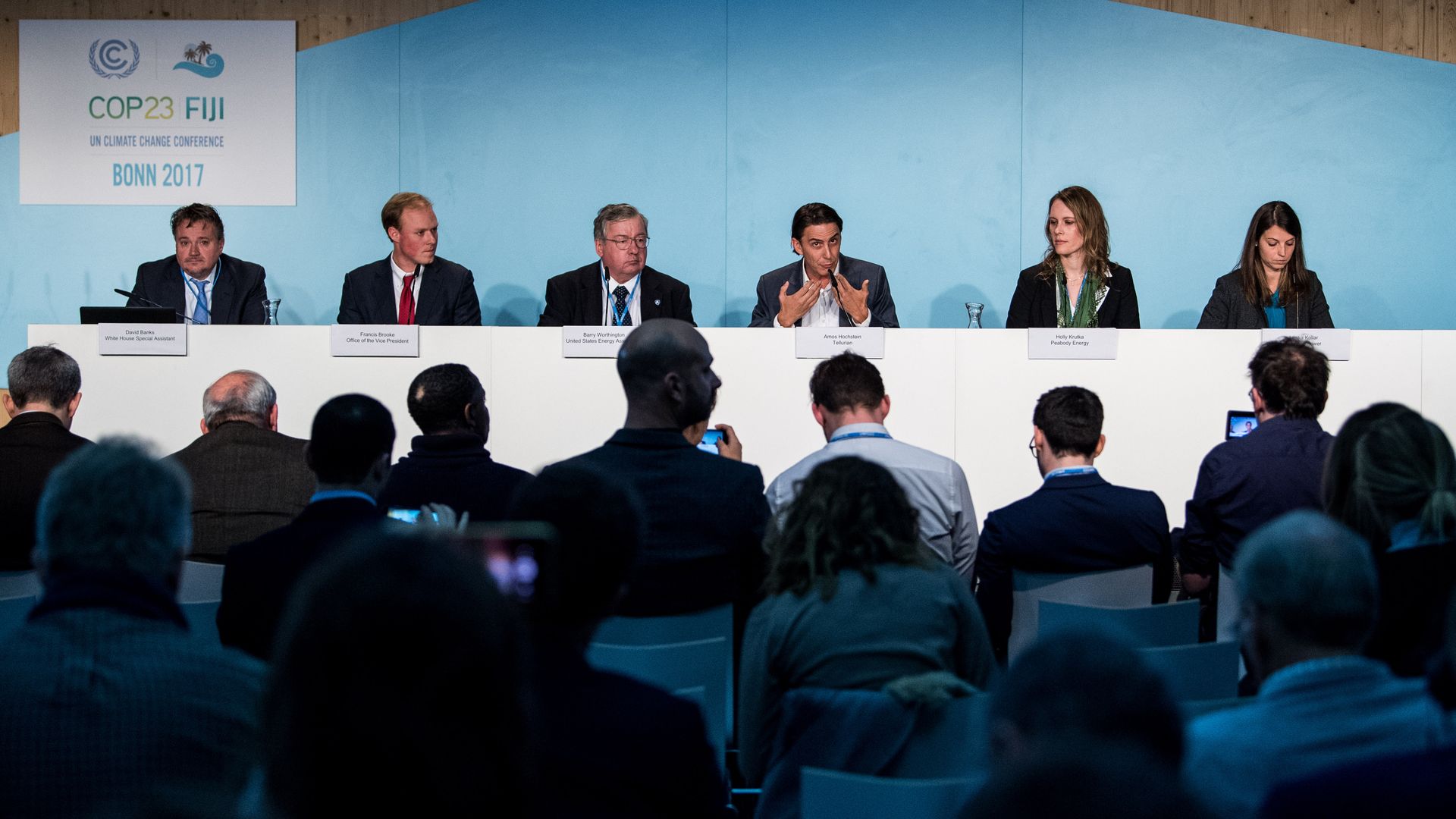
Trump administration officials are set to tout coal, natural gas and nuclear power at an event during the United Nations' annual conference currently underway in the old coal-mining Polish town of Katowice.
Driving the news: The side event, which the administration is holding for the second year in a row, comes as global leaders attempt to make progress on the 2015 Paris Agreement amid dire reports on how difficult that will be.
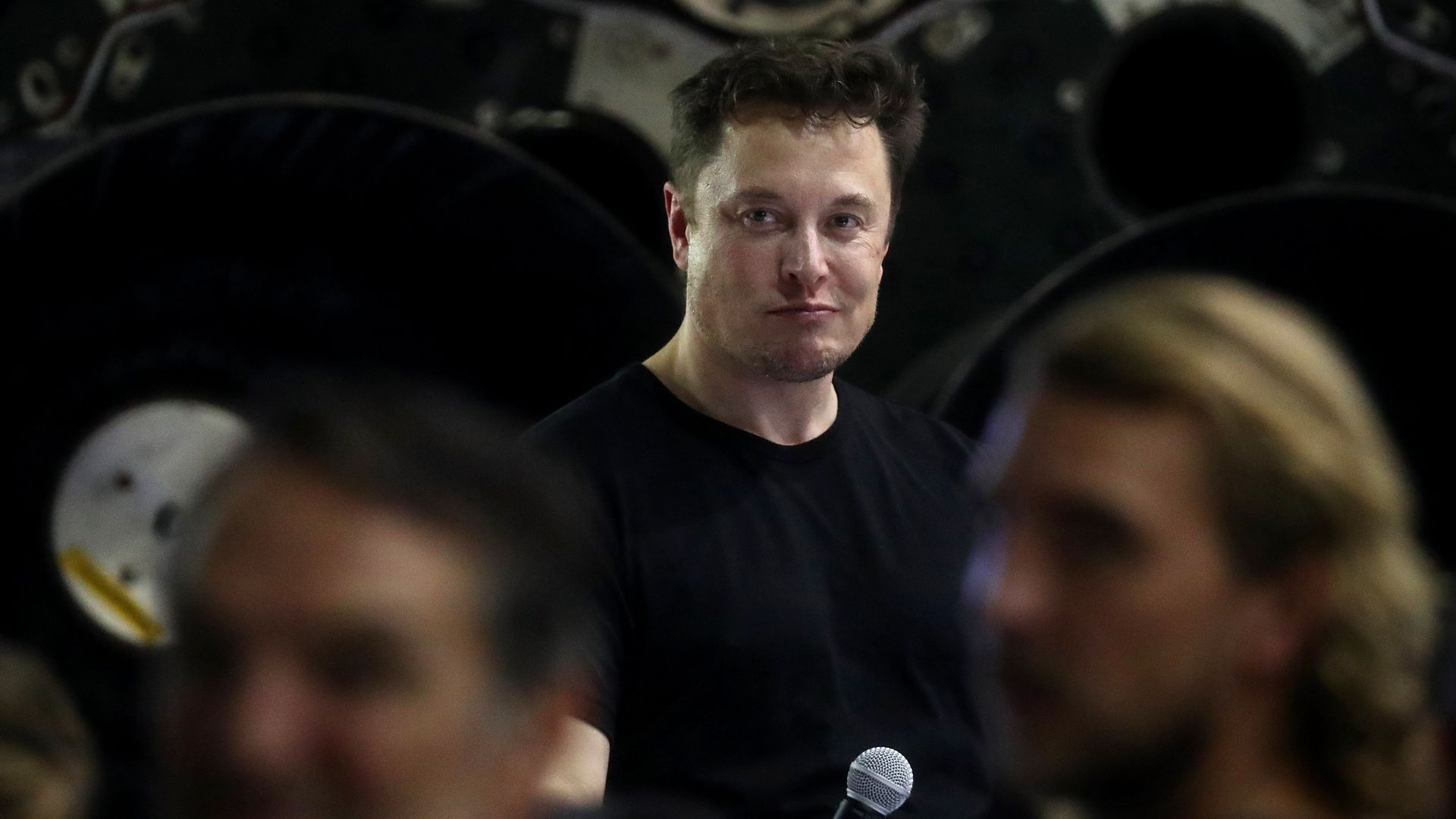
SpaceX and Tesla CEO Elon Musk admitted that he is "somewhat impulsive" in an interview with Lesley Stahl for "60 Minutes." When asked what he felt about being called erratic or unstable, he said, "I'm just being me."
Background: Over the past several months, Musk came under fire for starting Twitter wars, calling one of the divers working to rescue the Thai soccer team from a cave a "pedo" and smoking weed during a podcast. "I mean, I was certainly under insane stress and crazy, crazy hours," Musk said in the interview. "But the system would have failed if I was truly erratic."
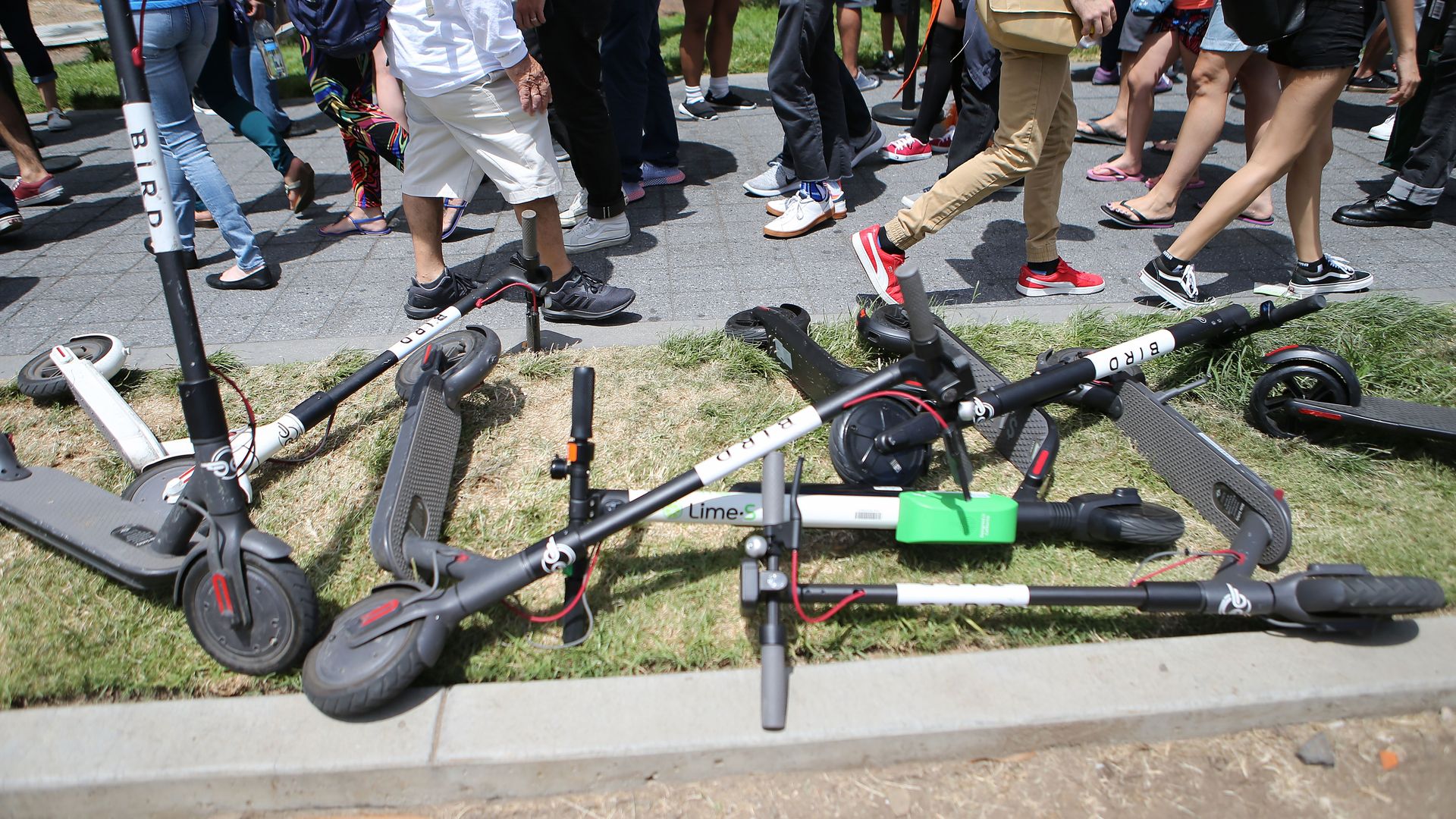
The Information recently reported that Uber was in acquisition talks with e-scooter companies Bird and Lime for "what could be a multibillion-dollar deal."
Big picture: The e-scooter companies are running low on cash, which means they either need to raise new money, get acquired or merge with one another. All options remain on the table, with the likely exception of Uber buying Bird, according to multiple sources.
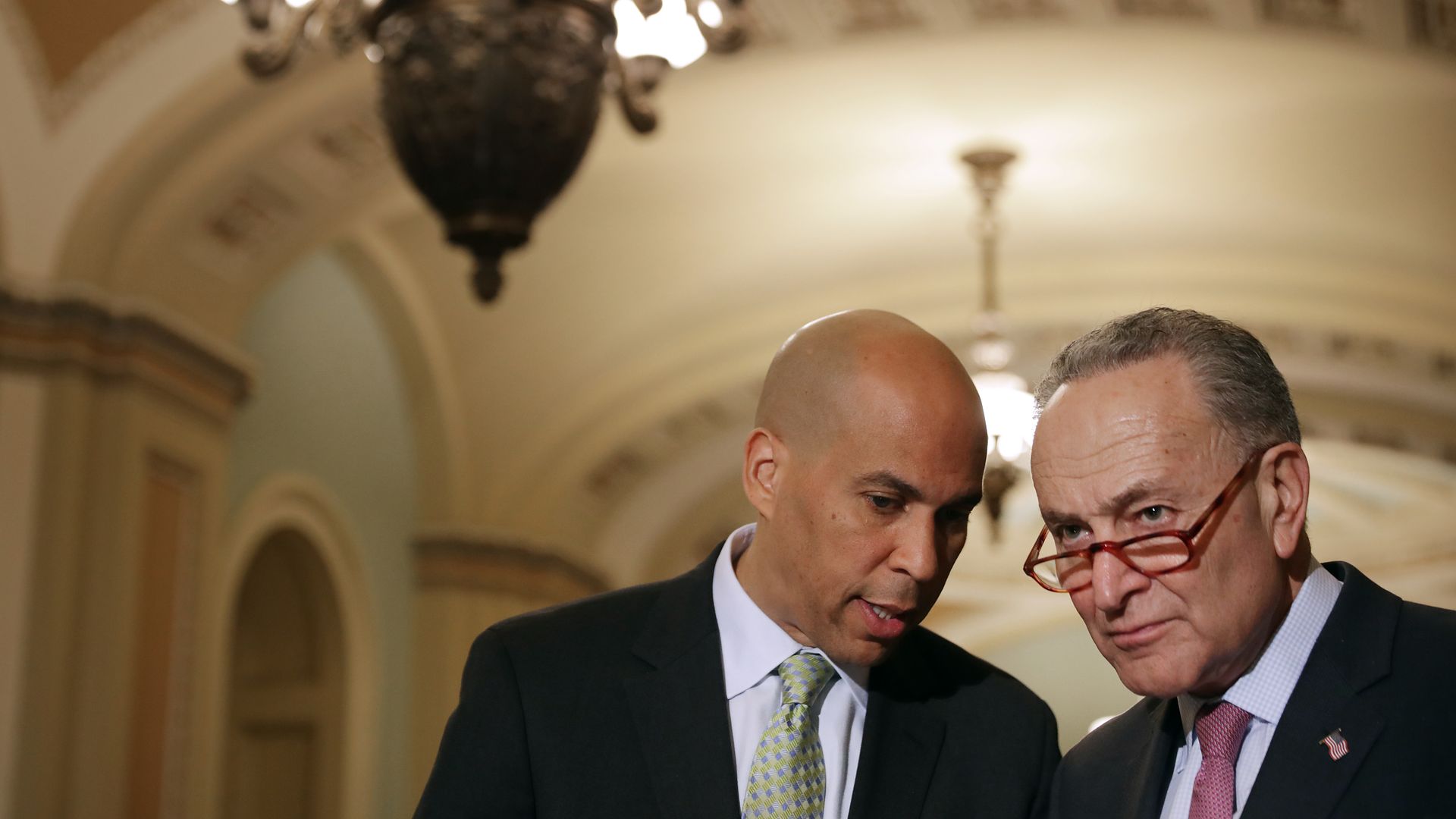
The Senate's top Democrat is telling President Trump that any infrastructure deal must contain robust moves to bolster zero-carbon energy and build resilience to climate change.
Why it matters: Senate Minority Leader Chuck Schumer' demand — spelled out in a new Washington Post op-ed — is the latest sign that climate is emerging as a priority for Capitol Hill Democrats, at least for now.
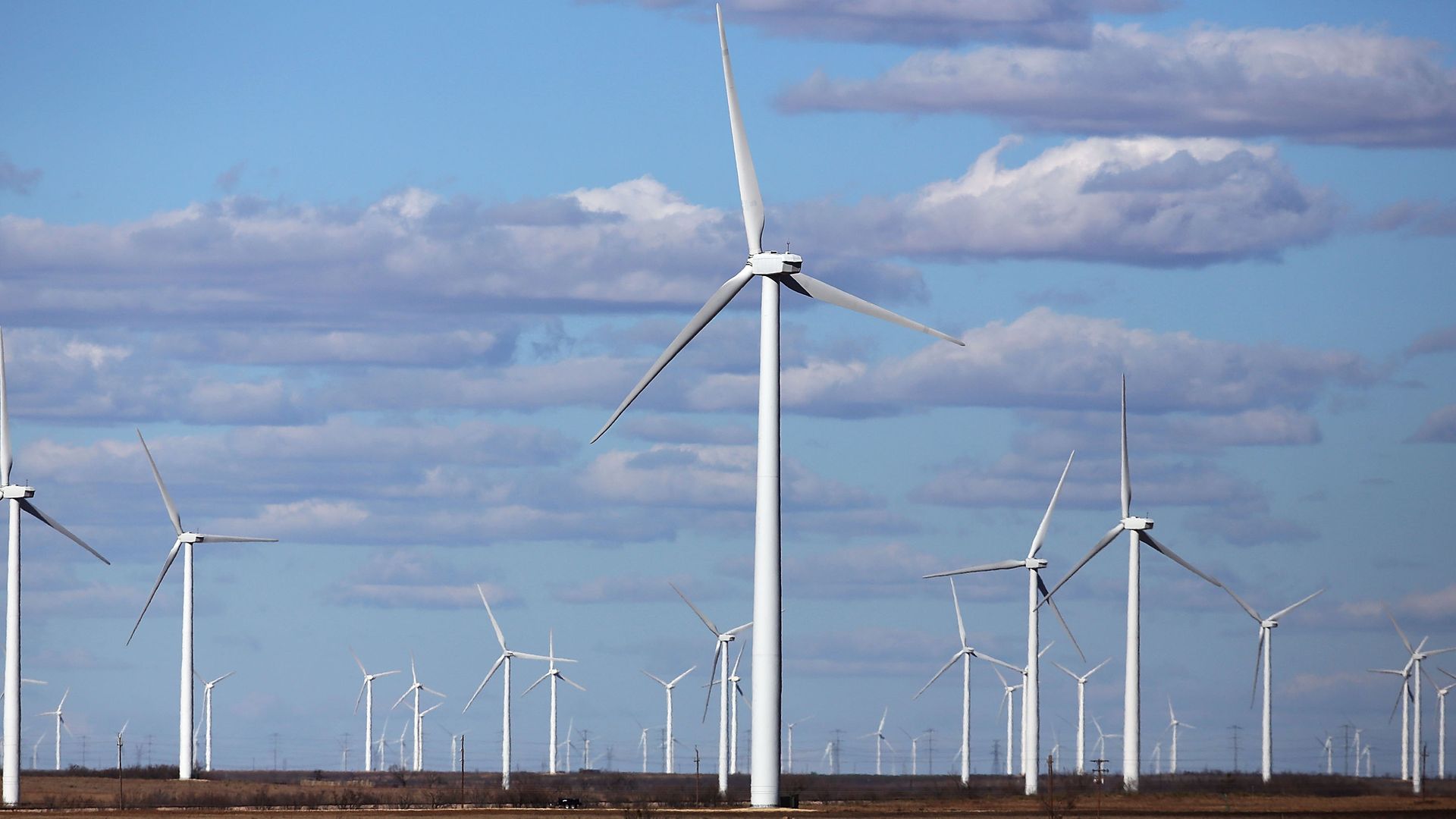
U.S. businesses have started to accelerate reductions in their carbon footprints — a major change from just a few years ago, when only early adopters had drafted sustainability goals. Today, thousands of companies are seeking carbon-free energy sources, with more than 150 firms pledging to transition to 100% renewable energy.
The big picture: Renewable energy certificates (RECs) — which track renewable energy from the point of generation — have been crucial in driving this shift. Increasingly, electricity suppliers are offering ways for businesses to get their power from specific projects or sources, bringing transparency to renewable energy use.
There's another shake-up in Tesla's top ranks: Tesla announced late Thursday that the prominent trial lawyer Dane Butswinkas, chairman of the Beltway firm Williams & Connolly, is joining the company as general counsel. He's replacing Todd Maron, who has been the electric automaker's top attorney for the last half-decade.
Why it matters: It's the latest in a series of moves over the past year or so that have overhauled Tesla's executive team.
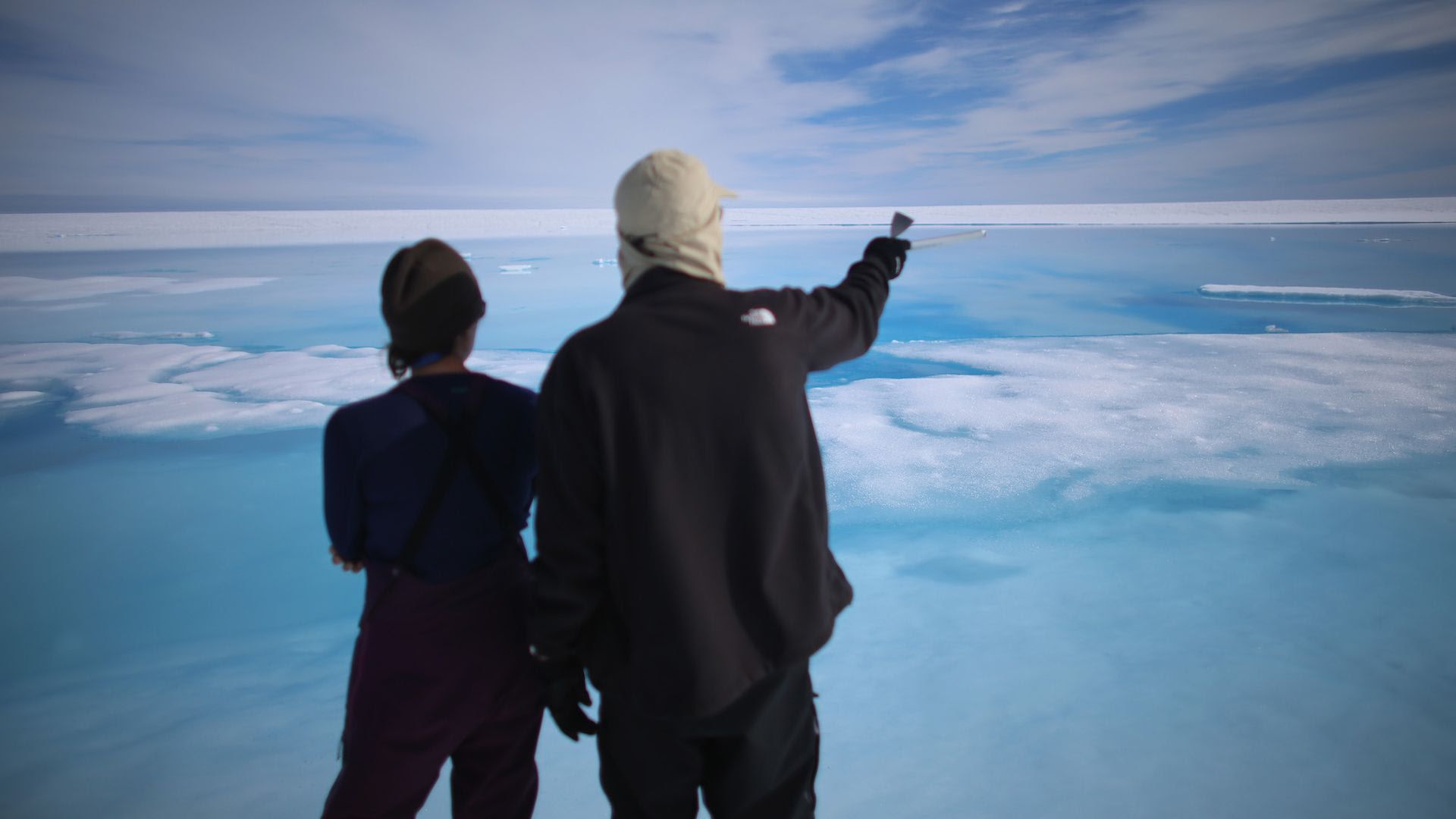
The magnitude of recent Greenland Ice Sheet melting is "exceptional" compared to the historical records for the past 350 years, according to a new study by a team of researchers from the U.S. and the Netherlands.
Background: When it comes to Greenland and sea-level rise, the basics are well known — air temperatures are rising, causing ice to melt from above. The water percolates down through the ice, and eventually flows into the ocean, where it adds to sea level. At the same time, glaciers are accelerating their flow into the sea as warming ocean temperatures eat away at them from below.