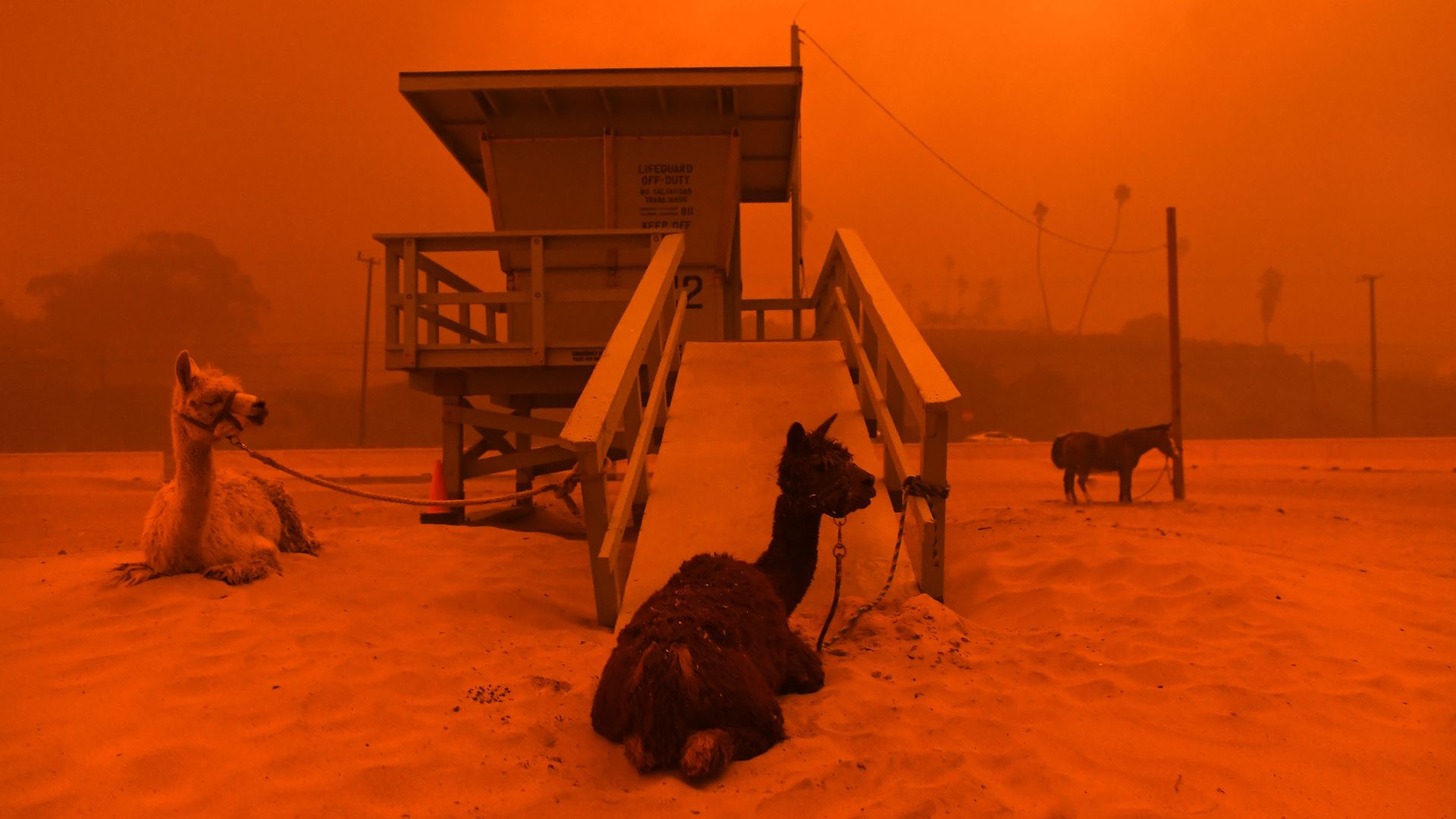
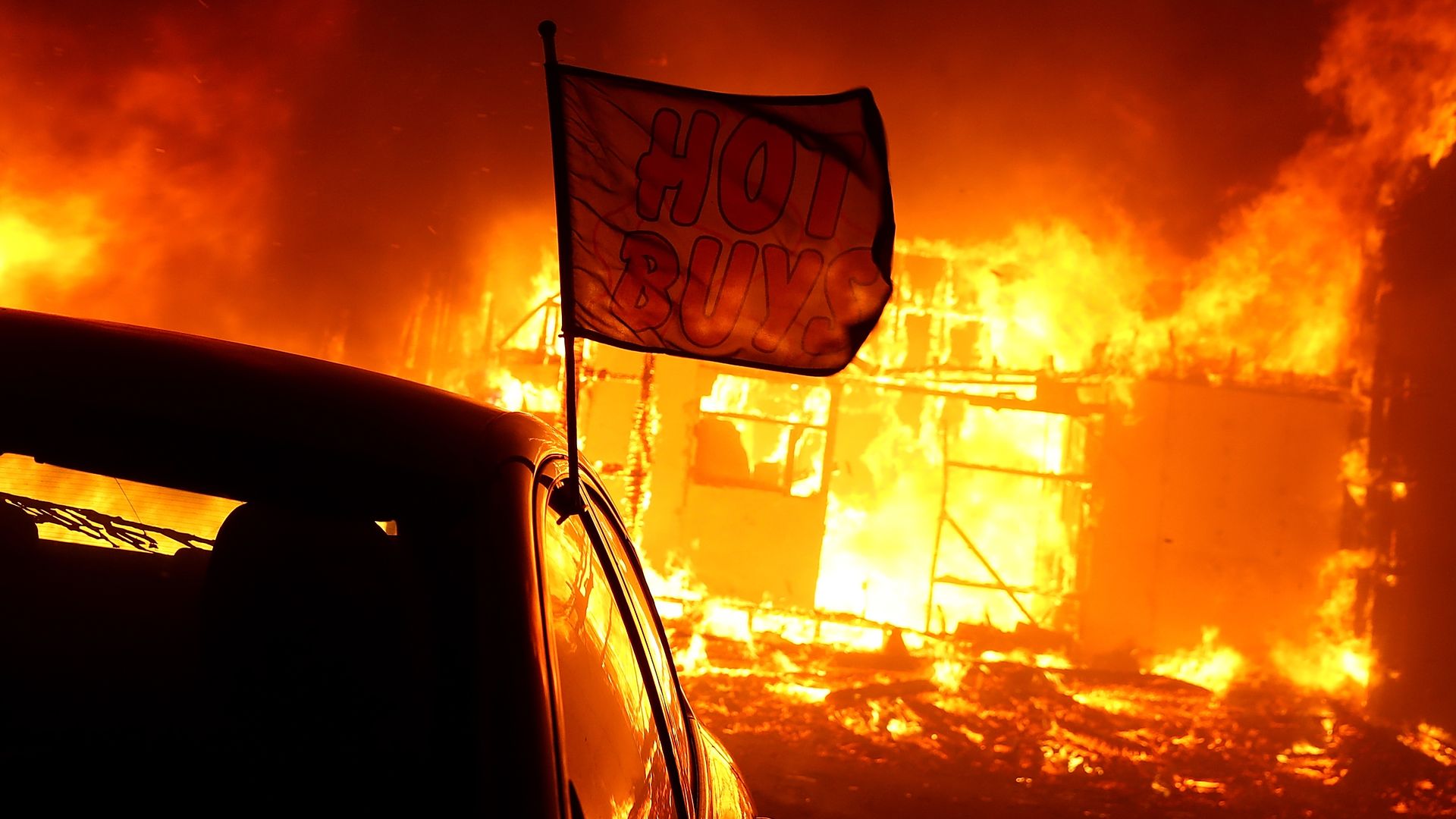
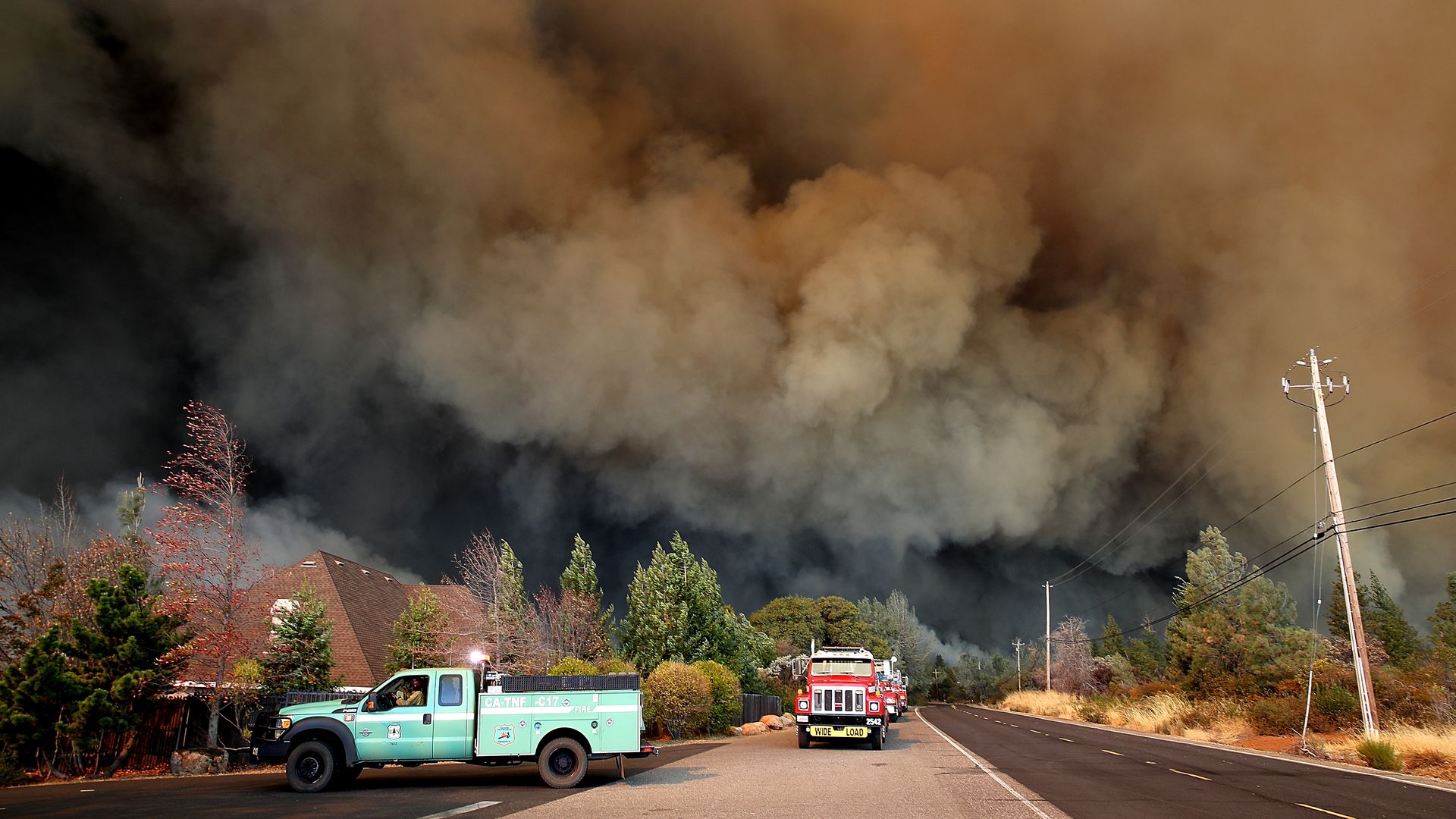
Nearly 250,000 people have been forced to evacuate their homes in Southern California as the Woolsey and Hill fires continue to wreak havoc the region.
The damage: The Woolsey fire, in particular, has covered 35,000 acres, the L.A. Times reports, and is still on the move as it creeps towards the coast through Oak Park and Thousand Oaks sustaining wind gusts up to 50 miles per hour. The fire has taken at least 100 structures, according to the Los Angeles fire chief. Among the damaged structures is Paramount Ranch in Agoura where HBO's "Westworld" has been filmed.
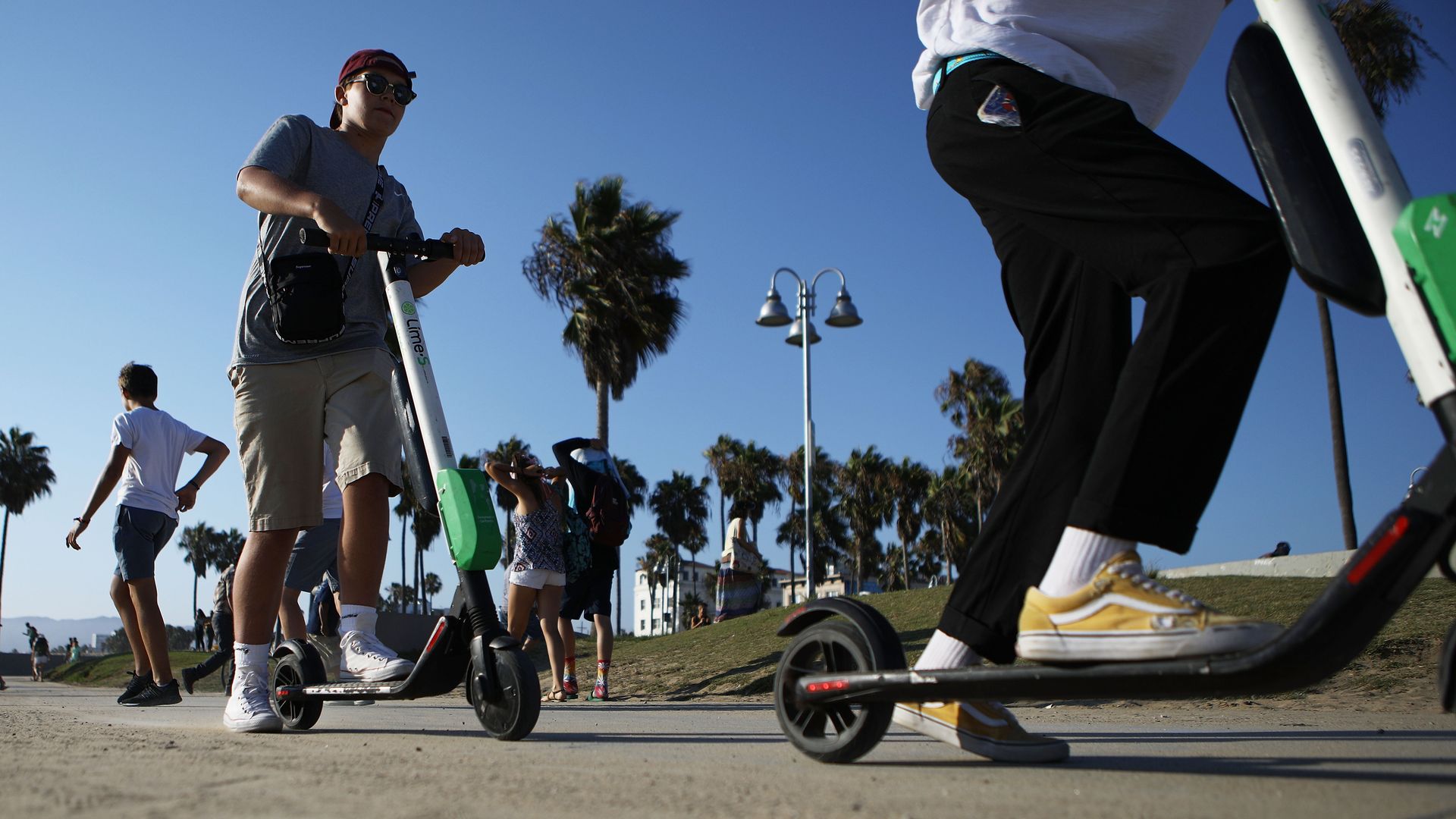
The Los Angeles transportation department and Remix, a startup that provides planning tools to cities, have inked a partnership with scooter and bike companies Lime and Spin as part of its push for a mobility data standard.
Driving the news: Earlier this year, Los Angeles announced it wants to create a data standard for transportation modes like shared bikes and scooters. The standard, dubbed the “mobility data specification,” aims to make it easier for cities use the companies’ data to monitor activity, enforce rule violations, and communicate needs such as a lack of vehicles in a particular area.
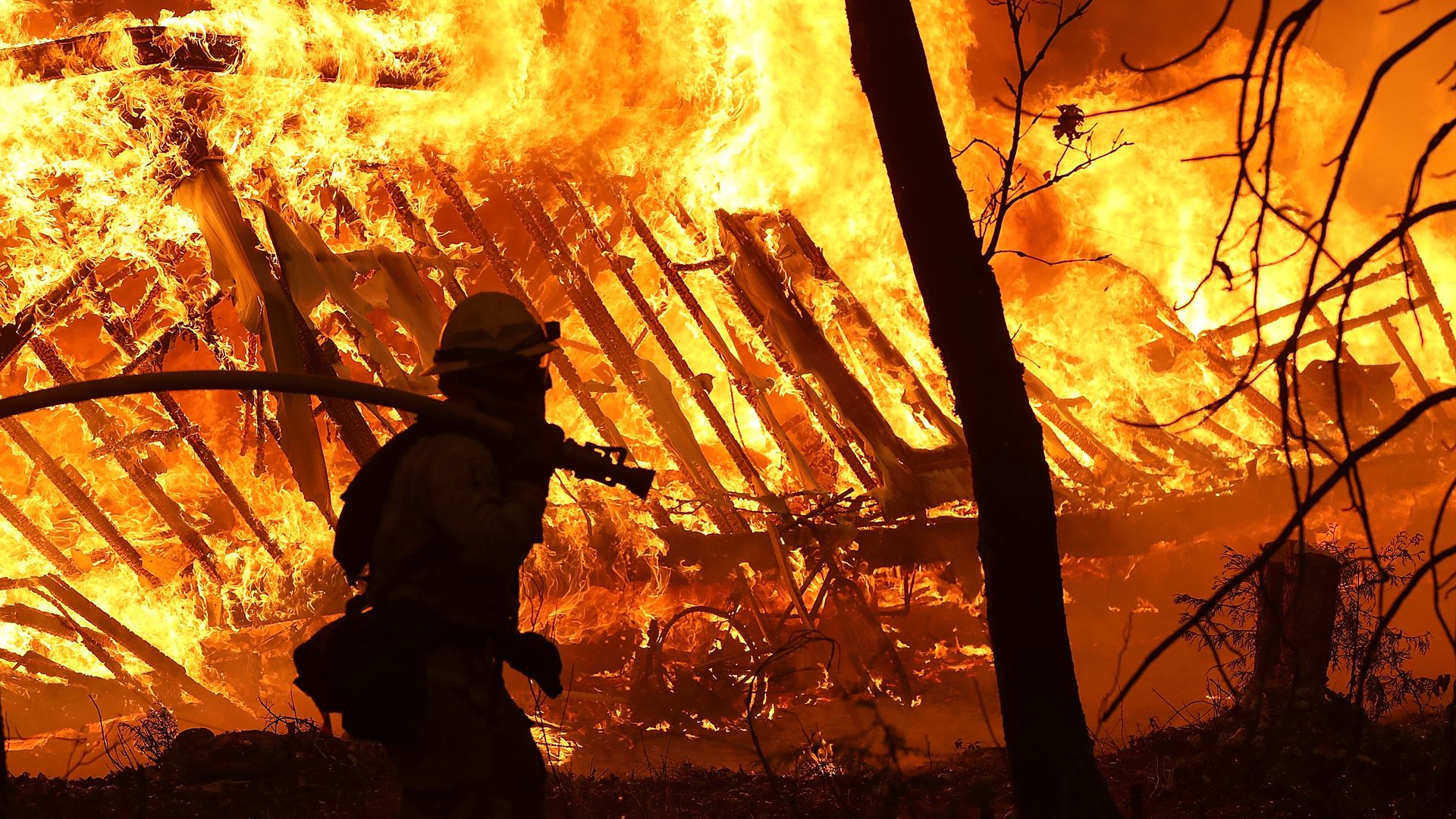
The California Camp Fire has burned more than 100,000 acres and is at 20% containment Saturday morning as it ravages the state as the most destructive wildfire in its history.
President Trump threatened to pull federal funding from California in a tweet on Saturday for the state's "gross mismanagement of the forests," as the most destructive wildfire in the state's history ravages the region, demolishing homes and leaving multiple people dead.
The big picture: Trump says there's "no reason" for the fires, of which there were three, "except that forest management is so poor." Axios' Science Editor Andrew Freedman reported that the increased wildfire risk in California is due to a combination of longer-term climate change and population growth, and it's only going to get worse as climate change leads to longer dry seasons.
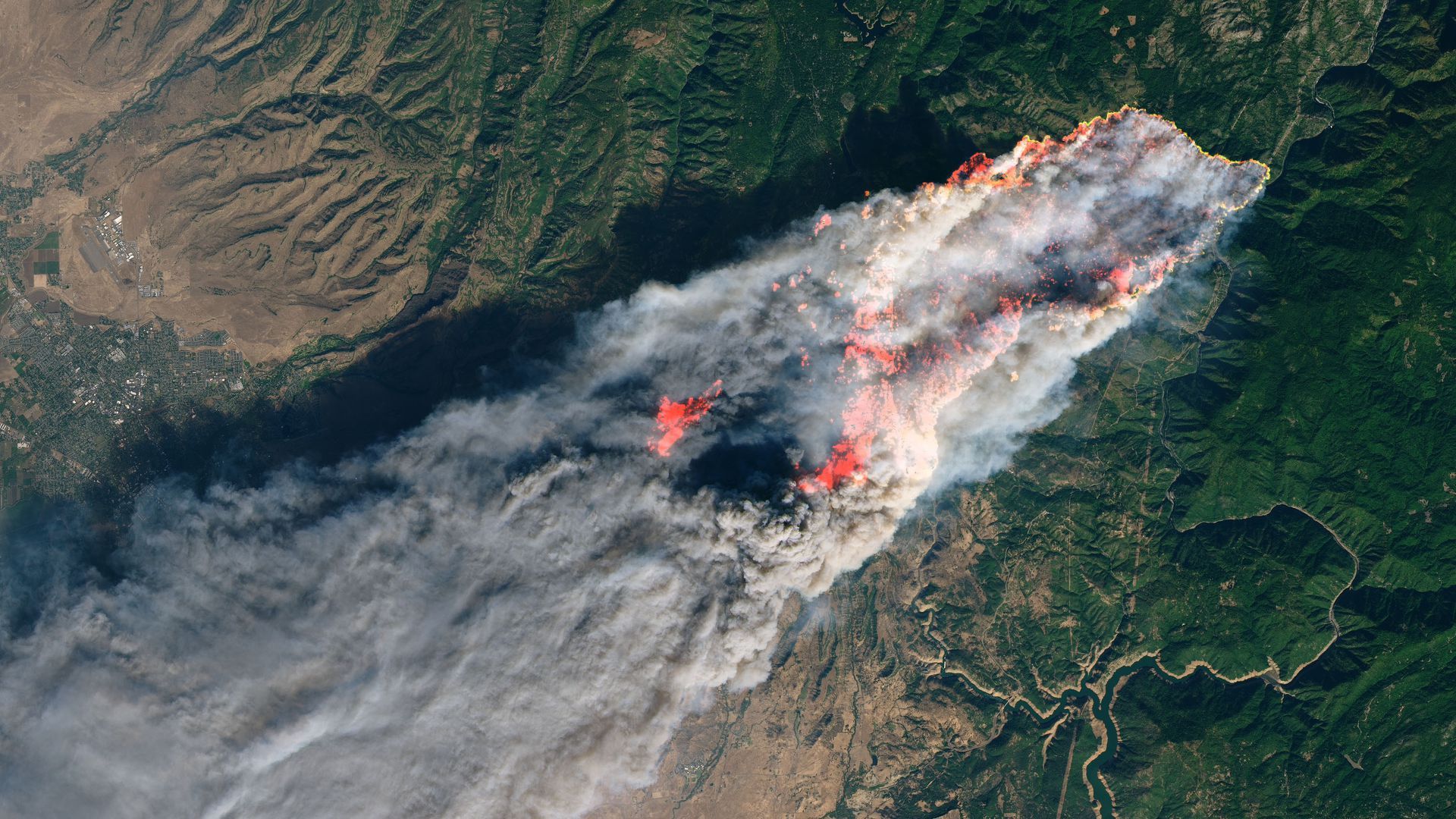
California's Camp Fire, which largely destroyed the town of Paradise, is now the most destructive wildfire in state history in terms of property damage.
The big picture: According to officials, the fire has destroyed at least 6,713 homes, businesses and other structures, while killing multiple people. Both the property count and death toll are likely to rise as officials comb through the wreckage. This fire surpasses the damage from the previous record-holder, which was the deadly Tubbs Fire, which devastated Santa Rosa in the state's wine country just 13 months ago.
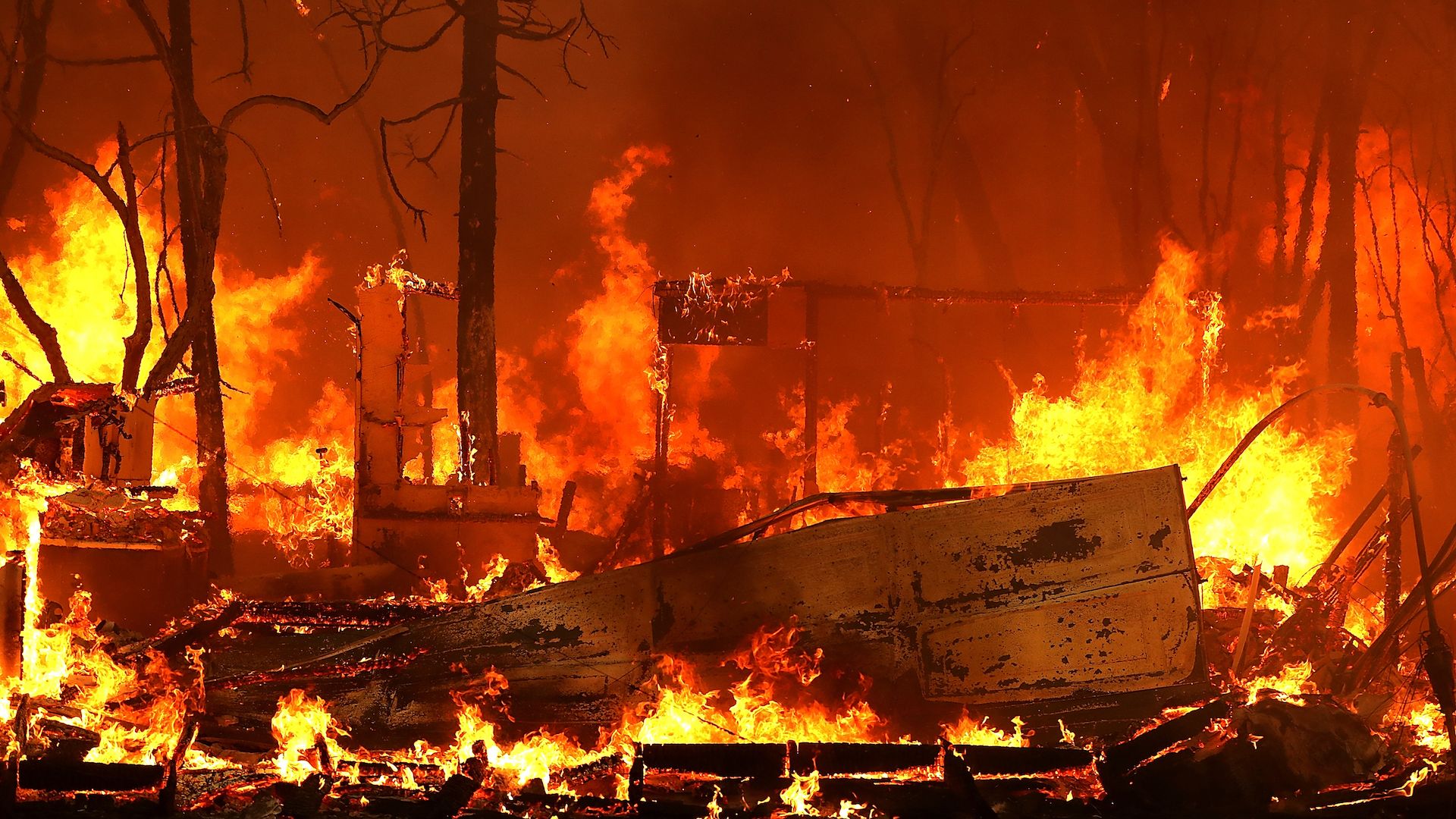
At least 3 major wildfires are blazing across California, killing citizens trapped by their rapid spread and threatening iconic towns like Malibu. The town of Paradise, home to about 30,000, has been almost completely destroyed, according to Cal Fire.
The big picture: "With fires also burning in Southern California, state officials put the total number of people forced from their homes at 157,000," the AP reports.
Three wildfires gained momentum in California early Friday morning, USA Today reports, spurring major evacuations. As of this morning, the three fires "were at zero percent containment."
The details: The Camp Fire is in the northern part of California, and has "pretty much ... destroyed" the town of Paradise, a community of 27,000, Cal Fire Capt. Scott McLean said, while the Hill and Woolsey fires are in Ventura County. At least five people died after their vehicle became engulfed in flames in Paradise, CNN reports citing the Butte County Sheriff's Department.
Government officials have ordered the beach town of Malibu, California to be evacuated as a rapidly growing wildfire makes its way south, the AP reports.
The latest: Three wildfires have gained momentum in California, spurring major evacuations in the region. As of Friday morning, the three fires "were at zero percent containment," according to USA Today.
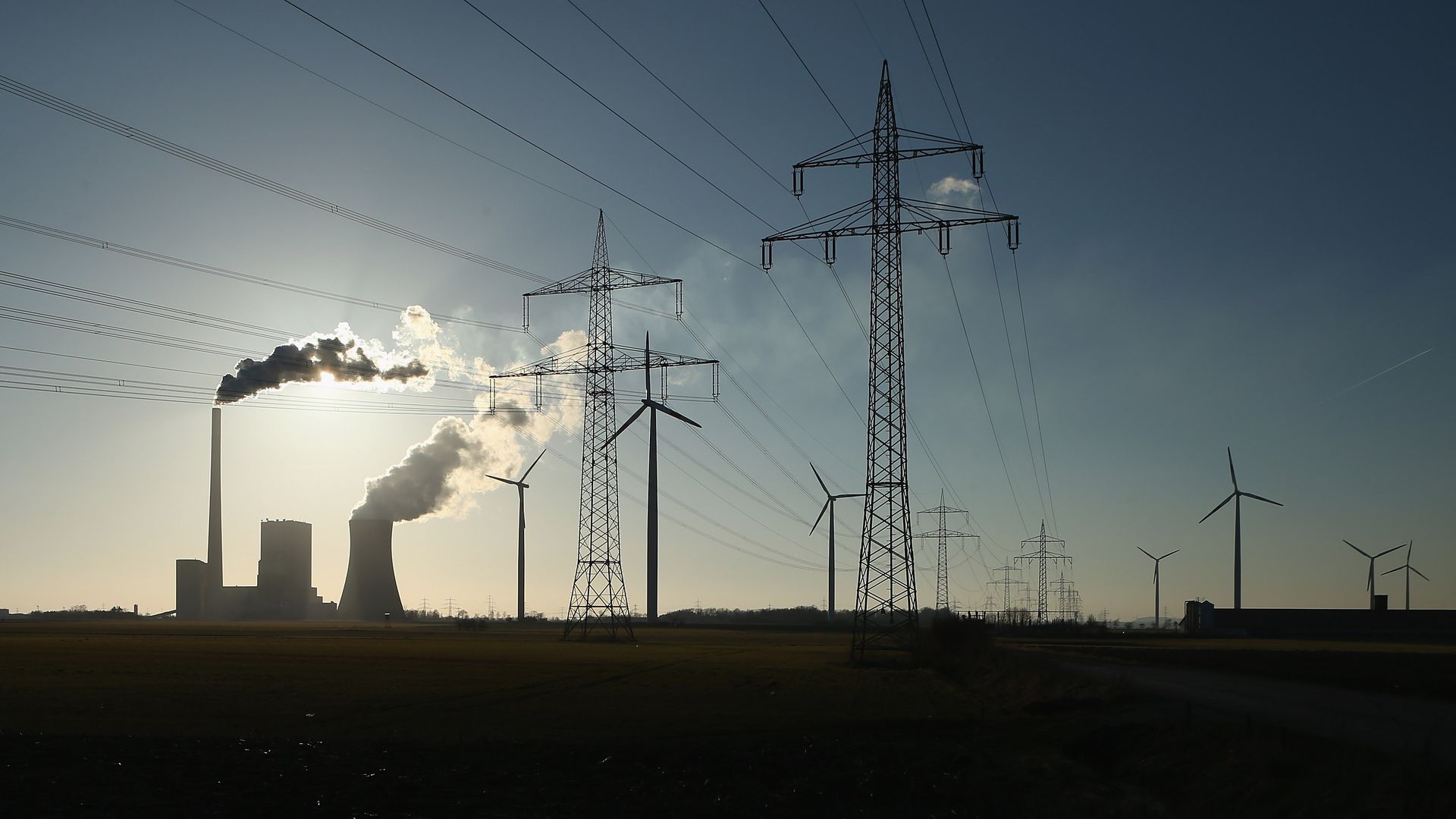
The cost of building and operating renewable electricity plants has dropped below the expense of keeping coal-fired plants running under some circumstances, according to a new analysis.
Why it matters: The financial advisory firm Lazard's report is another data point showing that wind and solar are increasingly competitive with traditional power sources without tax subsidies, which widen the edge but expire in coming years.
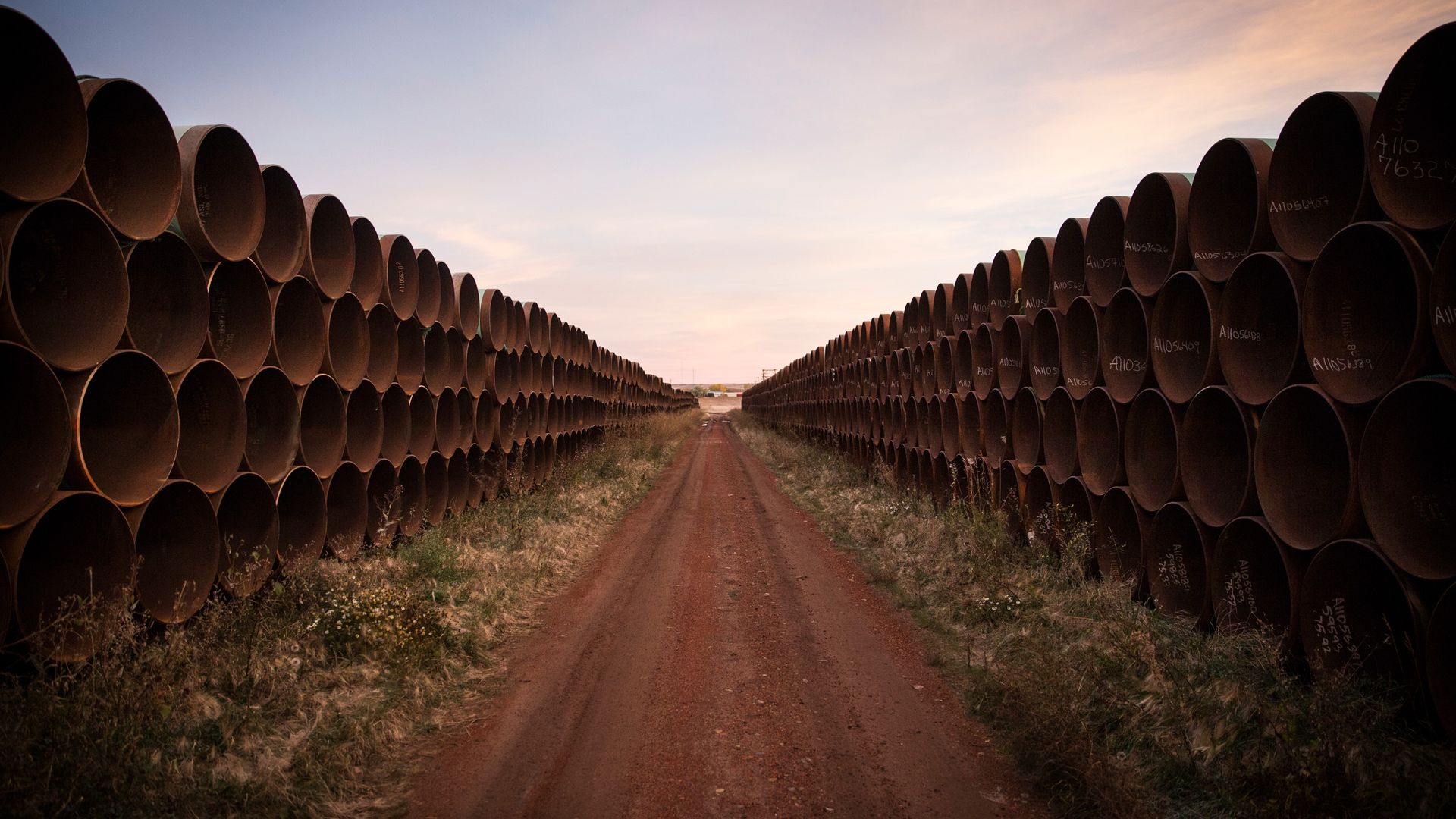
A federal district court judge in Montana thwarted construction of the proposed Keystone XL pipeline late Thursday, ruling that the Trump administration must first provide an updated environmental analysis.
Why it matters: The ruling is a setback for White House efforts to enable construction of the pipeline — first proposed a decade ago — that would carry hundreds of thousands of barrels per day from Alberta's oil sands to U.S. markets.
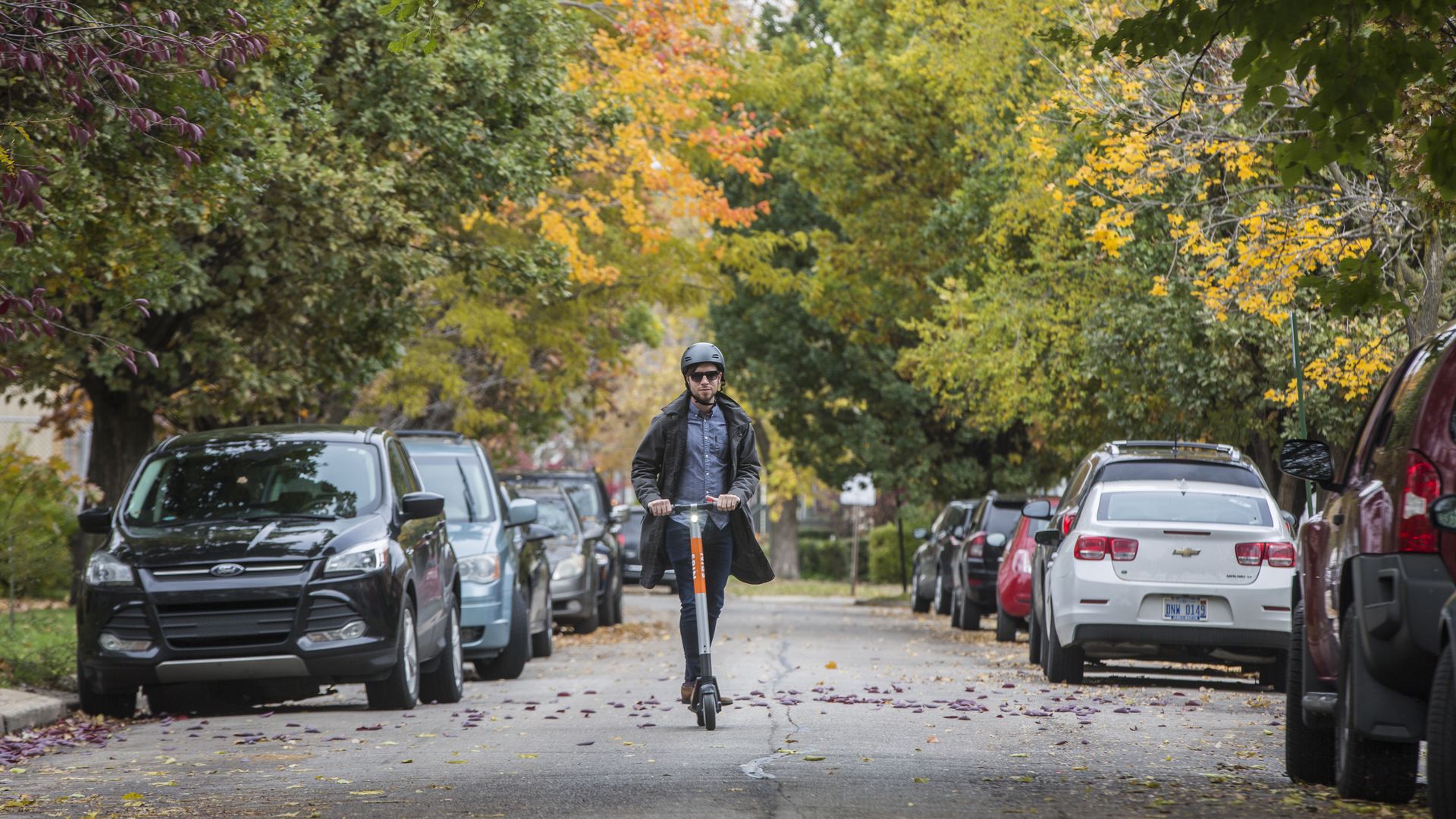
Why it matters: By 2030, 60% of the world's population will live in urban areas, per the UN's World's Cities in 2016 report. As cities get more crowded, commuters are looking for alternative ways to complete their journeys, from ride-hailing to e-bikes to scooter-sharing — sometimes combining all three in a single trip.
What's new: Ford just paid close to $100 million to acquire Spin, an electric scooter-sharing company based in San Francisco with operations in 13 cities and campuses across the U.S.
Ford had already dipped its toes into scooters with the recent rollout of its Jelly service on the campus of Purdue University, which also happens to be Spin CEO Derrick Ko's alma mater.
What's next: GM will launch the e-bikes in 2019 under a new, as yet unnamed brand.
The first 2 products have been designed: one foldable, the other compact, both using a proprietary propulsion system developed by GM.
They'll be equipped with integrated safety features, including rechargeable front and rear LED lights.
The bikes will be "smart" and "connected," using telemetry inspired by GM's OnStar service
GM has launched a contest to name the new e-bike brand. The winner, to be announced in early 2019, gets $10,000.
What to watch: Amid a massive shift in transportation, automakers like GM and Ford will likely introduce more of these micro-mobility services as a way to hang on to customers who no longer feel the need to own a personal automobile.
A massive and rapidly-spreading California wildfire ignited Thursday, and within six hours grew to 18,000 acres in size, according to Cal Fire. The fire overran the town of Paradise, forcing its 30,000 residents to flee by any means possible. Multiple structures were reportedly destroyed.
Thought bubble from Axios Science Editor Andrew Freedman: This is the latest in a string of fast-moving, explosive wildfires that has spread into a populated area on short notice. Similar to other wildfires from the past two years, this one involved high winds and near-record dry conditions. The fire is the latest example of how climate change is leading to more extreme behavior by making the combination of very hot, extremely dry conditions both more intense and more frequent.