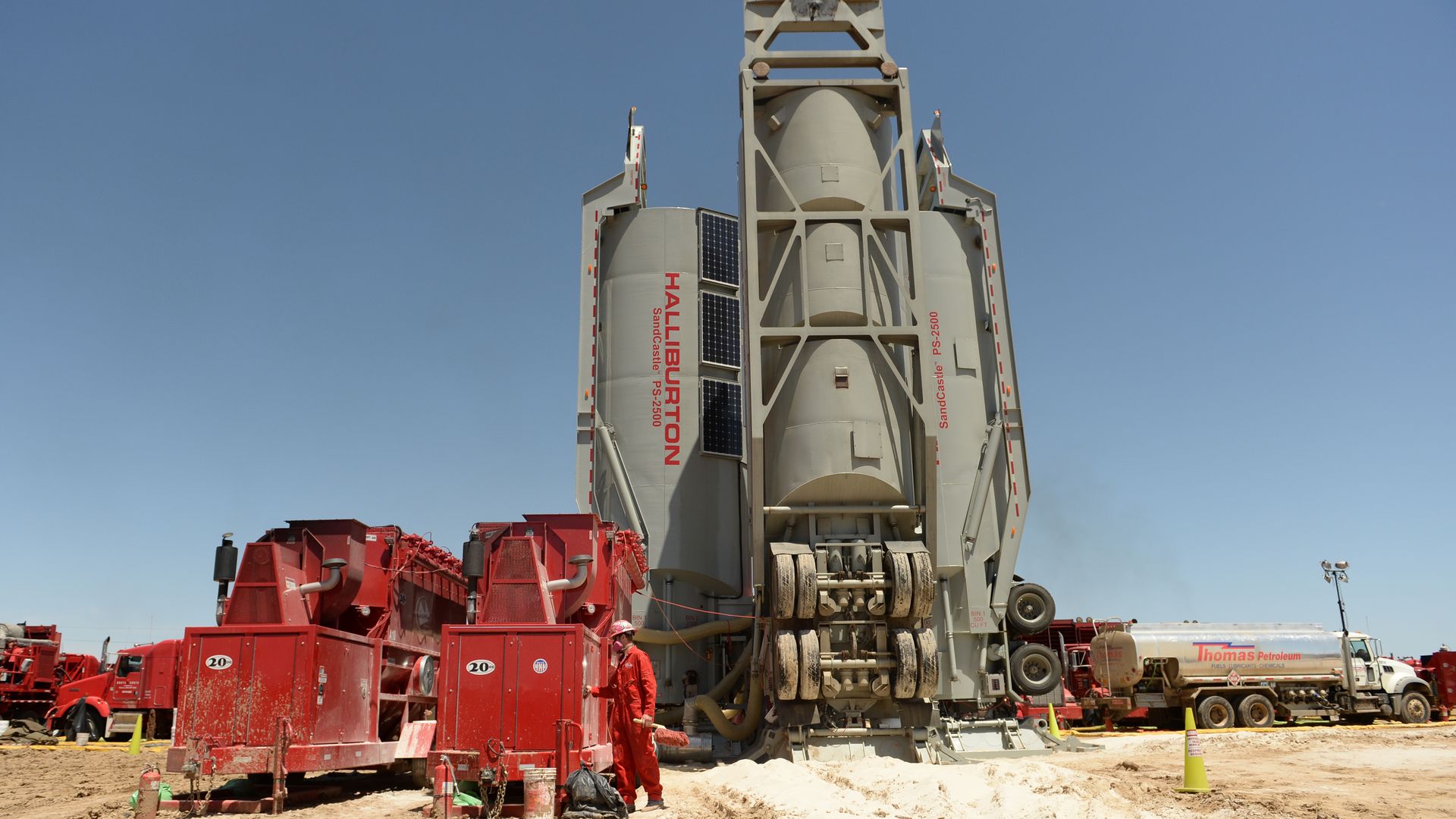
A majority of investors of Anadarko Petroleum Corporation approved a non-binding, but symbolically important, resolution related to climate change during the producer's annual meeting Tuesday, and similar votes at other energy companies are expected in the coming days.
Why they matter: They’re the latest in a trend of investors increasingly calling on publicly held fossil-fuel companies to be more transparent about how policies to cut greenhouse gas emissions could impact their bottom lines despite President Trump's retreat on the issue.
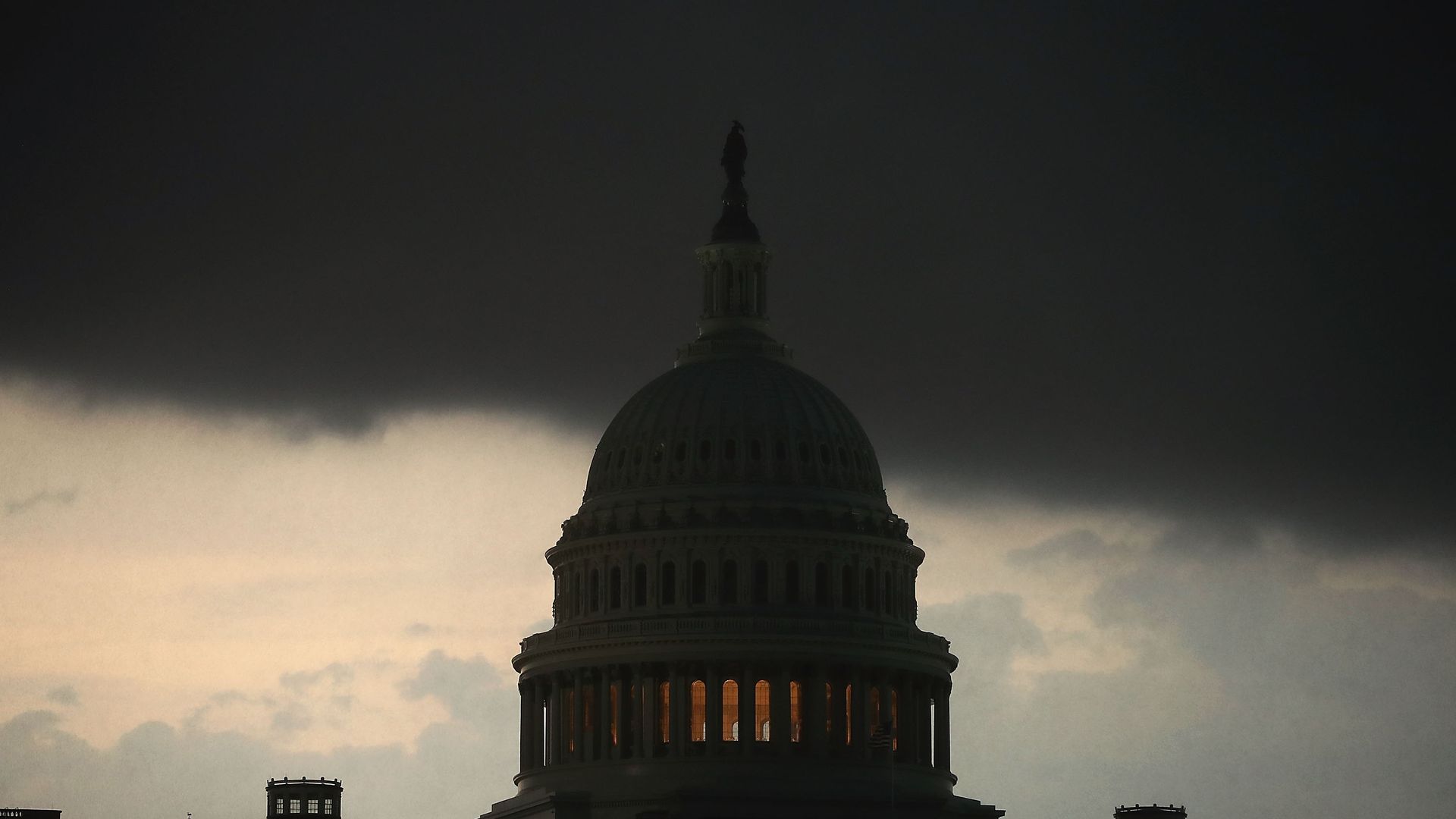
A day after a damaging weather event roared through Washington, a set of severe storms is hitting states in the Mid-Atlantic and New England regions, with expectations of derecho-like weather of wind damage, isolated tornadoes and large hail up to the size of a baseball.
Why it matters: The storms are likely to disrupt primary voting in central and eastern Pennsylvania, where every congressional district is holding a primary on Tuesday due to redistricting. They could also damage property and threaten lives from Washington to Boston, with New York City and Philadelphia at greatest risk.
Lime, one of the startups filling sidewalks with electric scooters, is raising up to $500 million in new funding, possibly via a combination of equity and debt, Axios has learned from multiple sources.
Why it matters: With the recent scooter craze, rival startups like Lime, Bird, and Spin are seeking to build giant war chests.
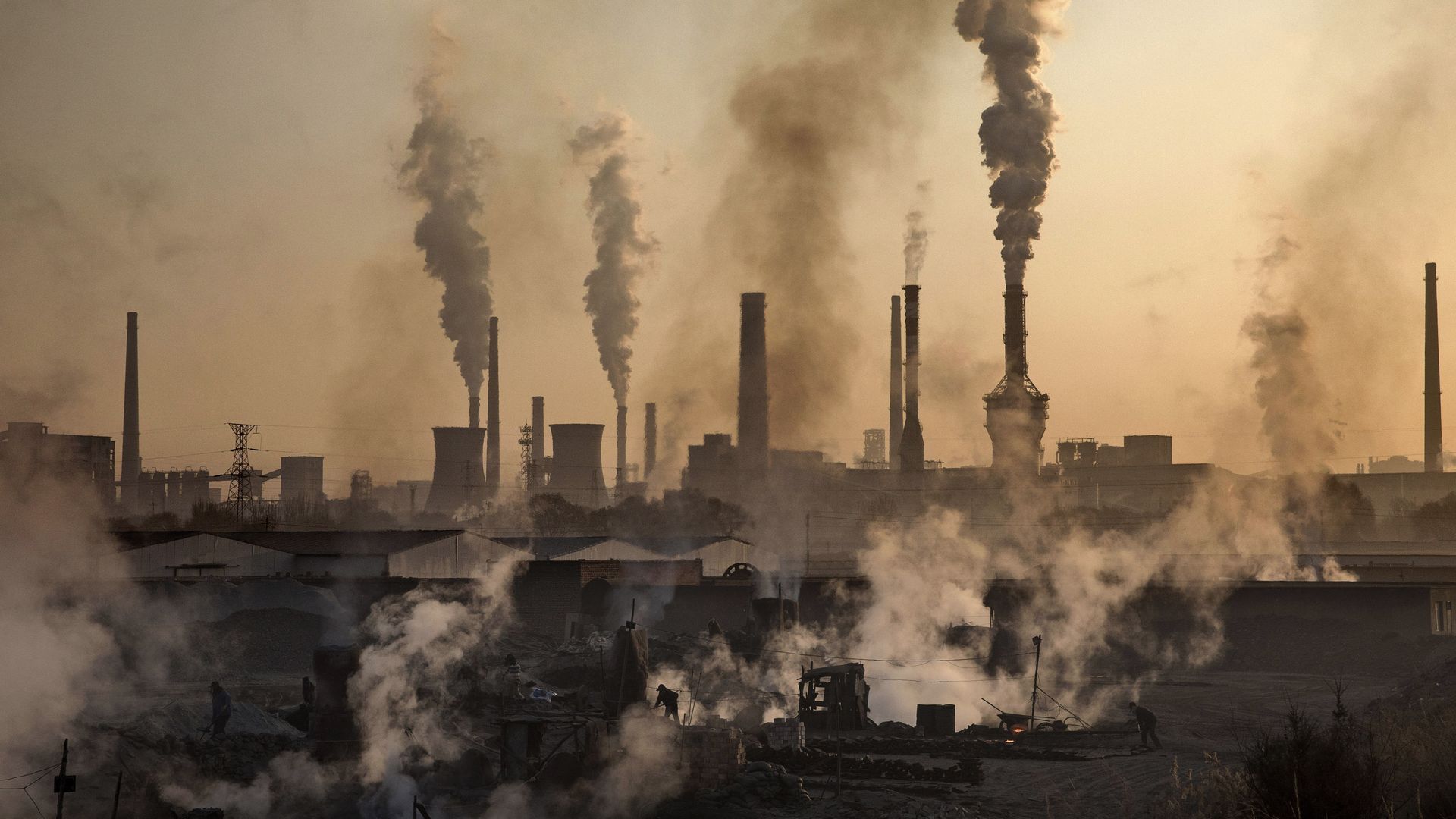
Two new analyses argue that a widely cited idea in climate policy and academic circles — to impose a carbon budget — has outlived its usefulness.
The argument: While the idea of a carbon budget has gotten a lot of traction in recent years, two pieces published Monday in Nature Geoscience say the specifics underpinning carbon budget studies have become so complicated and nuanced as to render the tool useless for actual policymaking.
The International Energy Agency forecast Tuesday that the number of air conditioners in buildings worldwide will more than triple by 2050, reaching 5.6 billion as demand surges in India, China and elsewhere.
Why it matters: Absent major efficiency gains, the added power demand will make it much harder to achieve the kind of worldwide carbon emissions cuts that would be needed to ward off potentially catastrophic warming levels.
Elon Musk is betting on Tesla to succeed, but a relentless exodus of senior executives could be a warning sign about the company's future.
Why it matters: “It is never a good sign when almost all your senior executives are leaving with the stock price at a high," billionaire short-seller Jim Chanos told Bloomberg Opinion's podcast. "That’s telling you there’s something wrong. And I don’t know what it is, but almost all the senior executives at Tesla see something and are leaving stock option packages on the table."
Following up: California's mandate that new single-family homes and small multi-family dwellings must come with solar panels starting in 2020 has touched off a dispute among climate advocates about whether it's a good idea.
Why it matters now: State and local policy is where the action is, as the White House has generally abandoned federal climate policies. Meanwhile, California's initiatives could bolster similar efforts in other states as solar continues to get ever cheaper, which expands the menu of policy options.