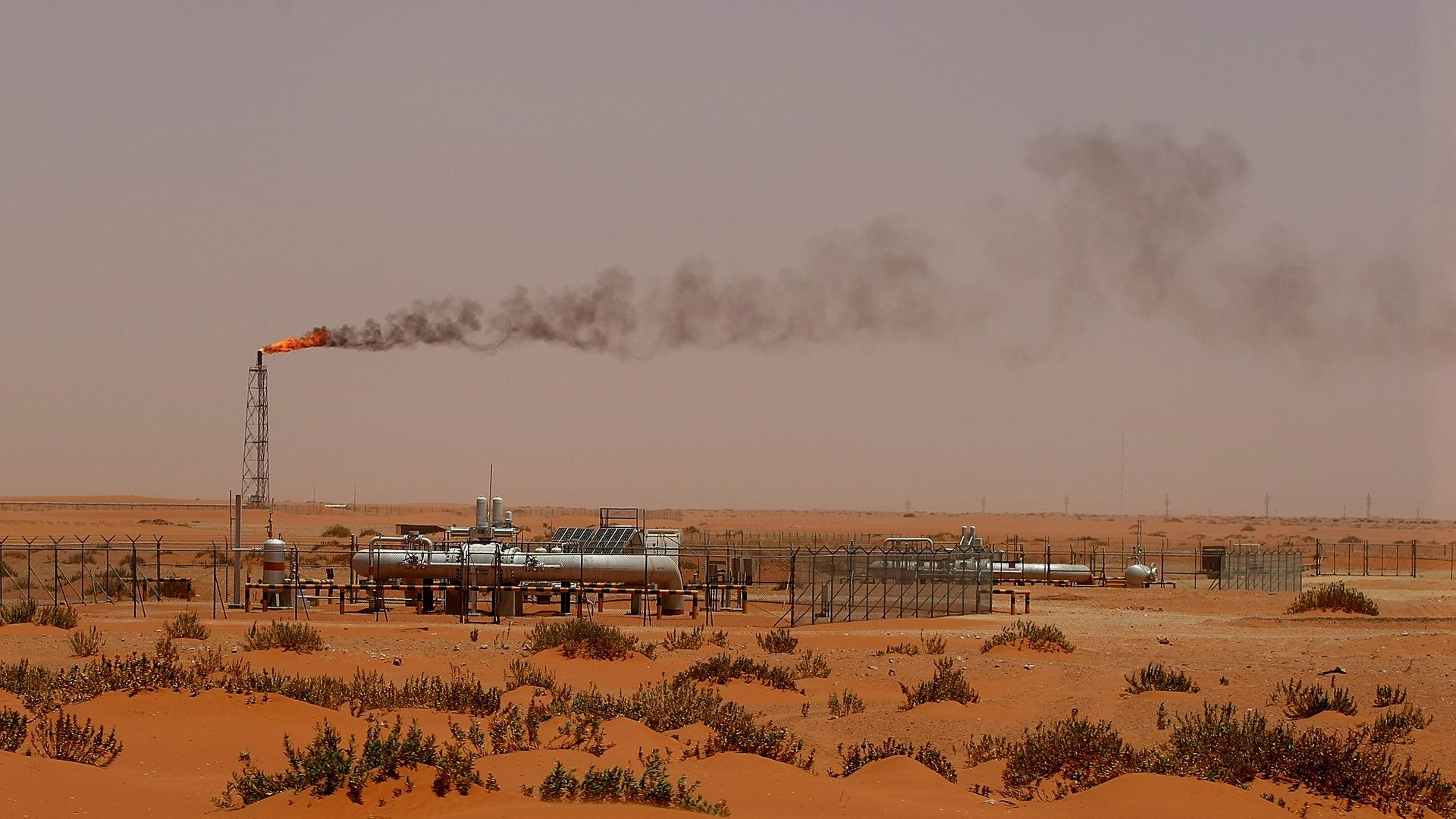
HOUSTON — The CEO of Saudi Aramco, the kingdom's state oil giant, says he's not worried about peak oil demand. But he is worried about how fashionable the idea has become these days.
“We must challenge mistaken assumptions about the speed with which alternatives will penetrate markets, and leave people no doubt that misplaced notions of peak oil demand and stranded resources are a dire threat to an orderly energy transition and energy security.”
— CEO Amin Nasser at a major energy conference
Why it matters: His lengthy remarks during a speech to the CERAWeek by IHS Markit conference highlight the growing prominence of debates over when the global thirst for oil will stop growing and head downward. Nasser added that the industry will need to invest over $20 trillion over the next 25 years to meet rising demand for oil and natural gas.
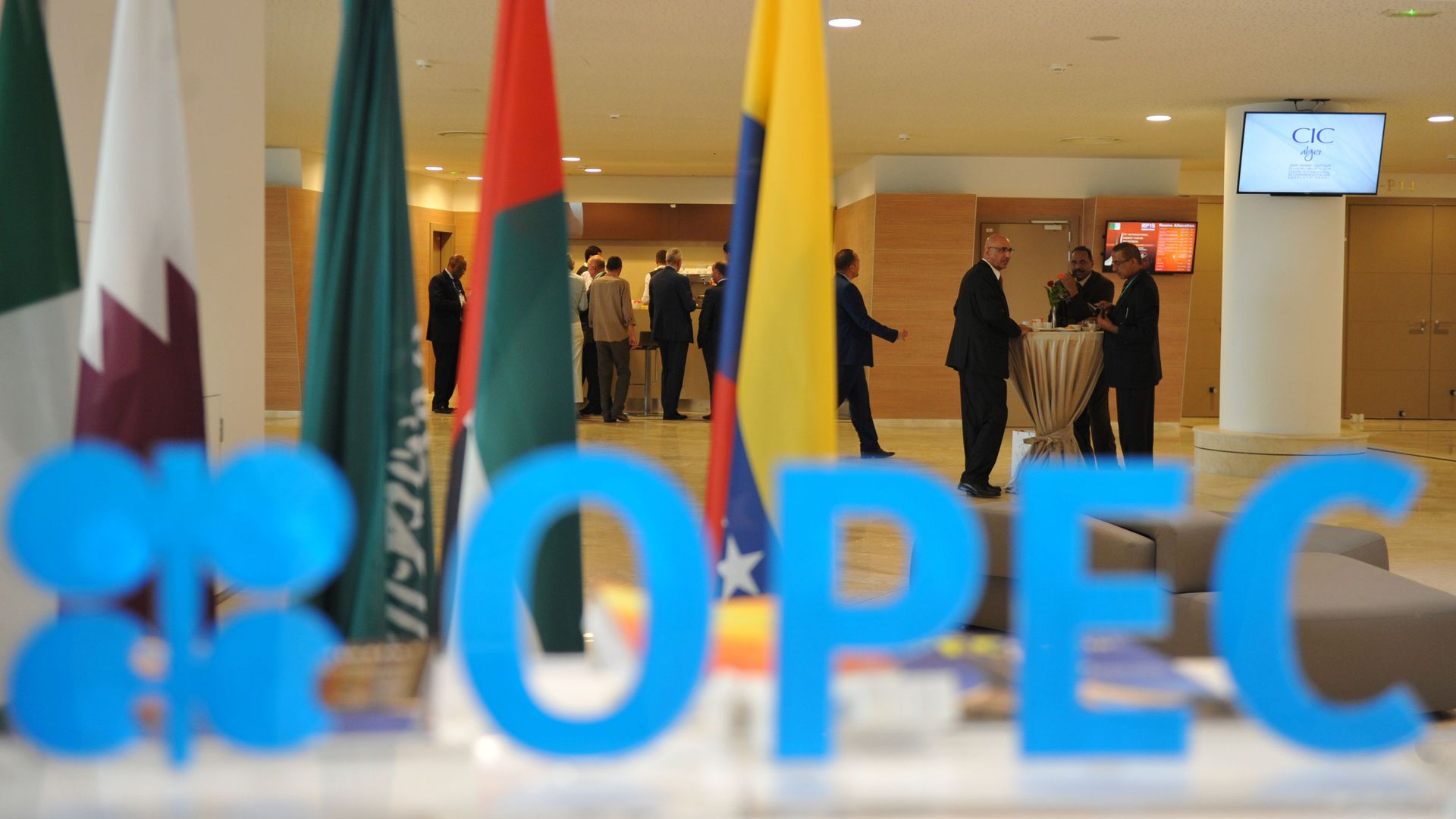
HOUSTON -- A dinner meeting last night between OPEC officials and U.S. shale oil producers was congenial and informative, the CEO of top U.S. oil producer told Axios on the sidelines of a big energy conference here Tuesday.
Why it matters: American oil companies have become influential players in the global market over the last several years, testing the historical dominance of OPEC, the Organization of Petroleum Exporting Countries comprised of mainly Middle East nations. The sheer existence of the dinner indicates the seriousness that OPEC is taking U.S. producers. The dinner occurred for the first time last year at the same conference, called CERAWeek by IHS Markit.
The consultancy Rystad Energy has released new estimates of global oil resources that help underscore why the discussion in energy circles has transformed over the last decade from when supplies will peak to when demand will taper off, because there's lots of oil left and being discovered.
The data: "Rystad Energy estimates that liquid resources from mature assets grew 151 billion barrels over the last four years, which is almost 17% more than the amount produced in those years. This brings the total remaining liquid resource count to 1.227 trillion barrels as of year-end 2017," they said in a brief report.
"How the Middle East is sowing seeds of a second Arab spring" — Financial Times "Big Read" (subscription): "Few Arab countrieswere left untouched by the 2011 uprisings. ... Will greater repression replace subsidies as a way of containing social unrest in many of the autocratic states of the region?"
Why it matters: "After a prolonged period of low oil prices, instability and economic stagnation, governments grappling with budget deficits and a deepening dependence on foreign debt, are finally reining in state benefits. ... Critics fear the lack of jobs and increased repression could be tools for terrorist groups."
HOUSTON -- A recently passed U.S. law supporting projects capturing carbon emissions from fossil-fuel facilities will drive development of the technology in America, the top tech officer at Saudi Aramco said Monday at an energy conference.
Why it matters: Government-owned Saudi Aramco is the world’s largest oil company, so the predictions its top executives say hold significant sway in the global oil and natural gas industry. This technology is also considered essential to cutting carbon emissions to the level, scientists say, the world must reach to avoid the greatest risks associated with a warmer world.
Sam Nunberg, one of President Trump's earliest campaign advisers, has been subpoenaed to appear in front of a grand jury Friday as part of Special Counsel Robert Mueller's Russia probe, The Washington Post reports. Nunberg told the newspaper he will not comply with the subpoena and plans to tear the document up during an appearance on Bloomberg TV.
Let him arrest me. Mr. Mueller should understand I am not going in on Friday.
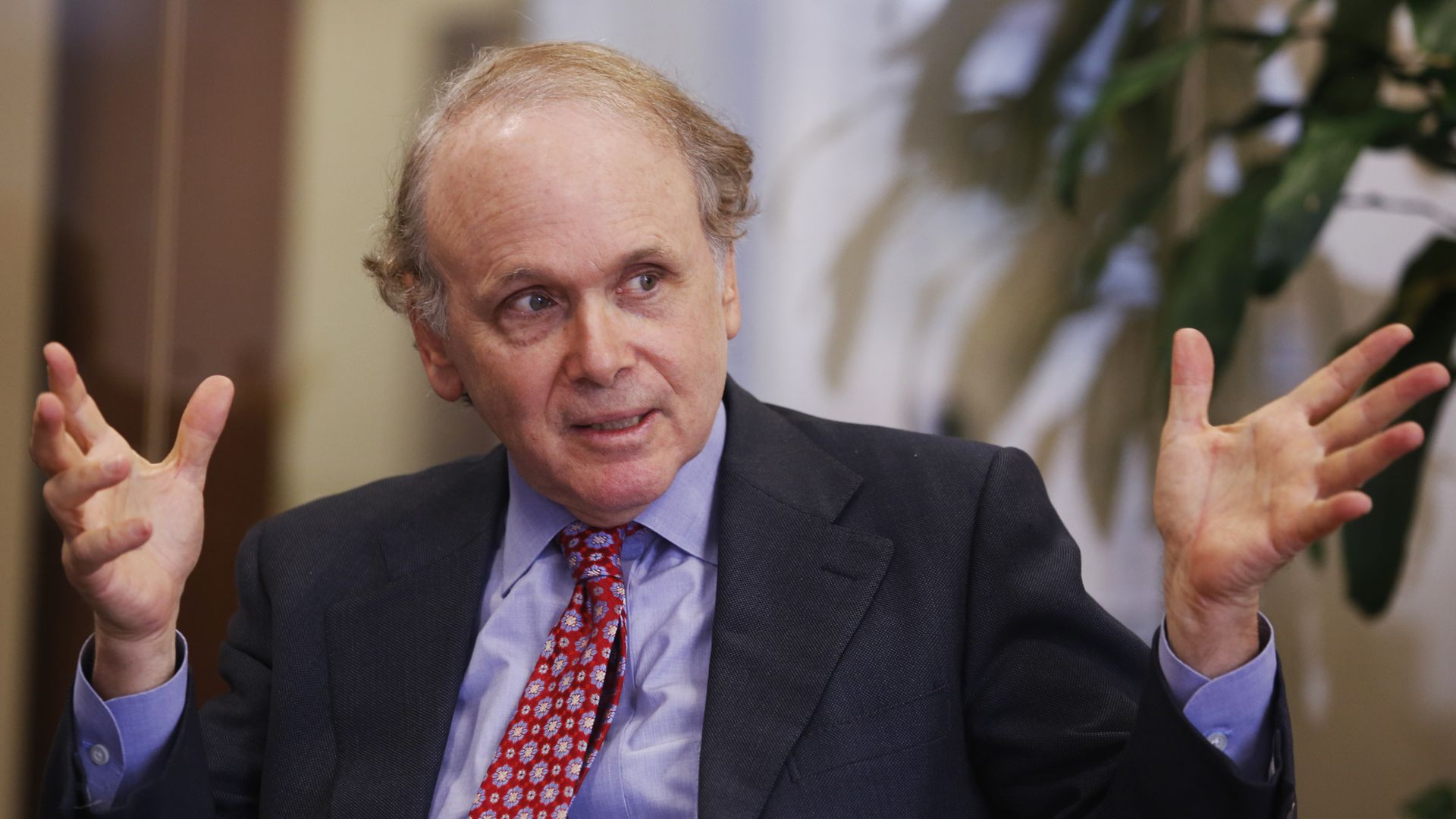
HOUSTON -- The big energy confab CERAWeek by IHS Markit gets underway today in America’s oil capitol. Here’s a Q&A from an interview last week with conference host and energy historian Dan Yergin.
HOUSTON — One of the world's largest energy conferences is focusing more than ever on new technologies helping big oil and gas companies cut costs and carbon emissions.
Why it matters: The spotlight on new tech underscores how the high-carbon parts of the energy industry are trying to embrace the future of low carbon and high tech. The extent to which this conference evolves reflects the very evolution of the sector itself.
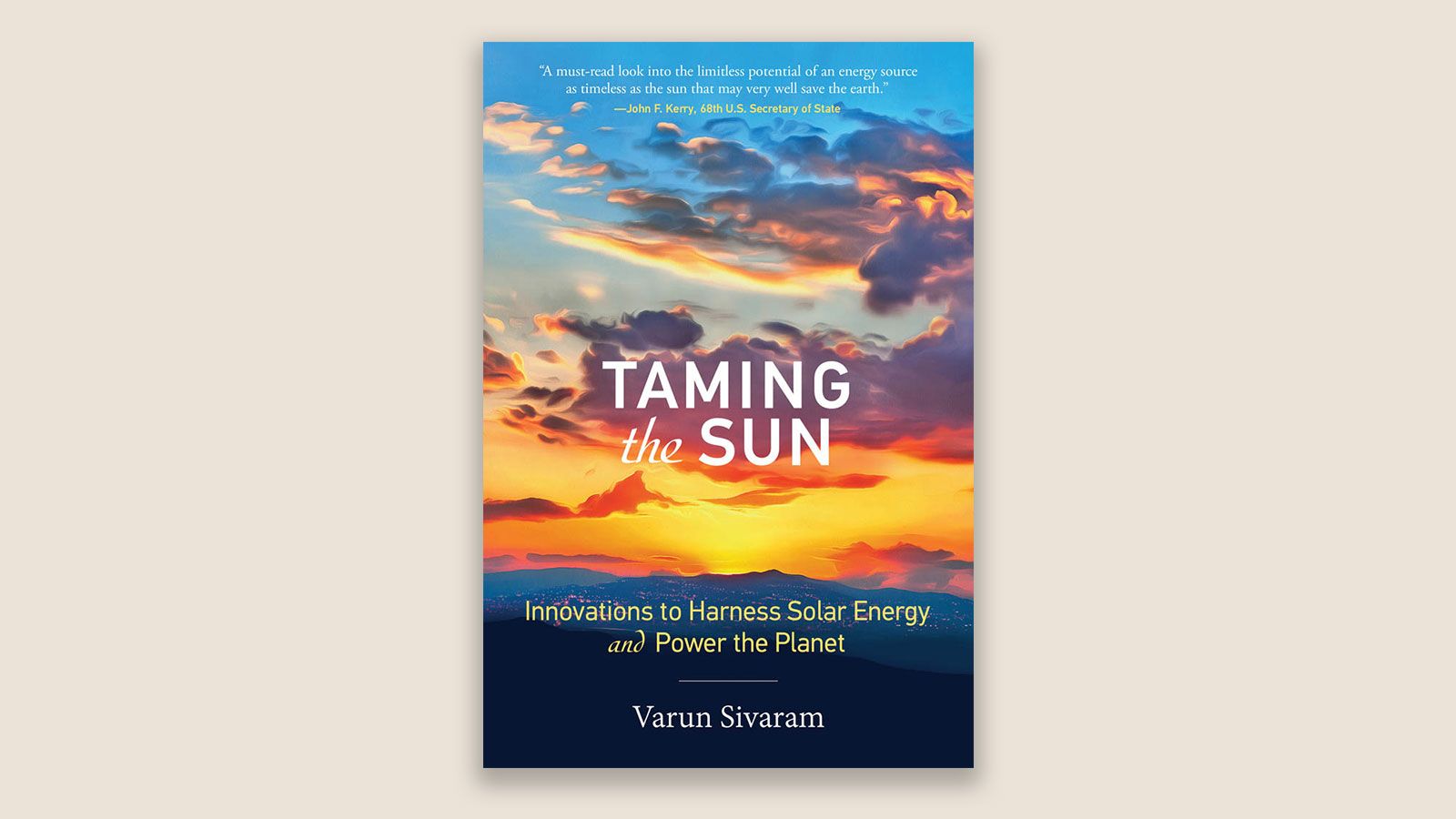
Cover of Taming the Sun; a Council on Foreign Relations book published by the MIT Press.
Solar power expert Varun Sivaram is getting lots of buzz for his just-published book Taming the Sun: Innovations to Harness Solar Energy and Power the Planet.
Why it matters: Sivaram warns that absent major innovations, solar's current boom will hit a ceiling that's far below its potential to fight climate change and provide affordable energy worldwide.