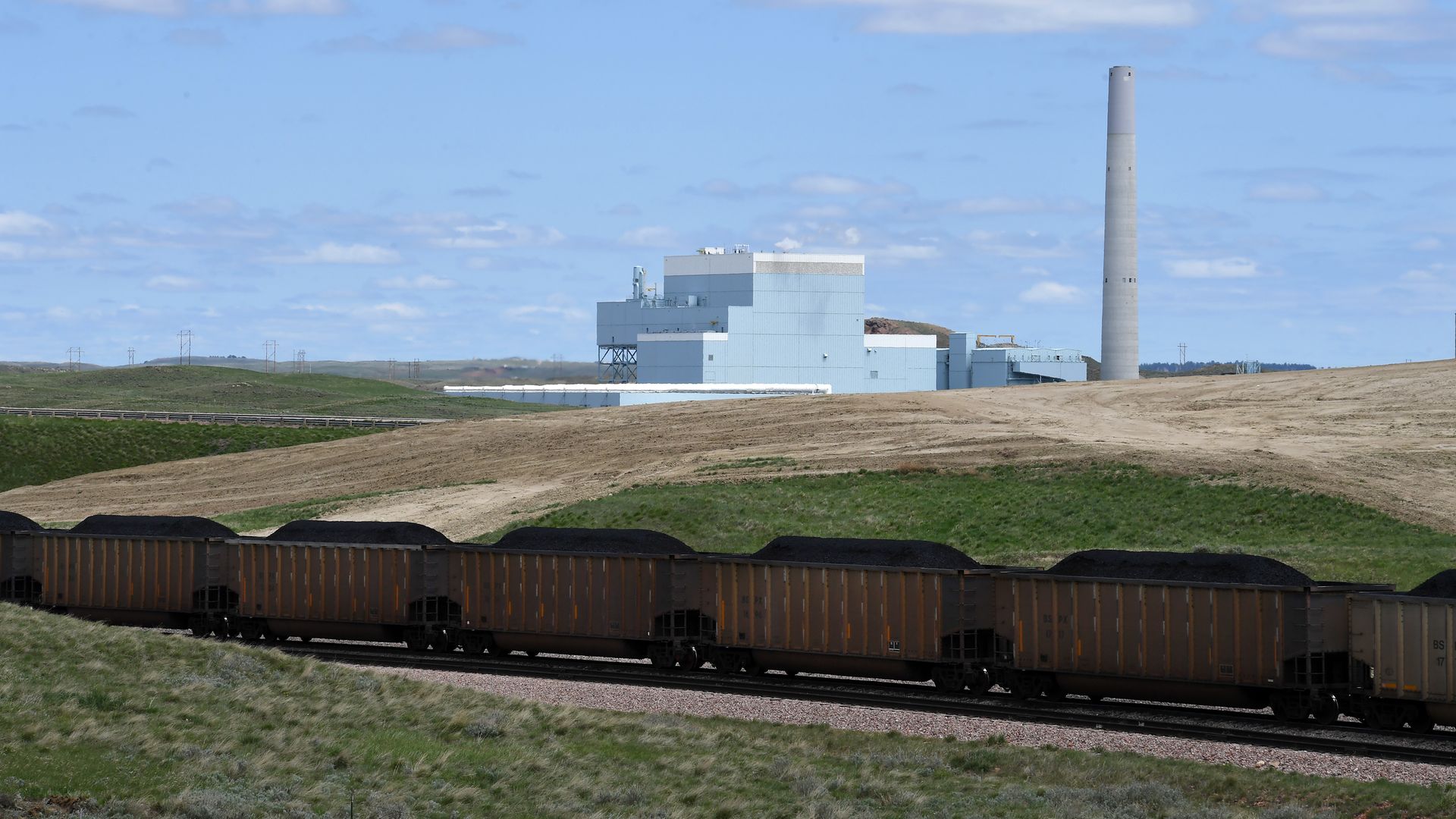
HOUSTON — The Trump administration is set to ask companies to help the government develop small-scale coal-fired power plants, a top agency official told Axios Tuesday on the sidelines of a major energy conference here.
Why it matters: Such technology is largely unheard of — today’s coal-fired power plants in the U.S. are big and not easily turned on or off. The Energy Department’s pursuit of these plants among the strongest signals of President Trump’s desire to revive coal despite market trends going in the opposite direction.
HOUSTON — The CEO of Shell, one of the world’s biggest oil and natural gas companies, drives an electric car, just bought his wife another one and is installing a charging station at his home.
Why it matters: Shell’s chief executive, Ben van Beurden, is one of the most outspoken CEOs within the oil and gas industry when it comes to cutting carbon emissions and changing business strategies to do so. He’s putting some personal heft behind his rhetoric by driving an electric car and buying one for his wife.
Some of the most powerful figures in global energy markets sent a clear signal in Houston early this week: The world will and should move to a lower-carbon future — but on their terms.
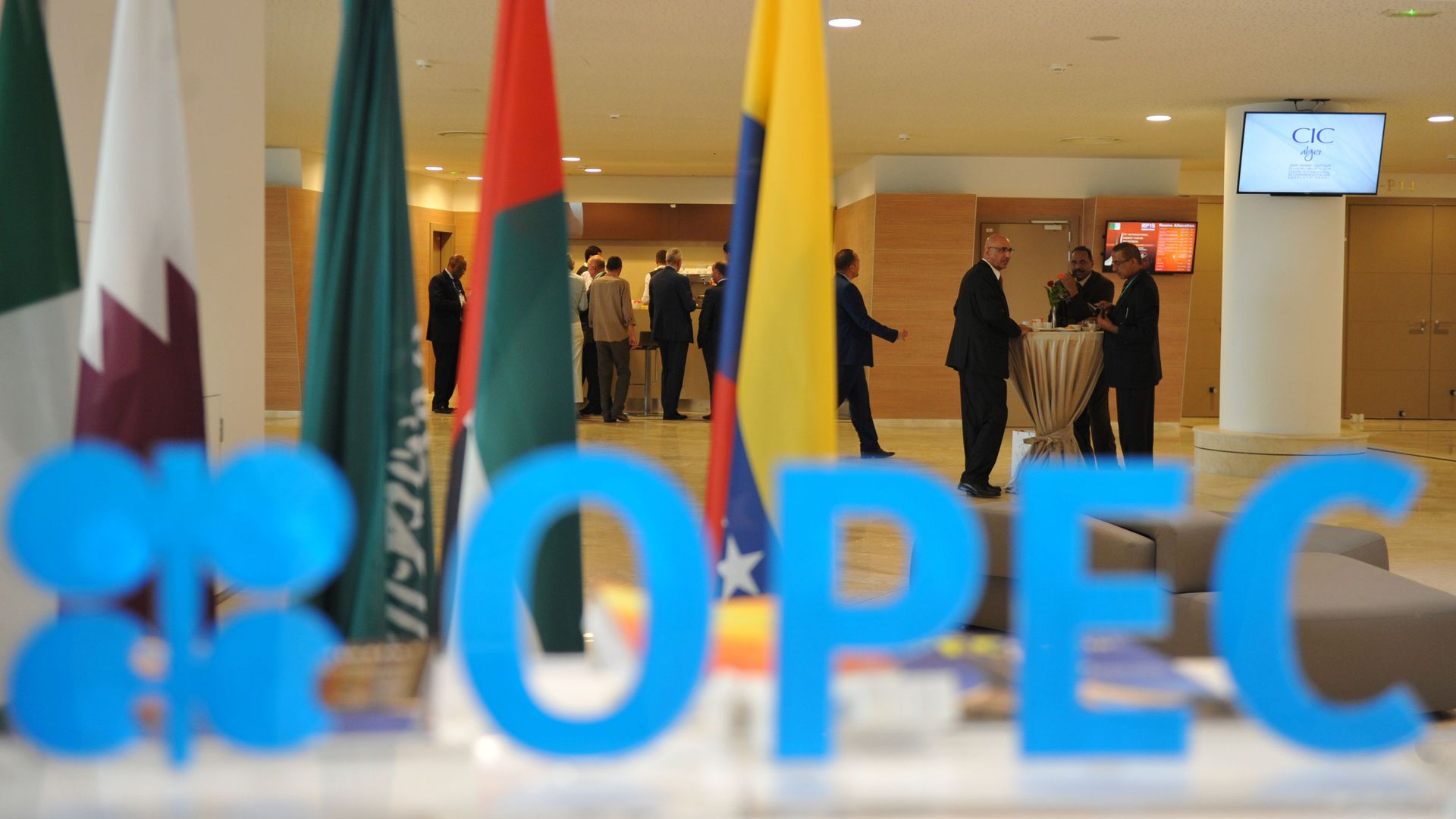
What they're saying: OPEC Secretary General Mohammed Barkindo, in repeated appearances, has warned against overemphasis on specific energy sources. He instead called for focus on technology that reduces emissions from heavy use of fossil fuels (his members' products) that he says will dominate energy markets for decades to come.
HOUSTON -- Interior Secretary Ryan Zinke told thousands of mostly oil and natural gas executives at an energy conference here Tuesday that wind turbines kill as many as 750,000 birds a year, repeating a criticism made by other Trump administration officials.
The bottom line: Zinke is exaggerating the figure beyond virtually all published estimates. But more importantly, turbines are a drop in the bucket when it comes to the human-related causes of bird deaths, context Zinke didn't provide.
One of the world's largest energy conferences is focusing on new technologies to help big oil and gas companies cut costs and carbon emissions. Axios' Amy Harder reports on the conference from Houston.
HOUSTON — The CEO of Saudi Aramco, the kingdom's state oil giant, says he's not worried about peak oil demand. But he is worried about how fashionable the idea has become these days.
“We must challenge mistaken assumptions about the speed with which alternatives will penetrate markets, and leave people no doubt that misplaced notions of peak oil demand and stranded resources are a dire threat to an orderly energy transition and energy security.”
— CEO Amin Nasser at a major energy conference
Why it matters: His lengthy remarks during a speech to the CERAWeek by IHS Markit conference highlight the growing prominence of debates over when the global thirst for oil will stop growing and head downward. Nasser added that the industry will need to invest over $20 trillion over the next 25 years to meet rising demand for oil and natural gas.
HOUSTON -- A dinner meeting last night between OPEC officials and U.S. shale oil producers was congenial and informative, the CEO of top U.S. oil producer told Axios on the sidelines of a big energy conference here Tuesday.
Why it matters: American oil companies have become influential players in the global market over the last several years, testing the historical dominance of OPEC, the Organization of Petroleum Exporting Countries comprised of mainly Middle East nations. The sheer existence of the dinner indicates the seriousness that OPEC is taking U.S. producers. The dinner occurred for the first time last year at the same conference, called CERAWeek by IHS Markit.
The consultancy Rystad Energy has released new estimates of global oil resources that help underscore why the discussion in energy circles has transformed over the last decade from when supplies will peak to when demand will taper off, because there's lots of oil left and being discovered.
The data: "Rystad Energy estimates that liquid resources from mature assets grew 151 billion barrels over the last four years, which is almost 17% more than the amount produced in those years. This brings the total remaining liquid resource count to 1.227 trillion barrels as of year-end 2017," they said in a brief report.
"How the Middle East is sowing seeds of a second Arab spring" — Financial Times "Big Read" (subscription): "Few Arab countrieswere left untouched by the 2011 uprisings. ... Will greater repression replace subsidies as a way of containing social unrest in many of the autocratic states of the region?"
Why it matters: "After a prolonged period of low oil prices, instability and economic stagnation, governments grappling with budget deficits and a deepening dependence on foreign debt, are finally reining in state benefits. ... Critics fear the lack of jobs and increased repression could be tools for terrorist groups."