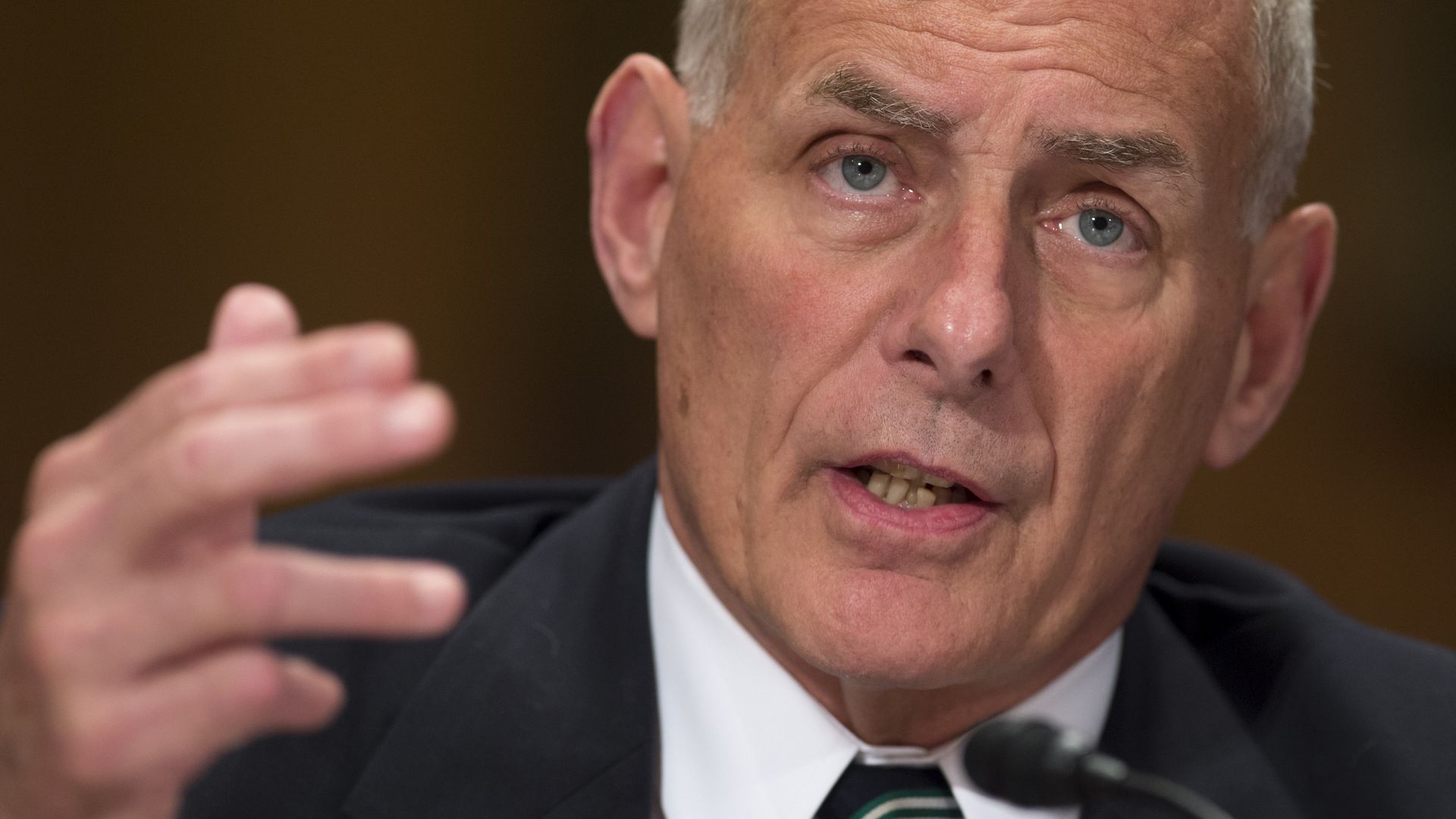
The White House nearly held a public debate over climate change until the idea was shut down by chief of staff John Kelly, the New York Times reports. EPA administrator Scott Pruitt reportedly championed the idea to the administration, and even gained the interest of President Trump — but it was abandoned after aides determined it was politically risky.
Why it matters: The Trump administration's denial of climate has long been controversial, and a national debate regarding its effects could have triggered a major shift in strategy. [Go deeper:Tackling climate change when Trump won't talk about it.]
HOUSTON — President Trump’s steel tariffs could add a half billion dollars to a proposed natural-gas export terminal project in Alaska, GOP Sen. Lisa Murkowski of Alaska said at an energy conference Friday.
Why it matters: Trump touted the proposal during a trip last year to China, which would receive the fuel and has expressed intention in investing in the project. This project offers a clear picture of Trump’s conflicting agendas: America’s energy dominance around the world on one hand and protectionist trade measures on the other.
HOUSTON -- The gulf over climate change between executives of the world’s biggest energy companies and President Trump was on stark display here at a major energy conference in America’s oil capital.
Why it matters: The drivers compelling companies to invest in lower-carbon technologies, such as falling renewable-energy prices and investor pressure, are moving forward regardless of President Trump’s regulatory rollbacks and dismissal of climate change as an issue.
Oil companies of many stripes have gone out of their way to talk about climate change at CERAWeek, the big oil industry conference in Houston — reflecting a significant shift in the industry.
Why it matters: Years ago the struggle between climate change activists and oil companies was around the underlying science and getting companies to accept the role that fossil fuels play and that action is necessary. Now the call throughout the oil and gas sector is to become part of the solution.
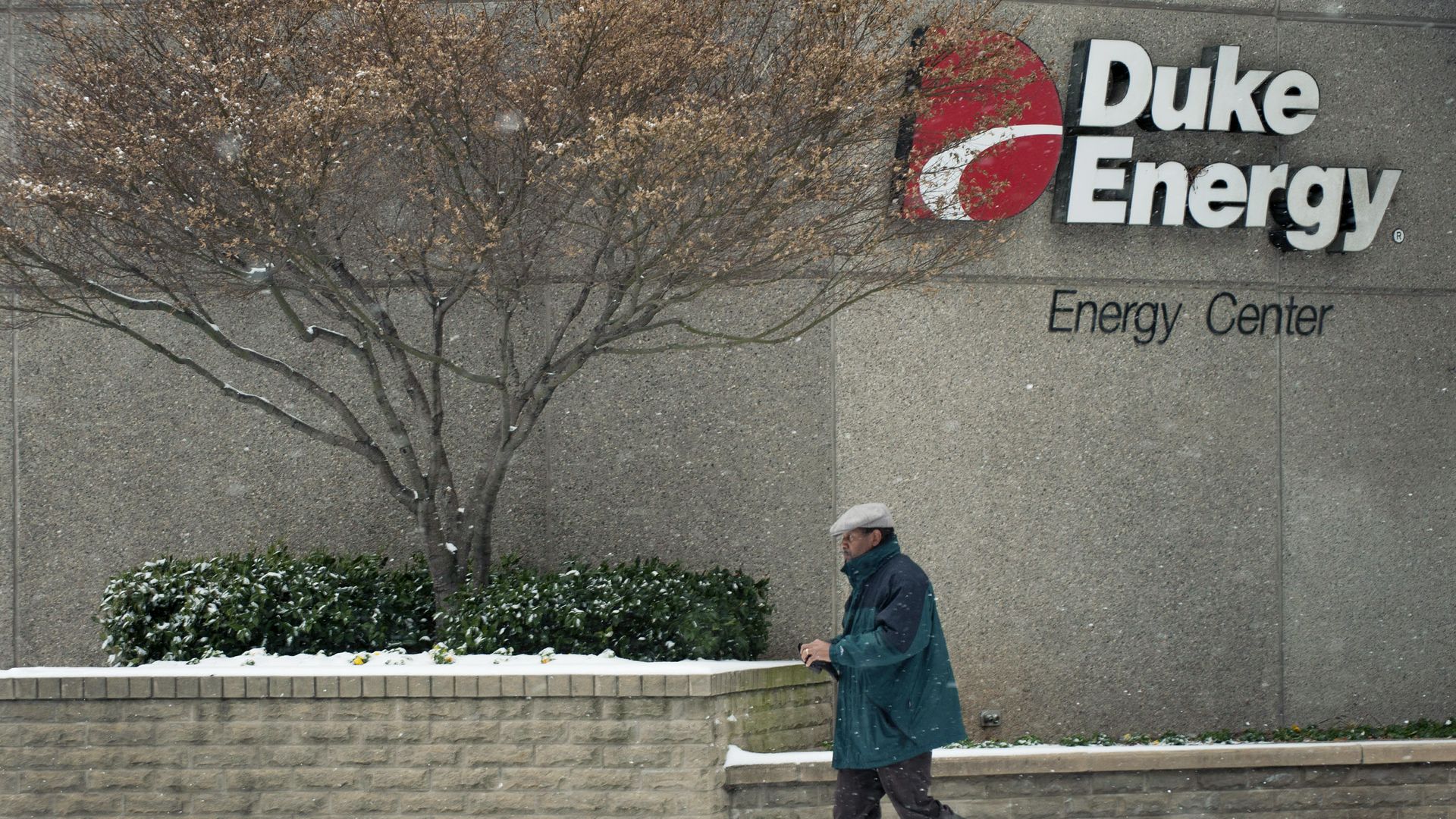
HOUSTON — One of America’s largest utility companies, Duke Energy, is set to release a report later this month that sketches a drastically changed electricity mix in a carbon-constrained future.
The big picture: Duke is the latest energy company to commit to releasing a report about climate change in response to investor pressure conveyed by non-binding but symbolically important shareholder resolutions. Duke provides electricity to more than seven million customers in the Carolinas, the Midwest and Florida.
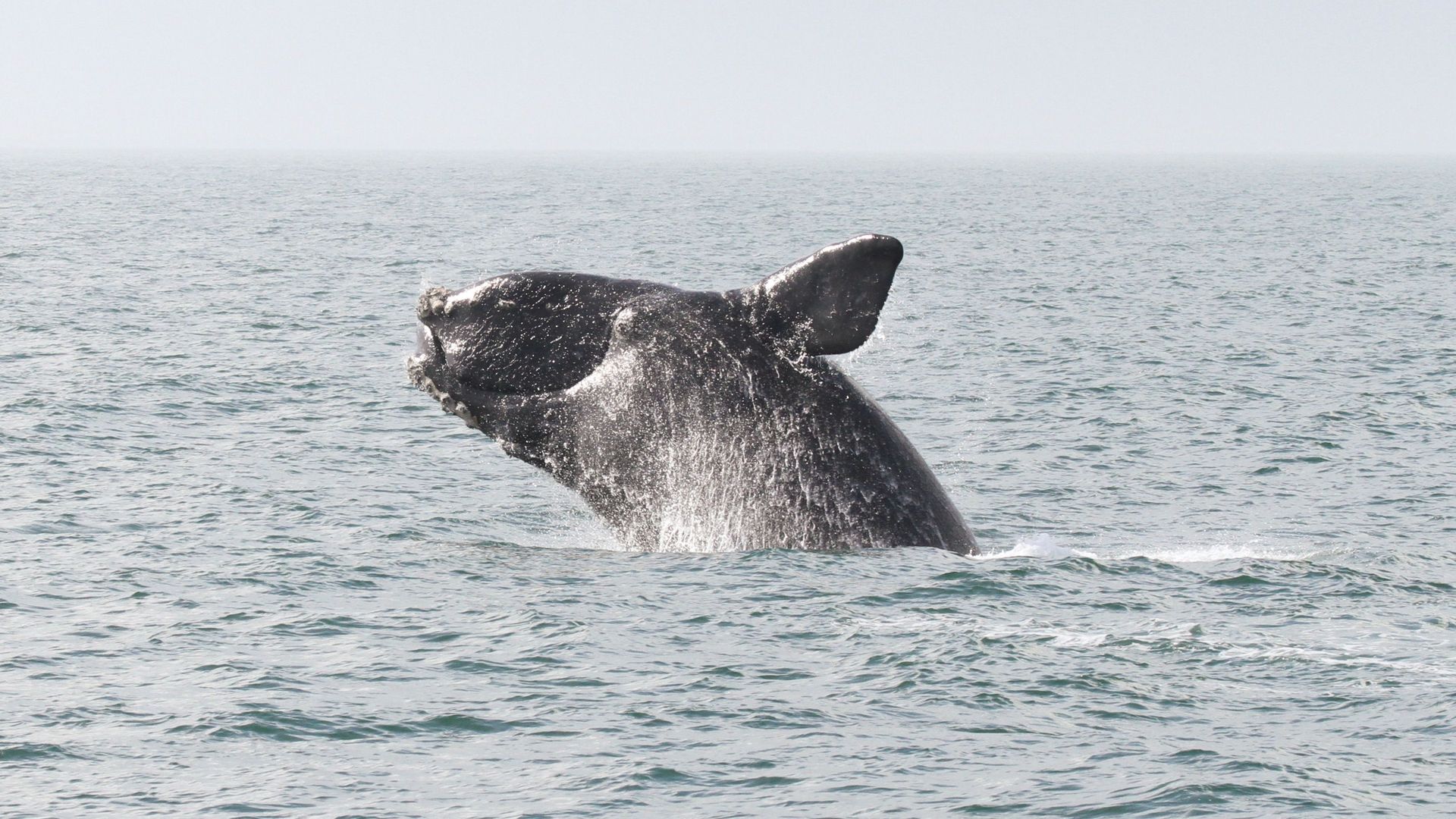
The Gulf of Maine is getting warm — quick. From 2004–2013, sea temperatures there rose faster than almost any other location on Earth.
Why it matters: The Gulf is home to a number of endangered species, and the fisheries there bring in several billion dollars per year to the U.S. and Canada, but the Gulf’s future hangs in the balance. Researchers are scrambling to understand what the warming water means for the people and animals who rely on the ecosystem, particularly as the changes there provide a glimpse into the future of coastlines around the world.
OPEC aims to cement its alliance with Russia and other non-OPEC producers, who have been jointly limiting output since 2017 in an effort to restore market balance. Less clear is what form that longer-term alliance might take.
One possible future:Via S&P Global Platts, "Russia is not seeking to become a member of OPEC, but will continue working closely with the producing group even after the ongoing supply cut agreement ends, Aleksey Texler, Russia's first deputy minister of energy, said Tuesday."
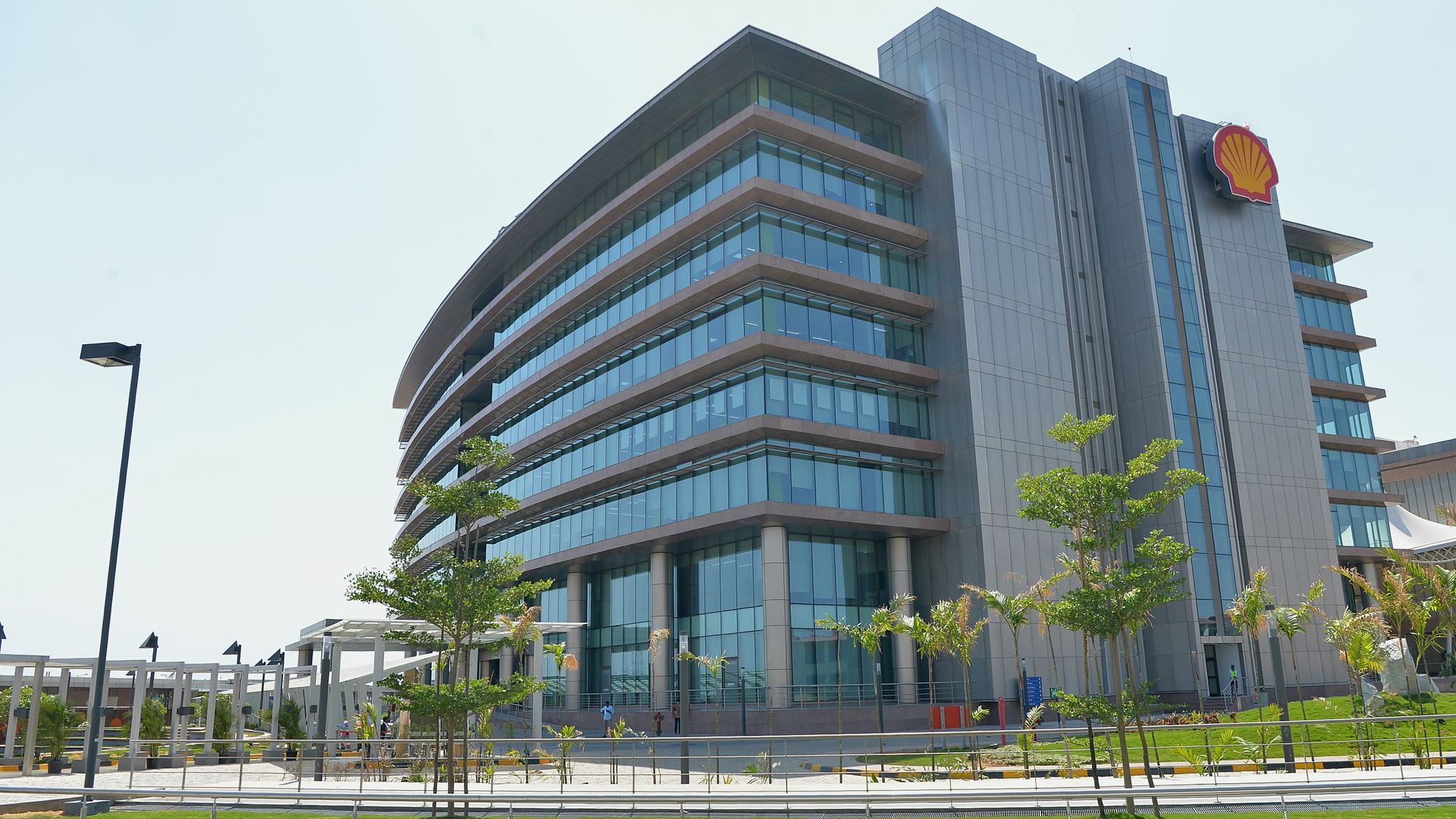
HOUSTON — The world’s demand for oil could peak as soon as 2025 if nations keep to a global deal curbing greenhouse gas emissions, Royal Dutch Shell CEO Ben van Beurden told Axios in an exclusive interview on the sidelines of an energy conference here Wednesday.
Why it matters: van Beurden’s comments on peak oil demand appear to be the most aggressive by any oil and gas executive on a topic that is central to the industry’s future profitability — and climate change.