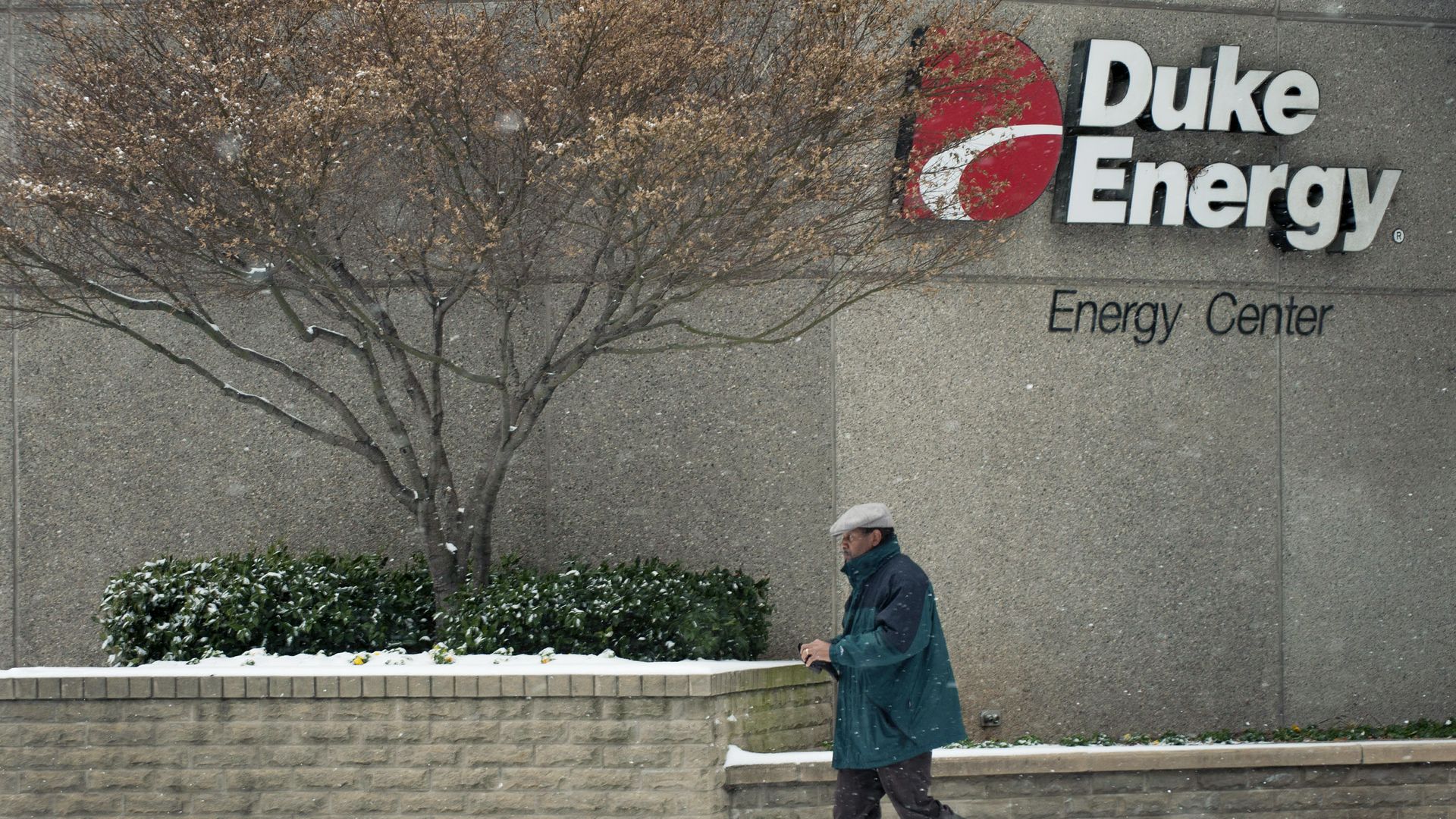
HOUSTON — One of America’s largest utility companies, Duke Energy, is set to release a report later this month that sketches a drastically changed electricity mix in a carbon-constrained future.
The big picture: Duke is the latest energy company to commit to releasing a report about climate change in response to investor pressure conveyed by non-binding but symbolically important shareholder resolutions. Duke provides electricity to more than seven million customers in the Carolinas, the Midwest and Florida.
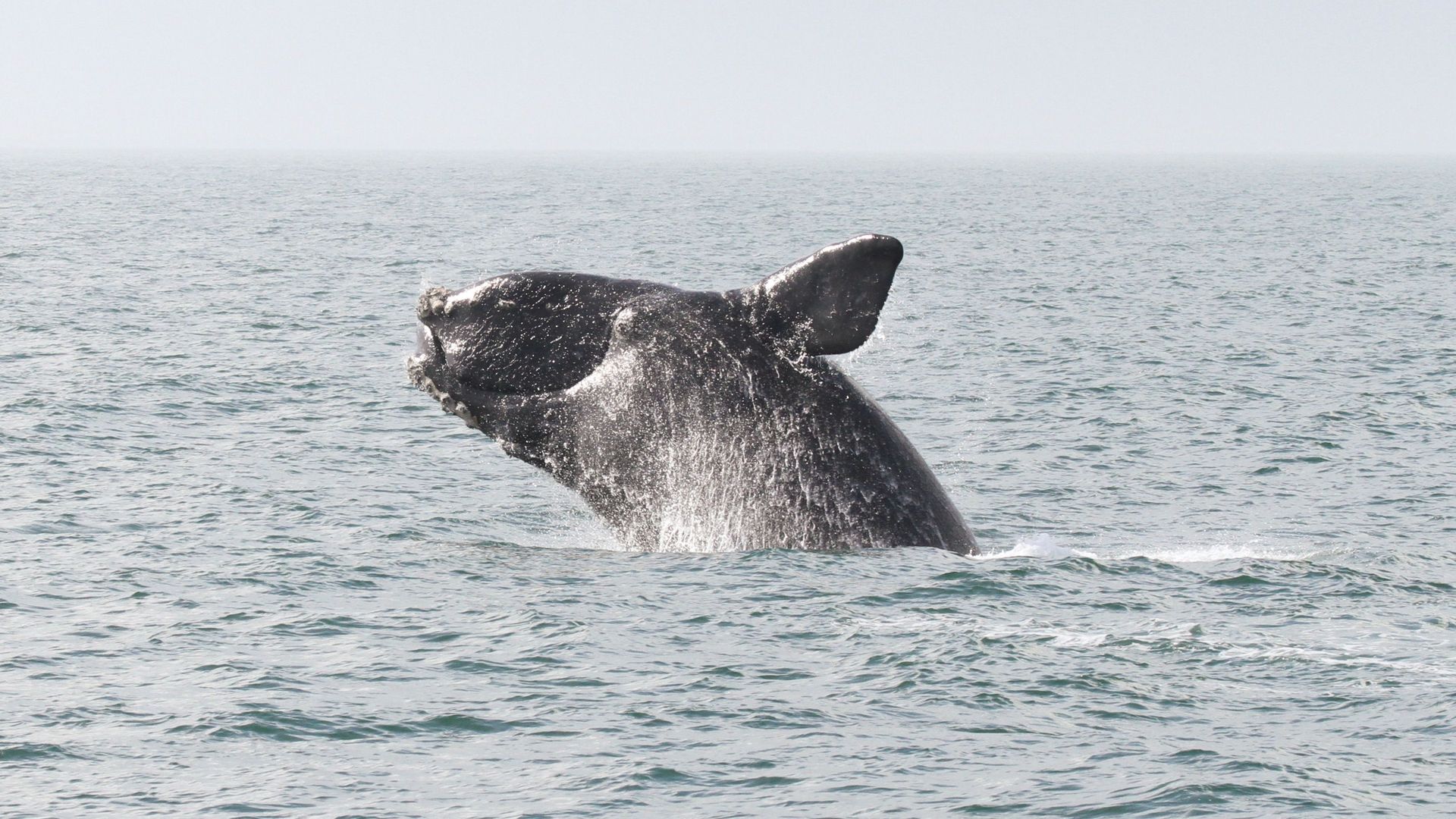
The Gulf of Maine is getting warm — quick. From 2004–2013, sea temperatures there rose faster than almost any other location on Earth.
Why it matters: The Gulf is home to a number of endangered species, and the fisheries there bring in several billion dollars per year to the U.S. and Canada, but the Gulf’s future hangs in the balance. Researchers are scrambling to understand what the warming water means for the people and animals who rely on the ecosystem, particularly as the changes there provide a glimpse into the future of coastlines around the world.
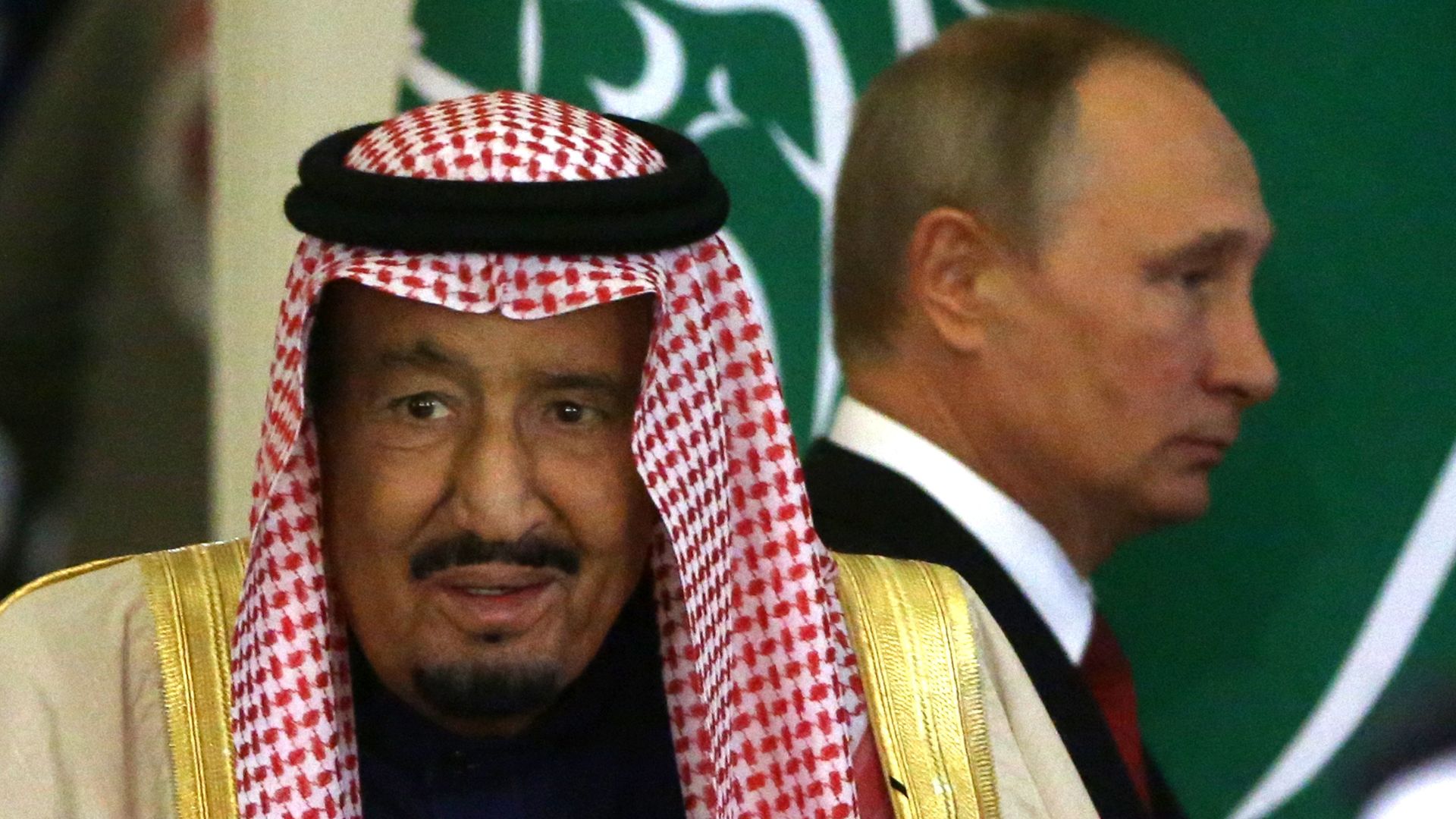
OPEC aims to cement its alliance with Russia and other non-OPEC producers, who have been jointly limiting output since 2017 in an effort to restore market balance. Less clear is what form that longer-term alliance might take.
One possible future:Via S&P Global Platts, "Russia is not seeking to become a member of OPEC, but will continue working closely with the producing group even after the ongoing supply cut agreement ends, Aleksey Texler, Russia's first deputy minister of energy, said Tuesday."
HOUSTON — The world’s demand for oil could peak as soon as 2025 if nations keep to a global deal curbing greenhouse gas emissions, Royal Dutch Shell CEO Ben van Beurden told Axios in an exclusive interview on the sidelines of an energy conference here Wednesday.
Why it matters: van Beurden’s comments on peak oil demand appear to be the most aggressive by any oil and gas executive on a topic that is central to the industry’s future profitability — and climate change.
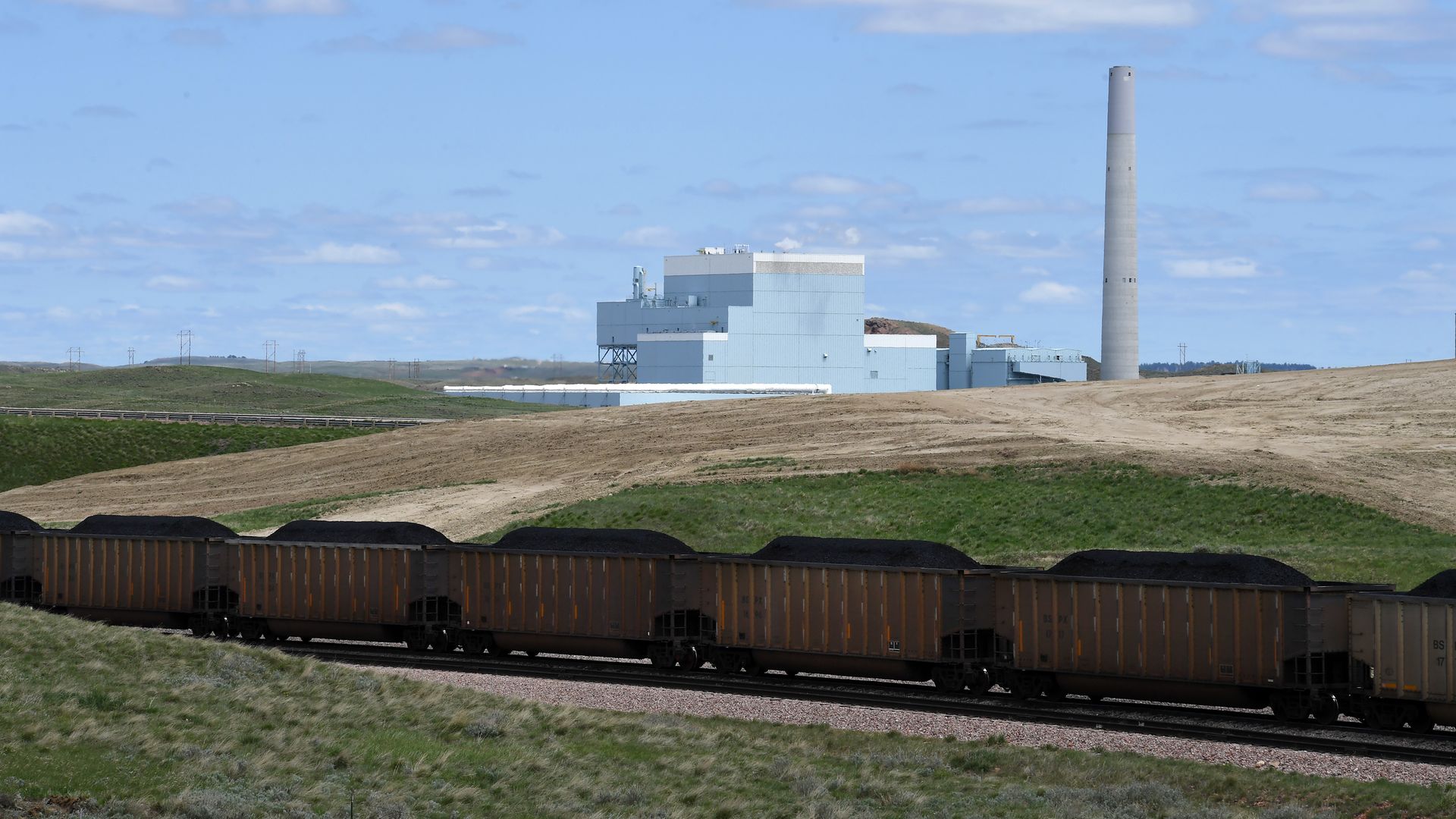
HOUSTON — The Trump administration is set to ask companies to help the government develop small-scale coal-fired power plants, a top agency official told Axios Tuesday on the sidelines of a major energy conference here.
Why it matters: Such technology is largely unheard of — today’s coal-fired power plants in the U.S. are big and not easily turned on or off. The Energy Department’s pursuit of these plants among the strongest signals of President Trump’s desire to revive coal despite market trends going in the opposite direction.
HOUSTON — The CEO of Shell, one of the world’s biggest oil and natural gas companies, drives an electric car, just bought his wife another one and is installing a charging station at his home.
Why it matters: Shell’s chief executive, Ben van Beurden, is one of the most outspoken CEOs within the oil and gas industry when it comes to cutting carbon emissions and changing business strategies to do so. He’s putting some personal heft behind his rhetoric by driving an electric car and buying one for his wife.
Some of the most powerful figures in global energy markets sent a clear signal in Houston early this week: The world will and should move to a lower-carbon future — but on their terms.
What they're saying: OPEC Secretary General Mohammed Barkindo, in repeated appearances, has warned against overemphasis on specific energy sources. He instead called for focus on technology that reduces emissions from heavy use of fossil fuels (his members' products) that he says will dominate energy markets for decades to come.
HOUSTON -- Interior Secretary Ryan Zinke told thousands of mostly oil and natural gas executives at an energy conference here Tuesday that wind turbines kill as many as 750,000 birds a year, repeating a criticism made by other Trump administration officials.
The bottom line: Zinke is exaggerating the figure beyond virtually all published estimates. But more importantly, turbines are a drop in the bucket when it comes to the human-related causes of bird deaths, context Zinke didn't provide.
One of the world's largest energy conferences is focusing on new technologies to help big oil and gas companies cut costs and carbon emissions. Axios' Amy Harder reports on the conference from Houston.