When investment on the scale of the current AI boom occurs, it inevitably has to come at the expense of something. All the resources devoted to building data centers and developing AI models would otherwise go to something else.
The big picture: This crowding out is smaller than you might expect, Goldman Sachs economists find in a new note.
But it does exist, they say, and takes the form of displacing other tech investment and construction, as well as raising corporate borrowing costs.
Inflation was benign in July, a second month of relief for American consumers and economic policymakers contending with stubborn price pressures.
But the encouraging inflation picture may already be out of date, with the data largely capturing prices before renewed Middle East fighting sent energy costs notably higher.
Why it matters: The tame reading might give the Federal Reserve some breathing room to hold off raising interest rates in September. Still, the Iran war and the whiplash in energy prices it has unleashed leave lingering questions about the staying power of the inflation relief.
Venture capitalist Josh Kushner and former Disney CEO Bob Iger on Wednesday announced an agreement to buy the NBA's Los Angeles Lakers at a $12.5 billion valuation.
Why it matters: This is a dizzying ownership turnaround for the Lakers, one of pro sports' most iconic franchises.
The state of the global diesel market is getting even more precarious as the Russia-Ukraine war and the Iran crisis squeeze supply from multiple angles.
Why it matters: Diesel prices ripple through economies here and abroad, affecting shipping costs, construction and plenty in between.
Inflation eased in July from a year earlier, with prices inching up slightly from the previous month after falling sharply in June, the Labor Department said Wednesday.
Why it matters: It is the first inflation report since fighting with Iran resumed in early July, though the data suggests inflation had yet to pick back up amid the renewed conflict.
There's an effort underway to create a futures market for AI compute — the processing capacity needed to train and run AI models — akin to how investors buy and sell commodities like oil or grain.
Why it matters: A compute futures market would bring more transparency, new ways to manage volatility and even more investment into what's quickly becoming a critical part of the economy.
America's biggest financial firms are lining up to unlock vast sums of private capital for infrastructure investment.
A new $250 billion effort from Bank of America is the latest in a week packed with jaw-dropping funding announcements.
Why it matters: Amid an AI buildout that is creating new strains on computing power, energy supplies and manufacturing capacity, major banks see opportunity for large-scale investment that could help satisfy those needs — and reward investors.
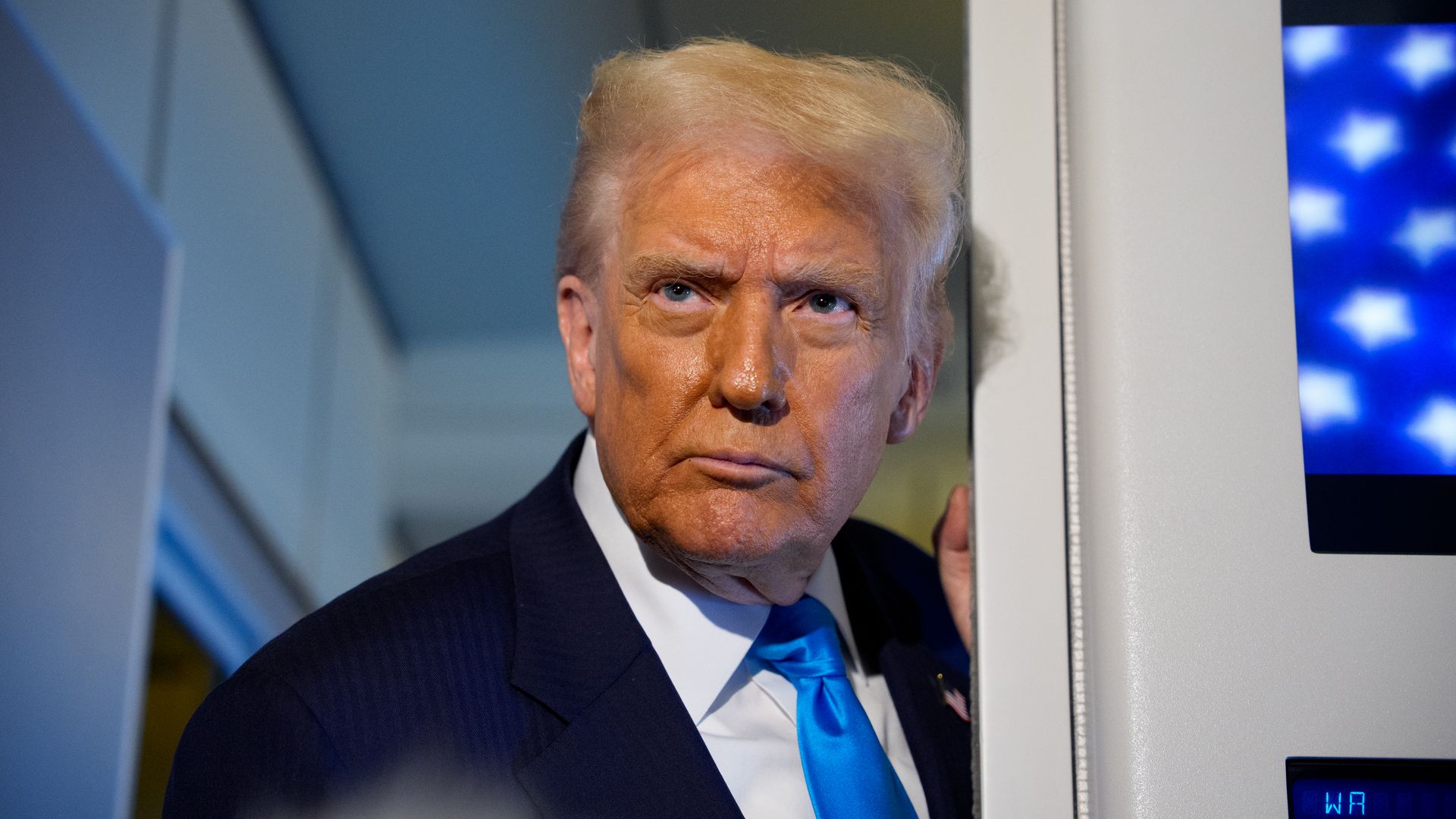
President Trump's secret plane switch in Turkey is putting Air Force One's security protocols and defensive capabilities in the spotlight.
Why it matters: Air Force One is the call sign for any Air Force aircraft carrying the president, meaning Trump's secret switch didn't change the designation — but it changed the plane protecting him.
Household debt and loan delinquencies are stable. The leading chipmaker announced what could be the biggest corporate financing package in history. And new estimates show even more government borrowing this year than thought.
The big picture: Those three news stories capture America's debt picture in 2026.
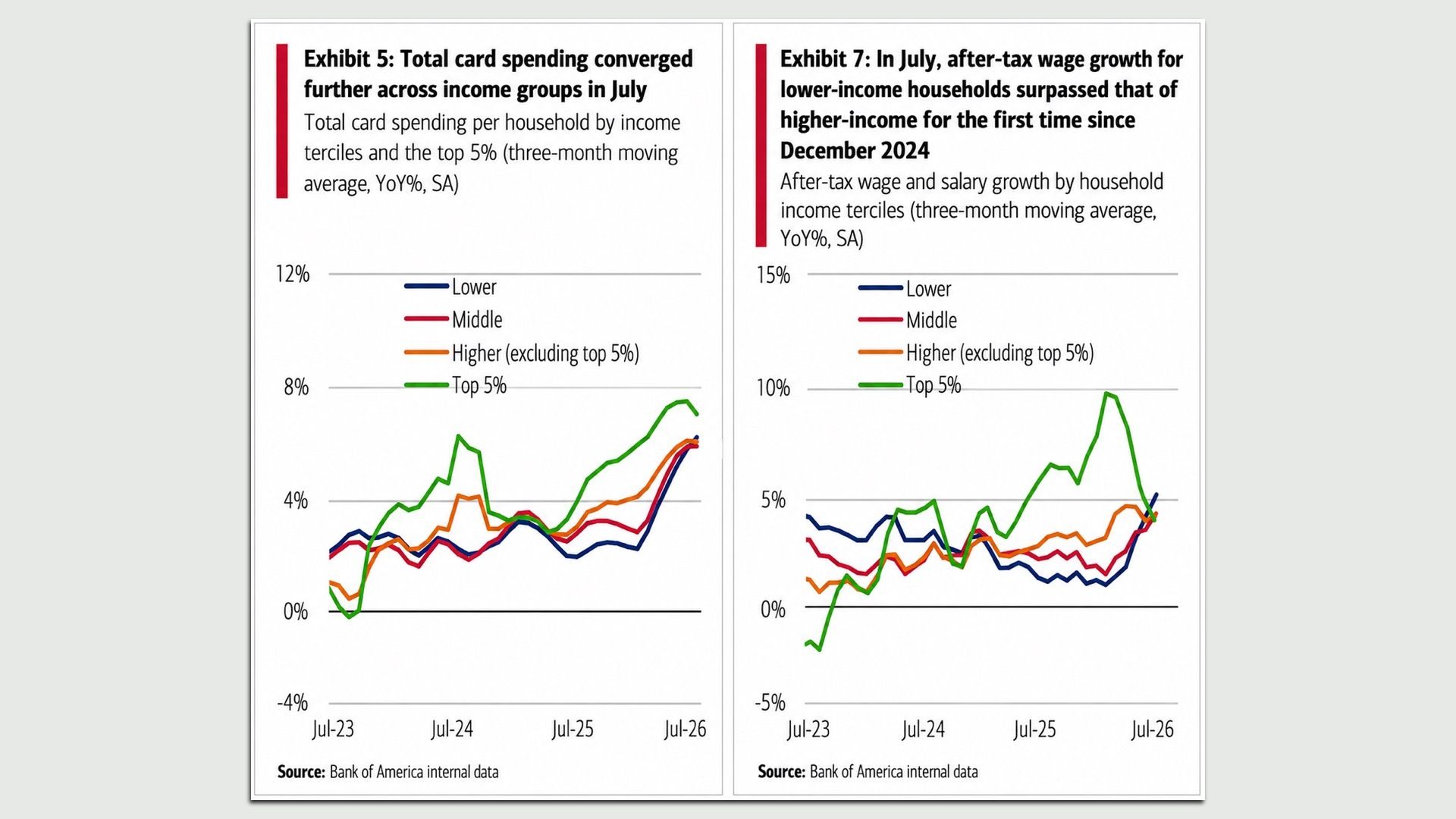
For years, America's economy has been defined by a "K-shaped" gap: The rich kept spending at a rapid pace, while everyone else struggled to keep up.
That divide is suddenly narrowing.
Why it matters: Economists warned that consumer spending growth was increasingly reliant on wealthy Americans, leaving the economy vulnerable to a stock market downturn or any other wealth shock.
Importantly, the "K" appears to be closing from the bottom up, meaning that lower- and middle-income Americans are catching up, rather than affluent households pulling back.
Nvidia on Monday announced plans to raise around $500 billion to help finance AI infrastructure buildouts, in partnership with six of North America's largest investment firms.
Zoom in: Much of that money is likely to come via GPU securitizations — spreading out the exposure across insurance companies, pension systems, sovereign wealth funds, and more.
If this gives you a pang of PTSD, you're not alone.
Memory chip prices are skyrocketing, thanks to AI demand, and there's no end in sight.
Why it matters: "Chipflation" is pushing up the prices for electronic goods like smartphones and laptops, as well as the costs for cloud storage and hardware — it also helps explain the eye-popping ascents in semiconductor stock prices.
While the overall effect on inflation may not be huge — other kinds of products get more weight in the government's measure of consumer prices — the scale of this boom is unprecedented.
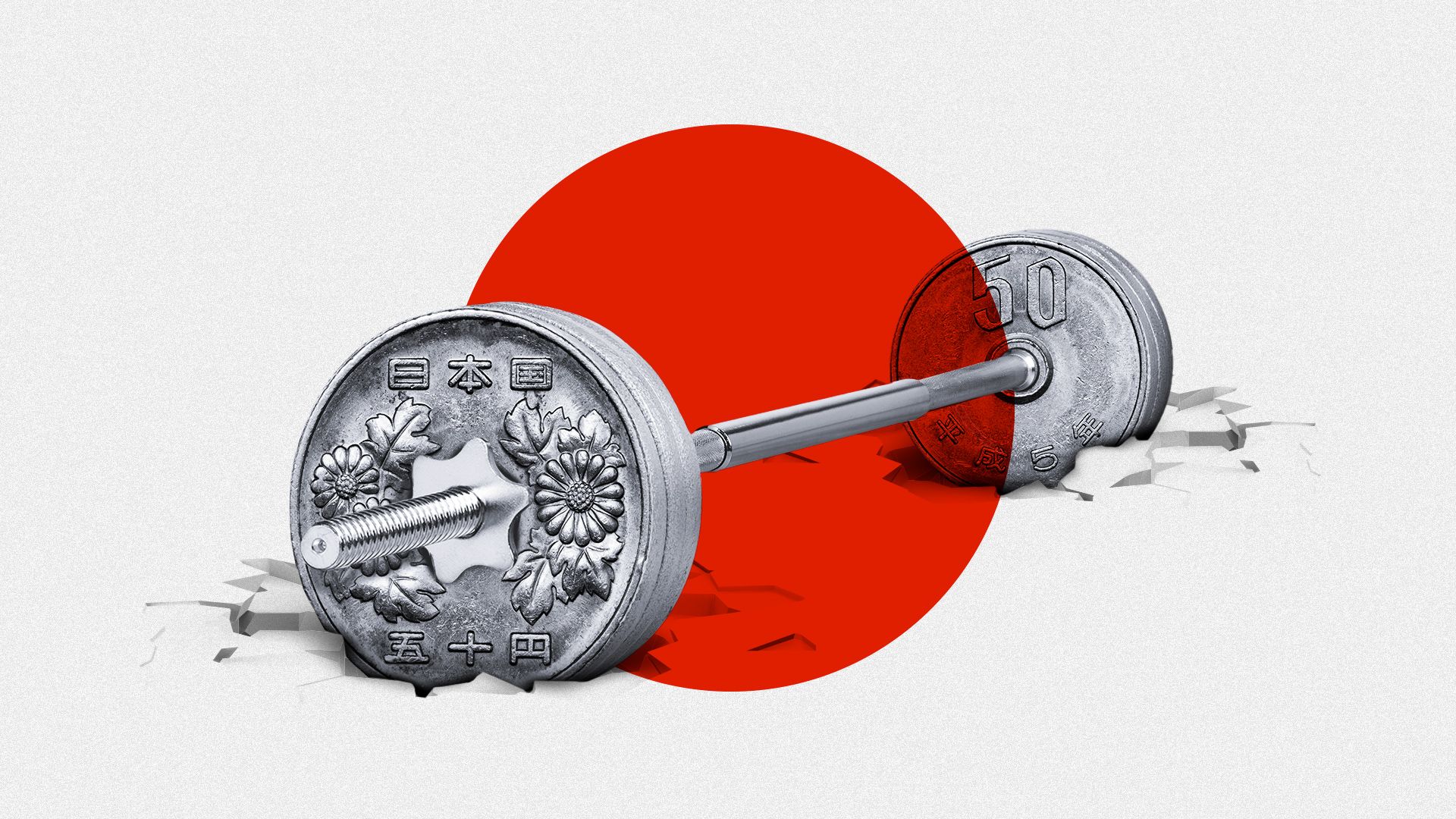
Japan's currency dropped Monday, resuming a selloff momentarily halted by a coordinated intervention with the U.S. late last month.
Why it matters: The decline suggests that the U.S. Treasury Department and Japan's Ministry of Finance have further work to do to put a floor under the exchange rate.