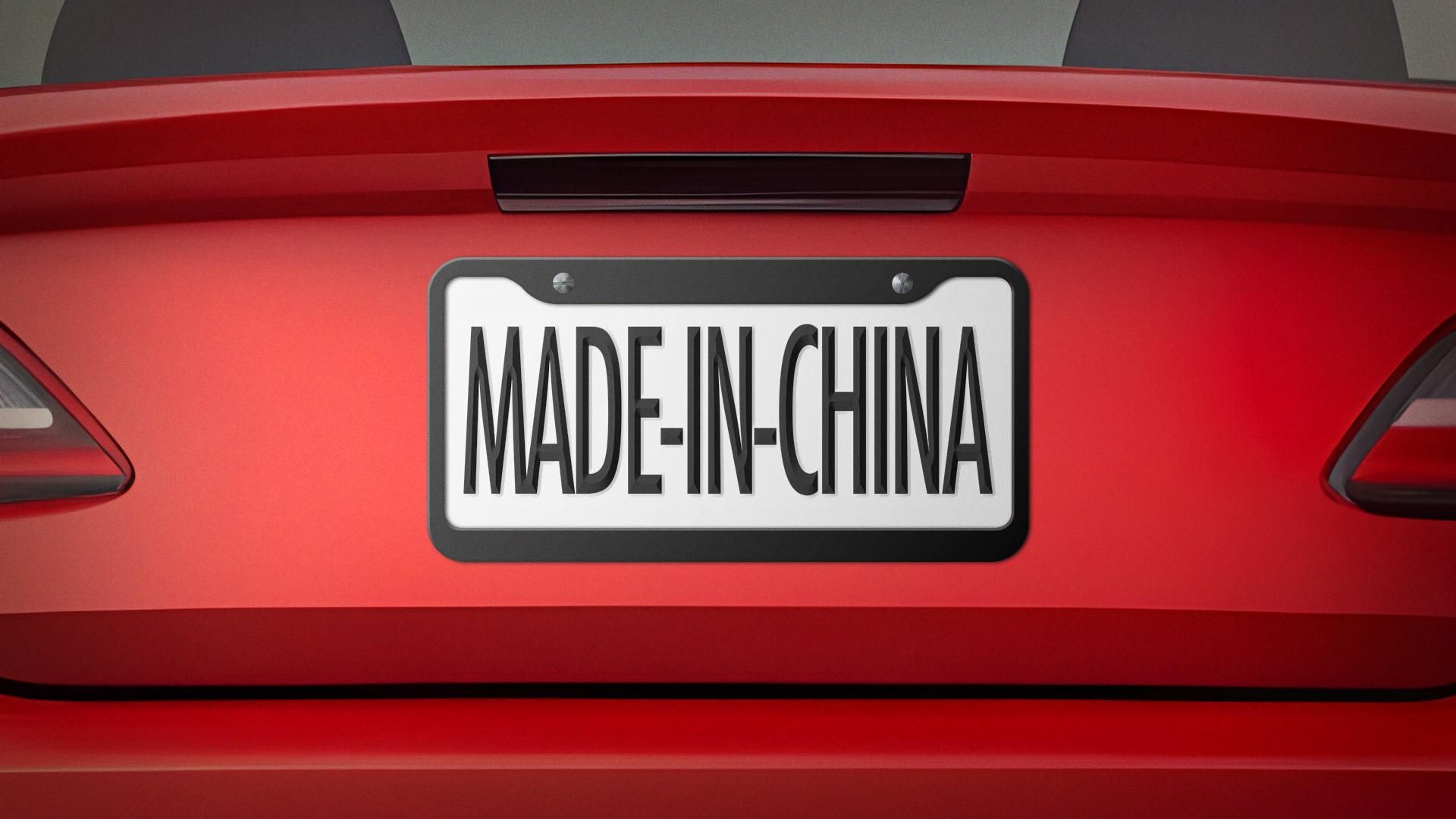
Why it matters: China once represented a lucrative growth opportunity and manufacturing base for American automakers, but those ties are unraveling as Chinese rivals like BYD and Geely expand their reach around the world.
A federal trade court ruled Thursday that President Trump can block cheap imports — including from Chinese retailers like Temu and Shein — from entering the U.S. tariff-free.
Why it matters: It's a win for the Trump administration's trade agenda after a major legal setback forced officials to find new legal avenues for imposing sweeping tariffs.
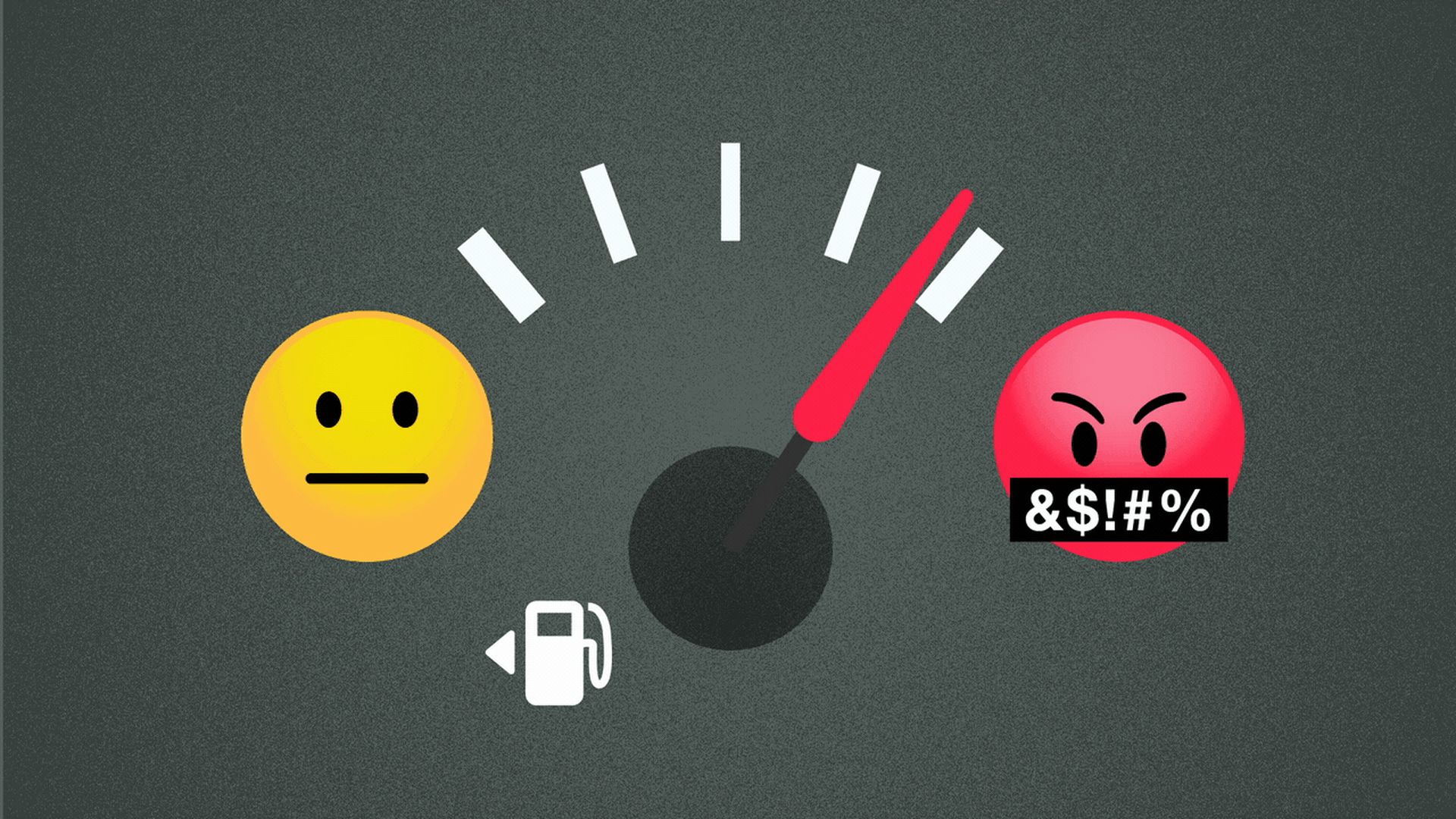
Inflation has been stubbornly high for half a decade. But July, at least, brought some relief.
The big picture: With a lively debate underway at the Federal Reserve over whether to raise interest rates, the latest run of data — a soft jobs report Friday and benign readings on inflation this week — allows for patience.
America's aging population is muddying a headline signal of labor market health.
The clearest sign yet: The share of people working or looking for work has fallen sharply, with the nation's shifting demographics helping drive the decline.
Why it matters: The plunge in participation might normally be an ominous signal at a time when hiring has already slowed.
But sweeping shifts in demographics — as well as immigration and technology — make it harder to tell whether familiar economic signals reflect structural change or the normal ups and downs of the business cycle.
Josh Kushner isn't letting his FIFA folly keep him on the sports sidelines.
Yesterday he stunned the NBA by announcing an agreement to buy the Los Angeles Lakers for $12.5 billion from Mark Walter, who only gained club control last October.
There's a lot more to this situation than just rich boys and their toys, so let's dig in:
When investment on the scale of the current AI boom occurs, it inevitably has to come at the expense of something. All the resources devoted to building data centers and developing AI models would otherwise go to something else.
The big picture: This crowding out is smaller than you might expect, Goldman Sachs economists find in a new note.
But it does exist, they say, and takes the form of displacing other tech investment and construction, as well as raising corporate borrowing costs.
Inflation was benign in July, a second month of relief for American consumers and economic policymakers contending with stubborn price pressures.
But the encouraging inflation picture may already be out of date, with the data largely capturing prices before renewed Middle East fighting sent energy costs notably higher.
Why it matters: The tame reading might give the Federal Reserve some breathing room to hold off raising interest rates in September. Still, the Iran war and the whiplash in energy prices it has unleashed leave lingering questions about the staying power of the inflation relief.
Venture capitalist Josh Kushner and former Disney CEO Bob Iger on Wednesday announced an agreement to buy the NBA's Los Angeles Lakers at a $12.5 billion valuation.
Why it matters: This is a dizzying ownership turnaround for the Lakers, one of pro sports' most iconic franchises.
The state of the global diesel market is getting even more precarious as the Russia-Ukraine war and the Iran crisis squeeze supply from multiple angles.
Why it matters: Diesel prices ripple through economies here and abroad, affecting shipping costs, construction and plenty in between.
Inflation eased in July from a year earlier, with prices inching up slightly from the previous month after falling sharply in June, the Labor Department said Wednesday.
Why it matters: It is the first inflation report since fighting with Iran resumed in early July, though the data suggests inflation had yet to pick back up amid the renewed conflict.
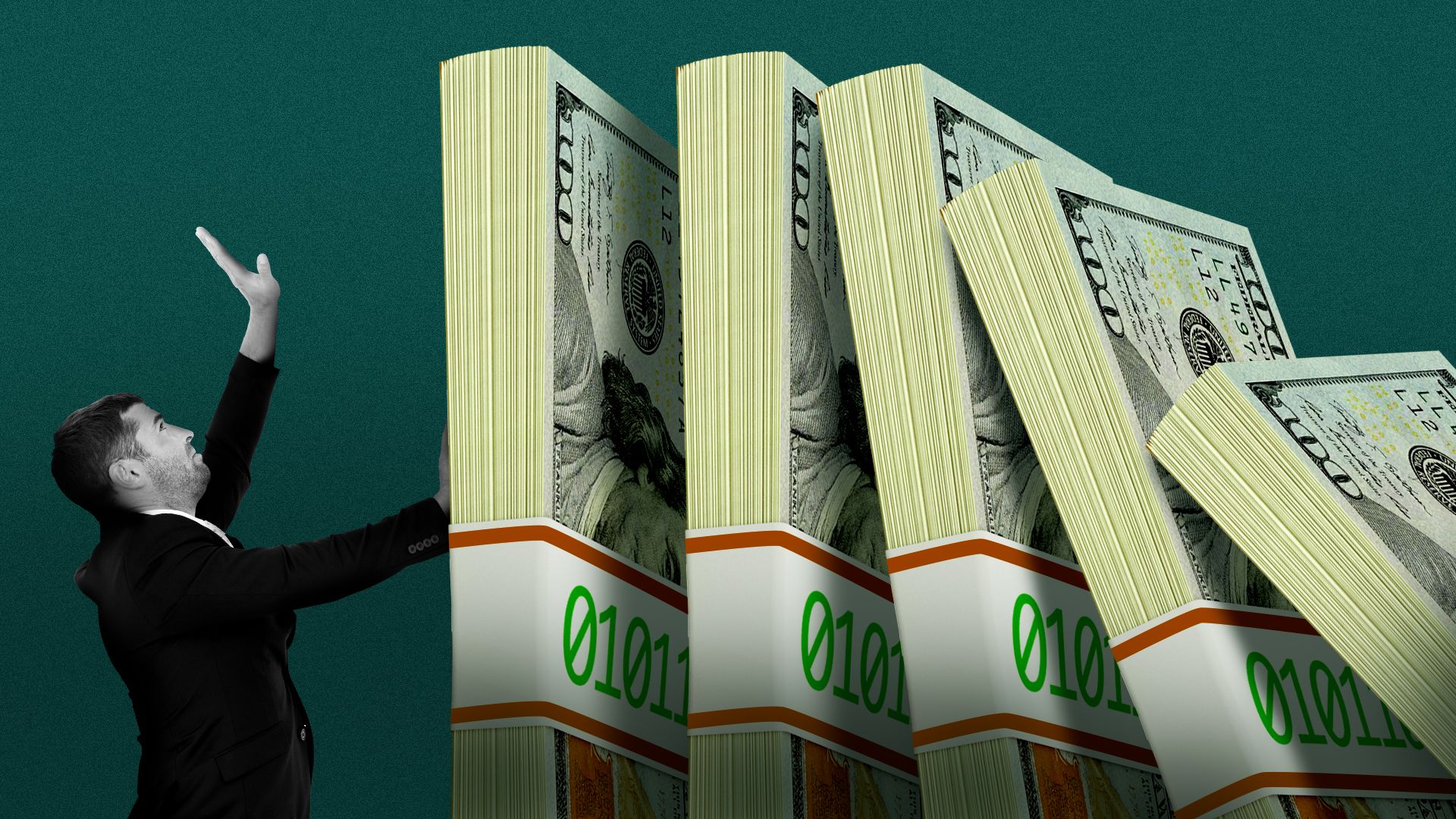
There's an effort underway to create a futures market for AI compute — the processing capacity needed to train and run AI models — akin to how investors buy and sell commodities like oil or grain.
Why it matters: A compute futures market would bring more transparency, new ways to manage volatility and even more investment into what's quickly becoming a critical part of the economy.
America's biggest financial firms are lining up to unlock vast sums of private capital for infrastructure investment.
A new $250 billion effort from Bank of America is the latest in a week packed with jaw-dropping funding announcements.
Why it matters: Amid an AI buildout that is creating new strains on computing power, energy supplies and manufacturing capacity, major banks see opportunity for large-scale investment that could help satisfy those needs — and reward investors.