Polestar, the Chinese-owned electric vehicle company, is withdrawing from the U.S. market after the U.S. Commerce department banned its high-tech cars, citing national security concerns.
The big picture: It's the latest sign of a new, fractured era in the auto industry. After decades of globalization, the industry is splintering into regional markets and supply chains, driven by geopolitics and the rise of low-cost, high-tech competition from China.
Income growth is accelerating — supporting consumer spending — while inflation is rising even beyond the energy-price shock.
Why it matters: That combination, shown in new data out Thursday morning, creates a complex reality for Kevin Warsh's young Federal Reserve chairmanship.
It's good news for the economy's underlying resilience, but it raises fresh questions about whether interest rates are exerting as much downward pressure on demand as Fed officials may believe.
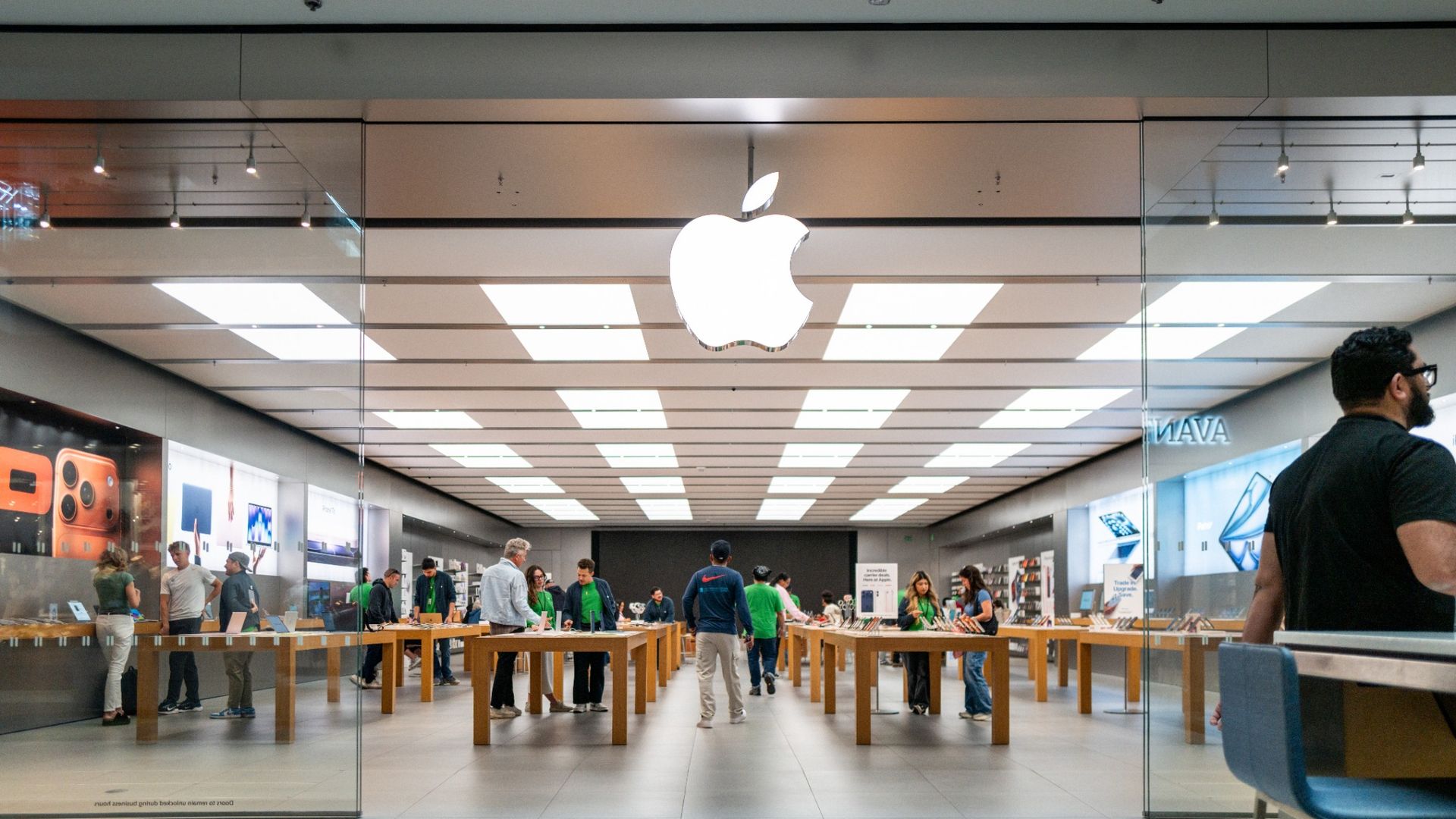
Apple increased prices on MacBook and iPad devices Thursday, saying that AI data center investments have triggered a chain reaction that forced its hand.
Why it matters: CEO Tim Cook recently said that price increases were unavoidable.
The big-picture indicators of the U.S. economy — GDP, unemployment and so on — are doing finewhile public opinion on economic conditions is at rock bottom.
The big picture: The juxtaposition is the result of not just the elevated prices reflected in macroeconomic data, but higher and more volatile prices for the specific items that dominate Americans' day-to-day living expenses.
That's the early conclusion of top Democratic economic policy minds who have embarked on a new effort to quantify — and develop policy responses to — the economic forces that ail American households.
The war-driven spike in gas prices has caused "financial hardship" for about two-thirds of American households, per survey data from Gallup out Thursday.
Why it matters: Although it's becoming clear that the rise in oil prices wasn't a huge hit to the overall U.S. economy, high prices at the pump certainly slammed people in the pocketbook.
America's child population fell by 1.8 million from 2020 to 2025 — with the under-18 population shrinking in every region but the South.
Why it matters: Most of America is preparing for fewer students and young families, while the South faces the opposite problem: crowded classrooms, new housing pressure and rising political stakes.
The Trump administration asked Congress on Wednesday for $87.6 billion in supplemental funding, most of it to cover costs related to the Iran war.
Why it matters: The request is likely to intensify debate over presidential war powers as lawmakers in both parties question whether Congress should have authorized military action against Iran.