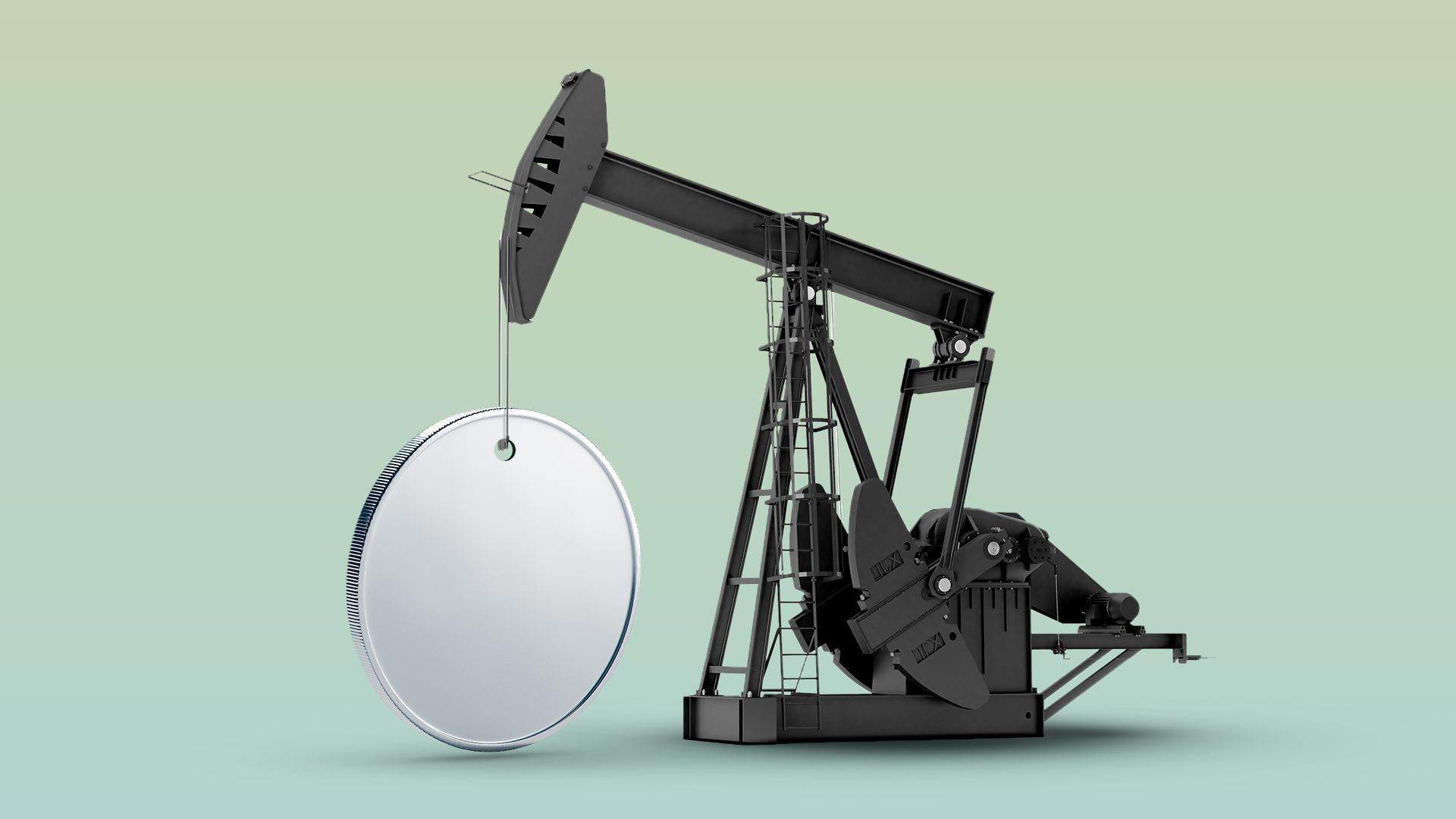
As high as those oil prices flashing on TV are, underlying market conditions are even worse — and so is the unfolding global economic pain.
Why it matters: Headline-grabbing futures prices — bets on where oil prices are headed — are far below the cost of increasingly scarce physical shipments.
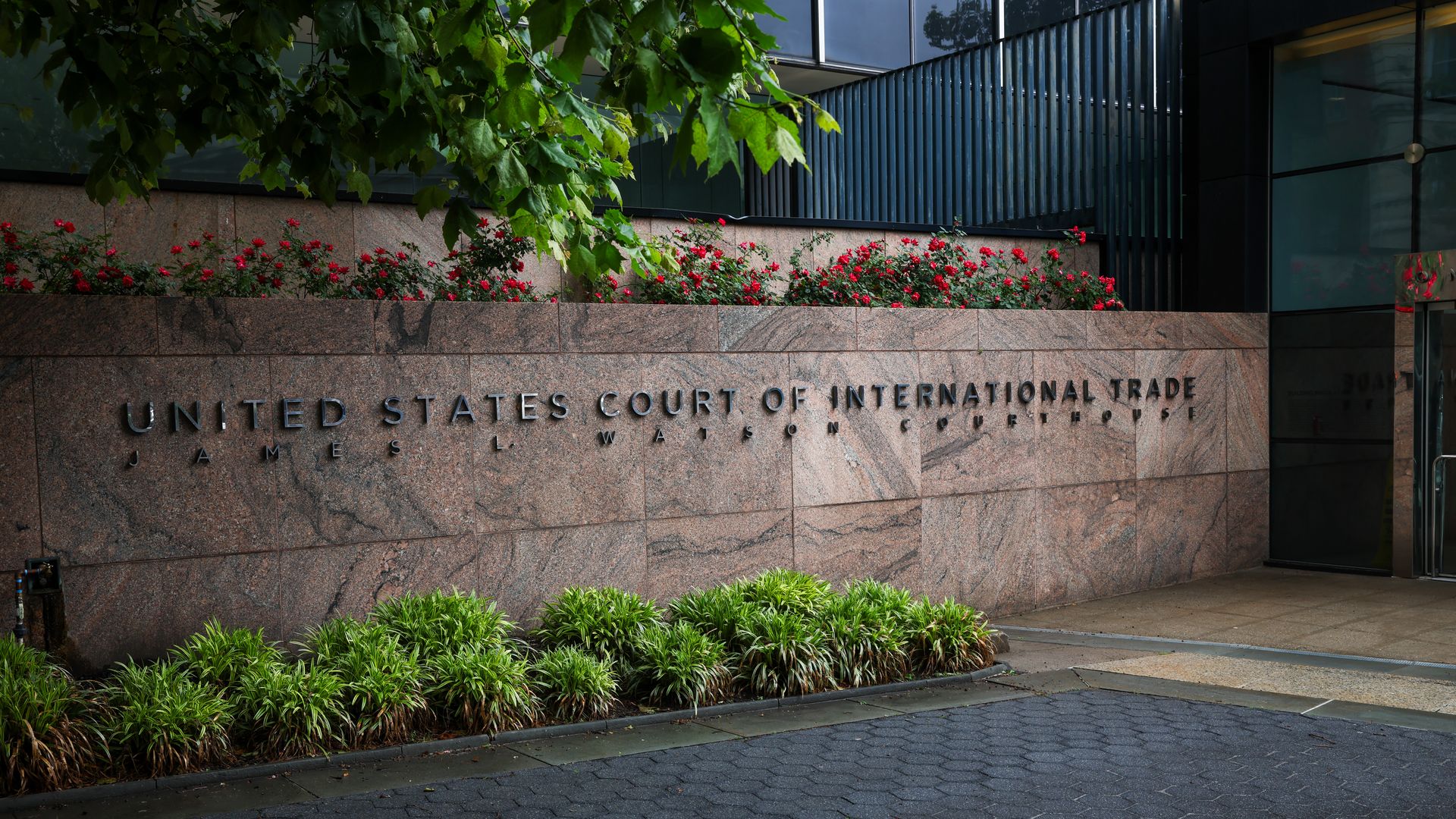
The nation's top trade court said on Friday that the legality of President Trump's latest tariffs comes down to one question — what counts as a "balance-of-payments deficit" — but no one had a satisfactory answer.
Why it matters: The case will determine the staying power of tariffs underpinned by an obscure, never-before-used trade law — the authority that Trump fell back on after the Supreme Court struck down his sweeping global tariffs.
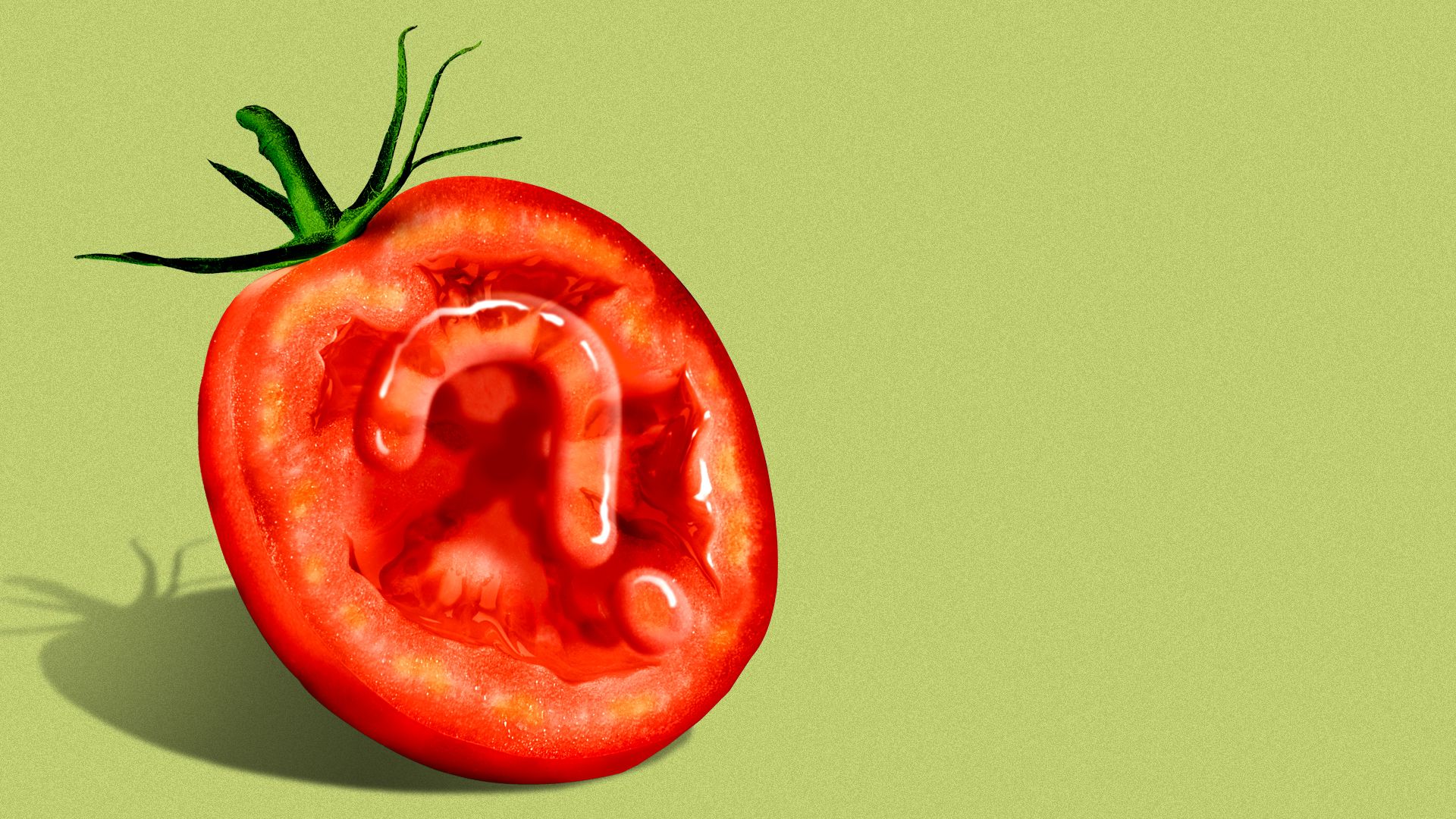
Tomatoes are suddenly one of the biggest drivers of grocery inflation — even as other food prices cool.
Why it matters: The spike shows how tariffs, war-driven energy costs and real-time supply shortages can collide — pushing up prices for a single staple even as overall grocery inflation stays muted.
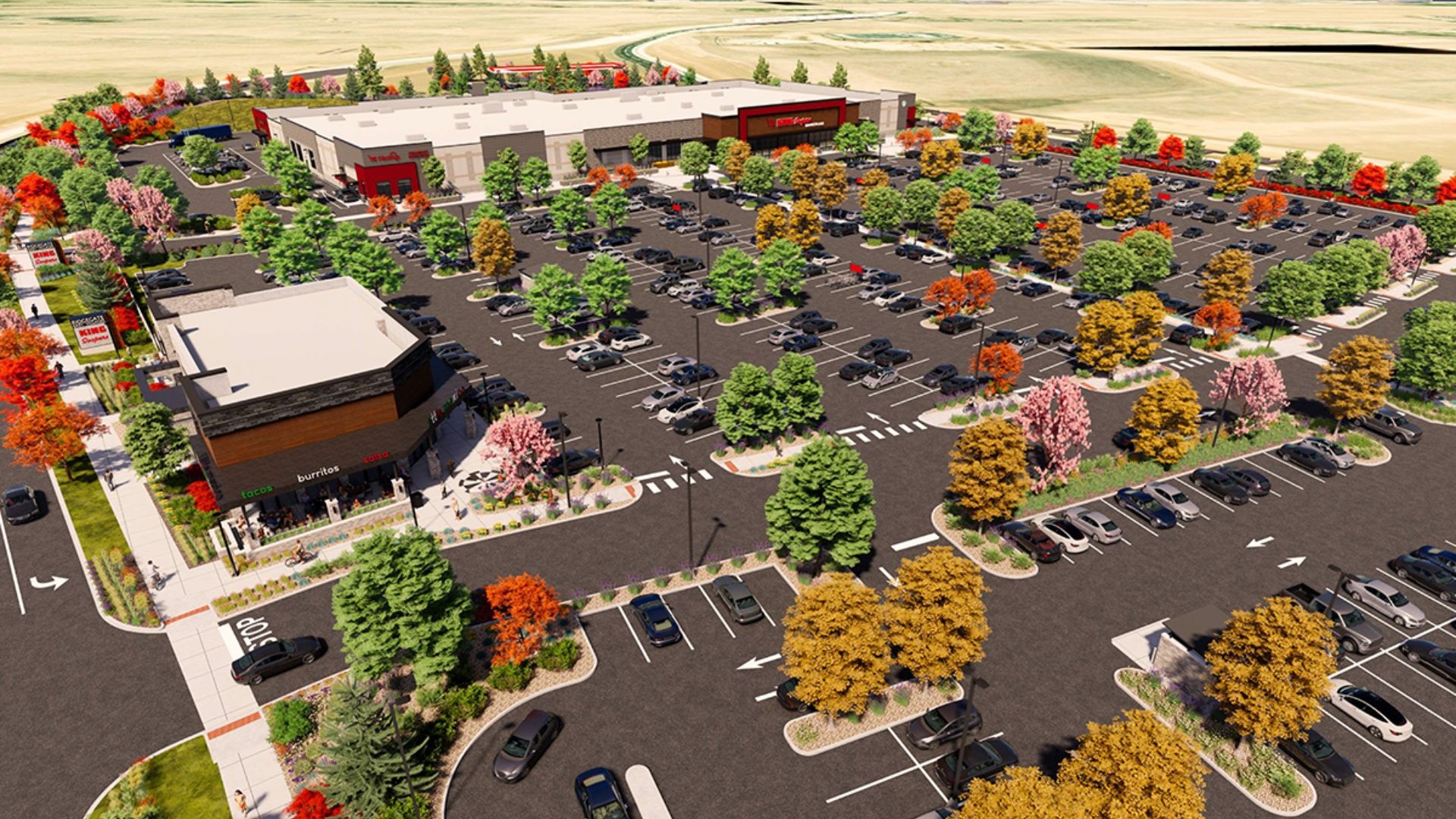
RidgeGate in Lone Tree has grown into one of the Denver metro's most ambitious master-planned communities — but it lacks the commercial infrastructure to support its planned density.
The solution: Regency Centers is developing Lone Tree Village to fill that gap, bringing a new ground-up, open-air, commercial hub to the rapidly expanding corridor.
A 123,000-square-foot King Soopers with a fuel center will anchor the development alongside a mix of shops, dining and neighborhood services designed for everyday needs.
March's inflation numbers had one story: the Iran war-driven energy price surge that almost single-handedly explains the fire-hot report.
The worst of the inflation surge in other categories — airfares, groceries and more — is yet to come.
Why it matters: The report captures the first wave of the Iran war's inflationary fallout. Energy shocks transmit through the economy in a sequence that will take more time to play out.
The first evidence of how Americans view the economy in April is in: People hate it.
The big picture: Americans are remarkably down on the state of the economy, even though headline measures of conditions like unemployment and inflation are not that bad.
Sazerac, the maker of Buffalo Trace bourbon and cinnamon-flavored Fireball, reportedly has made a takeover approach to Brown-Forman, the Jack Daniel's Tennessee Whiskey maker that's been in talks to be acquired by Pernod Ricard.
Why it matters: Booze brands are in decline, thanks to a sober-minded Gen Z, and are hoping the scale and synergies can reverse the skid. Particularly when a merger-friendly White House is in power.
U.S. inflation surged in March as the effects from the Iran war hit consumer wallets: The Consumer Price Index rose 0.9%, the biggest monthly increase since 2022, while the annual measure climbed to its highest level in two years.
Why it matters: The first inflation report of the war era captures the higher costs Americans faced last month — with knock-on effects still reverberating through the economy.
The share of adults age 55 and up in the workforce is at its lowest level in two decades, as more baby boomers age out of their working years.
Why it matters: The growing population of seniors — the youngest boomers are 61 years old — is one of two huge demographic forces hitting the labor market right now, as evidenced in last week's jobs report.
The fate of the "petrodollar" hangs in the background of the energy shock from the Iran war.
How it works: The term refers to the fact that oil trades globally in dollars: billions and billions of them spent every day all around the world.
The oil market creates a permanent, built-in global demand for dollars.
It's a big reason the U.S. currency sits at the center of the world financial system.
"When you think about the dollar as the world's dominant currency, the petrodollar is right at the heart of that," says Edward Fishman, author of "Chokepoints" and director of the Center for Geoeconomics at the Council on Foreign Relations.
The intrigue: There are a few risks now. Iran currently sells oil priced in the Chinese currency, the yuan, and if sanctions lift, it could start selling even more oil that is not denominated in dollars.
Plus, Iran is also seeking to charge a toll on traffic through the Strait of Hormuz.
There's talk of the toll being charged in yuan or crypto.
A non-dollar toll would be a threat to the petrodollar system, says Fishman.
Zoom in: There's a lot of nervousness among global companies trying to navigate the situation in Iran, says Safiya Ghori-Ahmad, senior director with APCO Worldwide, a public affairs and strategic communications firm.
"What that leads to over time is diversification away from the dollar."
Yes, but: It's something that economists have warned about for a long time, but for the moment the dollar dominates the oil market and economy. No one is saying this would change overnight.
Iran may even be seeking to toll the strait in order to get more dollars, Brad Setser, a senior fellow at the Council on Foreign Relations, tells Axios.
The bottom line: This is a defining moment for "Pax Dollar," says Ken Rogoff, the Harvard economist and former chief economist at the International Monetary Fund who warned that the U.S. ripping up trade agreements could destabilize the dollar in a recent book, "Our Dollar, Your Problem."
What's happening now, he says, is more momentous: "This is really bigger than 'Liberation Day.'"
The energy shock from the Iran war may drive long-lasting change in how the global multitrillion-dollar oil market operates — turning a relatively open and smoothly functioning system into something weaponized and fractured.
Why it matters: Such a reordering would mean, at a minimum, higher energy prices and inflation, and in the long term could even shake the foundations of the dollar-based global economy and with it, U.S. power.