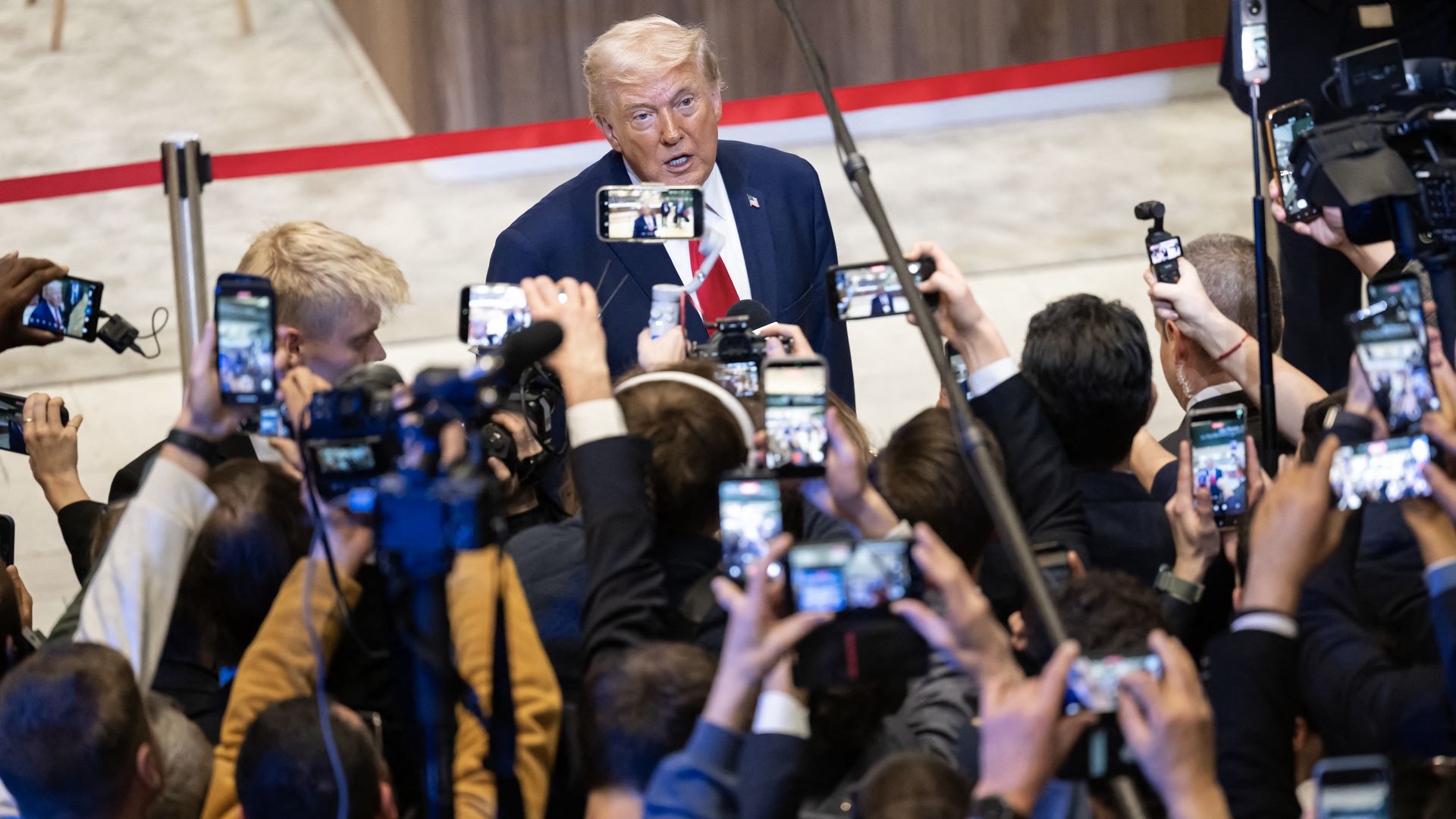
Bank of America is weighing offering a credit card with a 10% interest rate cap for one year after President Trump backed a temporary ban on higher rates, according to a person familiar with the matter.
Why it matters: Trump shocked Wall Street by aligning with key Democrats on a policy proposal that would sharply limit how banks profit from credit card borrowers.
Job listings that mention AI terms are surging, even as the overall labor market looks weak, per new data from the jobs site Indeed.
Why it matters: Everyone's braced for AI to take their jobs, but for now the new technology appears to be an actual bright spot in an otherwise grim labor market — particularly for white-collar professionals.
Tech companies are promising they'll pay for their AI data center demands, but some Democrats aren't buying it and want stronger commitments.
Why it matters: The tech industry is scrambling to make clear their AI ambitions won't make life more unaffordable for Americans as high prices become the focal point of upcoming elections.
Traders in prediction markets are betting that BlackRock executive Rick Rieder now has solid odds of becoming the next leader of the world's most important central bank.
Driving the news: Rieder, the chief investment officer of global fixed income at the world's largest asset manager, interviewed with President Trump last week.
In an interview with CNBC on Wednesday, Trump said Rieder was "very impressive."
President Trump really, really wants lower interest rates, and the Federal Reserve and other tools of state power have tried to deliver them. The bond market isn't cooperating.
Why it matters: Longer-term borrowing rates are set on global markets, as savvy players who together deploy trillions of dollars make bets on the future of growth and inflation.
In an era of vast power concentrated in the Oval Office, that makes it one of the few forces even Trump can't control. It is a constraint on his actions that will not respond to insults or threats.
Since taking office roughly a year ago, President Trump has increasingly inserted himself into the inner workings of American businesses.
Why it matters: Corporate America is well-versed in managing pressure from NGOs, activist investors and the media. What's new is the need to respond in real time to the whims of a single political figure with an enormous megaphone.
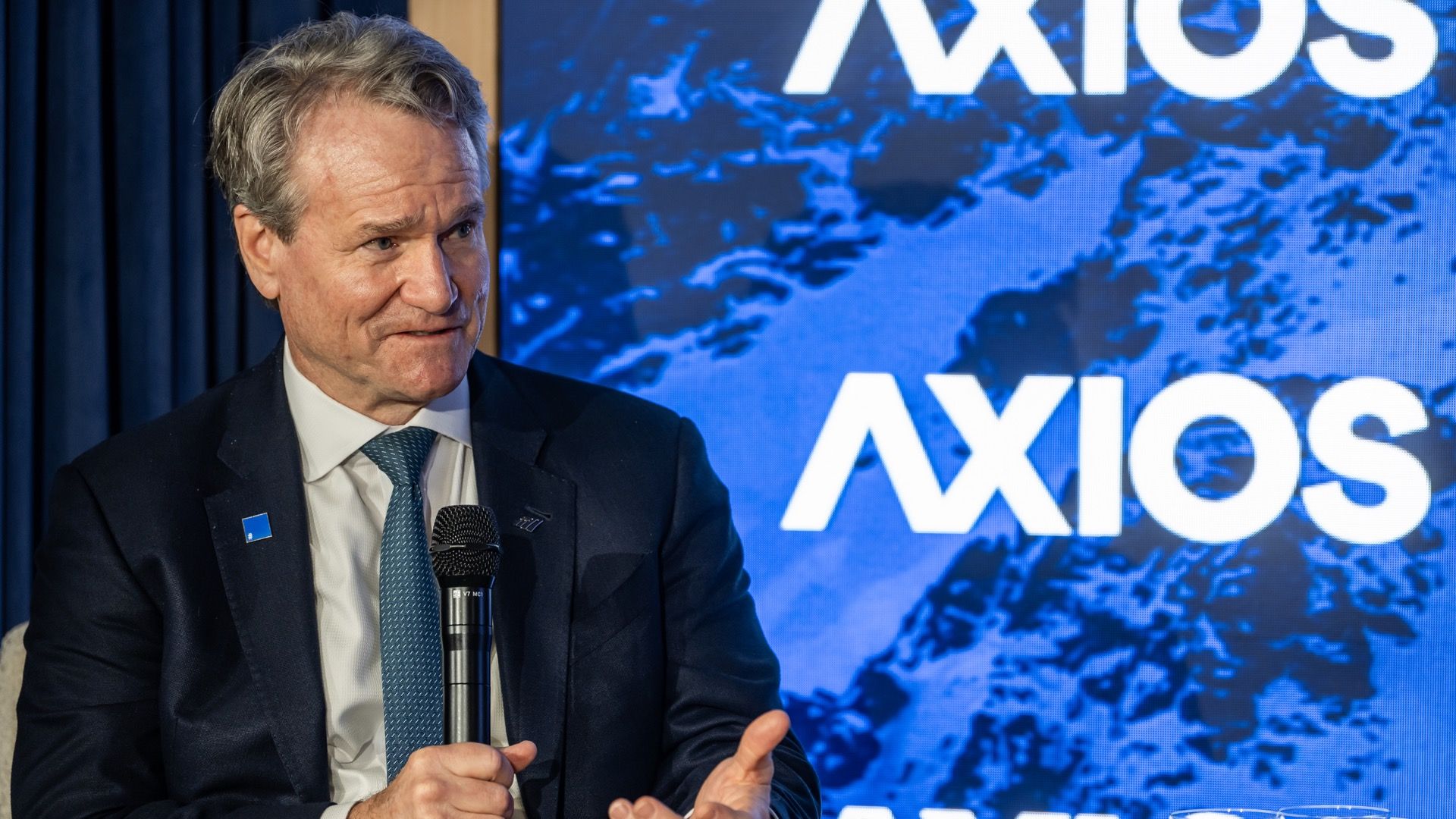
Bank of America CEO Brian Moynihan is bullish on America's economy, he said at Axios House in Davos on Thursday.
The big picture: His thesis a year ago — that lower regulation and lower taxes would offset any negative impact of tariffs — has largely proven out, he told Axios' Mike Allen and Courtenay Brown on stage.
The TACO trade is still a spicy one, as seen in the sudden stock market rally Wednesday, after President Trump dropped his threat to impose tariffs on eight European allies over Greenland.
Why it matters: Yet if investors always assume Trump will "chicken out" on market-unfriendly policies, they will have removed one of the major causes of the president backing down: themselves.
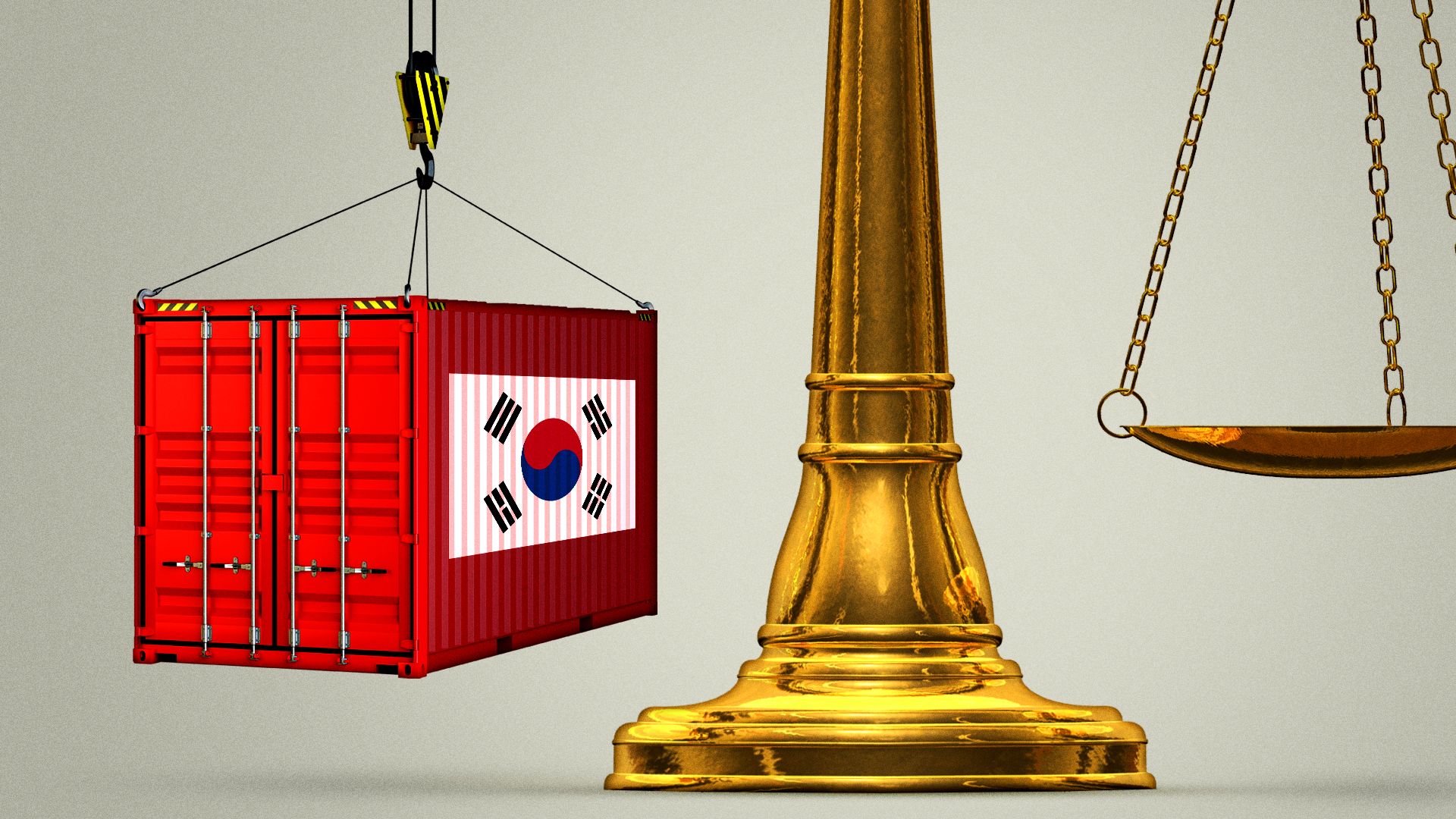
Silicon Valley investment firms Greenoaks and Altimeter on Thursday filed arbitration claims against South Korea's government, arguing that it has acted unlawfully toward e-commerce giant Coupang.
They also asked the U.S. Trade Representative to investigate.
Why it matters: It's highly unusual for U.S. venture capitalists to sue foreign governments, and their move could drive a wedge between Washington and Seoul.
The health of the economy increasingly depends on rich people spending money, a new analysis of government data finds.
Why it matters: That puts the U.S. in a fragile place because consumer spending drives growth — so the entire economy is now relying on a smaller number of people to keep things afloat.
DAVOS, Switzerland — A four-day Greenland crisis that roiled global markets, endangered the transatlantic alliance and dominated Davos ended Wednesday the same way it began: with a post on Truth Social.
Why it matters: Details remain thin on President Trump's "framework of a future deal" with NATO, but the immediate crisis appears defused in a way that allows virtually every party to claim a win — or at least take a breath.