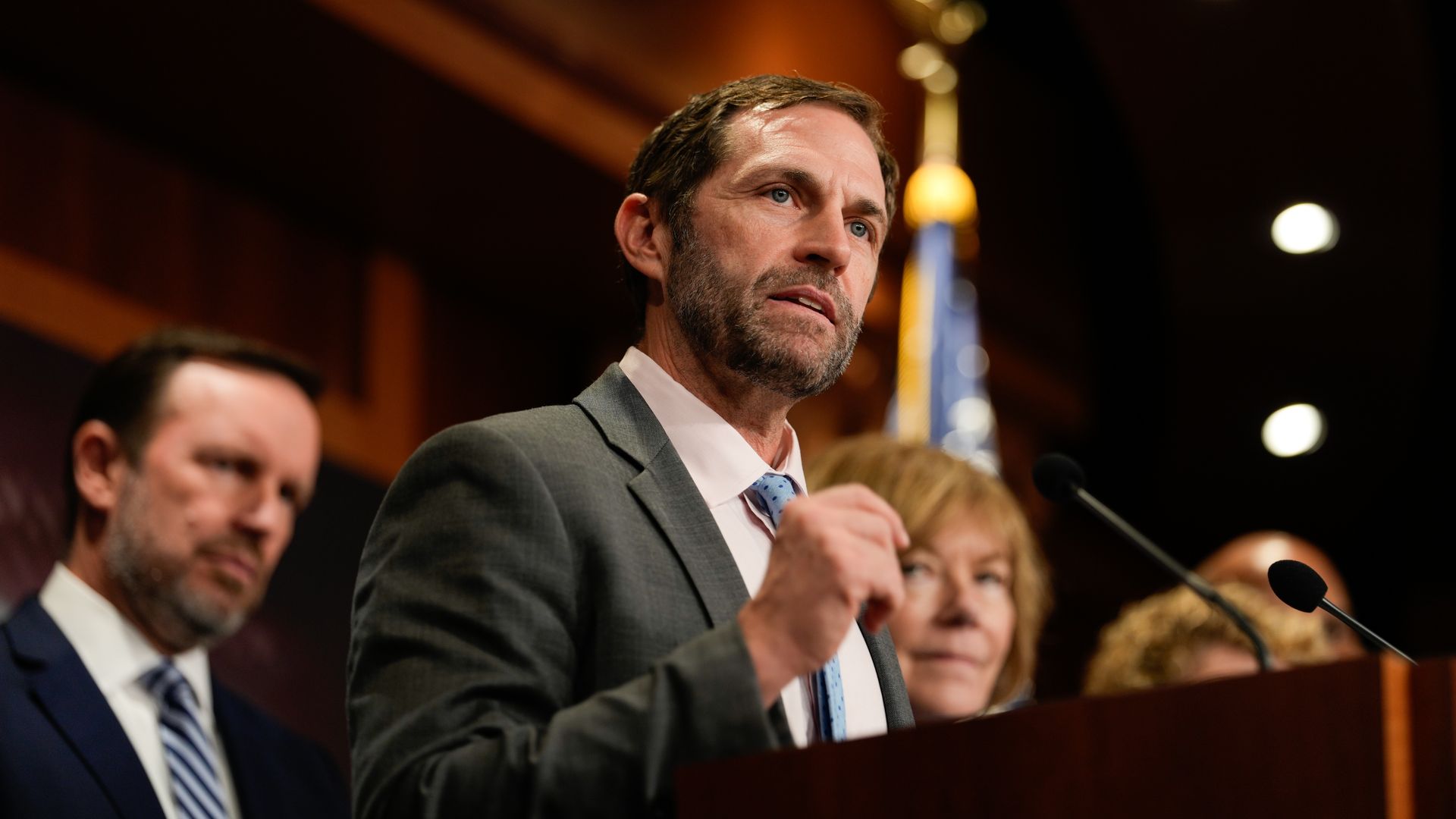
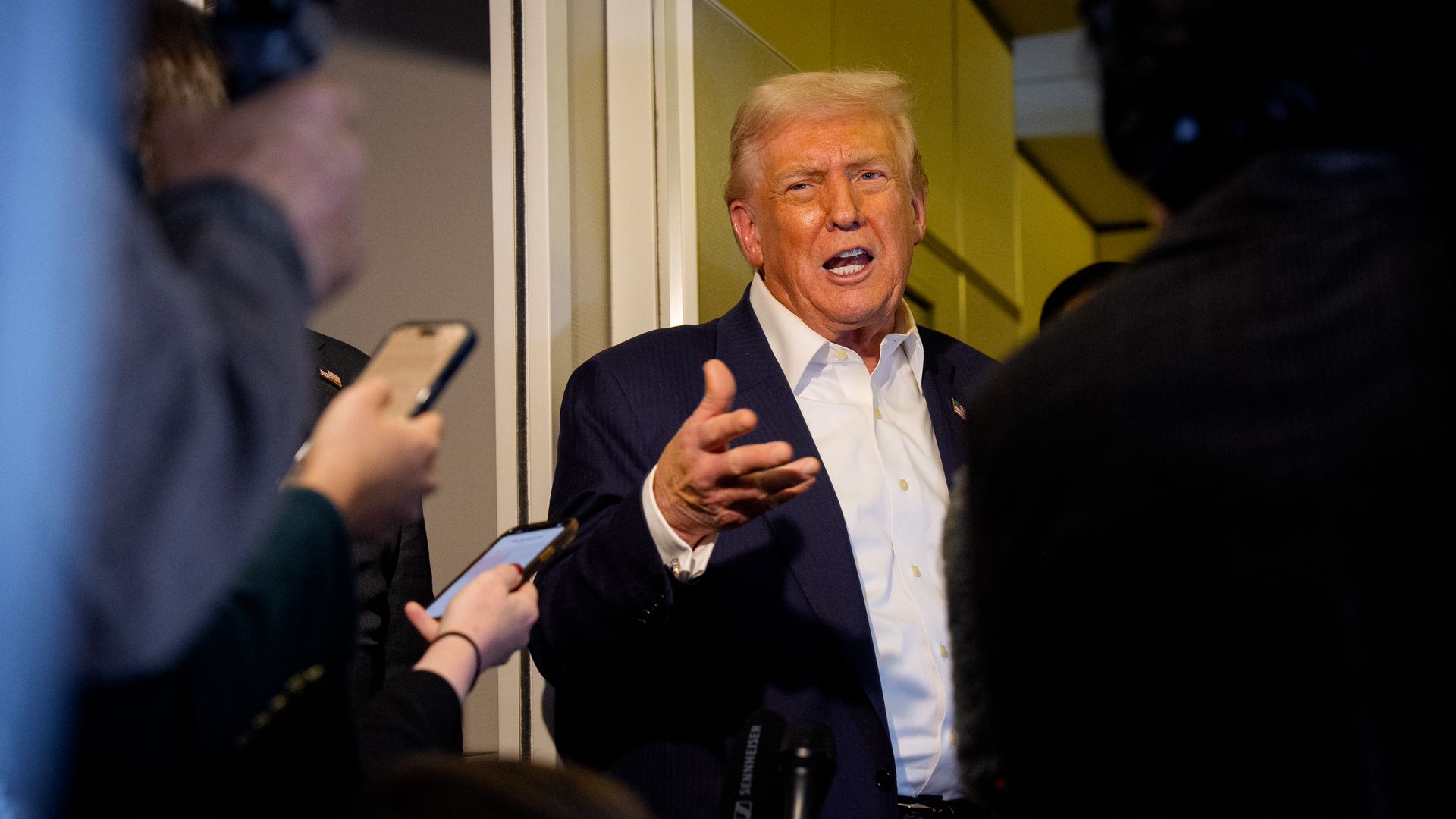
A group of congressional Democrats with national security backgrounds say threats coming into their offices have surged dramatically after President Trump said comments they made are "punishable by DEATH!"
Nokia just hosted its 2025 Capital Markets Day in New York, where it announced a new strategy and a simplified operating model to position the company on a strong path to lead, innovate, serve its customers and create shareholder value.
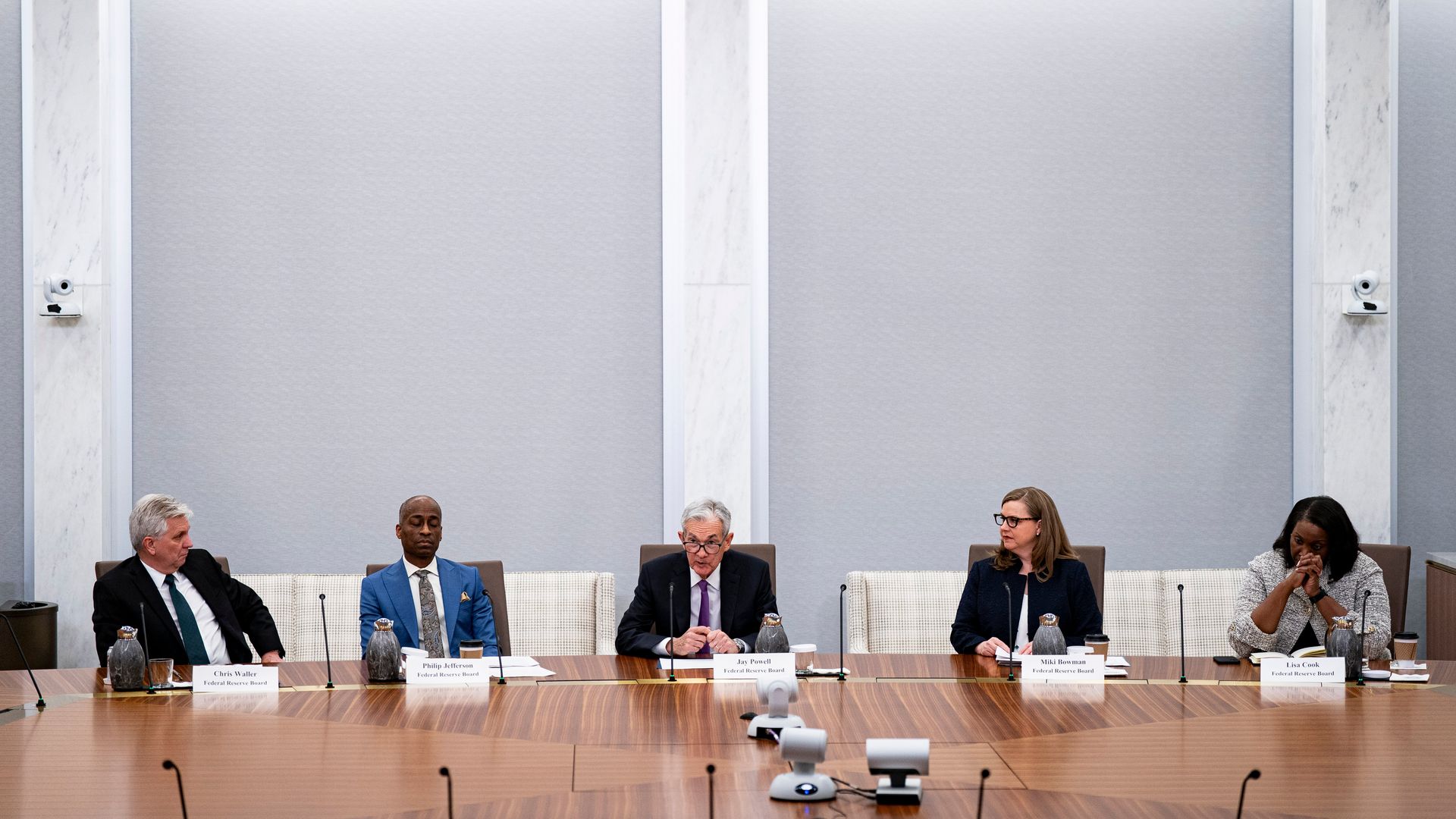
After weeks in which the Federal Reserve's policymakers have seemed more divided over interest rate policy than they've been in years, Friday brought the clearest hint yet that a rate cut is on the way 19 days from now.
Why it matters: New York Fed president John Williams' words in a speech Friday only make sense if the central bank's inner circle of leadership has decided that they think another interest rate cut is justified at the December 9-10 meeting, and are confident they'll have the votes to make it happen.
The Federal Reserve is deeply divided right now between officials who think it should cut interest rates next month and those who don't. One plausible result of the vote would create a stunning irony.
The big picture: Usually, as a Fed watcher, you don't spend much effort counting votes. The policy committee reaches a consensus decision, and if there is a dissent or two, that is a footnote at best.
Nvidia's powerhouse earnings weren't quite enough to pause a tech-driven selloff on Thursday. Instead, it took comments from a top Federal Reserve apparently confirming an interest rate cut in December to support the market, at least in Friday morning trading.
Why it matters: So much of the market, and the economy, has relied on a single company, and its earnings didn't do enough to dispel AI bubble concerns.
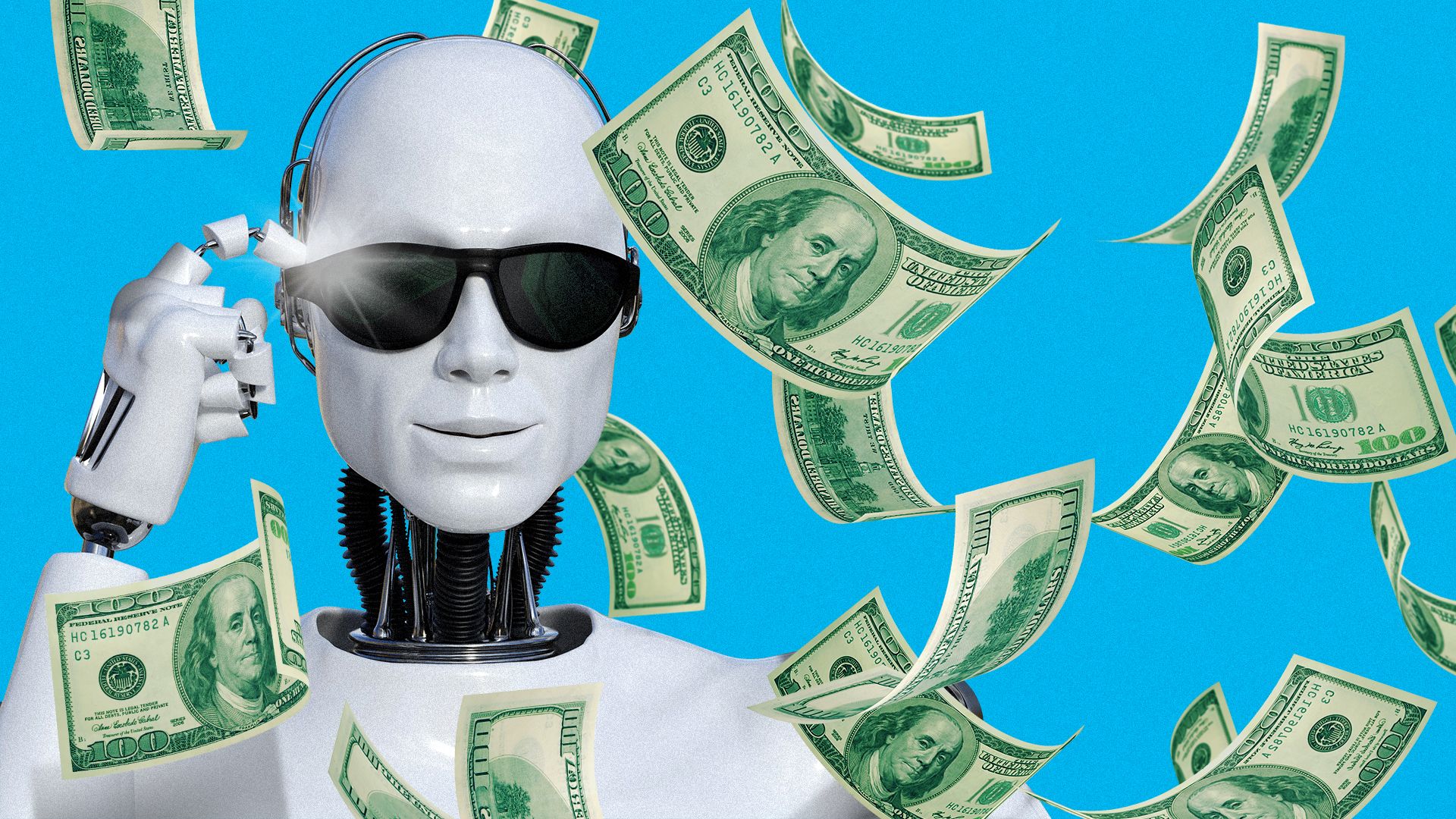
Physical Intelligence, a San Francisco-based developer of AI software for robots, has raised $600 million led by Alphabet's CapitalG at a $5.6 billion valuation.
Why it matters: There's tons of talk about how AI could lead to a white-collar jobpocalypse, in a reversal of the 1980s and 1990s factory automation boom. "Learn to plumb, not to code."
But VCs are pumping a ton of cash into marrying AI and robotics, which suggests that all collar colors could get singed.
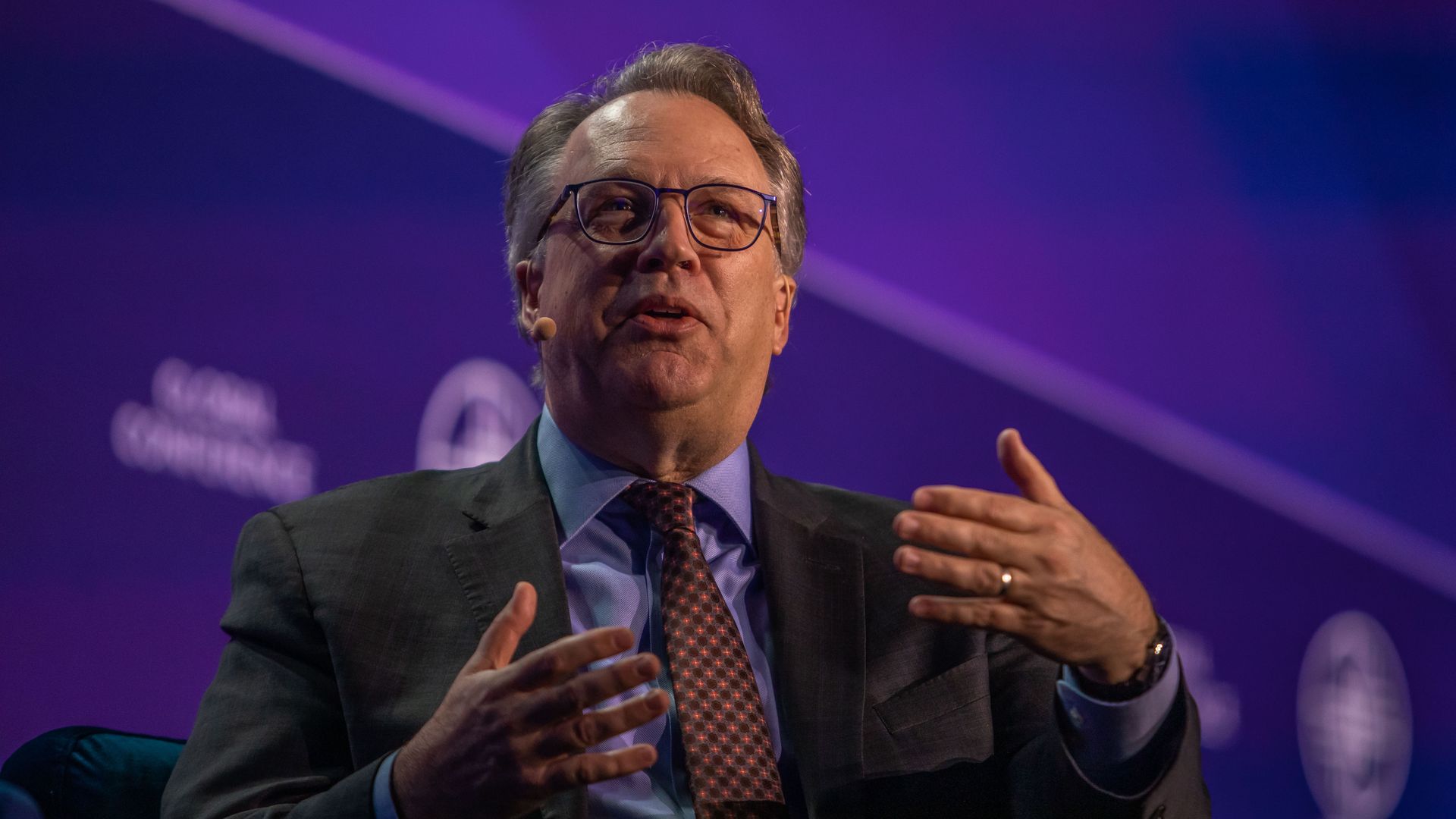
New York Fed president John Williams on Friday signaled support for another rate cut "in the near term," an important endorsement as the central bank faces historic division over whether to slash borrowing costs again.
Why it matters: The signal from Williams, who is also vice-chair of the Fed's rate-setting committee, sent the stock market up in early trading and put a December rate cut — all but written-off earlier this week — back on the table.
A plunge in cryptocurrency assets accelerated Friday morning, led by bitcoin, which has lost more than a third of its value since setting an all-time high in October.
Why it matters: The bloodbath has left no corner of the market untouched, and is reviving the debate about crypto as a long-term asset.
Wall Street is now looking past President Trump's policy proposals meant to address the affordability crisis, from stimulus checks to 50-year-mortgages.
Why it matters: Market participants doubt whether the recent ideas will go anywhere and, if they do, whether they would actually address the problems of affordability.
What they're saying: "Well into a second administration, investors have developed a filter for the president," Joe Brusuelas, chief economist and principal at RSM US, tells Axios.
Investors are familiar enough with Trump's approach to differentiate between "extreme statements" and "more substantial decisions," he adds.
State of play: The White House has made several policy proposals meant to address the affordability crisis.
Zoom in: The market didn't move meaningfully off any of these proposals.
The bond market in particular would have been primed to react to the tariff checks, given revenue from the levies is meant to eat away at the deficit.
But both the bond market the stock market are relatively sanguine, with the latter too focused on Nvidia and all things AI to care about Washington.
The other side: The White House declined to comment on the stock move yesterday.
Threat level: The proposals may not fix the problems they aim to address.
Stimulus checks fueled inflation coming out of the pandemic, according to a study from the Federal Reserve.
Longer-term mortgages can decrease monthly payments, but increase the overall cost of home ownership, according to Moody's.
Food prices "weren't necessarily going up just because of tariffs," National Economic Council director Kevin Hassett said on ABC "This Week."
Between the lines: "The problem with the government trying to solve market problems is that it's always a supply issue, and the government is not great at solving supply issues," Norton of Empower tells Axios.
"That's where the private market is much, much better," she adds.
Reality check: This was also a criticism from Wall Street during the Biden administration with regard to stimulus checks doled out amid the pandemic and increased government spending via the Inflation Reduction Act.
What to watch: How the market responds to Washington as the year ends. Investors seem too dazed by the AI bubble to consider much else right now.
About 7% of all air traffic controllers who continued working during the country's longest-ever government shutdown will receive President Trump's $10,000 "perfect attendance" bonus.
The big picture: The National Air Traffic Controllers Association expressed gratitude for those being rewarded, but the union told Axios it's "concerned that thousands" of workers "who consistently reported for duty" during the shutdown while working without pay "were excluded from this recognition."
The federal government will soon require carmakers to test vehicle safety systems using advanced crash test dummies that more accurately represent female bodies.
Why it matters: Women face a much higher risk than men of being seriously injured or killed in a crash — but most vehicle safety systems are tested using male crash test dummies.