Fed minutes signal deep division, putting future rate cuts in danger

Add Axios as your preferred source to
see more of our stories on Google.
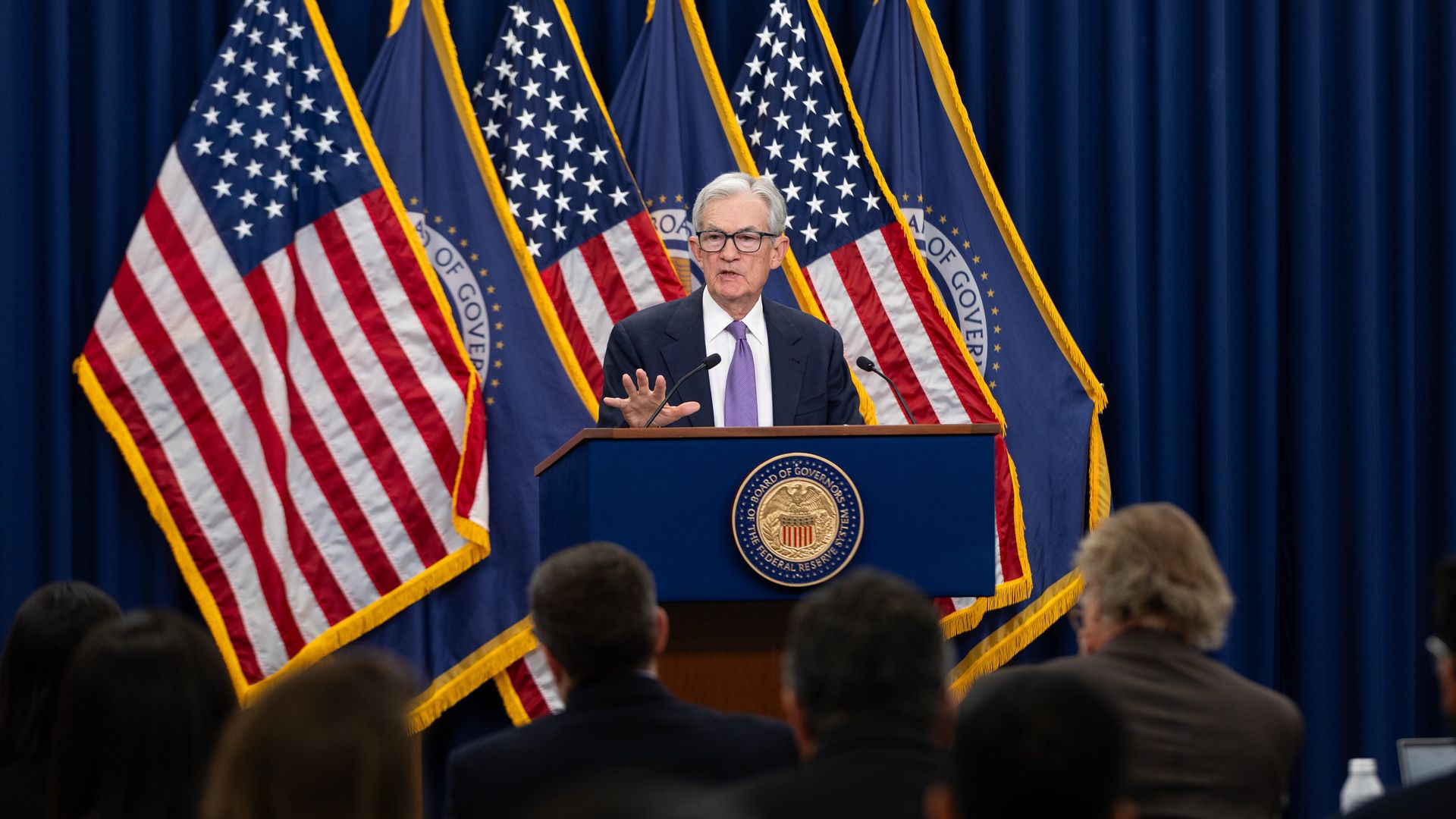
Federal Reserve chair Jerome Powell speaks at a press conference last month. Photo: Hu Yousong/Xinhua via Getty Images
The Federal Reserve was more divided than previously known about cutting interest rates, new minutes from the central bank's Oct. 28-29 policy meeting show.
Why it matters: With just weeks before the next meeting, it is unclear whether the Fed will cut rates again with the largest split among officials in years.
What they're saying: Officials were not just divided about December. The minutes show there was hesitancy to move forward with the 0.25% rate cut officials announced last month.
- "Many participants were in favor of lowering the target range for the federal funds rate at this meeting, some supported such a decision but could have also supported maintaining the level of the target range, and several were against lowering the target range," according to the minutes released on Wednesday.
Zoom in: Kansas City Fed president Jeff Schmid was the only official to dissent in favor of keeping rates steady last month.
- Fed governor Stephen Miran, a new Trump appointee, dissented as well, though he preferred a larger rate cut.
What to watch: The minutes said Fed officials "expressed strongly differing views about what policy decision would most likely be appropriate at the Committee's December meeting."
- Most of the officials agreed the Fed should likely continue cutting rates over time, but several "indicated that they did not necessarily view another [0.25%] reduction as likely to be appropriate at the December meeting," the minutes show.
- "Many participants suggested that, under their economic outlooks, it would likely be appropriate to keep the target range unchanged for the rest of the year."
- But "several" officials said they could support another rate cut in December "if the economy evolved about as they expected" in the weeks to follow.
Between the lines: The deeply divided Fed is a result of unusual economic conditions, including a government shutdown that has prevented the release of critical data.
- AI investments are boosting the economy, though the labor market is sluggish.
- Tariff policies and immigration crackdowns are muddying the outlook for the labor market and inflation.
- In the background is the White House, which has put unprecedented pressure on the Fed to keep lowering rates.
At issue is whether the labor market is slowing in ways that require the central bank to loosen its grip on the economy.
- The minutes also showed division over inflation, with officials sounding more concerned about persistent price pressures that might worsen if the Fed keeps cutting rates.
- "Most" Fed officials noted that further rate risks inflation becoming "entrenched."
The intrigue: In recent weeks, a slew of Fed presidents have signaled a preference to keep rates on hold.
- Another set of officials, including Trump-appointed Fed governors, say the Fed should move rates down for the third time this year.
- "It is unlikely that the September jobs report later this week or any other data in the next few weeks would change my view that another cut is in order," Fed governor Christopher Waller, among those cited as the next possible Fed chair, said in a speech this week.
The bottom line: It is a rare period of uncertainty for a central bank that tends to avoid surprising financial markets.
- The Bureau of Labor Statistics said earlier on Wednesday that it would not release the October jobs data, citing the shutdown— a factor that might make it less likely for the Fed to cut rates.
