Tesla CEO Elon Musk said Thursday that he expects the company will need to build a chips factory to fulfill its ambitions to build self-driving cars and humanoid robots.
Why it matters: Tesla's move would be highly unusual, with most advanced chip manufacturing handled by a handful of fabricators like TSMC, Samsung and Intel.
SpaceX could eventually become a public company, Elon Musk said Thursday.
Why it matters: Often listed as one of the most valuable private companies in the world, SpaceX has spurned the public markets so far, remaining privately held by Musk and its investors.
Why it matters: The unusual measure comes as air traffic controllers go unpaid and staffing shortages plague FAA facilities nationwide, triggering slowdowns at airports coast to coast.
U.S. holiday spending is set to top $1 trillion for the first time this year, the National Retail Federation said Thursday in its annual holiday forecast.
Why it matters: The forecast stands out as a bullish call on the economy, amid stubborn inflation, new tariffs and a government shutdown that could sap spending.
The Federal Aviation Administration's (FAA) planned flight cuts and reductions in response to the ongoing government shutdown could strand air travelers across the country.
Why it matters: The FAA plans to reduce 10% of flights at 40 major U.S. airports, suggesting delays and cancellations are coming, on top of the staffing headaches already plaguing airports.
Snap will receive $400 million in cash and equity in Peplexity, as part of an agreement whereby Snap will incorporate Perplexity's AI search engine into Snapchat next year.
Why it matters: For Snap, it's a new business line that it seems eager to replicate. For Perplexity, it's a giant distribution boost. For everyone, it feels like a step toward sponsored AI and, possibly, agentic commerce.
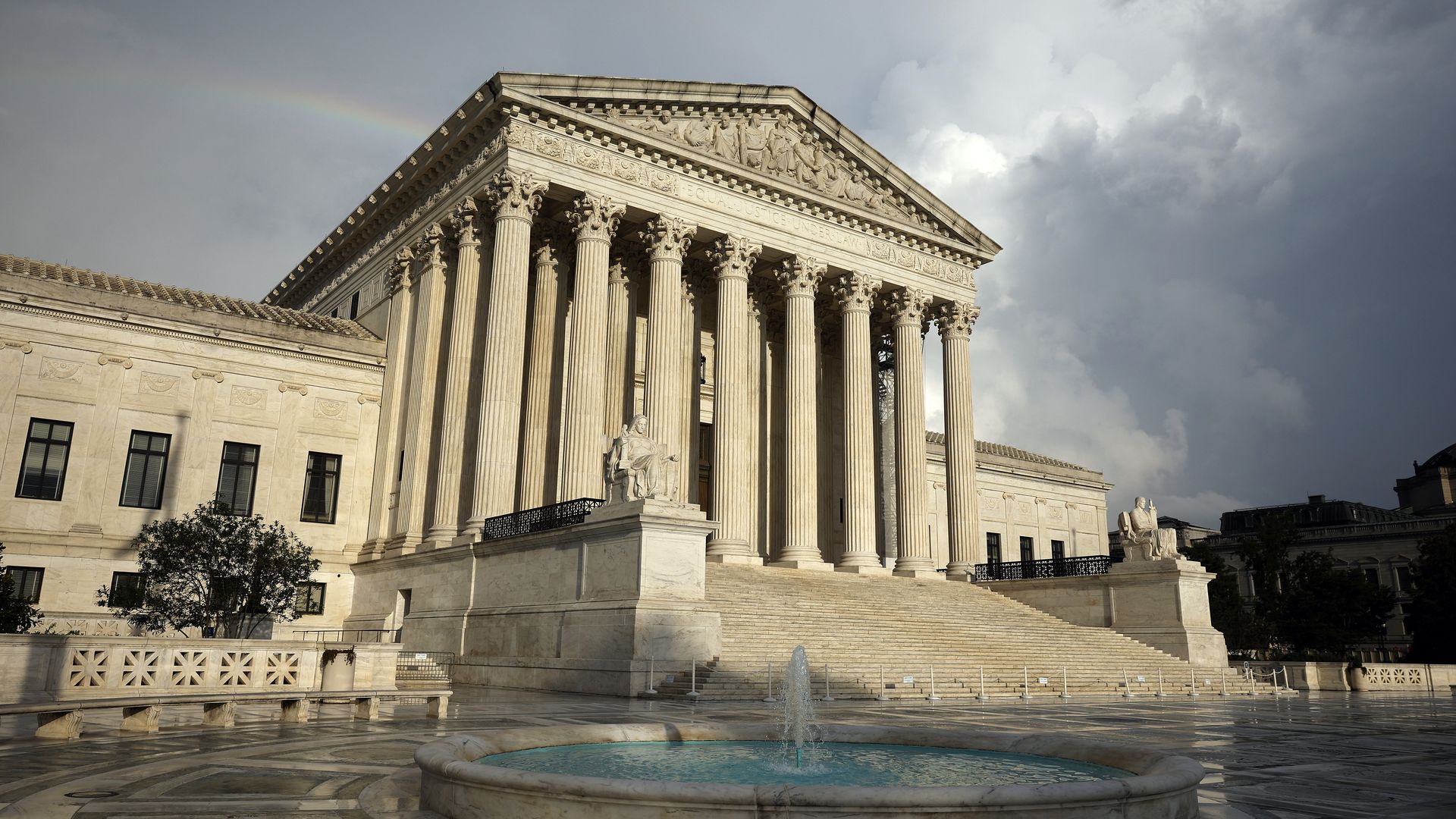
The Supreme Court on Wednesday heard oral arguments on a challenge to President Trump's tariff powers, with even conservative justices sounding skeptical of the White House's position.
The big picture: You can't divine a SCOTUS ruling from questions, or even their tone, but the odds have definitely shifted against this type of executive authority.
The Trump administration revised the calculations states must use for stopgap SNAP payments after finding errors, it said in court, adding to the uncertainty over the food benefits.
Why it matters: The roughly 42 million Americans who rely on these benefits to pay for groceries are going to struggle — some recipients will get 65% of what they would normally receive, others less, using the USDA's updated calculations.
Penn Entertainment and ESPN are ending the relationship that underpinned ESPN Bet — and the struggling sportsbook will be renamed.
Why it matters: ESPN Bet underperformed expectations since its launch in 2023, failing to capitalize on its high-profile branding in a competitive landscape dominated by the likes of DraftKings and FanDuel.
Zohran Mamdani, a democratic socialist, is the mayor-elect of New York City, often called the financial capital of the world.
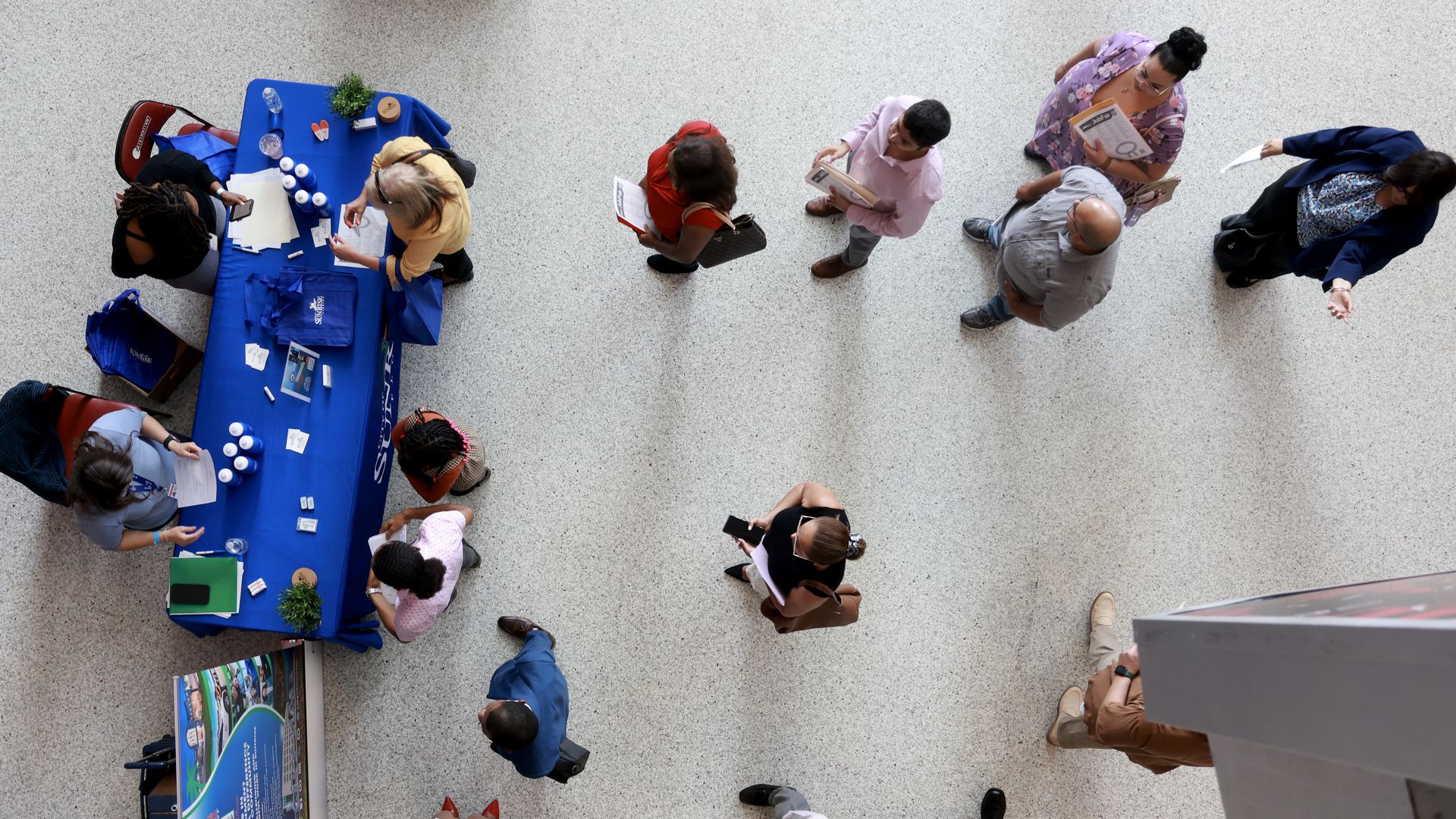
Why it matters: While it may still hold that title, New York is increasingly no longer the city with the highest job growth for financial services. Other cities are attracting firms and talent.
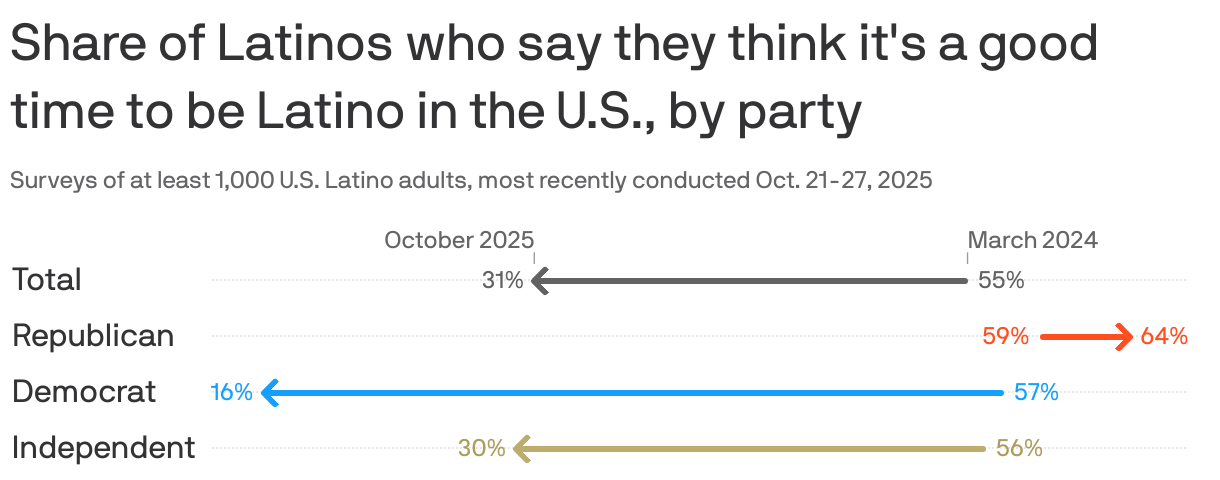
Nearly two in three Latinos say it's a bad time to be Latino or Hispanic in the U.S. — a spike in pessimism since just last year and a total reversal from three years ago — according to a new Axios-Ipsos Latino Poll in partnership with Noticias Telemundo.
The big picture: The survey shows that Latinos' overall sense of optimism, safety and belonging has plunged across several measures since President Trump took office.
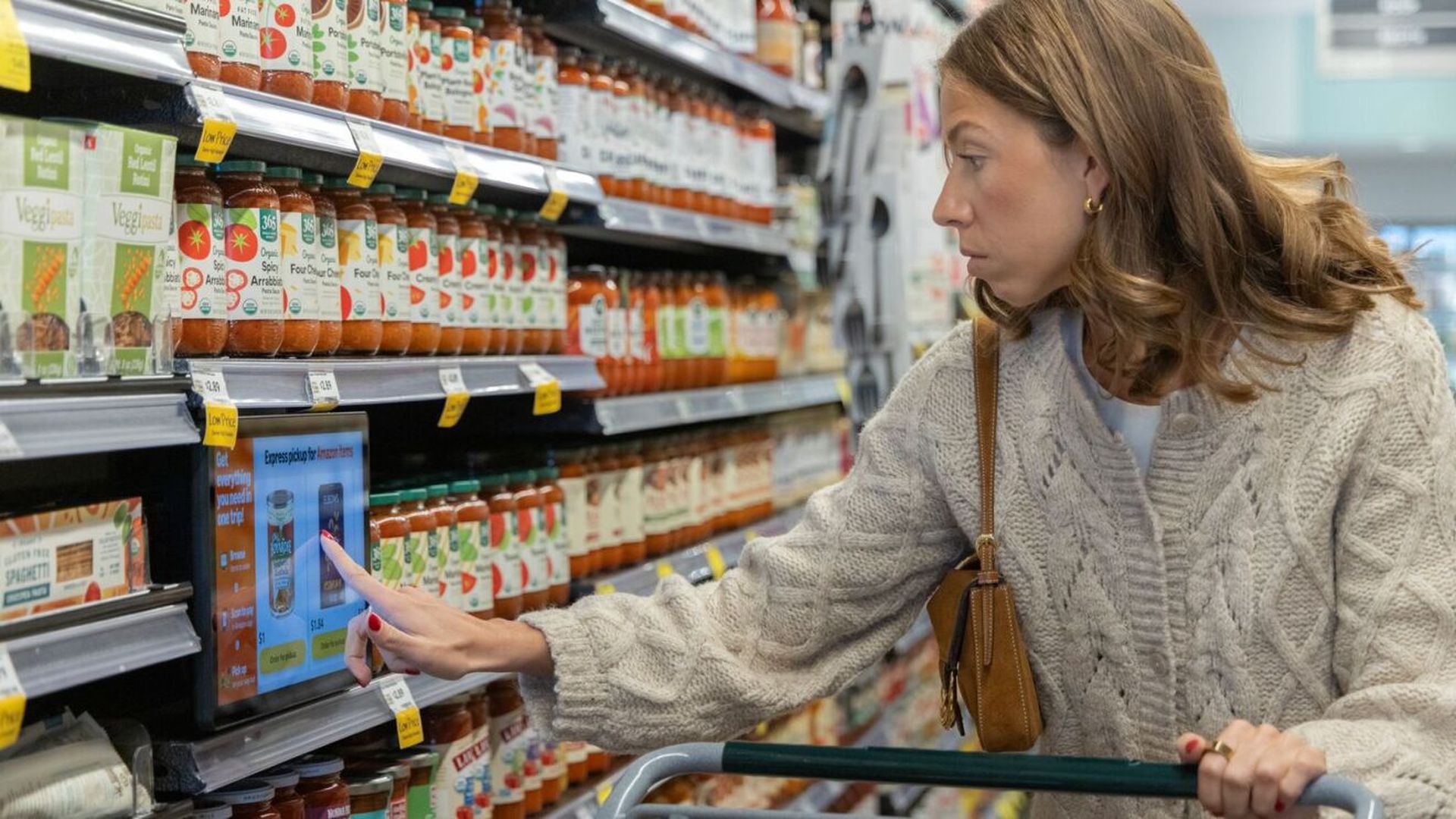
Amazon is testing a robot-powered "store within a store" at a Whole Foods Market near Philadelphia, merging the grocer's organic offerings with Amazon's regular brands — and a promise of speed.
Why it matters: The move underscores Amazon's ongoing effort to refine its grocery strategy — even as it generates more than $100 billion in annual grocery sales.
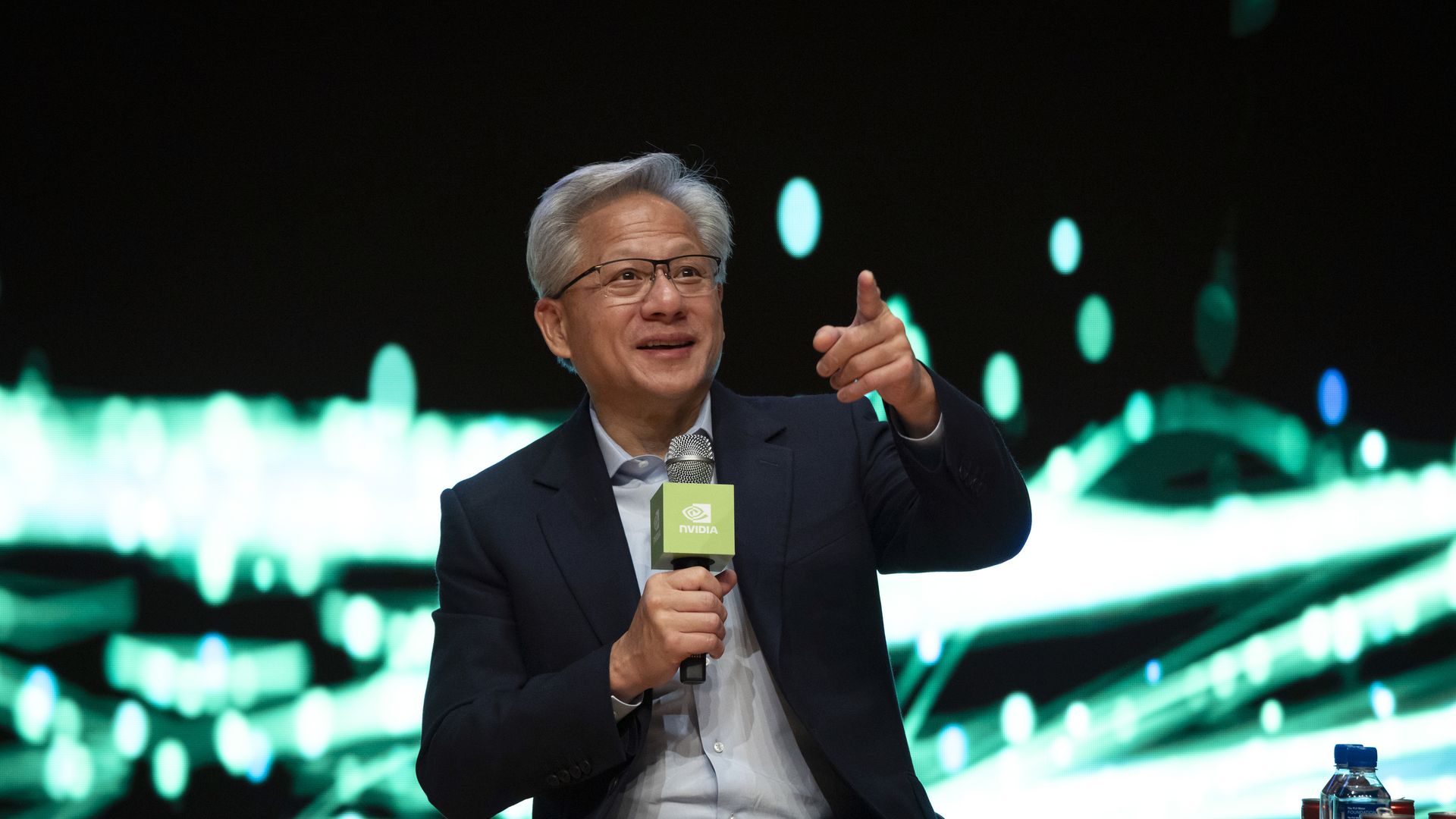
Nvidia CEO Jensen Huang has sounded his loudest alarm about the U.S. falling behind to China on AI, telling the Financial Times that "China is going to win the AI race."
Why it matters: The trillion-dollar bet on AI's success, pushed by the Trump administration, hinges in large part on Nvidia, the dominant maker of chips for AI computing.
Huang's warning reflected an apparent frustration with mounting calls for regulation in the U.S.