The labor statistics chief that President Trump fired Friday is a "terrific person," but the jobs data her agency produced has become "very unreliable," National Economic Council director Kevin Hassett said Sunday.
Why it matters: One of the top advisers to the leader of the world's largest economy is effectively saying one of the most crucial datapoints on that economy isn't particularly trustworthy, and hasn't been for years.
The U.S. is making progress in talks with China on access to rare earth minerals and other trade issues, but an extension to their tariff truce isn't yet final, U.S. Trade Representative Jamieson Greer said Sunday.
Why it matters: The China trade relationship is of paramount importance to U.S. business leaders and financial markets, particularly the access to rare earth magnets, a crucial component for hundreds of products.
The Christmas business is typically pretty cheerful, but not this year: Companies that import and sell Christmas trees, twinkling lights and other holiday decorations say they've been hammered by tariffs.
Why it matters: You'll likely pay more for holiday supplies, and have fewer products to choose from — industry leaders are even warning about possible shortages.
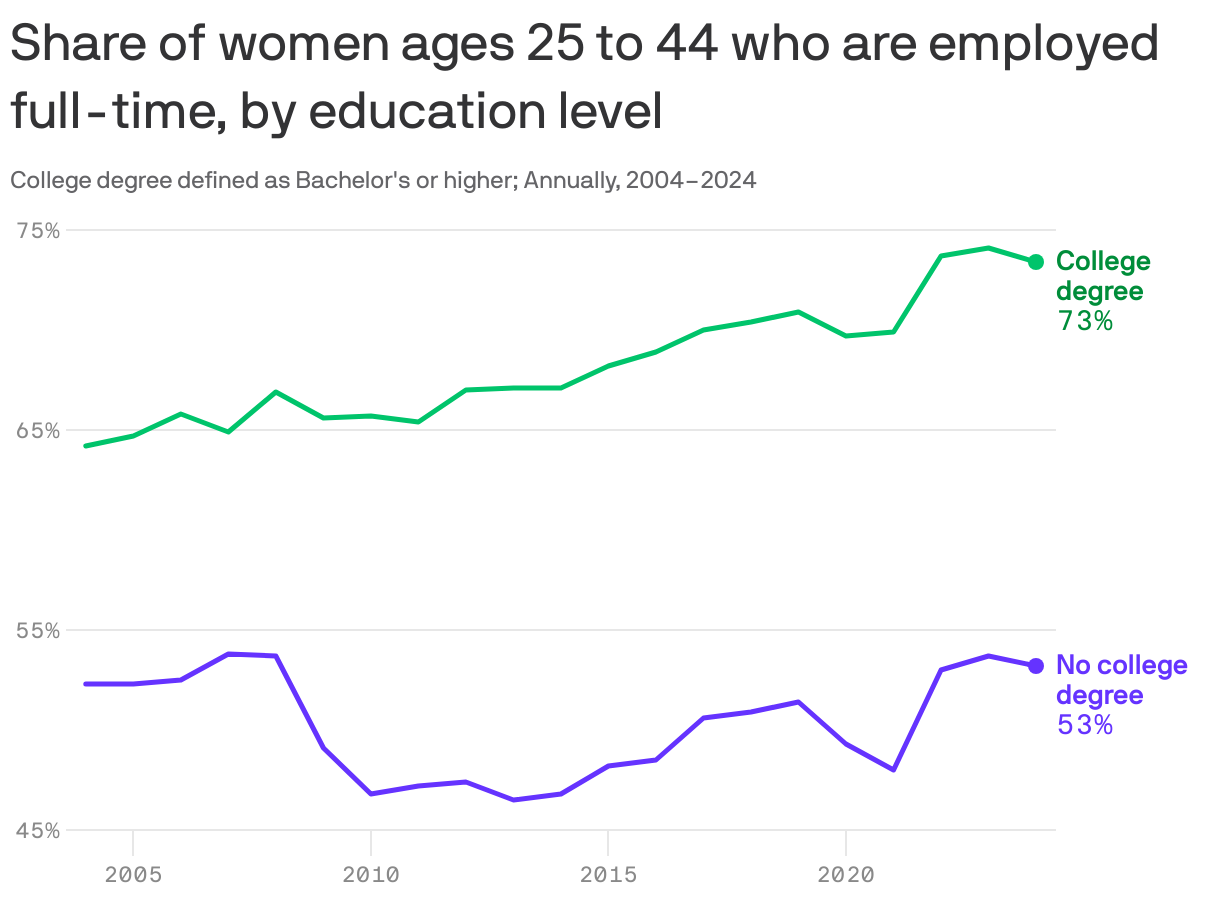
College-educated women, particularly mothers, triumphed in the work force in recent years; for those without a degree, the story is less rosy.
Why it matters: The difference is likely about job quality — women with degrees can land positions with paid leave and flexibility that allow them to manage parenting and paid work (a responsibility that they're more likely to shoulder).
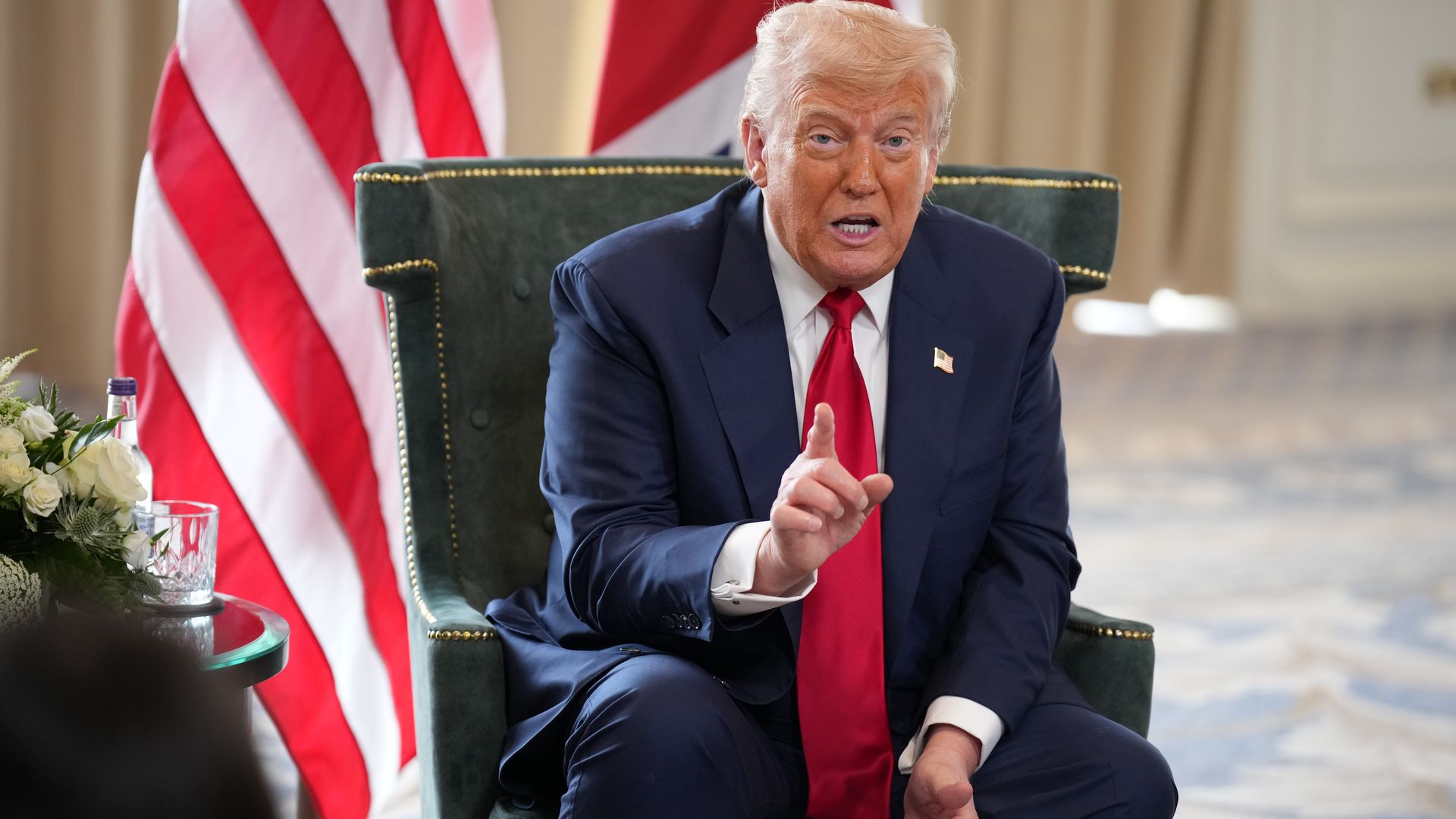
A five-alarm fire tore through the economic establishment Friday after President Trump ousted the government's top labor statistician, accusing her — without evidence — of "rigging" a weak jobs report.
Why it matters: It's just one glaring example from a week that bore many authoritarian hallmarks — purging dissenters, rewriting history, criminalizing opposition and demanding total institutional loyalty.
President Trump said he has fired the commissioner of the Bureau of Labor Statistics after the independent government agency reported weak jobs numbers for July and the preceding month.
Why it matters: Trump is turning his ire about poor jobs numbers on the number-crunchers.
America is showing new signs of stagflation — inflation running hotter, the job market suffering new weakness, and economists warning both are at risk of getting worse in the months ahead.
Why it matters: The word "stagflation" revives miserable memories of the 1970s, when Americans faced a dreadful combination of higher prices and few job opportunities.
AI is supposed to displace millions of workers in the coming years — but when your toilet won't flush at 2am, you're not going to call ChatGPT.
Why it matters: The reshaping of the American economy promises to offer a kind of revenge for the blue-collar laborer, as white-collar workers become largely dispensable, but the need for skilled trades only grows.
Chinese hackers are targeting more sensitive U.S. targets than ever — not to smash and grab, but to bide their time.
Why it matters: Beijing is investing in stealthy, persistent access to U.S. systems — quietly building up its abilities to disrupt everything from federal agencies to water utilities in the event of escalation with Washington.