🤖 The online retail giant now has more than 1 million robots working in its warehouse facilities — and they're close to outnumbering humans, WSJ reported.
Between the lines: Robots are doing a lot of the heavy lifting. Literally. And for some existing workers, that's led to more advanced work and better pay overseeing systems.
Yes, but: They are also reducing the need for human jobs. The WSJ reported that the average number of Amazon employees per facility last year was the lowest it has been in 16 years.
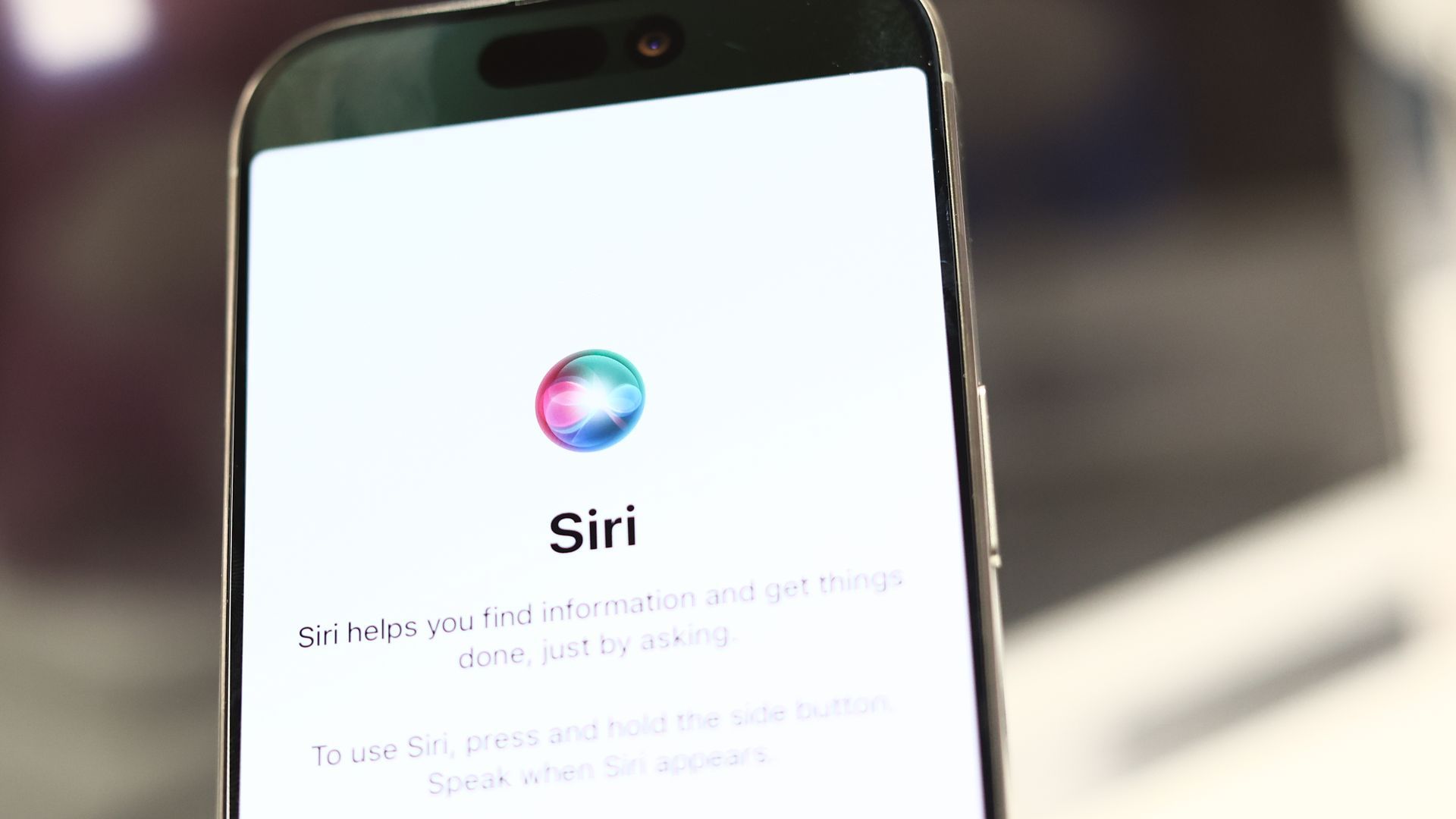
The big picture: Eligible individuals who purchased or owned Siri-enabled devices between Sept. 17, 2014 and Dec. 31, 2024 could receive up to $20 per device, for up to five devices.
Why it matters: Figma becomes the first U.S. unicorn in line for what's expected to be a large group of post-Labor Day IPOs, although it technically could price before then.
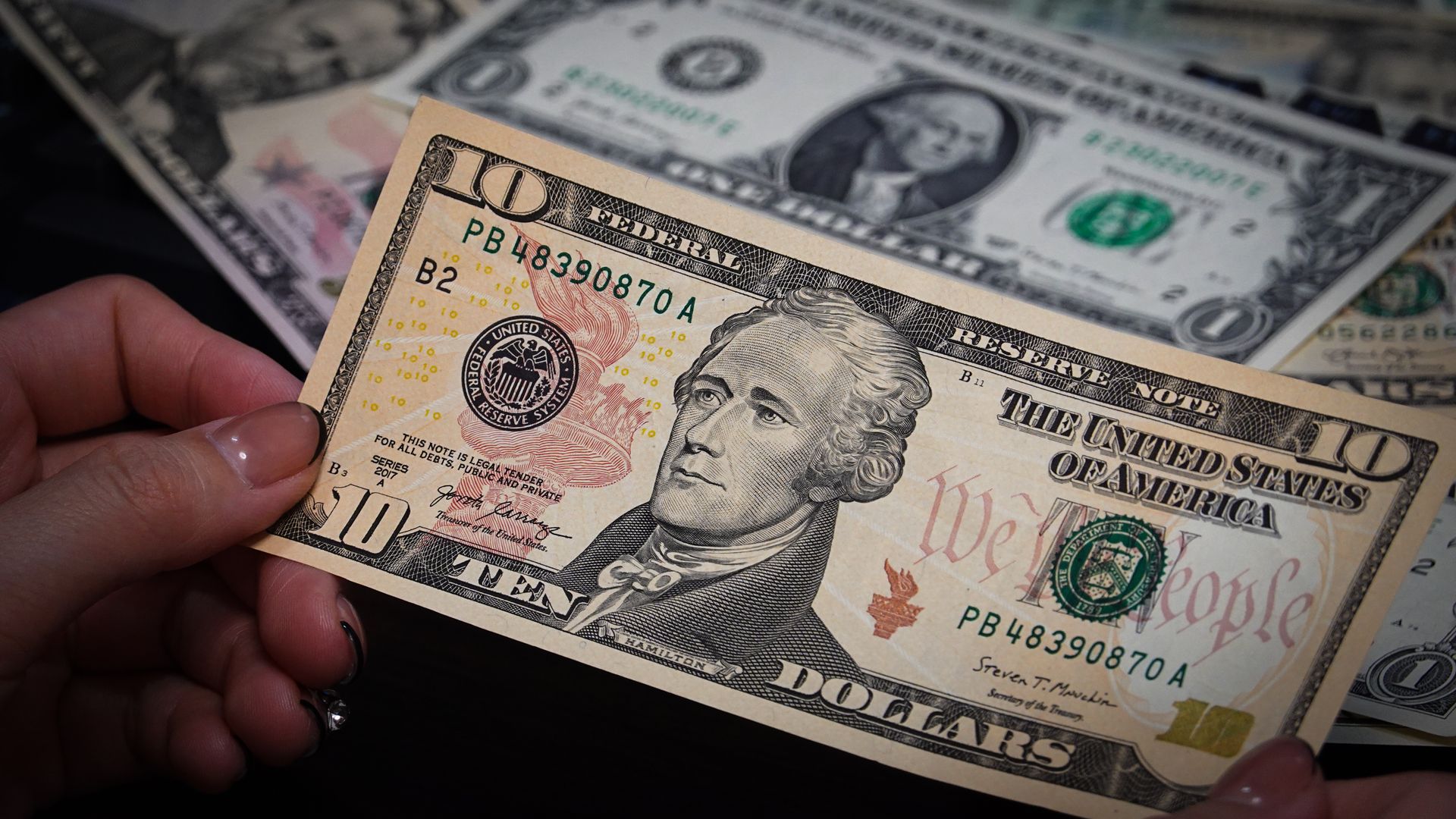
Minimum wage increases went into effect across several states and localities on Tuesday.
Why it matters: In Alaska, Oregon, and Washington, D.C. alone,that means paycheck boosts for more than 880,000 people, according to The Economic Policy Institute, also impacting workers in major hubs like Los Angeles, San Francisco, and D.C.
Here's all the places where increases went into effect today:
Everett: Employers with more than 500 employees increased to $20.24 (up from $16.66, the state minimum wage). Employers with 15 to 500 employees increased to $18.24 (up from $16.66). Employers with 14 or fewer employees are not affected.
Renton: Employers with more than 500 employees increased to $20.90 (up from $20.29). Employers with 15 to 500 employees increased to $19.90 from $18.90.
Tukwila: Employers with 15 to 500 employees increased to $21.10 (up from $20.10)
Everyone is tokenizing stocks all the sudden, to wild applause.
Why it matters: Coinbase and Robinhood have notched all-time highs in their stock prices in recent days amid announcements about putting equities on blockchains.
Catch up quick: Coinbase has asked the U.S. Securities and Exchange Commission for permission to tokenize stocks and offer them to customers.
Yesterday, Robinhood announced it would bring tokenized versions of some 200 U.S. equities to the European market. Tokens will represent equity held by the company.
One company's even tokenizing equity that's not publicly traded.
Crowdfunding platform Republic has begun selling reservations for "mirror tokens" — providing equity upside in select unicorn companies. It began last week with SpaceX, and today is launching Anthropic and Epic Games.
Why it matters: This is the latest step in the march toward private market democratization, as retail investors otherwise wouldn't have access to such names.
How it works:Users can reserve exposure to future shares, or fractional shares, as tokens on the Solana blockchain. They only can trade with other wallets approved to interact with the underlying smart contract that governs the token.
The Supreme Court denied a motion to review a case challenging the IRS' right to individual taxpayers' trading information held by Coinbase, the country's largest crypto exchange.
Why it matters: In doing so, the court opted not to revisit the limits of privacy in the internet era.
Catch up quick: In 2016, the IRS served the exchange with a John Doe summons, seeking information about customers who made virtual currency transactions between 2013 and 2015.
In 2020, James Harper, a Coinbase customer, sued the agency and its director over the collection of data, under the fourth and fifth amendments of the constitution.
Ric Edelman, the influential financial adviser, author, and crypto advocate, has raised his recommended minimum crypto allocation for conservative investors to 10%, though he believes a 25% allocation is more appropriate for most people.
The big picture: In a new white paper, Edelman, who founded an organization that educates other financial advisers on digital assets, argues that today's investors aren't properly factoring in the fact that they'll likely live 10% to 20% longer than their parents and grandparents.
That changes how they need to factor in risk, he says.
"Longevity and our changing demographics (including the reduction in births almost everywhere in the world) is changing everything, and will have profound impacts on society," Edelman tells Axios.
If you look only at how many Americans are losing their jobs, this appears to be a pretty terrific labor market.
If you look only at how many are being hired for new jobs, it is the weakest in years.
Why it matters: It makes for a labor market in which those who have a job are able to hold onto it — but the outlook for new entrants to the workforce, or those unhappy with their current positions, is much gloomier.
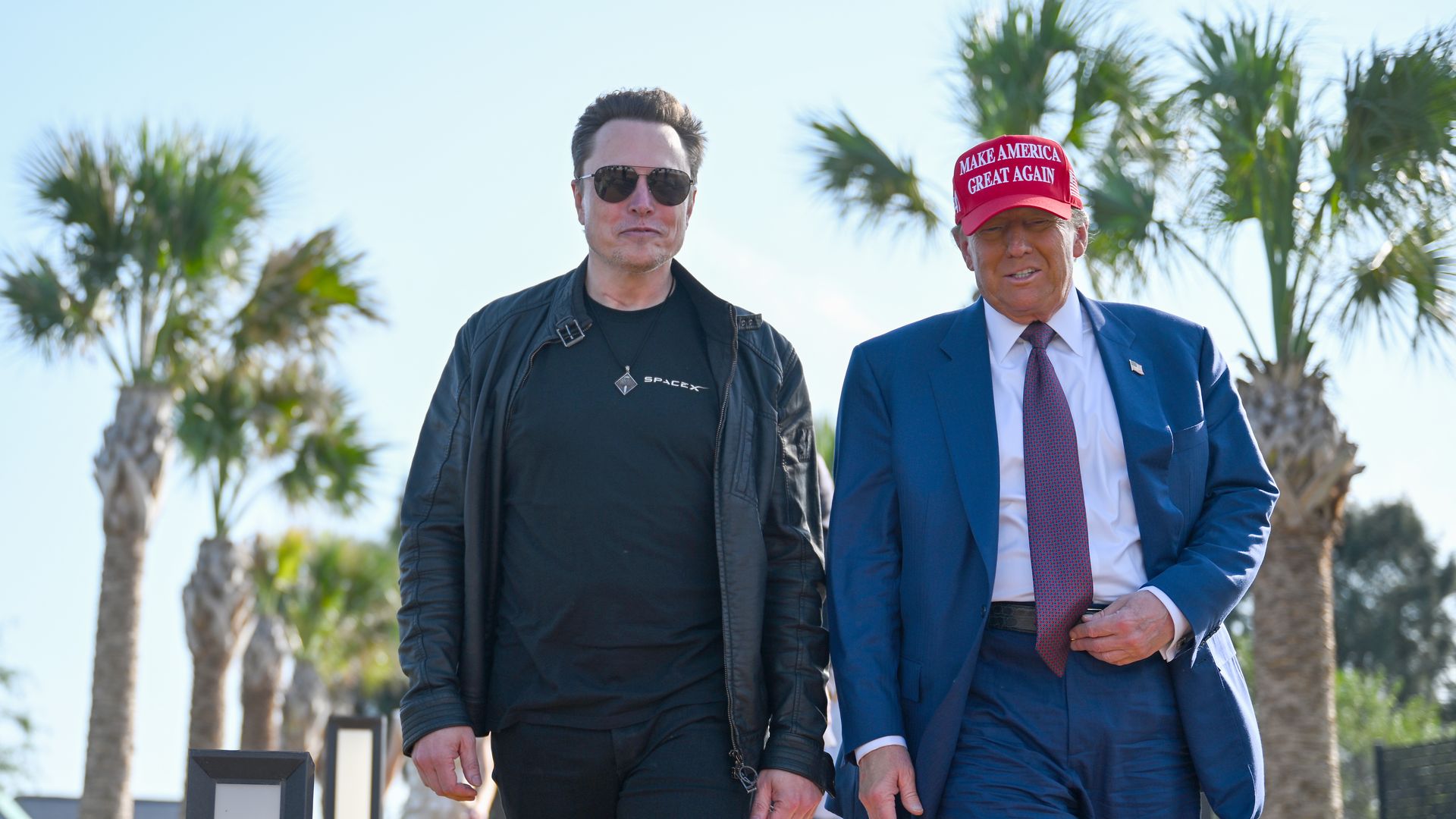
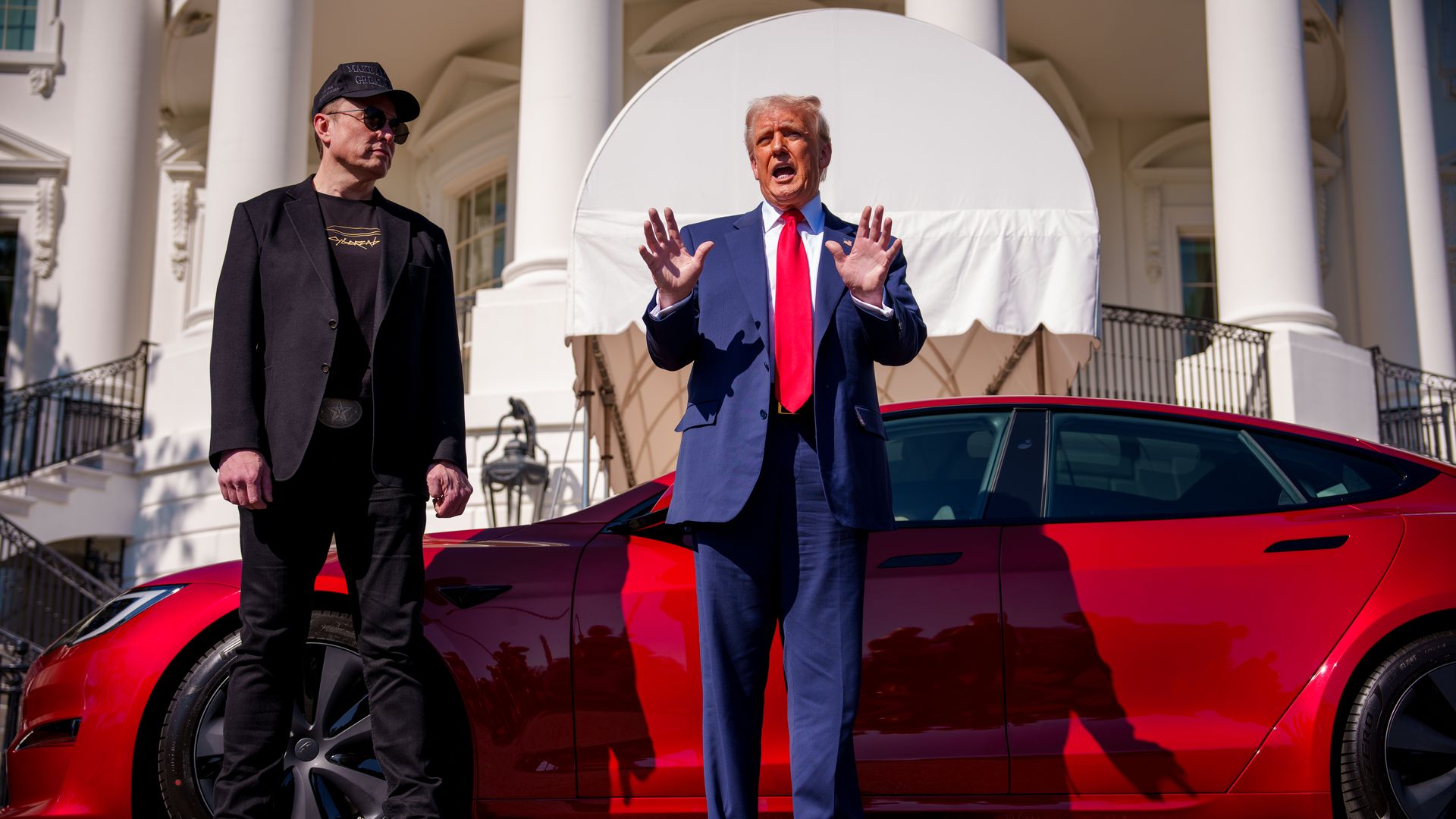
President Trump said Tuesday that DOGE could investigate Elon Musk, the latest indicator that his patience with the Tesla CEO is running thin.
The big picture: The two men have engaged in a war of words in the past 24 hours, with Musk taking to X to vent his objections to the president's "big, beautiful bill" and the estimated trillions of dollars it would add to the national debt.
Lululemon is suing Costco Wholesale, accusing the retailer of selling cheaper, unauthorized imitations of some of its popular clothing items.
Why it matters: The lawsuit could signal a pushback from original creators trying to reclaim control over their product designs, despite the "dupe" economy thriving on social media.
Crowdfunding platform Republic has begun selling reservations for "mirror tokens" for equity upside in select unicorn companies. It began last week with SpaceX, and on Tuesday is launching both Anthropic and Epic Games.
Why it matters: This is the latest step in the march toward private market democratization, as retail investors otherwise wouldn't have access to such names.
NATO nations last week agreed to spend at least 5% of GDP on defense by 2035, in a major diplomatic win for the Trump administration.
Why it matters: This is a strong tailwind for defense-tech startups, which in the past few years have moved from venture capital's Island of Misfit Toys to Love Island.
Shares in Tesla sank early Tuesday after President Trump threatened to go after Elon Musk's federal subsidies.
Why it matters: A few months ago Musk and Trump's close relationship was seen as the key to making Tesla massively more valuable. Now, their split is becoming more of an existential threat to the company.
If stocks are up, they tend to keep going up. But the companies that drove the market higher in the first half of 2025 are not typical of bull markets.
Why it matters: As investors confronted uncertainty, with a record number of companies mentioning the term on earnings calls, market leadership skewed more defensive than growth-oriented.
The S&P 500 hit its fifth all-time high of the year Monday, with consensus building around more to come as we enter the second half of the year.
But strategists warn this stock market rally is not risk-free.
Why it matters: Institutional investors are scarred from missing out on the April snapback, which could be priming them for a bias toward optimism that misses three big potential risks.
The "big, beautiful bill" slashes food and health benefits for the poorest Americans, while giving tax cuts to higher earners — blowing a hole in the nation's safety net, according to healthcare experts and advocates for lower-income people.
Why it matters: Experts say the cuts could unleash a tidal wave of pain — overcrowded emergency rooms, an increase in chronic health care issues, more medical debt, and more folks going hungry.