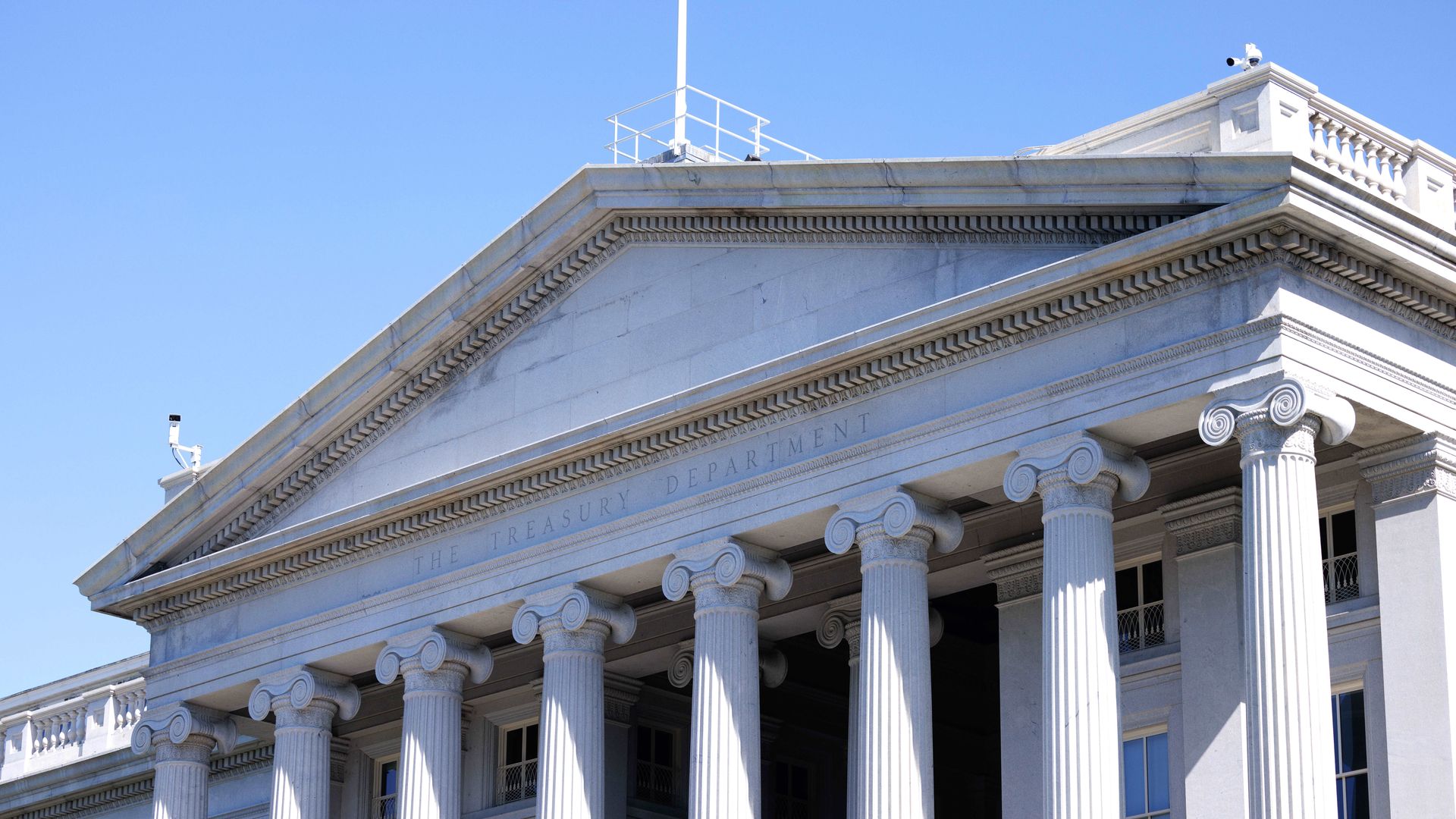
Moody's Ratings cut its credit rating on the United States by one notch on Friday, citing an increase in government debt and interest payment ratios.
Why it matters: The Moody's downgrade to Aa1 removes the U.S. government's last remaining triple-A credit rating, diminishing its status as the world's highest-quality sovereign borrower.
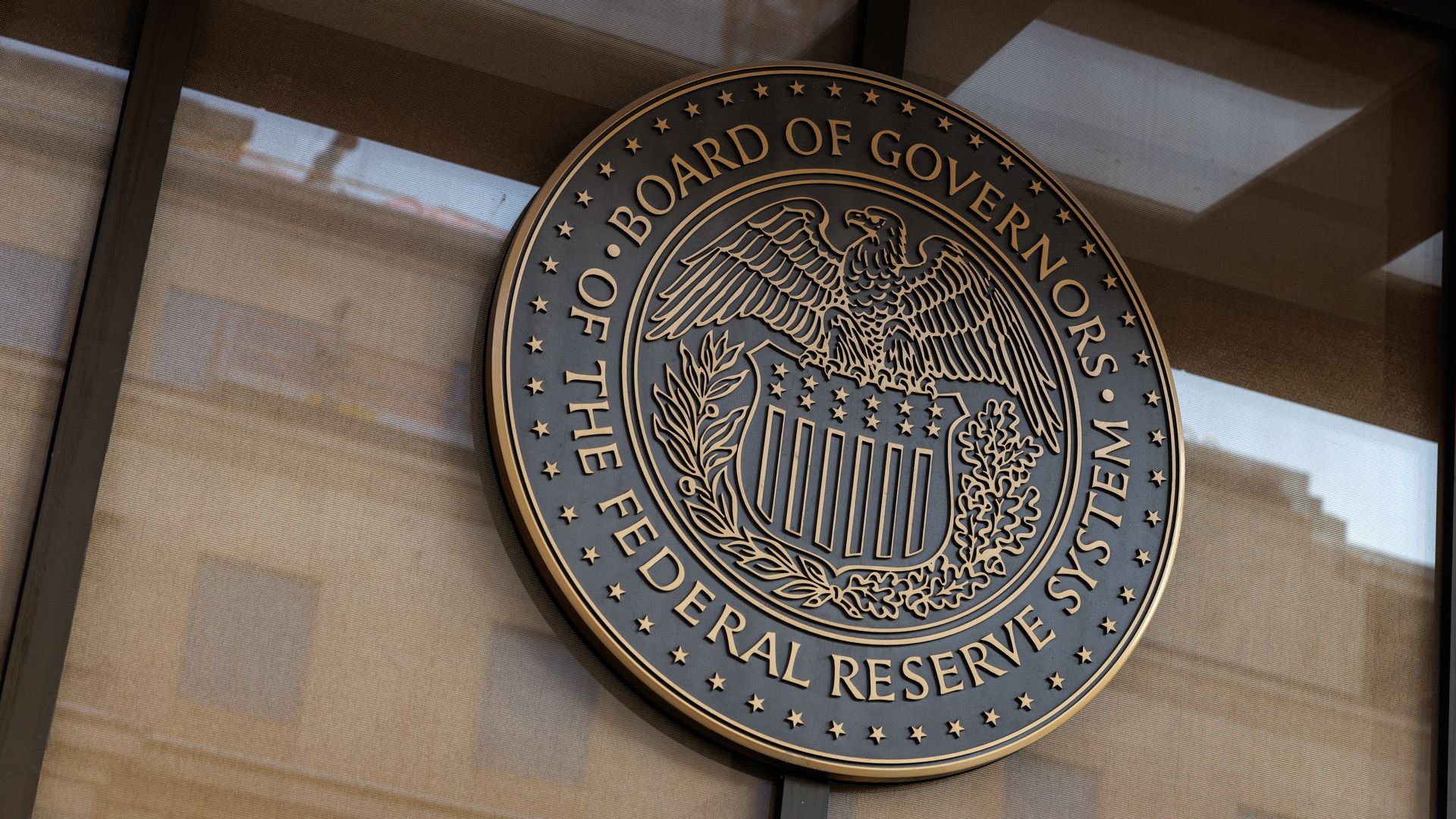
The Federal Reserve system plans to reduce its staff count by 10% over the coming years, primarily through attrition, its leader told employees in an internal memo Friday.
Why it matters: The Fed is structured to be independent from the executive branch, but the nation's central bank is taking cues from the anti-bureaucracy political winds in Washington.
In most policy areas, the Trump administration is seeking sharp 180-degree turns from Biden-era policy.
But there is one quiet way Treasury Secretary Scott Bessent is picking up where his predecessor left off: urging China to reset its economy.
Why it matters: Behind the Trump administration's volatile tariff policy is the same frustration that simmered among Biden-era economic officials — and a continued push to get the nation to change.
For too long, American officials believe, China has been exporting its way to growth, swamping the world with its goods in ways that have harmed domestic industries.
President Trump is increasingly unlikely to get his way on closing the carried interest loophole, based on draft tax bill language from House Republicans. Apparently even the death grip has a few fissures.
But while the change remains in theoretical play, it's worth gaming out its practical consequences.
President Trump said Friday the U.S. will unilaterally set tariff rates for many trading partners in the coming weeks, citing a lack of capacity to negotiate with so many countries simultaneously.
Why it matters: The U.S. already did that to some degree, on "Liberation Day" last month, then paused most of those rates after a global market panic sent stocks plunging and interest rates soaring.
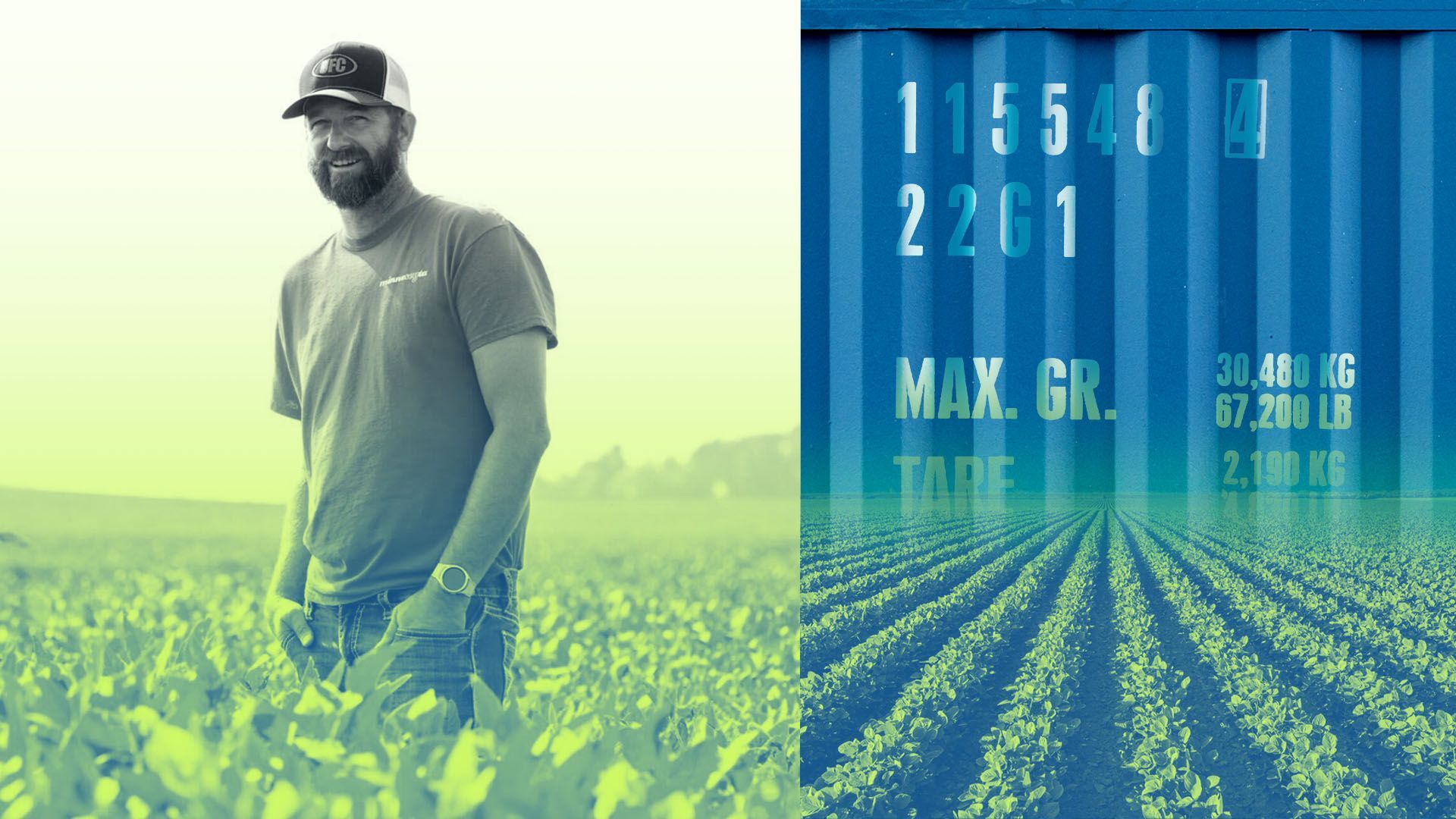
As Ryan Mackenthun plants his soybeans and corn this spring across 2,300 acres of Minnesota farmland that cradles his family's 1887 homestead, he is both fearful of President Trump's latest tariffs and still smarting from those enacted during his first term.
The big picture: The 48-year-old father of three said he and his brethren have yet to see any impact from Trump's "Liberation Day" proclamations. But that doesn't mean it isn't top of mind throughout an already stressed and strained industry.
There has never been a better time for businesses that manufacture goods in America.
But there has never been a worse time to sell such products overseas.
Why it matters: "Made in USA" brands have been touted as the nation's trade war winners. Yet even those that don't rely on tariffed materials from abroad are taking a hit.
Charter Communications has agreed to buy Cox Communications from privately held Cox Enterprises for approximately $34.5 billion, with Cox Enterprises to become Charter's largest shareholder, the companies announced on Friday.
Why it matters: The combined company would become America's largest cable TV and broadband provider by subscribers, leapfrogging Comcast.
President Trump announced multibillion-dollar AI deals between U.S. companies and Gulf countries this week even as many in Washington continue to fear that China could gain backdoor access to advanced AI chips and worry that critical AI infrastructure could end up based outside the U.S.
The big picture: The president loves big deals with big numbers. Tech interests close to Trump want to see U.S. AI firms win global business. But China hawks in both parties distrust the Gulf states, which have close trade ties with China.
Steve Bannon and other top MAGA voices tell Axios that President Trump's second 100 days — ending Aug. 7 — will be pivotal in determining how much of his second-term agenda he'll actually deliver.
Why it matters: Trump has harnessed executive power in unprecedented ways — to curtail immigration, gut federal agencies and punish his enemies. But almost nothing he's done so far has been codified in law, ratified in treaties, or otherwise set in stone.



/2025/05/16/1747408693219.gif?w=3840)