The Trump administration on Monday pushed back on what it's calling "misinformation" about its "fork in the road" offer to federal workers, who were given the option to resign and get paid for eight months.
Why it matters: The deadline is Thursday for 2.3 million workers to decide on the offer, which has been widely criticized.
A U.S. federal judge on Monday extended a temporary block on the Trump administration's spending freeze.
Why it matters: District Judge Loren AliKhan expressed concern in her order that the Trump administration was still enforcing the spending freeze despite the temporary restraining order.
The escalating bird flu crisisis continuing to take a toll on the nation's egg supply, but that's not translating into issues for the U.S.' largest poultry producer.
Tyson Foods projected its chicken production will increase 2% in the 2025 fiscal year.
Zoom in: The company said its chicken business turned in its best performance in eight quarters in the latest three-month period on an adjusted-operating-income basis (with assists from strong protein demand and lower grain costs).
Shares closed up 2.2% to $57.74.
🐥 The bottom line: Tyson says it has a strong biosecurity plan in place to protect its operations from the bird flu.
Robinhood users can now place de facto bets on the Super Bowl via sports event contracts.
State of play: The retail trading app said today that it will allow users to purchase these contracts in all 50 states via Kalshi, a derivatives exchange that's regulated by the Commodity Futures Trading Commission.
Kalshi started offering sports events two weeks ago, Axios' Brady Dale and Sami Sparber reported last week.
Friction point: The commodities regulator is currently reviewing the contracts concerning whether they comply with derivatives regulations, Bloomberg reported today.
The CFTC is questioning both Kalshi and Crypto.com, which had launched its own sports-related event contracts on Dec. 23, per the report.
🏈 Nathan's thought bubble: Robinhood users are limited to contracts on the winner of the pro football championship, so it doesn't currently pose a significant threat to the major sportsbooks — but that could change if and when more options become available.
The U.S. struck deals with Canada and Mexico on Monday to delay potentially devastating tariffs for a month.
Why it matters: The tariffs, had they gone into effect, could have had massive impacts on the economies of all three nations, potentially triggering inflation, recessions and a spiraling trade war.
Data: Trade Partnership Worldwide; Note: Based on January-November 2024 trade data. Map: Alex Fitzpatrick/Axios
Businesses in some states — many near the country's northern and southern borders — may feel President Trump's tariffs on goods from Canada, Mexico and China most acutely, per a new estimate shared with Axios.
Why it matters: Trump and others view tariffs as political cudgels for extracting concessions from targeted countries. But they're also likely to make stuff more expensive as companies pass higher costs along to everyday Americans.
President Trump signed an executive order Monday calling for the creation of a sovereign wealth fund, essentially a federally owned investment vehicle that takes stakes in different kinds of financial assets.
Why it matters: It's unclear where the money would come from to start a fund, and it would require Congressional approval — a tough prospect, given the fund would potentially be a way to cut lawmakers out of a key funding stream.
Canadian hockey and basketball fans are booing the U.S. national anthem at games. Liquor stores in Ontario are taking American booze off their shelves. Do you know what it takes to make Canadians this mad at you?
Why it matters: It takes a trade war, apparently. And regardless of whether Trump's promised tariffs go into effect, Canadians' newfound open hostility to the United States is an example of the longer-term economic risks at play.
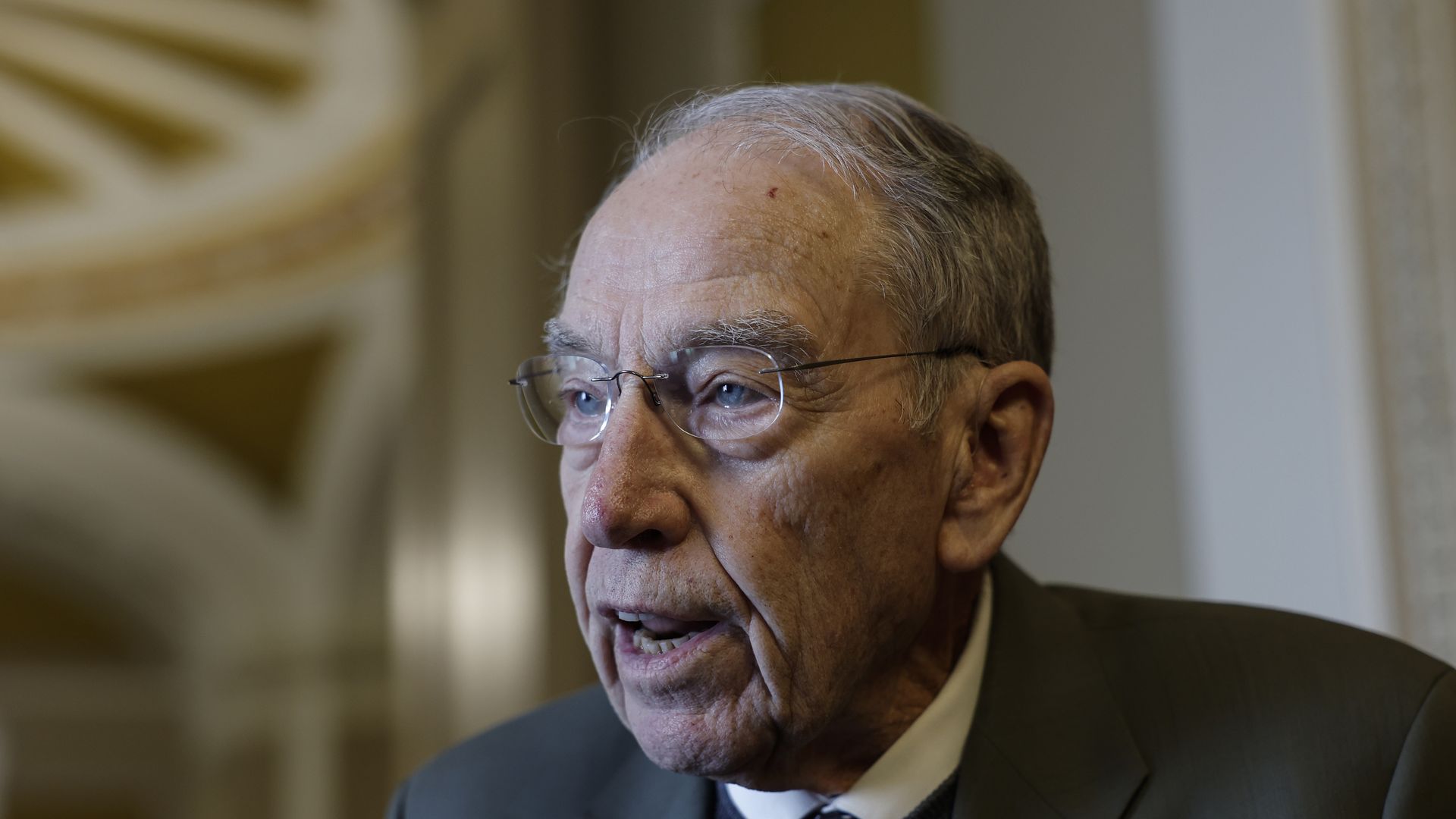
Sen. Chuck Grassley (R-Iowa) on Monday asked President Trump for an exemption for farmers on the sweeping tariffs he imposed over the weekend.
Why it matters: Republican lawmakers from agricultural states may find themselves in a tough spot as they try to avoid going against their party leader, while still protecting their constituents.
Tariff anxiety has hit the cryptocurrency markets hard, shaving about $10 billion off President Trump's paper wealth over the last week.
Why it matters: The launch of the Official Trump meme coin printed many billions of dollars of unrealized wealth for the president's company earlier this month, but it hasn't lasted.
Private equity firms Warburg Pincus and Berkshire Partners agreed to pay $3 billion to acquire Triumph Group), a Pennsylvania maker of aftermarket parts for aerospace and defense systems.
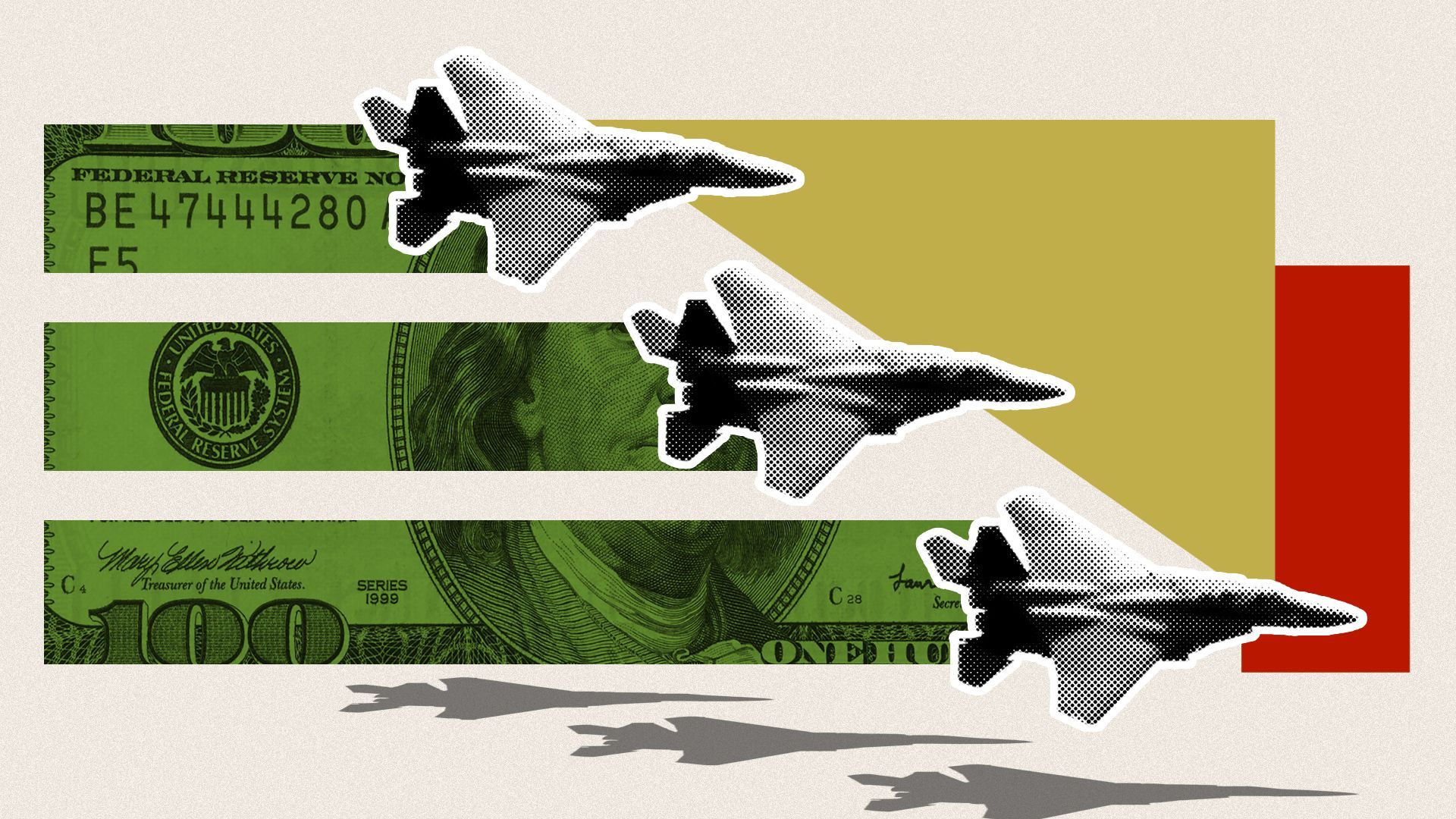
Why it matters: This suggests that private equity isn't worried about DOGE turning its attention to Pentagon spending, including the F-35 project of which Triumph has a piece, plus continued optimism around commercial aerospace spending.
Oil and gas futures opened higheras theoretical tensions in President Trump's energy policy just got very real, very fast.
Why it matters: New tariffs on Canada and Mexico could raise gasoline and home heating costs in places — even though 10% Canadian energy tariffs are lower than the 25% applied to other goods.
Economists almost universally agree that the tariffs imposed by President Trump will cost the average American household hundreds, if not thousands, of dollars every year in higher goods costs.
Why it matters: It's not yet clear those households can, or will, pay it.
The decision by President Trump to impose sweeping tariffs on Mexico and Canada is a stark repudiation of his own approach between 2017 and 2020.
Why it matters: No one yet knows whether these tariffs are an attempt by a transactional president to extract concessions from U.S. trading partners, or whether they're intended to become a permanent feature of the post-Trump landscape, designed to create a self-sufficient country much less reliant on international supply chains.
"I don't think there are a lot of Americans who wake up in the morning saying, 'Oh, damn Canada. Oh, we should really go after Canada,'" Prime Minister Justin Trudeau remarked Saturday, encapsulating the shell shock many north of the border are now feeling.
Why it matters: The U.S. is indeed going after Canada. The 25% tariffs President Trump announced on Canada and Mexico — which will likely plunge our northern neighbor into recession — have united Canadians of all political stripes in indignation.