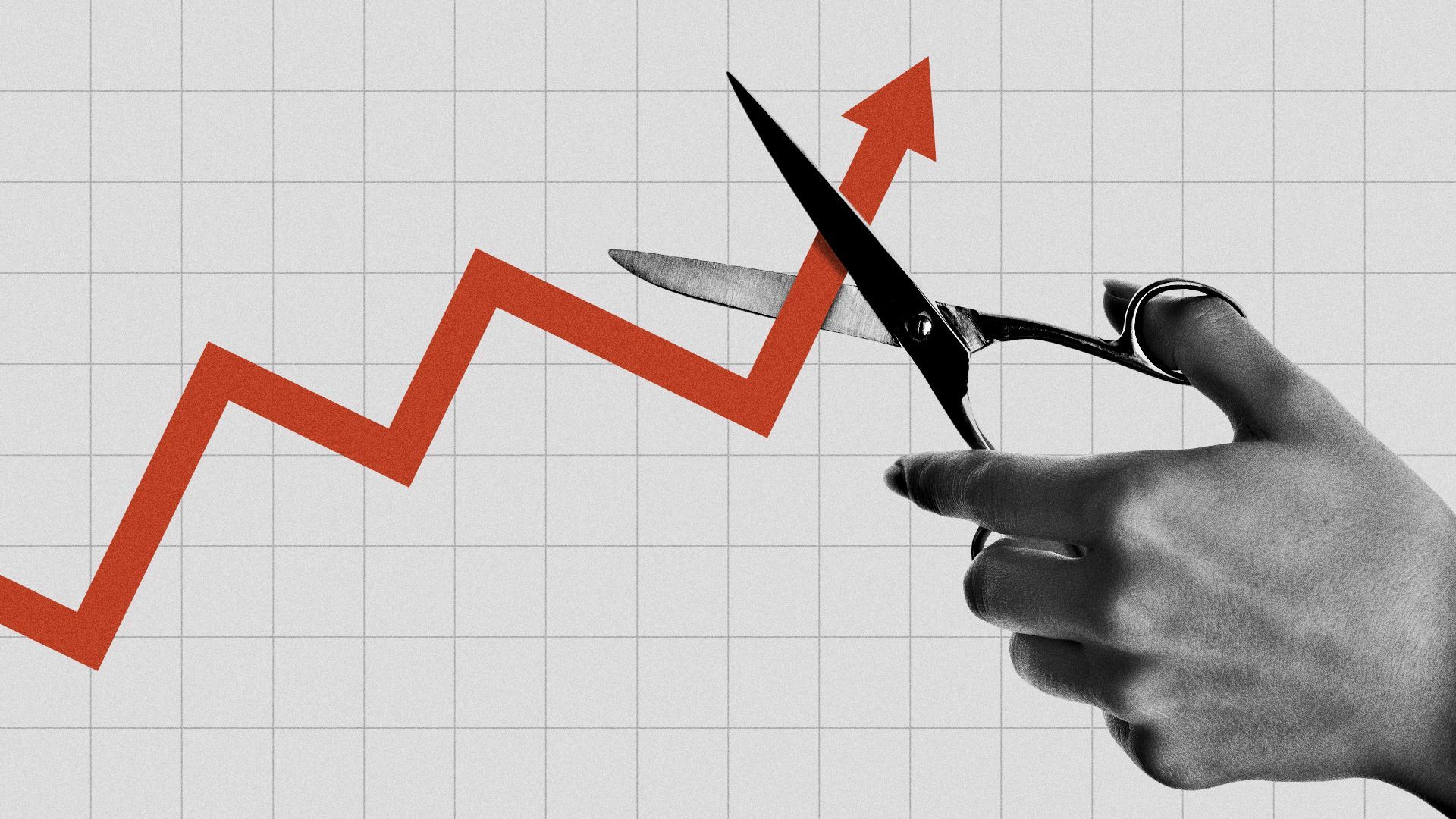
Lowe's just slashed its sales forecast for the year — a move that provides a glimpse into what's happening in a big chunk of the U.S. economy.
Why it matters: The pandemic spurred a boom in home spending as rock-bottom interest rates encouraged people to borrow to pay for DIY projects — but that era is over.
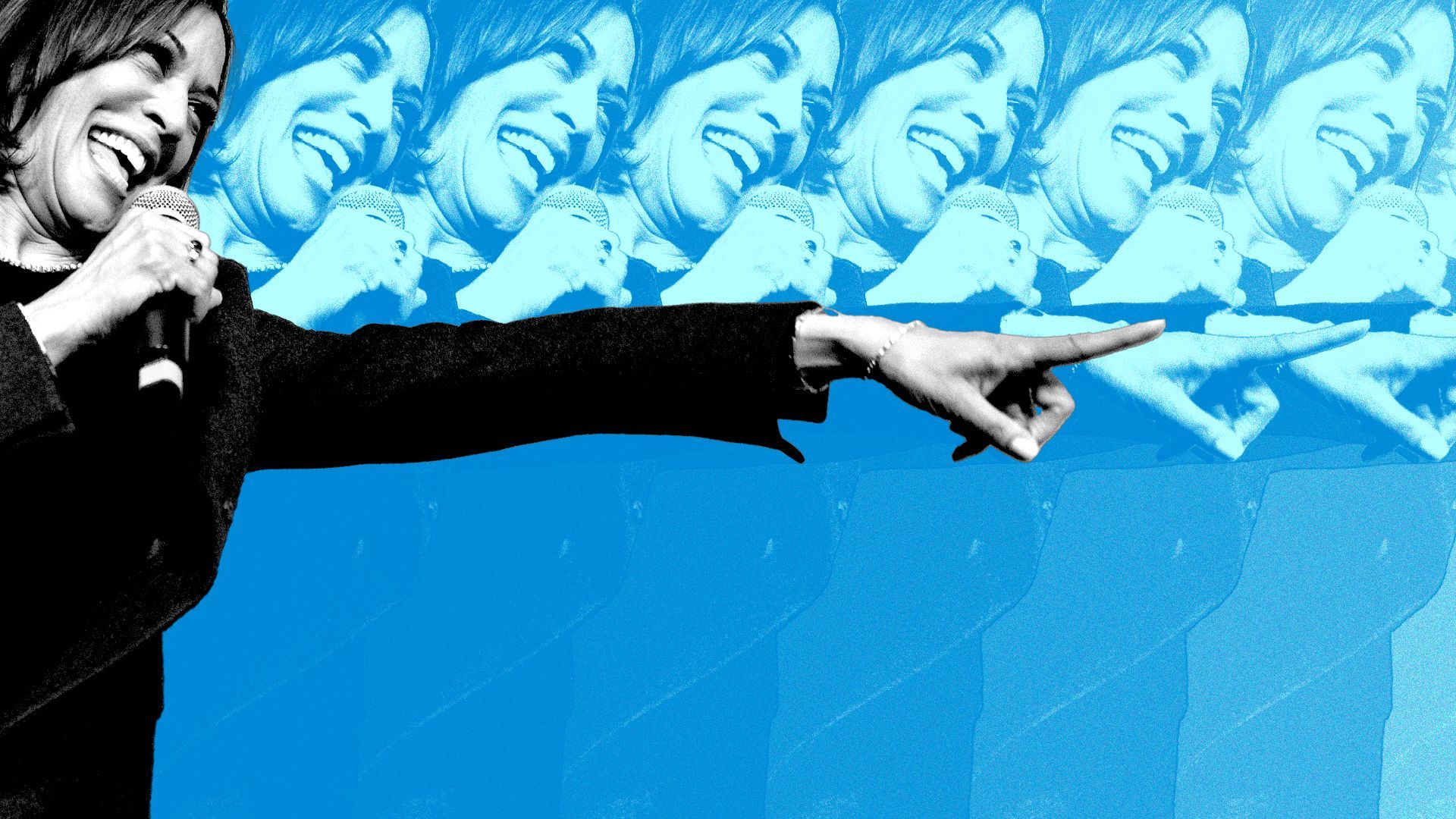
The histories of members of Vice President Kamala Harris' campaign team bode ill for blockchains.
Why it matters: Crypto industry leaders have hoped that next year will see a Congress and a president ready to work out a deal with token slingers, one in which politicians and entrepreneurs can live with each other.
The histories of members of Vice President Kamala Harris' campaign team bode ill for blockchains.
Why it matters: Industry leaders have hoped that next year will see a Congress and a president ready to work out a deal with token slingers, one in which politicians and entrepreneurs can live with each other.
The big picture: The 92-page platform from the Democratic Party is just as silent on Bitcoin and other cryptocurrencies as is the candidate leading its ticket.
But three particular staffers on Harris' election team have an explicit history of stymieing the industry in official roles: Brian Deese, Bharat Ramamurti and Brian Nelson.
Among regulators, the hot topic in blockchains at the moment is prediction markets (or "event contracts" in government-speak).
Why it matters: It looks like a billion dollars will probably get bet on a variety of ways of looking at the U.S. election on the leading prediction market this year.
Polymarket's terms of service prohibit Americans from using the site, but there's not much money being bet on any other country's elections.
Driving the news: The CFTC just completed public comment on a draft rule that it proposed, which would ban betting on elections (among other things).
It's something of a hot-button issue (for electeds and investors).
Here's something strange: The Financial Innovation and Technology for the 21st Century Act (FIT21), which passed the House of Representatives on Bitcoin Pizza Day, has not been sent to the other chamber yet.
Zoom in: Axios reviewed several recently passed pieces of legislation. All but one went over reasonably quickly, often the same day.
On Congress.gov, those bills are marked "Received in the Senate" under actions. FIT21's isn't.
What they're saying: Axios has asked a number of people who care about the bill, and no one else had noticed this stagnation.
But they all thought it odd.
Friction point: Revenue has to originate in the House, and the bill has a little funding mechanism (Section 510).
To make sense of a confusing last few years in the economy, it is extremely helpful to look at a business school staple often taught with an in-class simulation involving beer.
The big picture: The "bullwhip effect," in which small fluctuations in demand ripple through supply chains to create huge shifts in output and inventories, is a core idea in operations management. It also describes many of the shifts unleashed by the pandemic that are still rippling through the economy.
One of Kamala Harris' most controversial policy proposals is a ban on grocery price gouging — critics are conflating the idea with Soviet-style price controls, and calling the plan "Kamunism."
Why it matters: If banning price gouging is communist, then the U.S. went Marxist long ago. Most of us live in states that already have bans in place.
Startups are shutting down at a rapid rate, as raising money from venture capitalists becomes more difficult.
Why it matters: Venture capitalists — under pressure from their own investors, due to a lack of IPOs and mergers — are becoming more selective about which companies they invest and reinvest in. Well, unless it claims to do generative AI.
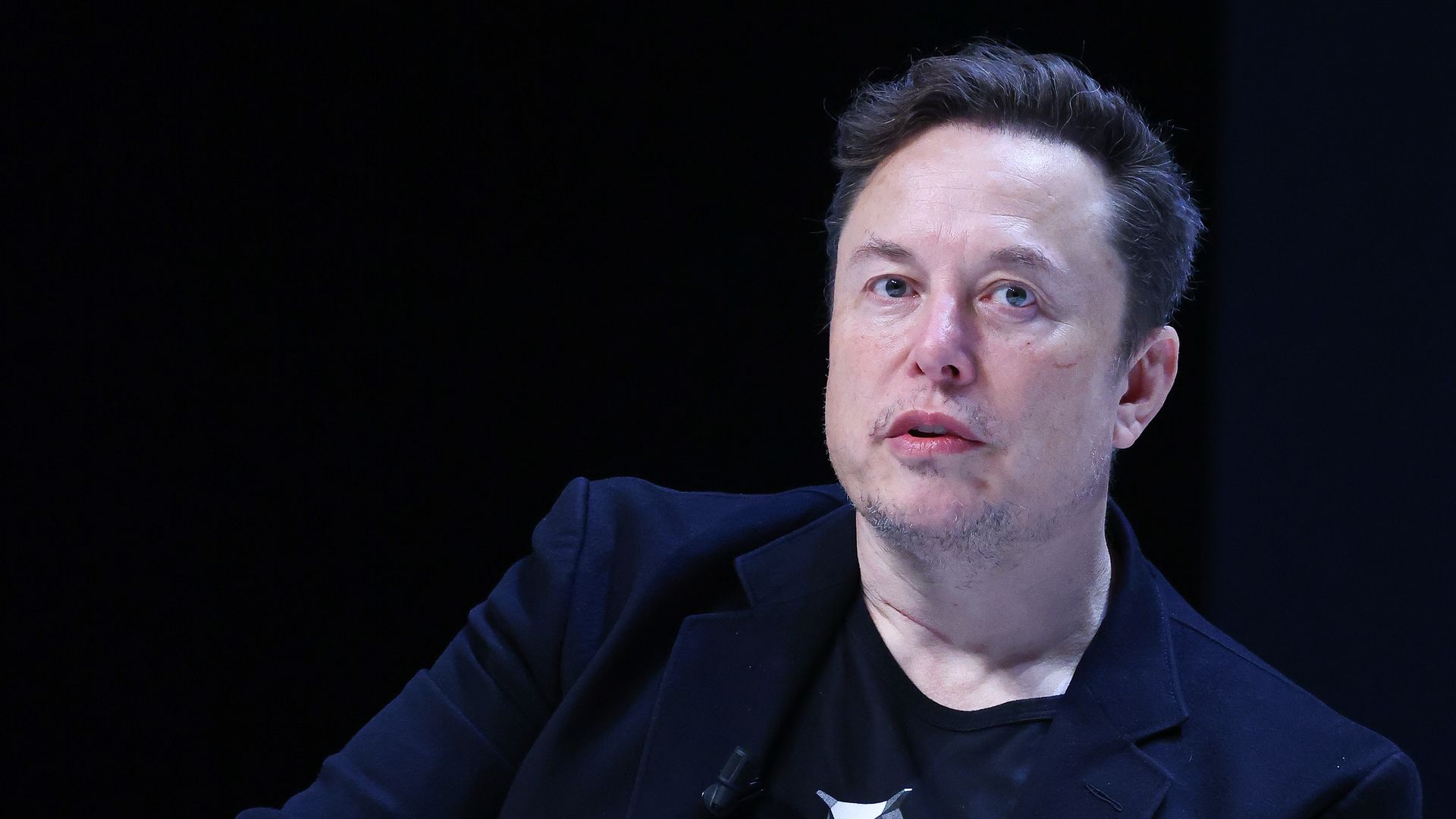
Former President Trump may tap Tesla CEO Elon Musk for a role in his administration if he's re-elected in November, he told Reuters in an interview Monday.
The big picture: The pair have forged an alliance andthe former president has for months reportedly been weighing a possible role for Musk — one of the richest people on the planet who controls one of the world's biggest social media platforms and has endorsed him in the presidential race.
And just like that (how else did you expect me to start this story?), Sarah Jessica Parker is shutting down her shoe collection.
"After 10 colorful years, SJP by Sarah Jessica Parker has made the difficult decision to close its doors this fall," the brand told Footwear News late last week.
Flashback: Parker partnered with the late George Malkemus, who helmed the Manolo Blahnik shoe brand — made famous by her "Sex and the City" character Carrie Bradshaw — in the U.S.
One fun fact: The actress often worked in her West Village store.
The big picture: SJP's styles have focused on heels, which have fallen out of favor as comfort and versatility have taken priority.
A central economic fact of the Biden years has been that Americans' attitudes about the economy have been highly negative despite economic data that has been good, and sometimes great.
The big picture: Economists — in the White House and elsewhere — are increasingly taking public opinion seriously, relying on a skill not often taught in the halls of academia where they earned their PhDs: empathy.
That means understanding the sense of misery facing sticker-shocked consumers as an important input, even if the data show the rate of inflation has declined precipitously from 2022 highs.
Incoming Starbucks CEO Brian Niccol's new pay package prompted raised eyebrows and eye emojis last week.
The intrigue: Luring the rising star away from Chipotle wasn't going to be cheap. And it's his success at the burrito chain — reflected in its share appreciation — that's helping to fatten his number at Starbucks.
Kamala Harris,presidential candidate, has proved herself unafraid of chasing votes with populist policy promises — no taxes on tips!money to buy houses! — that abandon orthodox economics.
Why it matters: Such policies tend to elicit eye-rolls from economists, who see them as counterproductive and say they would push up prices and worsen the inflation problem they're attempting to address.



/2024/08/19/1724101022565.gif?w=3840)