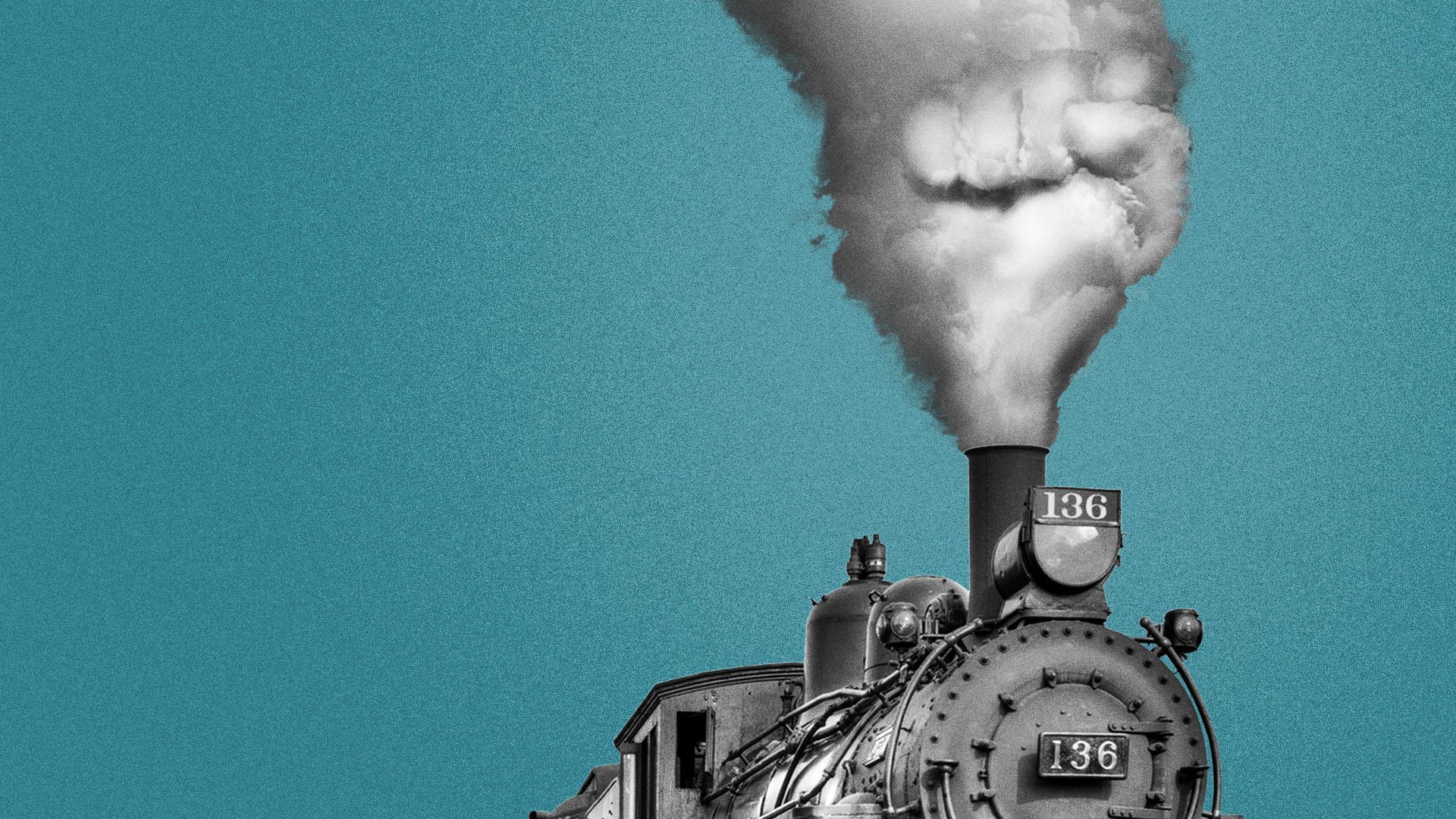
A union representing nearly 12,000 railroad workers on Monday voted down the tentative contract agreement between freight railroad companies and all 12 of their unions brokered by the White House last month.
Why it matters: The rejection, by the Brotherhood of Maintenance of Way Employes Division of the Teamsters (BMWED), raises the prospect once again of a nationwide rail strike. That would be devastating for the economy and possibly arrive during peak holiday season — a political headache for the Biden administration.
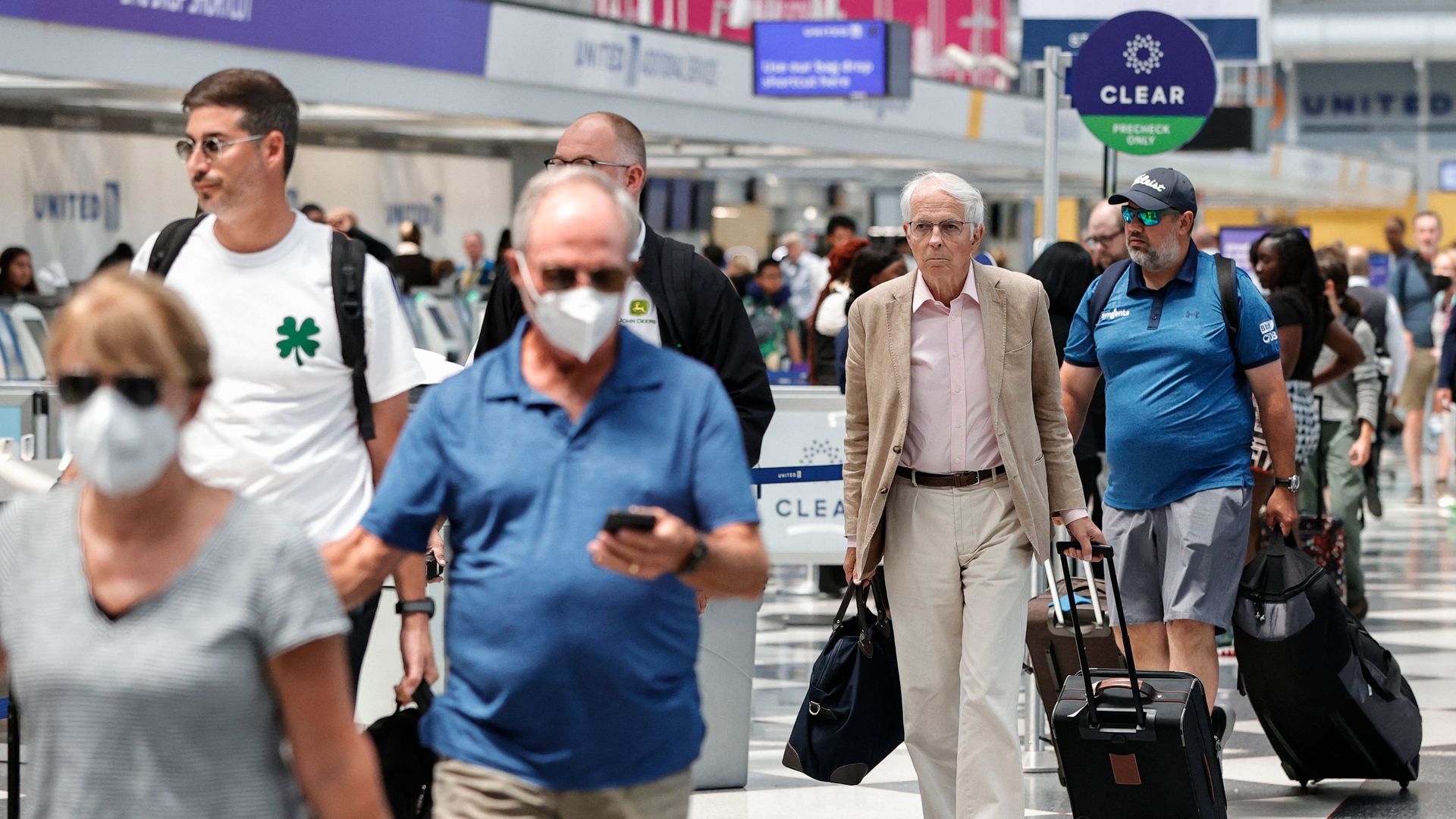
Russian-speaking hackers on Monday disrupted the websites of multiple U.S. airports through denial-of-service (DDoS) attacks, CNN reports.
Why it matters: No actual flight disruptions from the attacks were reported, but the downed websites were likely an inconvenience for people seeking flight information or booking services.
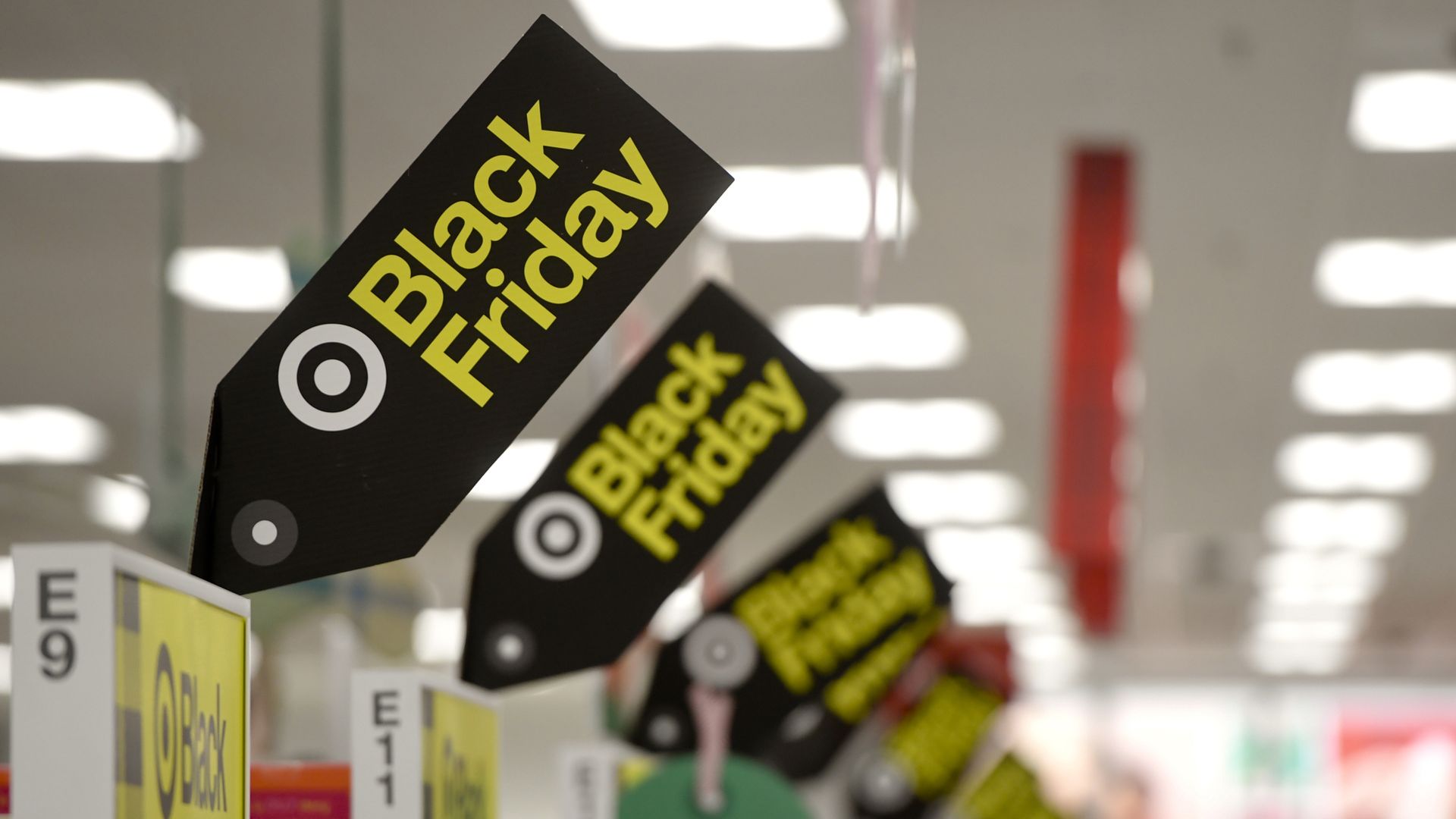
The traditional holiday shopping season is dead, with retailers no longer waiting to clear out the Halloween leftovers before rolling out Black Friday-like deals.
Why it matters: The season had been creeping earlier and earlier, and COVID pushed it over the edge by moving more deals online.
When an economy collapses, that country's banks tend to fail. But the opposite is also true: Bank failures can cause economic collapse.
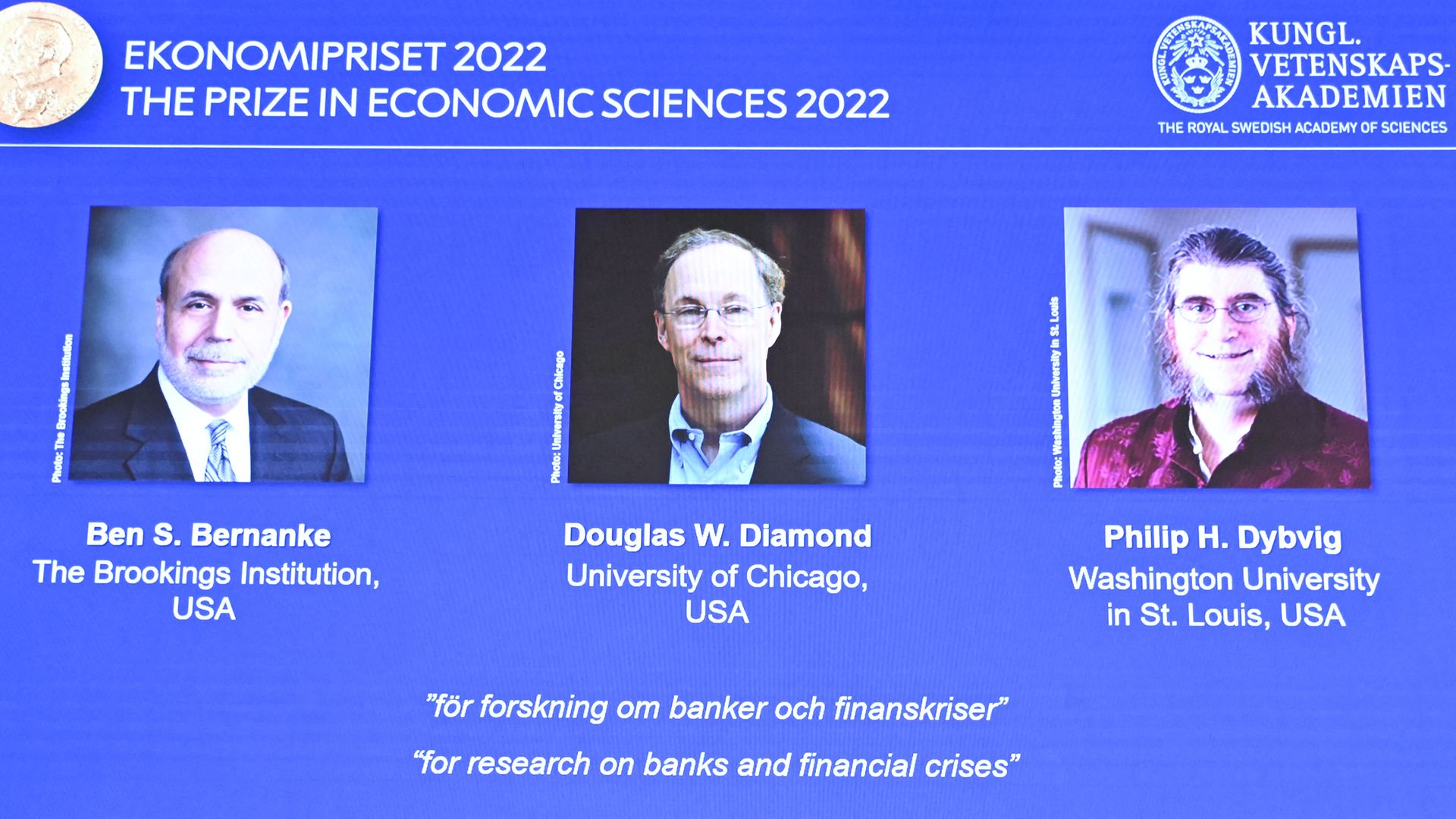
Driving the news: That central insight was awarded this year's economics Nobel prize. The winners are Ben Bernanke, Douglas Diamond, and Philip Dybvig.
Why it matters: Target announced Monday that it is extending the season with seven weeks of Black Friday deals, three weeks more than last year, and discounts up to 50% and more on toys, games, electronics and kitchen appliances.
Best Buy unveiled its holiday shopping plans Monday and will keep stores closed Thanksgiving for the third year in a row.
Why it matters: The nation's largest retailers, including Best Buy, Walmart and Target, started keeping stores closed on Thanksgiving in 2020 amid the pandemic, a break from a decade of holding Black Friday sales on the holiday.
PayPal on Saturday denied that it intends to fine users who use its service to "promote misinformation," saying an earlier policy update notice describing such a change was sent "in error."
Driving the news: A new PayPal Acceptable Use Policy (AUP) expanded the company's list of prohibited activities to include “the sending, posting, or publication of any messages, content, or materials” that "promote misinformation" or "present a risk to user safety or wellbeing,” Mediaite reported.
There were few “Black Adam”-themed costumes on display at this weekend’s New York Comic Con, an always colorful parade of nerd heaven.
Why it matters: The aftermath of the Warner Bros. Discovery merger — and a series of blunders involving DC Comics intellectual property — alienated hardcore comic fans, a pivotal constituency the studio needs to generate enthusiasm for its remaining movie and TV endeavors.