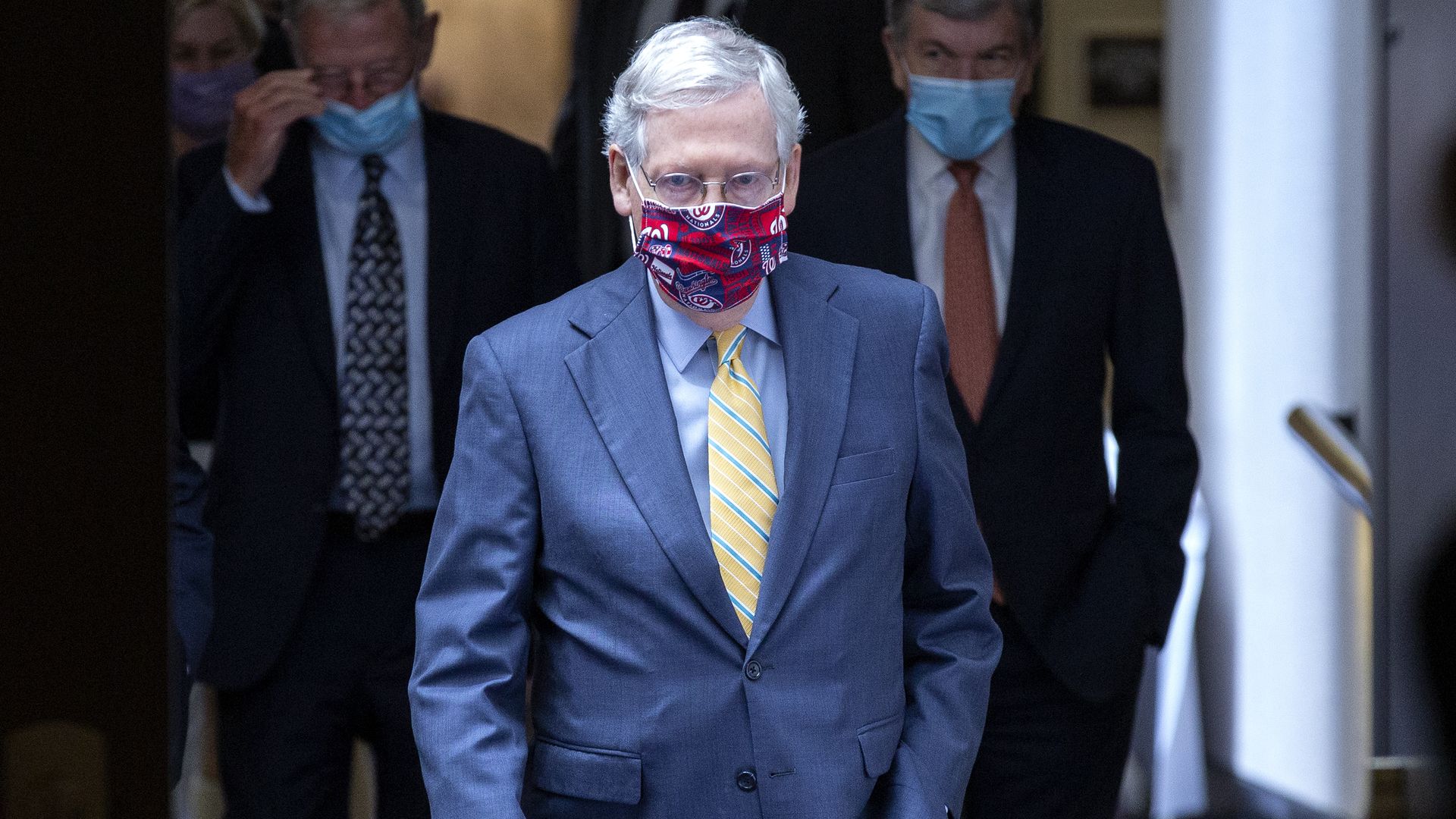
The House and Senate both unanimously voted to extend the application period for Paycheck Protection Program loans through Aug. 8, just hours before it was set to expire.
Why it matters: There's still over $130 billion in PPP funds available, which could help small businesses pay overhead and keep employees on payroll. It also could help independent contractors like Uber drivers.
California Gov. Gavin Newsom ordered bars in 19 California counties to close on Wednesday, and he mandated that indoor service for restaurants, movie theaters, museums and zoos cease immediately.
What's happening: Daily coronavirus infections in California have been steadily growing since March, with the state marking its highest single-day increase last Tuesday, per the state health department.
"How are you going to pay for it?" is one of the most popular questions in politics, whether it's about Medicare For All or a border wall. But Stephanie Kelton, an economist with rising influence in the Democratic Party, believes everyone should stop asking.
Axios Re:Cap speaks with Kelton, who advised the Bernie Sanders campaign and who's now on a Biden campaign economic task-force.
President Trump told Fox Business on Wednesday that he supports another round of direct stimulus payments as part of a potential phase four coronavirus relief package.
Why it matters: 19.5 million Americans remain on unemployment after initially applying, according to data from the Labor Department released last week.
Small businesses will need the legislatures' support "in providing low-barrier opportunities for funding and financing" of new ventures, Camille Carter, president of the Madison (Wis.) Black Chamber of Commerce, told Axios' Kim Hart during a virtual event on Wednesday.
What Carter is saying: "We are really needing to work in alignment with our legislatures and our financial institutions to find additional pathways and ways in which we can fund businesses to rejump the commerce."
WeWork sold certain assets of its WeGrow school to Rebekah Neumann, who founded WeGrow while serving as WeWork's chief brand officer.
Why it matters: It's surprising that an amenable arrangement was reached between WeWork and the Neumanns, given the lingering animosity on both sides. Plus the fact that Rebekah's husband, former WeWork CEO Adam Neumann, recently sued WeWork's controlling investor.
Patients who received an experimental coronavirus vaccine being developed by Pfizer and BioNTech generated immune responses to the virus, and there were no life-threatening side effects, according to early trial results posted Wednesday and reported by STAT.
The big picture: This particular vaccine is still a long ways away from proving it works and getting federal approval, but it's an encouraging first step that the vaccine appears to trigger an immune system response and is mostly safe.
The private sector added 2.4 million jobs in June, according to ADP's national employment report released on Wednesday. The report also included a massive revision to its May data, saying there were 3.1 million jobs added that month rather than 2.8 million lost (as initially estimated).
Why it matters: The labor market slowly continued to heal in early June, after historic job losses during the coronavirus pandemic. The ADP report is closely watched for what's to come in the official jobs release from the government (out tomorrow), though it's far from a perfect proxy.
Tuesday's news that Netflix would invest $100 million of its cash holdings in "financial institutions and organizations that directly support Black communities" sparked discussion about Black-owned financial institutions in the United States.
Why it matters: The company's $100 million investment helps illustrate why individual actions won't close the racial wealth gap.
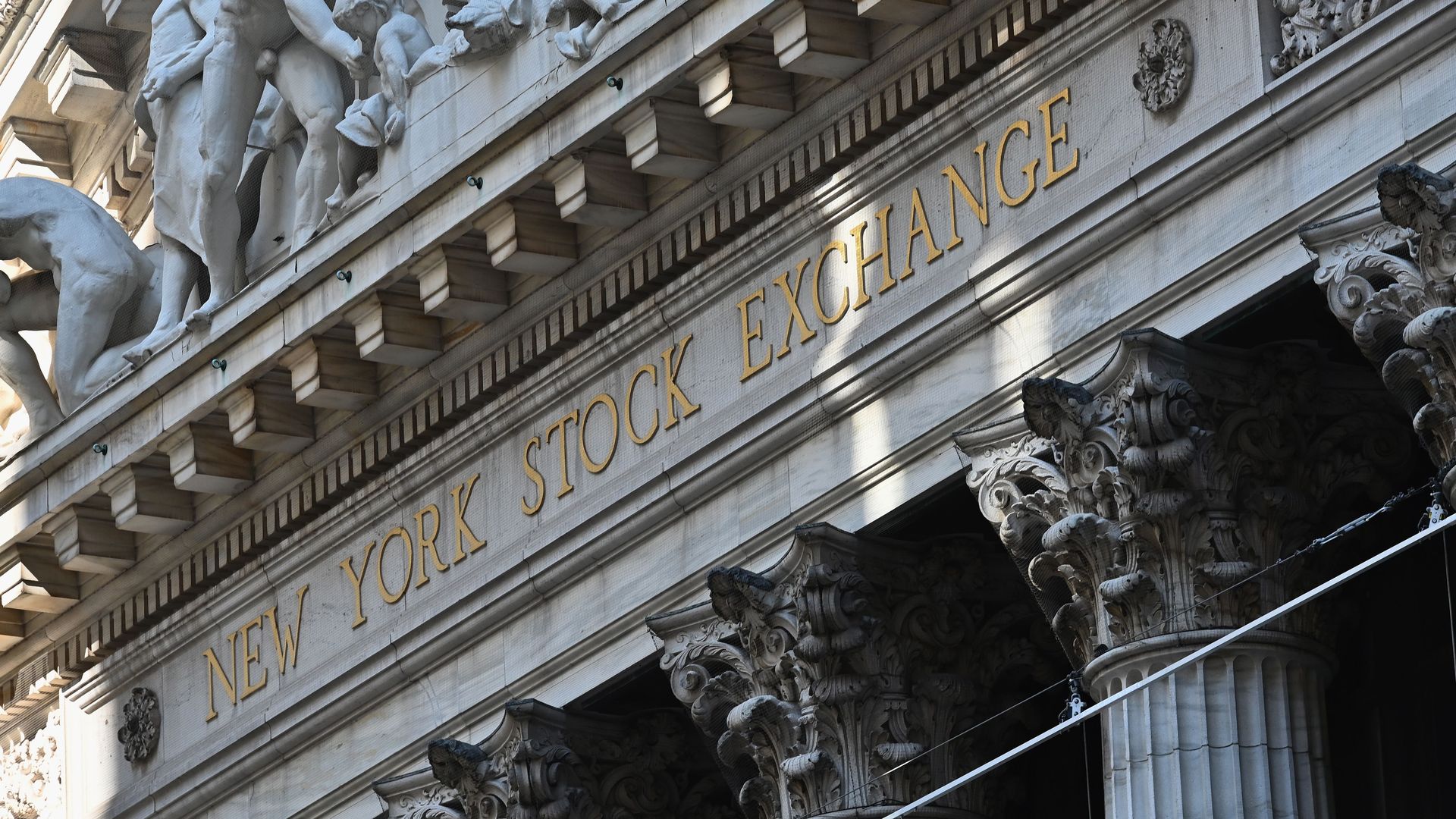
U.S. stock indexes closed out a record-breaking second quarter on Tuesday, with all three of the major indexes ending higher on the day and each finishing the quarter with their best performance in at least 20 years.
By the numbers: The benchmark S&P 500 ended Tuesday up 1.5% for its third positive close in four days.
On Friday, Disney+ debuts the six-camera live capture of "Hamilton" — with tickets quite a bit easier to come by than for the Broadway hit.
The state of play: "The Revolution, Now Televised," The Wall Street Journal headlines its review. The PG-13 film (2 hours, 40 minutes) was shot in summer 2016 over two performances with the original cast, and comes complete with an intermission. (AP)
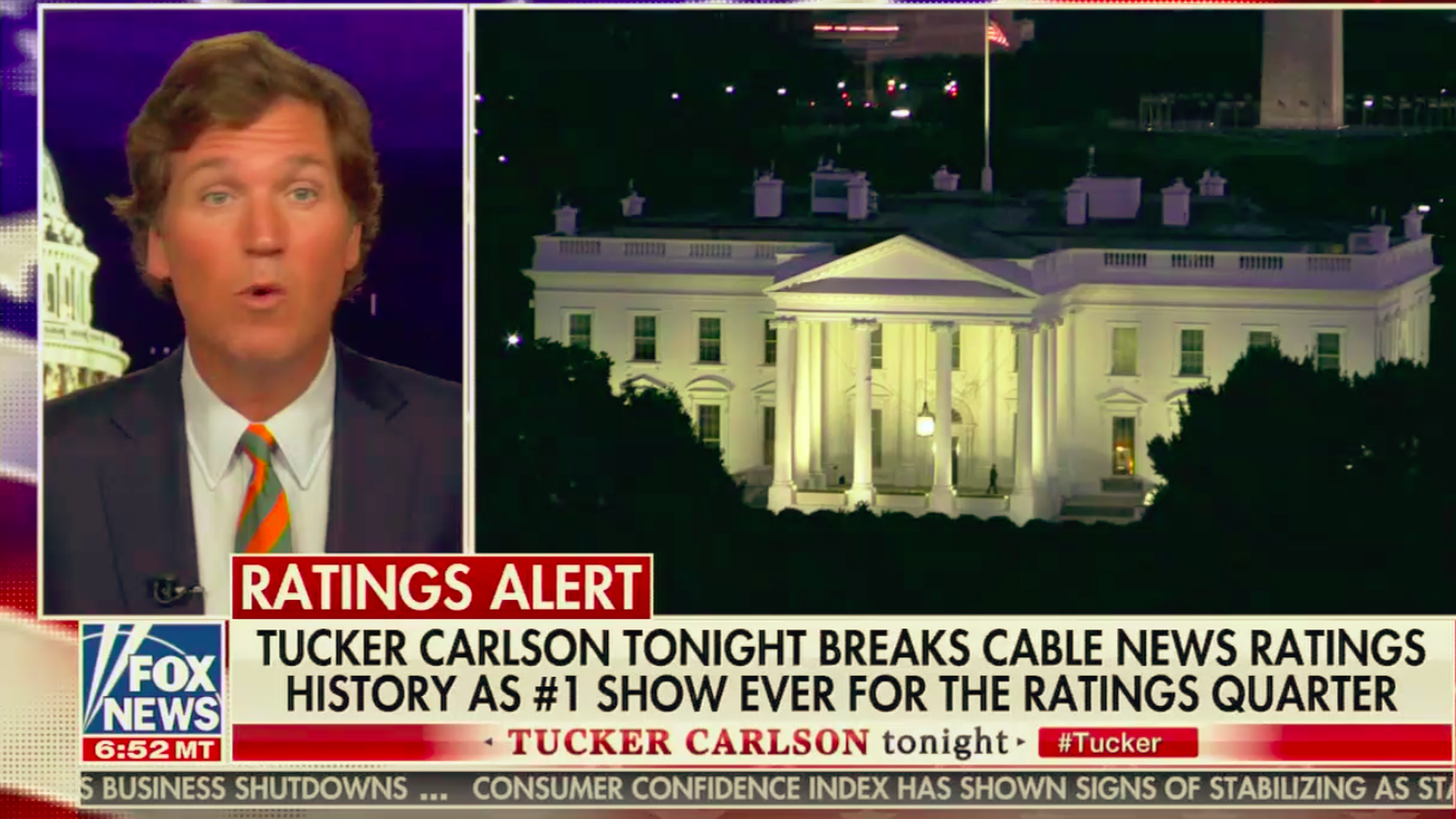
Fox News Channel was the most-watched network in prime time, counting both broadcast and cable, for three out of four weeks in June, AP's David Bauder writes.
Why it matters: Before this month, that had never happened. Ever. June is traditionally a slow month for broadcast television, with the schedule crammed with reruns and game shows. And it has been a busy news stretch.
YouTube TV and ESPN+ both raised their prices Tuesday, even though both packages rely on live sports rights to entertain consumers, and the pandemic has shut down live sports.
Why it matters: Streaming services and so-called skinny bundles promised to provide a cheaper alternative to the old cable television package. These price hikes suggest that price advantage won't hold.
As lawmakers turn their attention to another coronavirus stimulus package, Republicans and Democrats each say they’ve learned many lessons from the $2 trillion CARES Act. The problem is, they can’t agree on what those lessons were.
Why it matters: With just an 11-day window in late July to act, and without the market free-fall of March to motivate them, Congress may choke on a compromise package that many economists see as necessary to keep the economy upright.
The federal government has watered down legal rights that could allow it to take over the rights of some potential coronavirus drugs, according to federal contracts obtained by consumer group Knowledge Ecology International and shared with Axios.
The big picture: The federal government has never used its so-called "march-in rights," but they're a theoretically powerful tool to intervene in cases where pharmaceutical companies charge high prices or don't produce enough of a product.
Some private data the White House closely monitors has been pointing to an economic recovery that’s plateauing — and that could bolster the case for more stimulus this summer.
Driving the news: June's unemployment rate will be released tomorrow morning, but the official jobs numbers are practically dated the moment they flash on financial terminals. The White House watches other private data to get an earlier sense of what's happening — and that data suggests the recovery may be cooling off.
The first stimulus package was a lifeline for millions of Americans. The beginning of July means we've got just a few more weeks before all those benefits expire.
Why it matters: Unlike when the first bill passed in March, Congress is divided on whether people need another stimulus.
The Senate passed legislation by unanimous consent Tuesday night extending the application period for the Paycheck Protection Program through August 8, just hours before the federal loan program was set to expire.
Yes, but: The House still needs to pass the Senate version of the relief bill, and President Trump will need to sign off. Prospects for either are uncertain. Approximately $130 billion in PPP funding remains available.

/2020/07/01/1593612792453.gif?w=3840)














/2020/07/01/1593561813507.gif?w=3840)