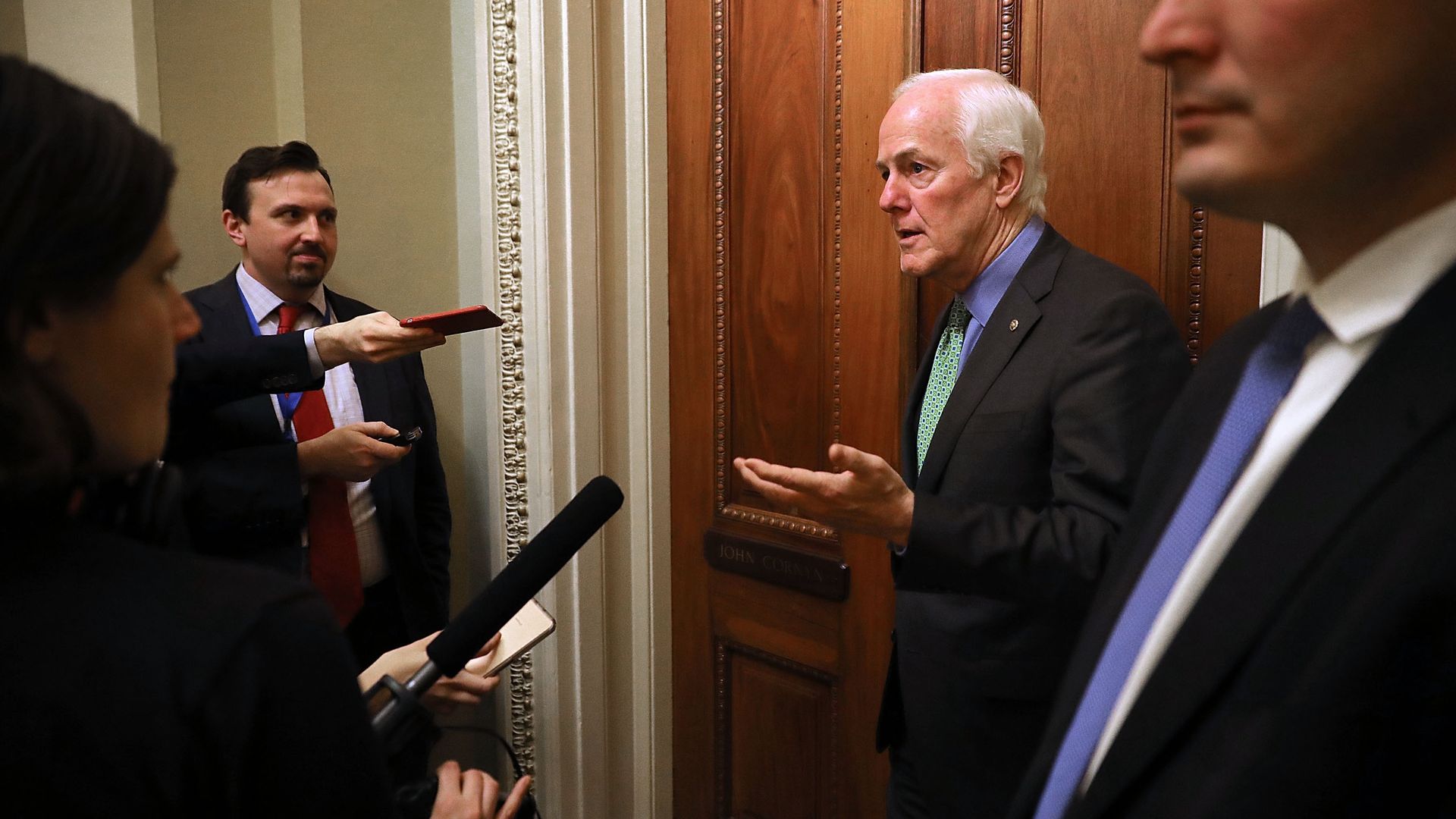
The Trump administration has been telling members of Congress that it plans to get a trade deal with Mexico before its new president is inaugurated in December, which it thinks will then prompt Canada to cut a deal. It would then move on to trying to make deals with other entities, like China and the EU.
Between the lines: It's unclear whether this strategy will work, but it's also unclear what President Trump's tariffs will do to the economy and international relations in the meantime.
Low-wage workers get trapped in largely manual jobs because of the difficulty of acquiring better-paid skills, according to a new study from MIT.
Why it matters: Some argue that workers whose jobs become automated could learn new skills to stay employed. But the difficulty of jumping from physical work to a job that requires mainly social and cognitive skills may leave low-wage workers with no recourse when manual labor is turned over to robots.
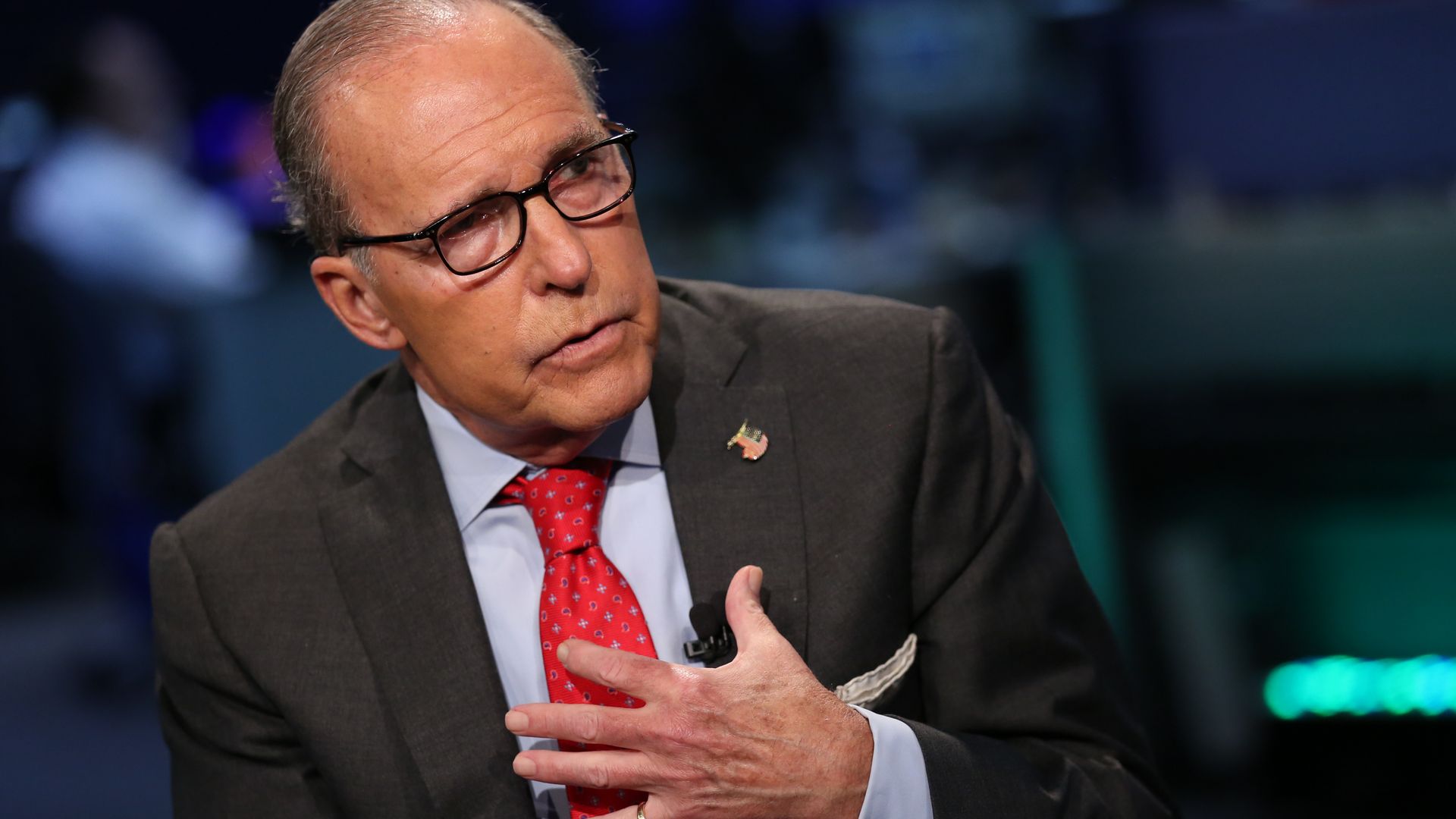
President Trump's chief economic adviser Larry Kudlow told CNBC's Delivering Alpha conference Wednesday morning that he believes that Chinese President Xi Jinping is "holding the game up" on a trade deal with the United States — all while playing down the idea that the two countries are engaged in a trade war.
Our thought bubble from Axios’ Dan Primack: After first giving some lip service to generally opposing blanket tariffs, Kudlow stated "the president is doing exactly the right thing here" and China’s "local party leaders" are similar to "mafioso dons." I’ve had a tough time finding anyone at the Fortune Brainstorm Tech conference in Aspen who has amended, or is thinking about amending, their tech investment strategy because of the trade wars.
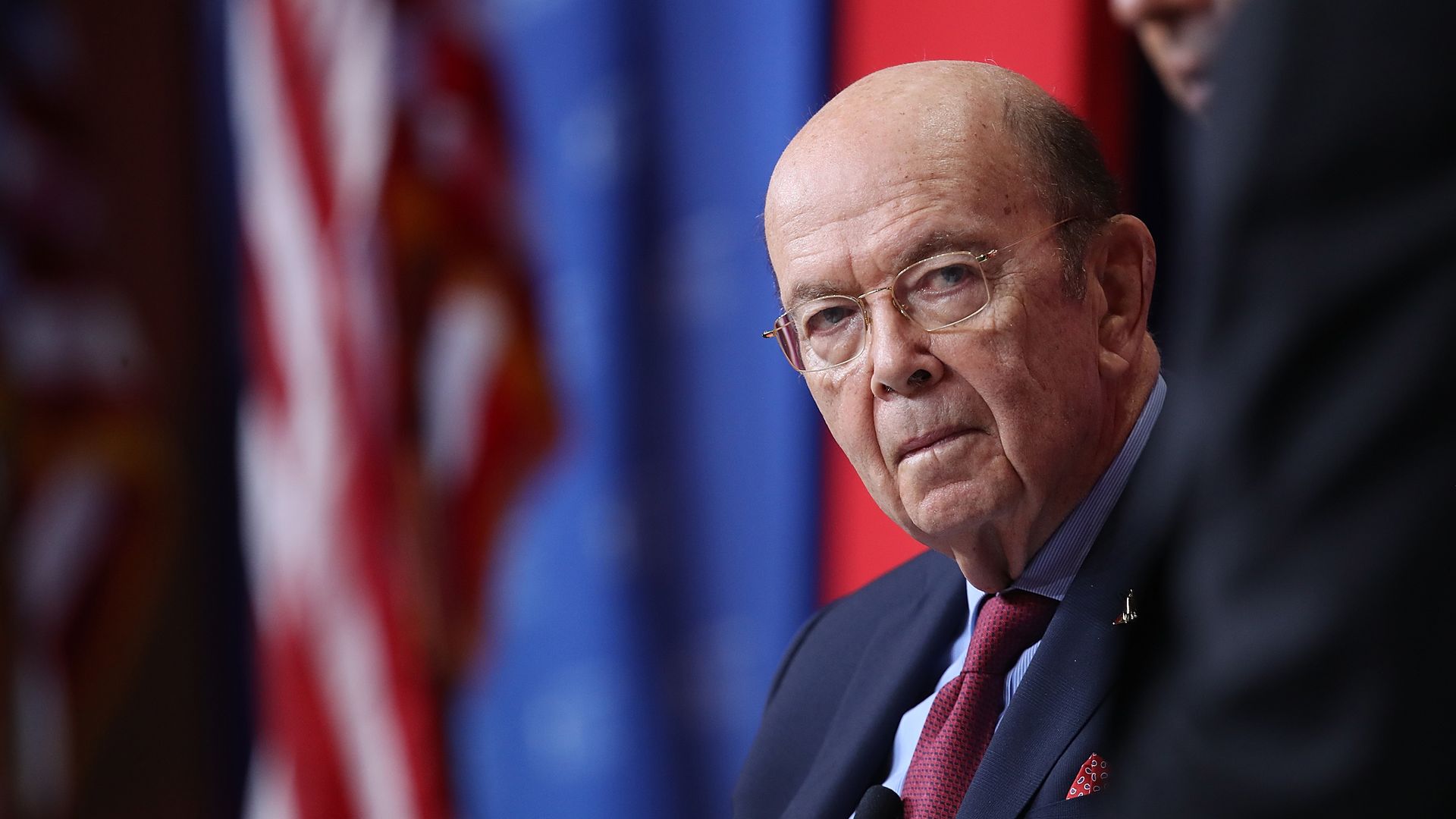
Secretary of Commerce Wilbur Ross has opened an investigation into whether U.S. dependence on uranium imports poses a threat to national security.
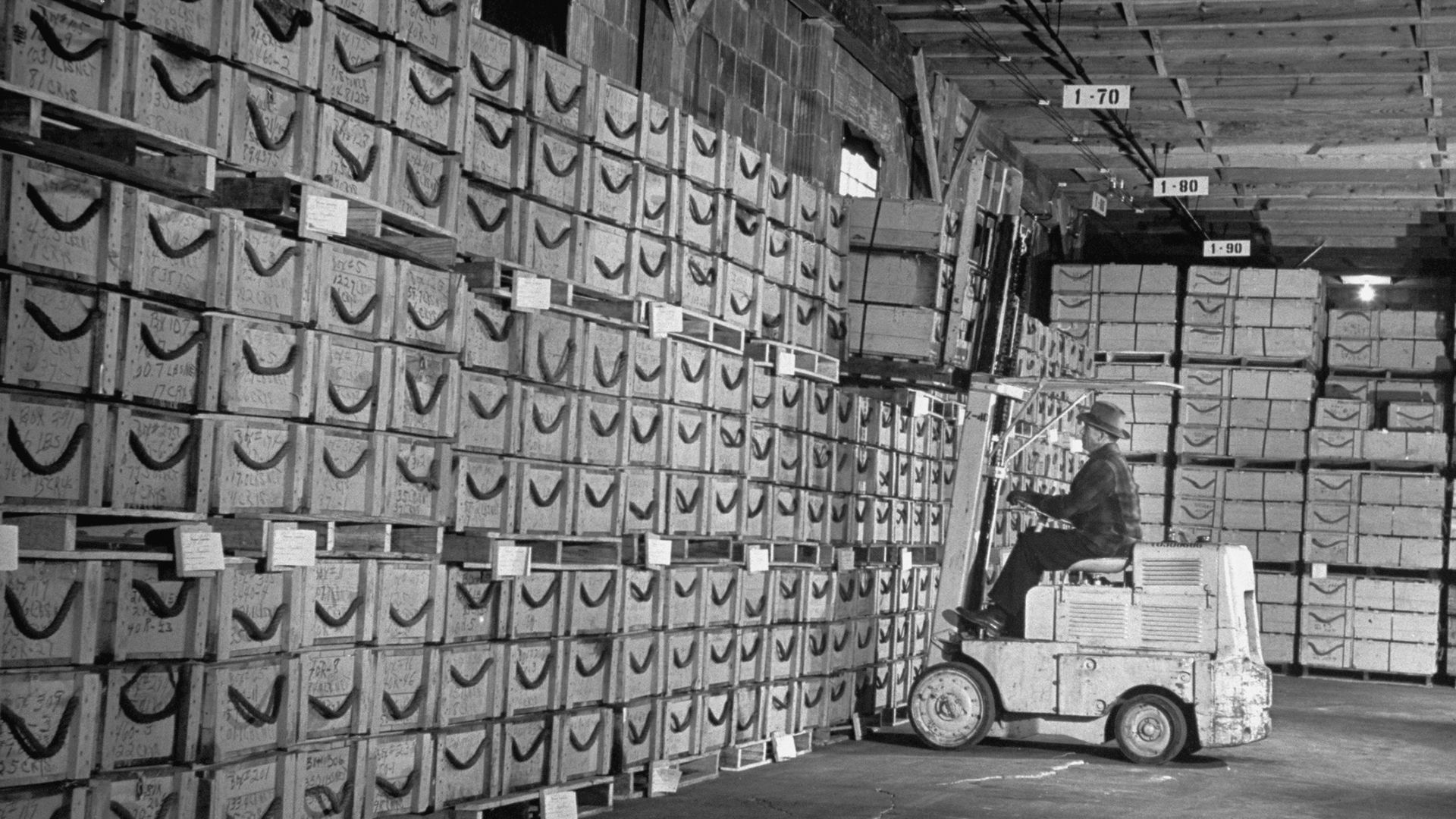
Why it matters: Domestic production of uranium, which is a key resource for both nuclear weapons and the nuclear reactors that power 20% of the American electric grid, have dropped from 49% of total uranium requirements in 1987 to 5% today. The investigation could ultimately result in new tariffs at a moment when more than half of America's nuclear reactors are losing money, according to Bloomberg.
Move over, telecom and big tech: Mass market retailers and grocers are developing their own content and advertising businesses to compete with legacy media.
Why it matters: Ad-serving and video creation has become so democratized that any company with an audience is now able to steal advertising dollars or consumer attention away from traditional media companies.
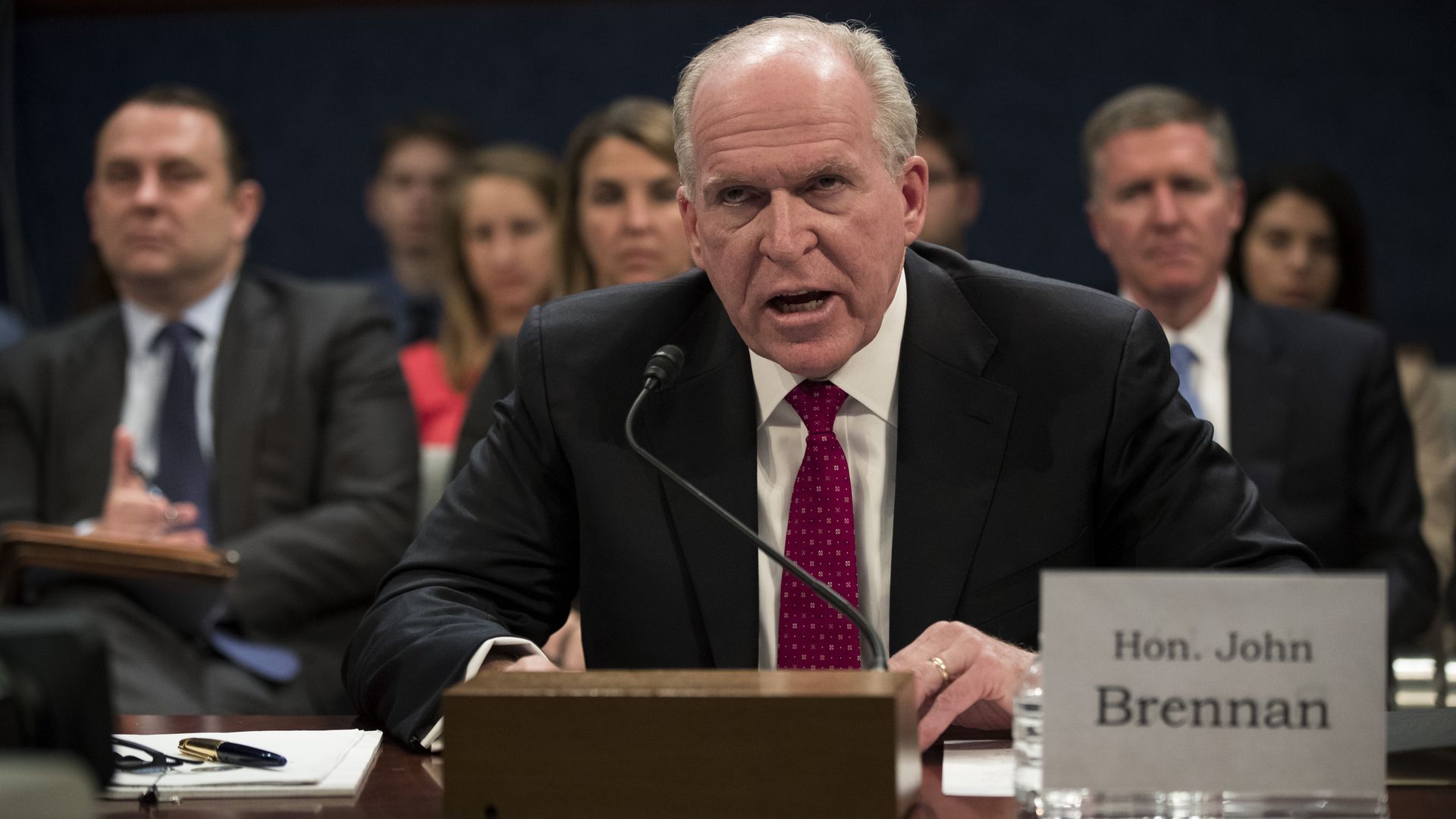
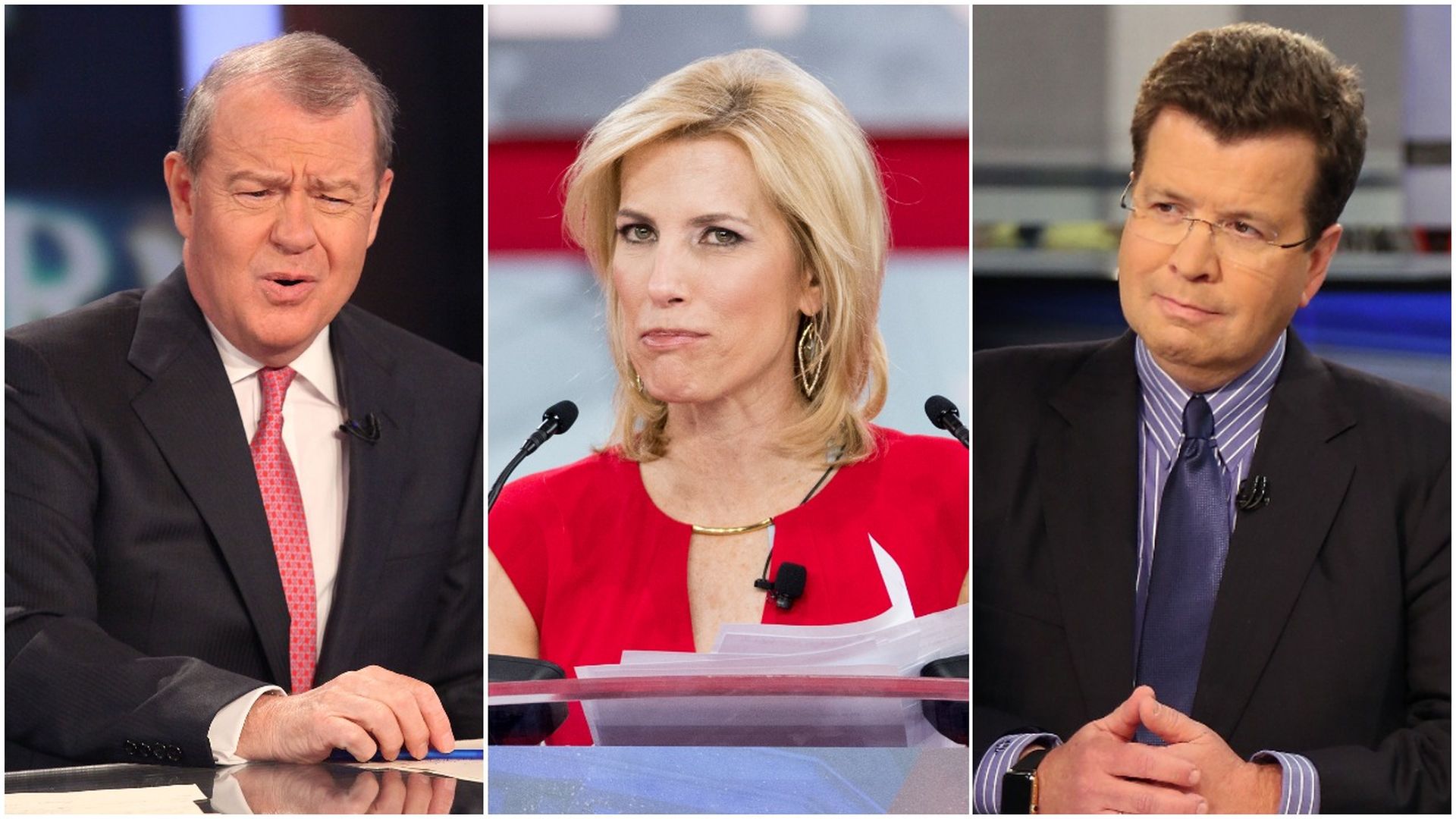
During an interview with Fox News' Tucker Carlson, which will air at 8 p.m. EST Tuesday, President Trump called former CIA director John Brennan "a very bad person," according to a transcript obtained by the Daily Caller's Saagar Enjeti, hitting back at Brennan for criticizing his performance in Helsinki as "nothing short of treasonous."
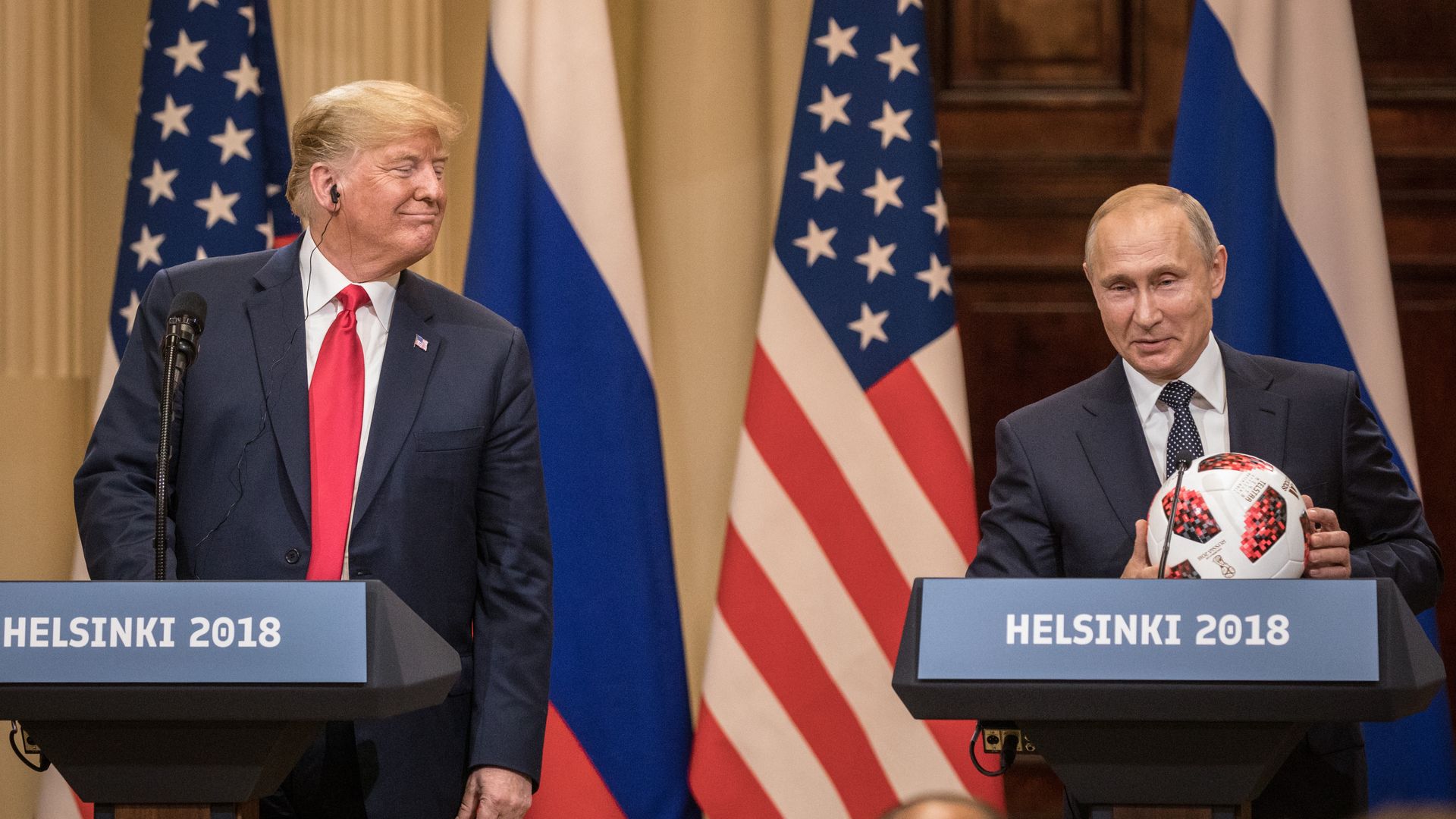
Why it matters: There have been no indications that Trump intends to soften his criticisms of the U.S. intelligence community, even as people from across the political spectrum continue to express their shock and outrage following Trump's failure to stand up to Russian President Vladimir Putin.
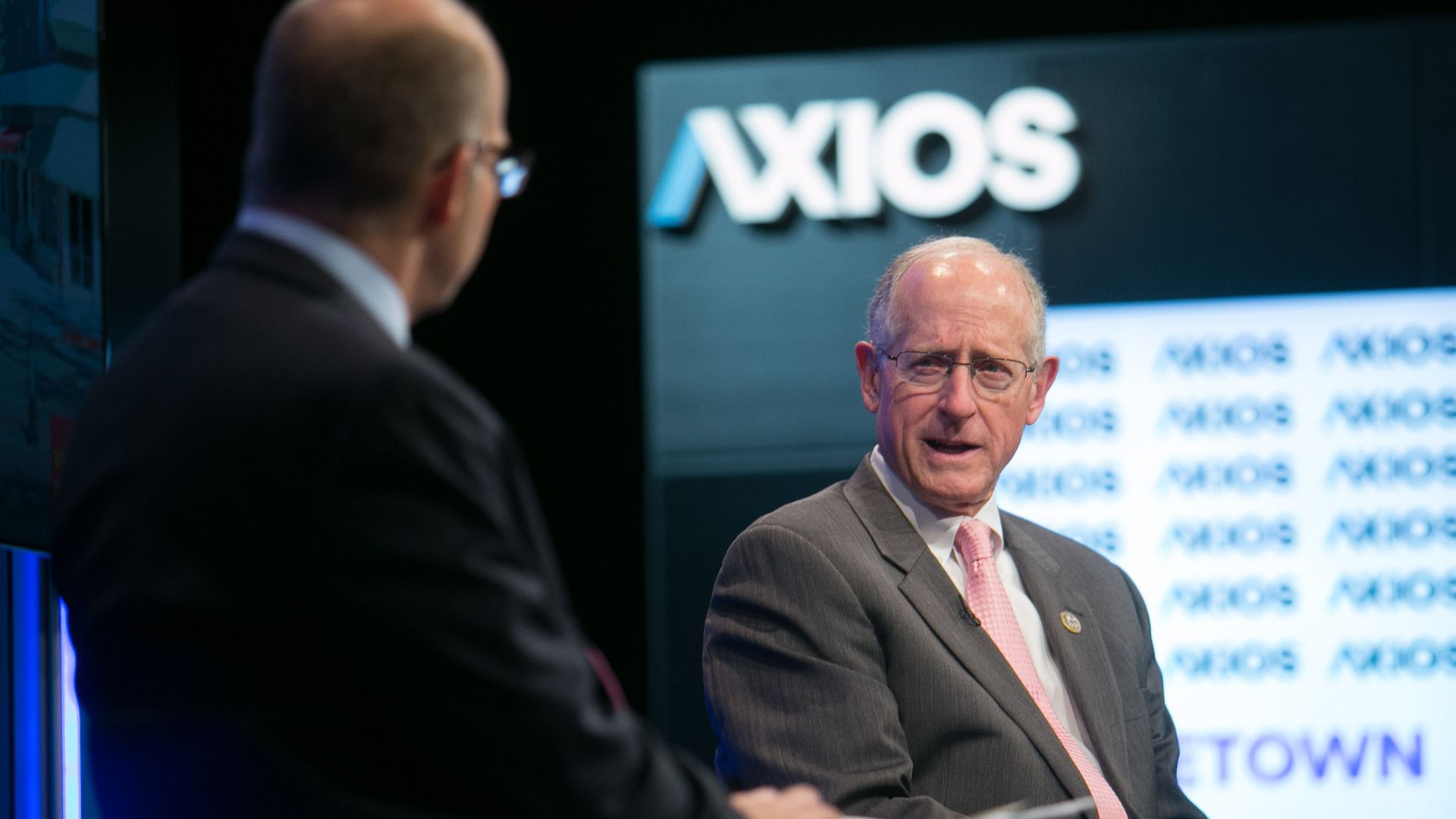
Rep. Mike Conaway (R-TX) dismissed the pushback he's been getting on the farm bill during an Axios event in Washington, asserting that there's "no reason" Congress shouldn't get the bill done by the Sept. 30 expiration date and that it's "too important not to."
Why it matters: Last month, the House approved an $867 billion farm bill in a narrow 213-211 vote that included new work requirements for Americans on food stamps. With a 50% drop in farmers' net income, high commodity prices and an increase in bankruptcies, Conaway said that there is "no question we need this safety net to keep our producers in business."
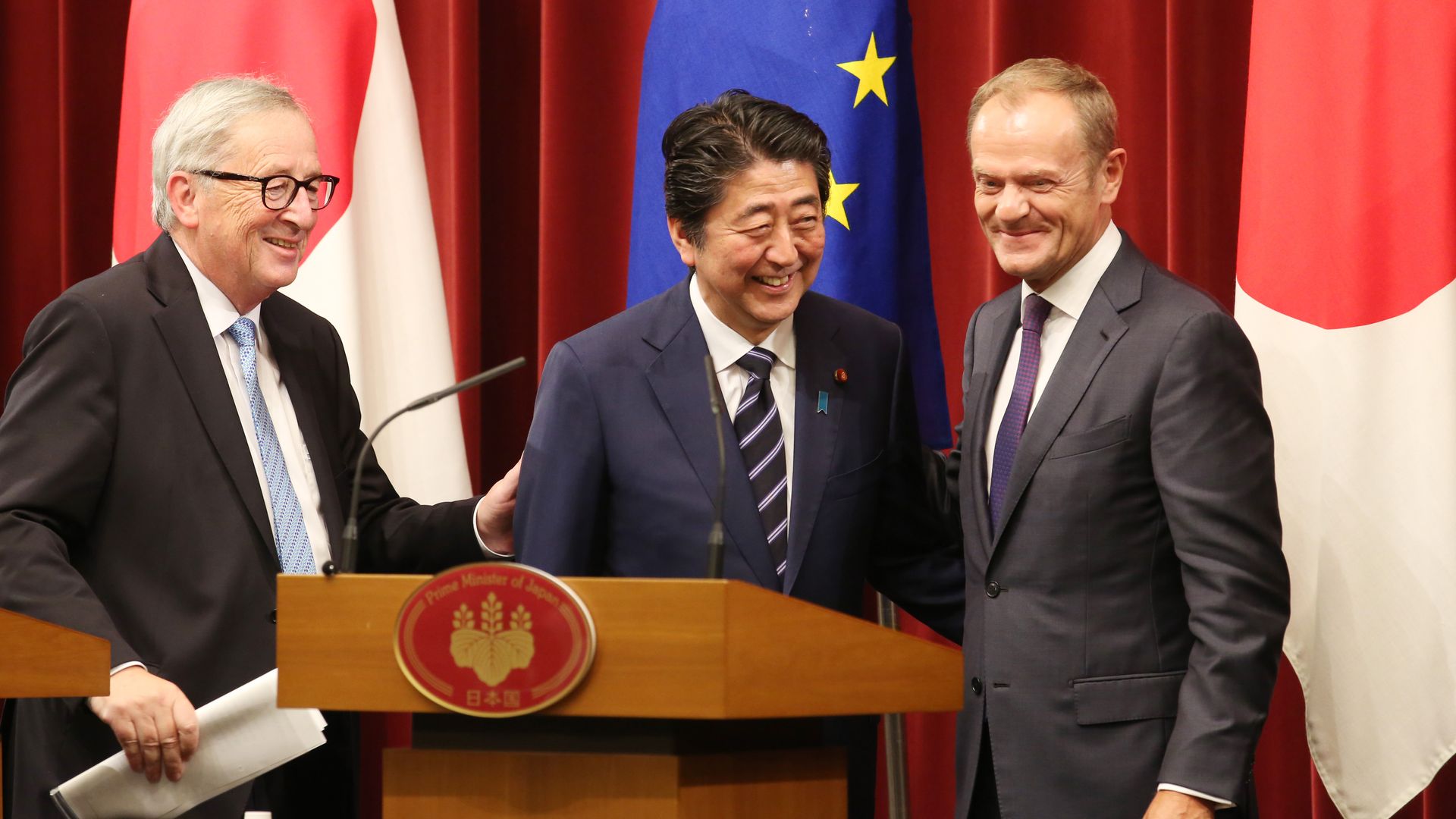
The European Union and Japan on Tuesday signed a major trade deal eliminating most tariffs, reports the AP.
Why it matters: The agreement was primarily reached late last year, the AP notes. But the outcome is far different than President Trump’s combative approach and dealings in recent months with America’s closest allies by slapping tariffs on various imported goods. The deal slashed about 99% percent of the tariffs on Japanese goods sold to the EU, and 94% of the tariffs on European exports to Japan.
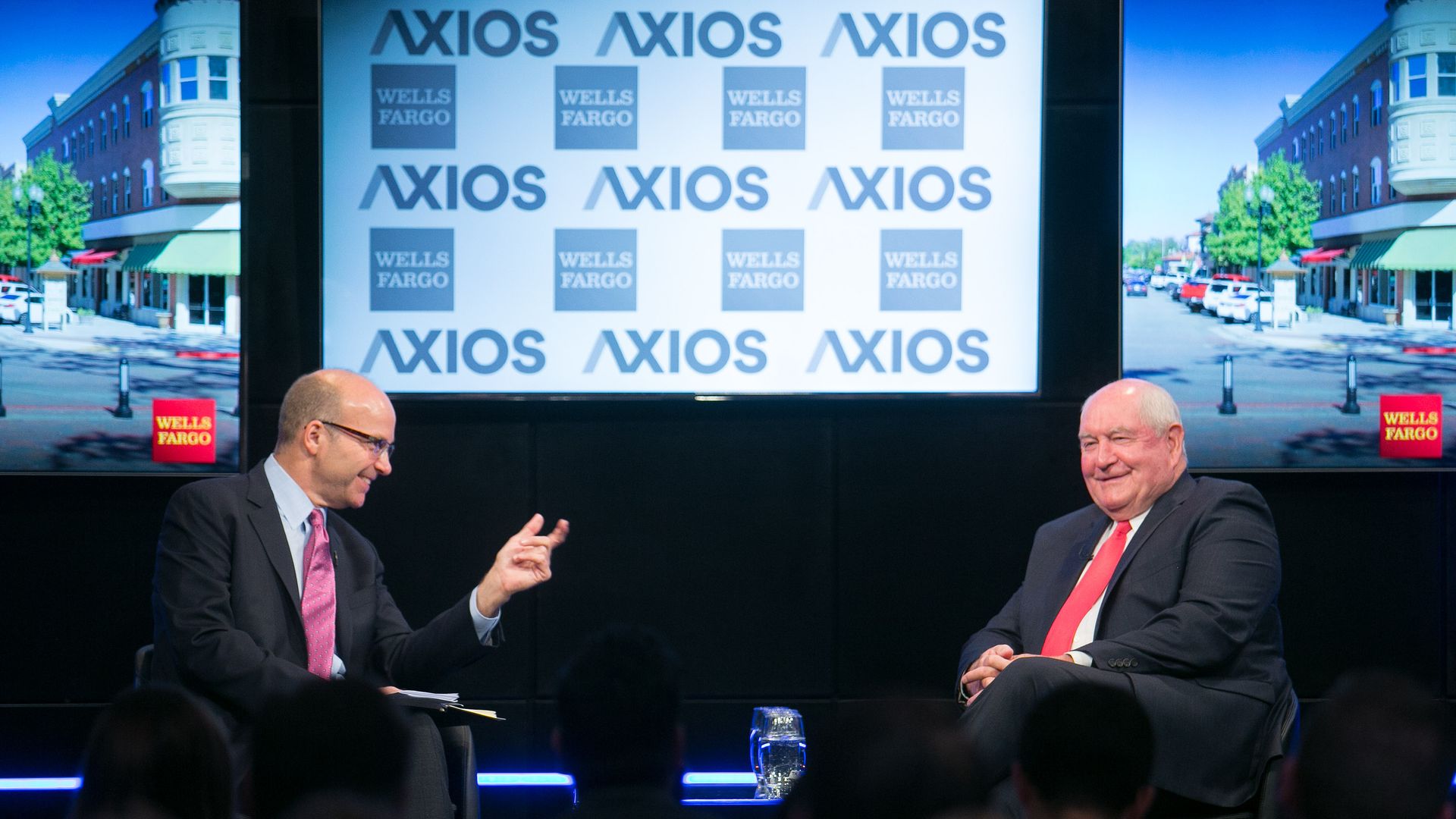
Speaking with Mike Allen at an Axios event in Washington, Secretary of Agriculture Sonny Perdue said that foresters, farmers and ranchers are bearing the brunt of the trade dispute, and that he hopes to have a mitigation plan before major harvests begin after Labor Day.
"Farmers love their lifestyle, but they're businesspeople. They have to make a profit. They're some of the best patriots in America, but they can't pay the bills with patriotism."
— Agriculture Secretary Sonny Perdue
Why it matters: Perdue placed the blame for the "trade disruptions we're experiencing" on China and its non-tariff barriers, and claimed that while President Trump's tariffs may be making his job more challenging in the short-term, he expects it to pay off in the long-term and for all trade issues to be resolved in the next six months.
Americans have strong opinions about which issues brands should stay away from in the age of Trump.
Why it matters: Corporations are facing enormous social pressure, especially from younger generations on social media, to fill a void left by governmental gridlock and mistrust of government as an institution. But it can be tricky for a brand to determine which issues to take a stand on and which to avoid.
President Trump, who seemed to side with Russian President Vladimir Putin at the Helsinki summit Monday rather than the U.S. intelligence community, doubled down on the leader's strong denial of election meddling and criticized the United States' poor state of relations with Moscow during an interview with Fox News' Sean Hannity.
"[Putin] said there's absolutely no collusion, which you know, and everybody who watches this show knows, and I think most of the country knows ... And I tell you, I thought it was a really amazing time ... I thought that President Putin was very, very strong."