Saturday's economy stories

How tech firms are trying to recruit veterans for cybersecurity jobs

Veteran job seekers are more likely than non-veterans to be underemployed, despite the fact that the majority of employers report that veterans perform "better than" or "much better than" non-veterans, according to a survey released this week by ZipRecruiter and the Call of Duty Endowment. Meanwhile, there's a severe shortage of skilled U.S. workers needed for open technology jobs, particularly in the cybersecurity field.
Bridging the gap: Mark McLaughlin, the CEO of cybersecurity company Palo Alto Networks and a veteran himself, tells Axios his team is developing a skills training program that would connect companies across the country to build an online "university" with courses in cybersecurity skills for veterans. It aims to tackle this "really hard gap," where employers "want to see you win, but they don't know what to do with you," McLaughlin said.

Gaming hardware maker Razer prices IPO

Razer announced Friday it has priced its IPO at roughly 50 cents per share, valuing the consumer tech company at $4.4 billion.Trading in shares on the Hong Kong Stock Exchange will begin Monday.
Why it matters: While tech hardware remains a tough business, Razer has carved a niche for itself focusing largely on computers and peripherals for gamers. It recently released its first phone, using technology and personnel it got by acquiring the assets of NextBit. Having a phone gives it something new and shiny, but the smartphone business is even more brutally competitive than PCs.

YouTube says it will improve filtering of kids videos

YouTube already doesn't allow video creators to make money by the inappropriate use of family-friendly characters. Now the video platform says it will also implement a new policy to age-restrict inappropriate content so it is automatically blocked from showing up in the YouTube Kids app, The Verge reports.
Why it matters: The kids YouTube video genre got a lot of attention this week with a well-read Medium post and a New York Times story about the bizarre and sometimes disturbing videos that turn up in YouTube search results, and the video factories that have learned how to game the algorithms to slip jarring content disguised as children-friendly videos through the YouTube filters.
YouTube says the problem is relatively small, and that most inappropriate content not caught by algorithms is flagged by users or human employees. The Verge reports that YouTube is also exempting age-restricted content from advertising, so it's willing to forgo ad revenue from the strange kids videos.

Ebay's Yankovich: The future of retail is virtual reality

Ebay, the company that dominated the early internet economy with its popular auction model connecting buyers and sellers of oddball products, is trying to fill a niche that its rivals are missing by focusing on expanding the universe of products consumers will consider buying over the web — using virtual and augmented reality.
E-commerce's next frontier: Ebay's fortunes started to decline in the mid 2000s as growth in the online auction industry slowed and as Amazon tightened its grip on non-auction sales. In recent years, Ebay has tried to become relevant again by shifting away from the auction model and luring sellers of unique products not found on Amazon, with more favorable terms. Virtual reality and augmented reality is a key component in that shift, says eBay's Chief Product Architect, Steve Yankovich.

U.K. tribunal says Uber drivers aren't independent contractors
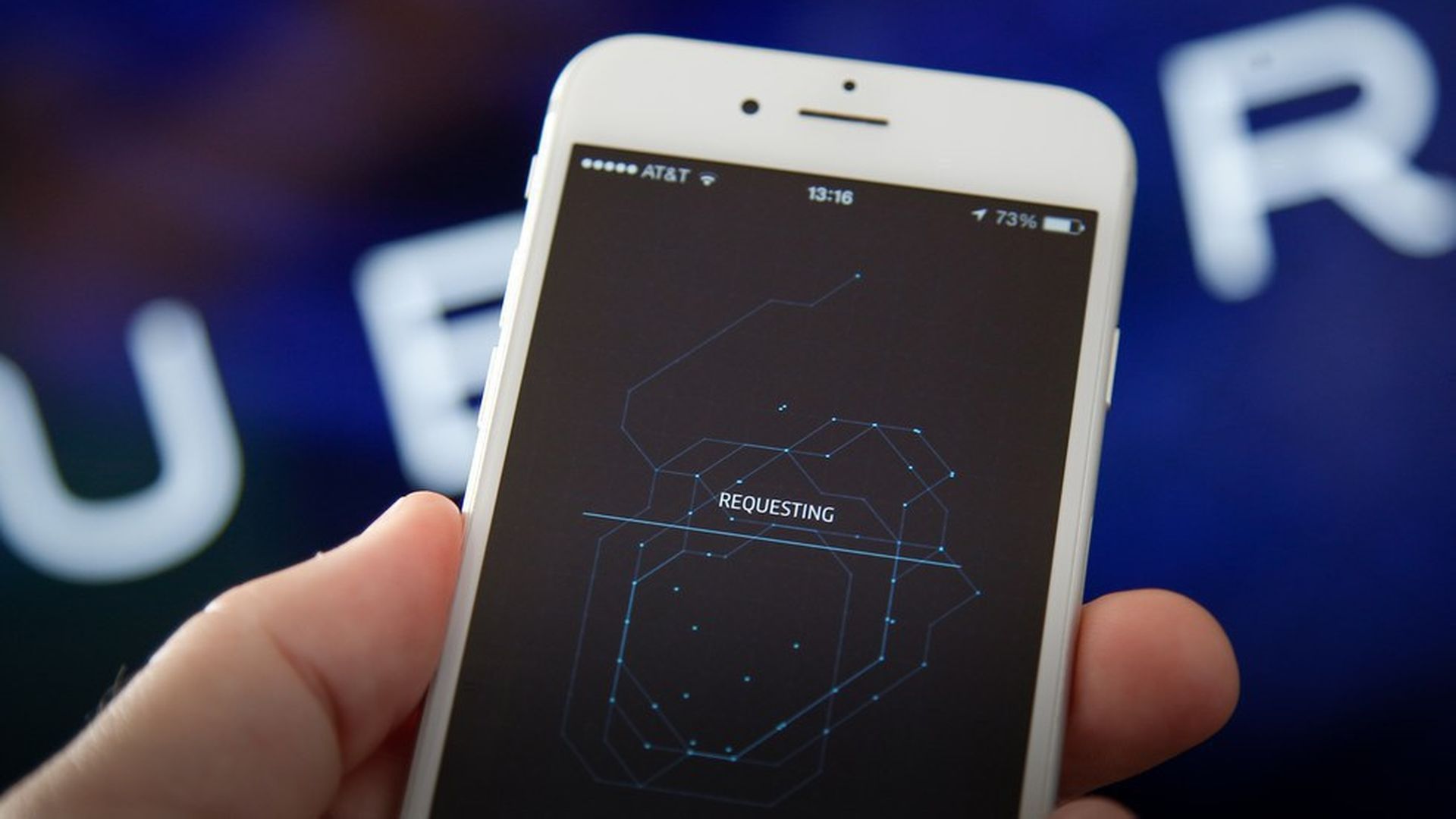
A U.K. appeals tribunal ruled on Friday that Uber can't classify its drivers as independent contractors, but rather as workers which means providing them with certain benefits like minimum wage. The ruling affirms a similar court decision last year and is the second blow to Uber in recent months in the U.K. after London's transport authority decided not to renew the ride-hailing company's operating license (Uber is appealing).
Why it matters: This will be a big problem for Uber, whose business model is fundamentally built on its drivers being contractors — both because it saves the company the expense of providing benefits and allows for flexible supply of drivers. "One of the core elements of our service is that you get to be your own boss... the drivers like it—they don't want to be employees," new CEO Dara Khosrowshahi said on Thursday at the NYT's DealBook conference in New York.
Macy's, Nordstrom extend their losing streaks
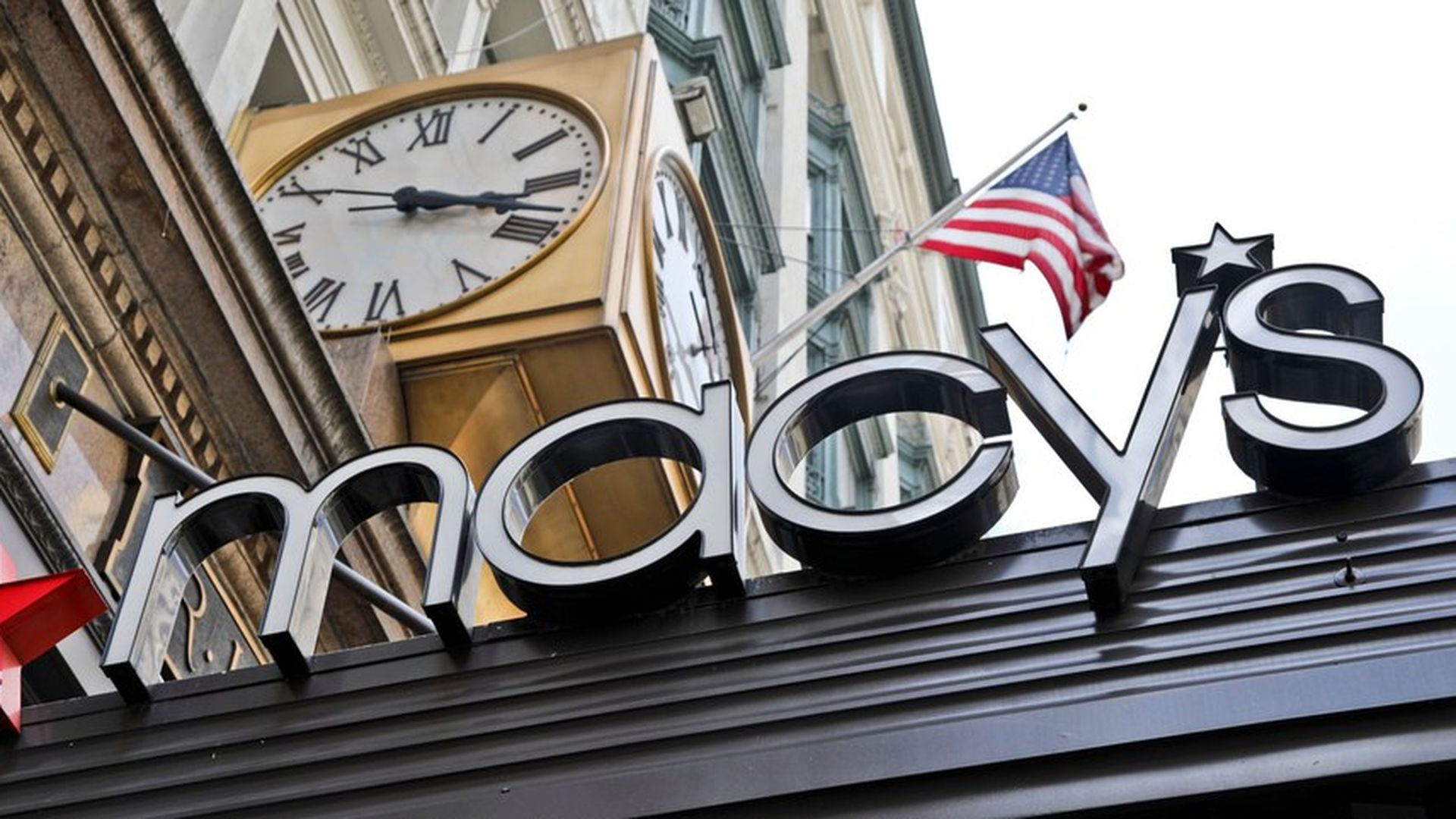
Macy's and Nordstrom reported Thursday that sales at individuals stores fell year-over-year in the third quarter, while sales at Kohl's stores rose just 0.1%. Shares at all three firms rose over the past 24 hours, as the results weren't as bad as investors had expected. Nevertheless, shares in each have fallen more than 20% over the past year.
Sound smart: Even the canniest department-store executives will struggle to grow their business in the face of online competition. Analysts praised Nordstrom's expansion of services like curbside pickup, and Macy's investments in its discount "backstage" brand, but selling less stuff this year than last is not a sustainable strategy.