Monday's economy stories

44% of retailers have cut prices due to online competition
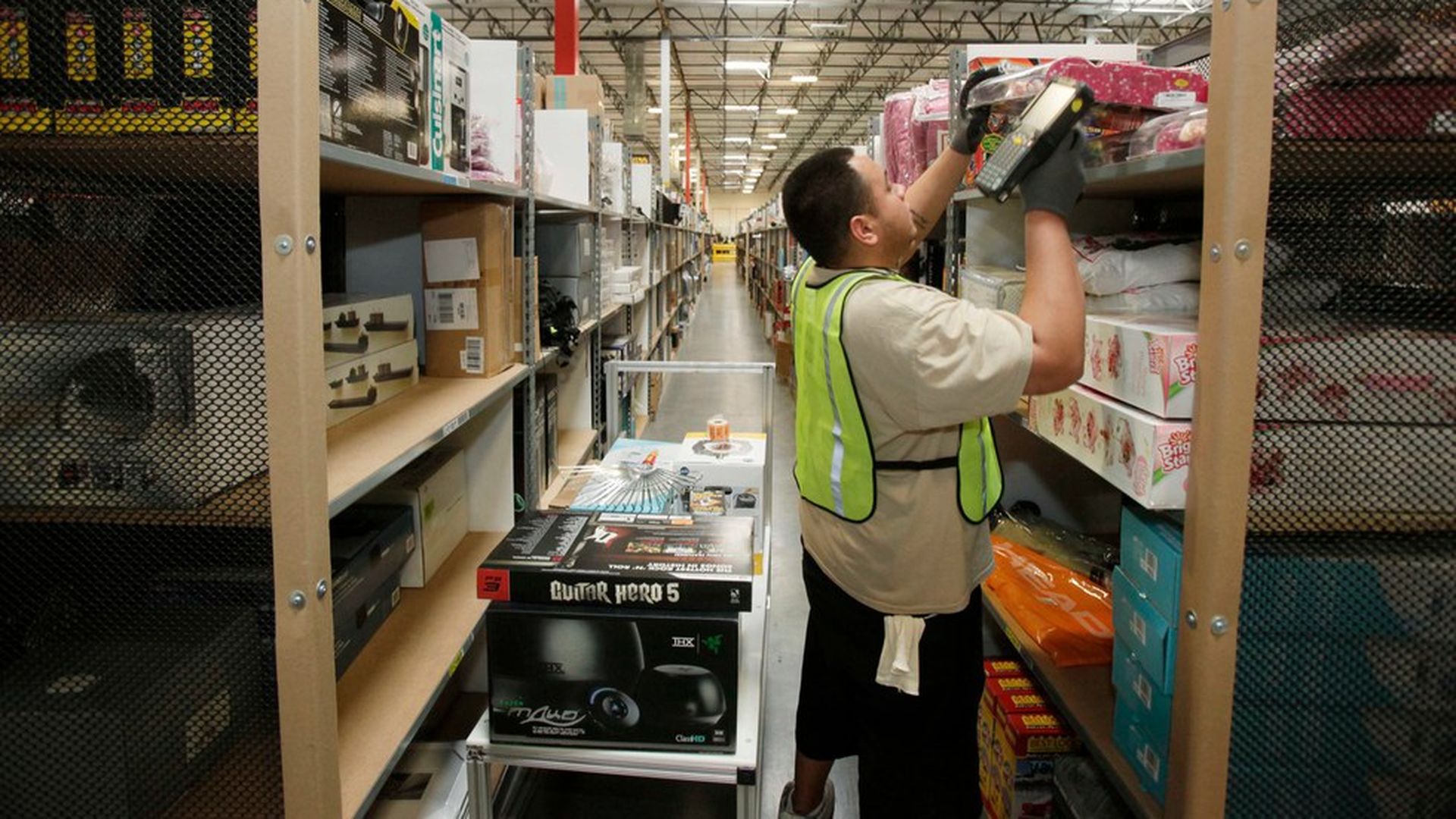
Nearly half of retailers in the United States, Europe, and Japan have been forced to cut their prices in the face of online-only competition, according to a survey of retail executives by Applied Predictive Technologies.
Why it matters: It's more evidence explaining why investors have lost confidence in most major retailers outside of Amazon in recent months.

Fearing tariffs, solar group takes out ads on Trump's favorite shows
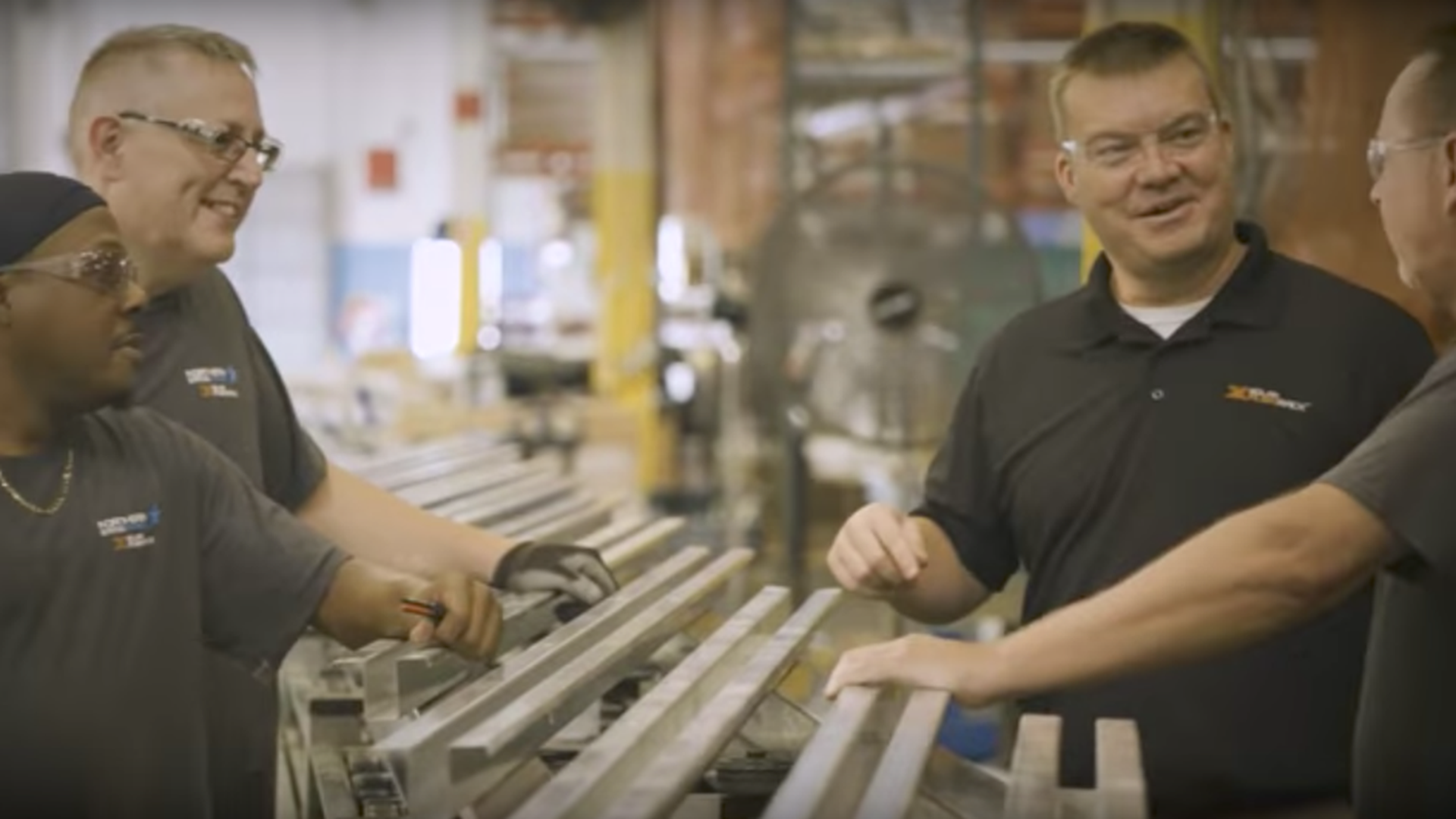
A coalition of U.S.-based solar manufacturers, U.S. Made Solar, is running TV advertisements urging President Trump to not issue tariffs on cheap solar imports. The TV ad buy component is part of a seven figure ad buy.
Why it matters: The campaign appeals straight to Trump's eyes and ears with ads running on shows he's known to watch closely, such as Fox & Friends. It also focuses on one of Trump's favorite rallying cries, American jobs. Driving the news: The coalition formed last month in response to two foreign-owned companies petitioning the U.S. International Trade Commission to recommend tariffs on cheap imports. The ITC ruled late last month in favor of the two companies, and a Trump administration official has said the president is likely to issue tariffs if the ITC issued such a ruling. The coalition claims tariffs would damage the entire domestic solar industry, while the two manufacturers argue the tariffs are needed to protect American solar manufacturing jobs.
What Trump will see and hear from the ads (watch the ads here or here):
- "Two bankrupt, foreign-owned companies want the federal government to double the price of solar panels, crushing demand for solar power and threatening 350,000 American jobs."
- "It just doesn't make any sense that any American would choose these two foreign companies over American workers."
- "Mr. President, Mr. President, Mr. President: Protect American manufacturing jobs. Reject SolarWorld and Suniva's claim and allow U.S. solar jobs to continue to grow."
Upcoming decision: The ads are set to run on D.C. and national cable between now and when a decision is reached, which could come sometime after the ITC makes recommendations to Trump. The ITC has until mid-November to make recommendations.

How late-night shows ridiculed O'Reilly vs. Weinstein
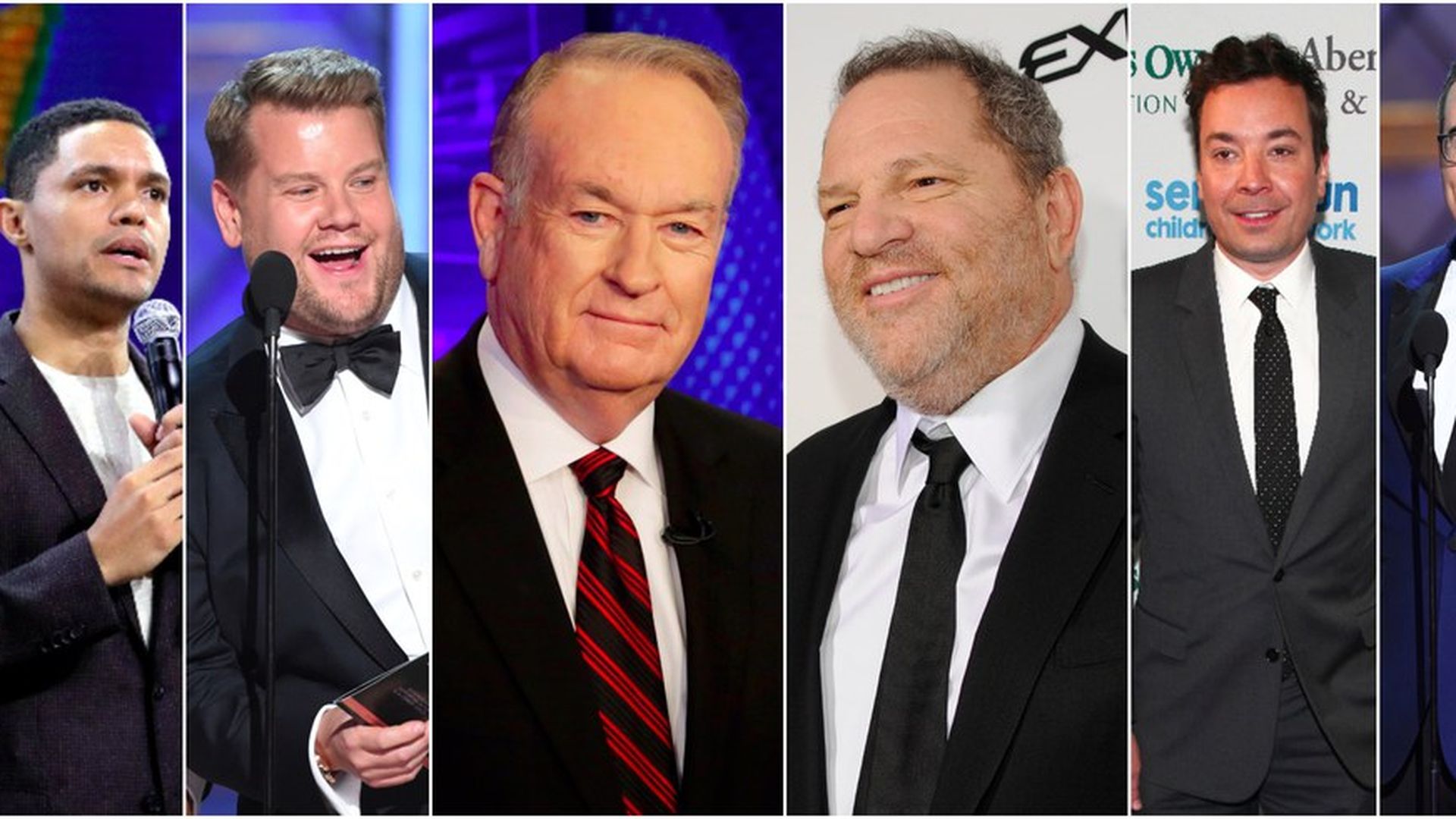
Film producer and film studio executive Harvey Weinstein has been fired from the film company he co-founded after a series of sexual harassment allegations against him emerged last week. While the allegations are reminiscent of former show host Bill O'Reilly's scandal, which resulted in his firing from Fox News, the treatment from late night show hosts has been strikingly different. O'Reilly provided perfect fodder for late-night skits and monologues, while only John Oliver fully addressed the Weinstein scandal.
Why it matters: O'Reilly was a conservative with whom most show hosts disagreed on a number of issues, while Harvey Weinstein was a fellow Hollywood liberal. But it's important to remember that O'Reilly was much more of a household name than Weinstein.
Amazon's problem attracting luxury goods
High-end brands are giving Amazon some pushback on its policies about counterfeits and unauthorized sellers, leaving Amazon sales devoid of some luxury products, the WSJ reports. Selling luxury is all about keeping it exclusive, and when counterfeits abound, that exclusivity of a brand can be lost.
Why it matters: Amazon's growing dominance in retail is changing the way goods are bought and sold and even pushing some retailers to change up their sale strategies, but this shows a potential gap in Amazon's strength in the market. In particular, it could be hurting its margins and isn't attracting in some potentially loyal Amazon Prime customers, which is popular among higher-income shoppers.

Russia probe attracts scrutiny to Facebook’s political ads
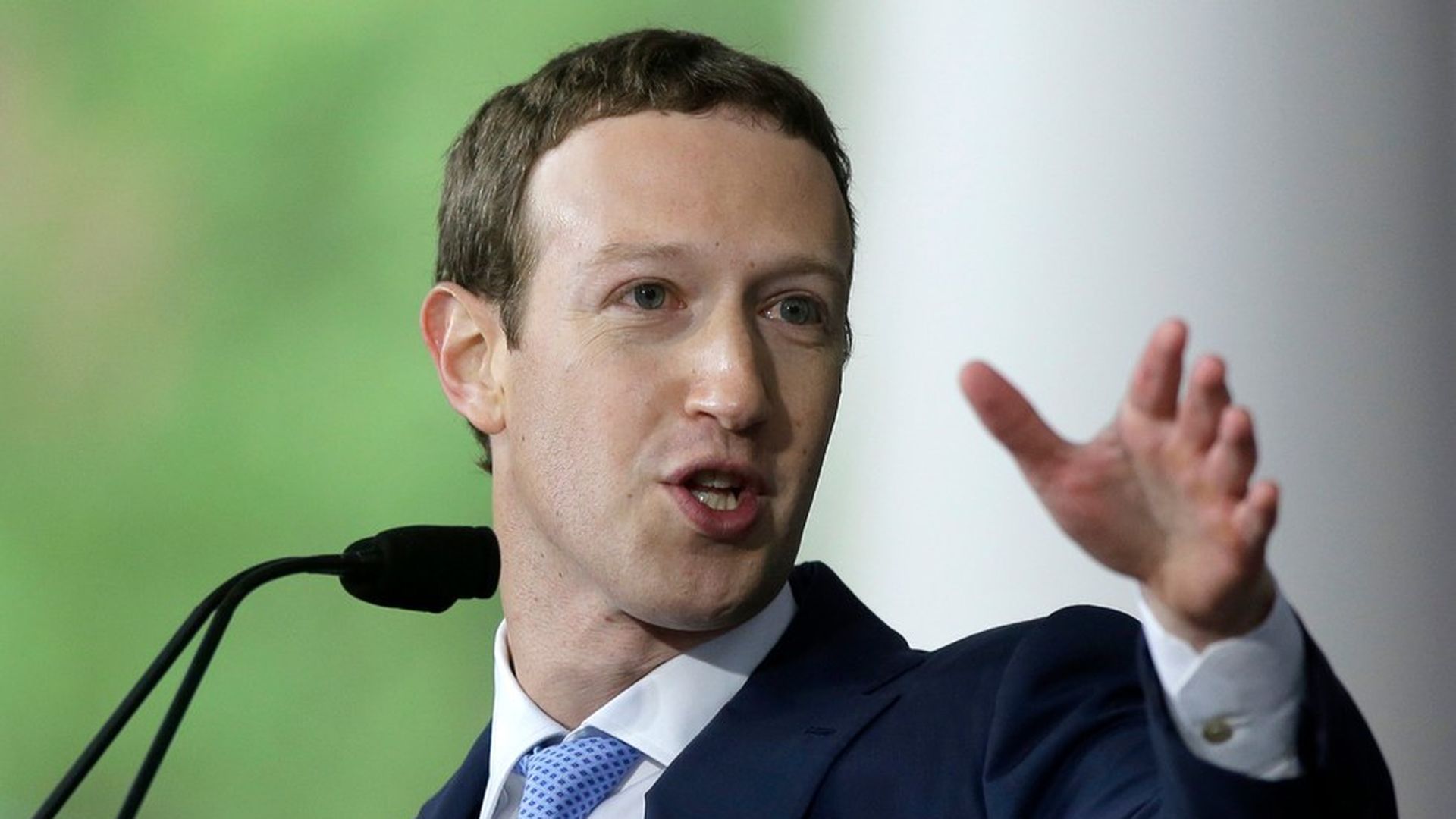
The Washington Post's Matea Gold and Elizabeth Dwoskin illustrate how Facebook's place in the federal government's Russia probe has shined a light on the secretive nature behind political advertising on the platform.
What's next: "Democratic Sens. Amy Klobuchar (Minn.) and Mark R. Warner (Va.) plan to introduce a bill in the coming weeks that would require sites with more than 1 million users to maintain a public file containing a copy of political ads and information about who they are aimed at."
How computers could start making hiring decisions
Americans are generally opposed to the idea of computers evaluating and hiring job candidates, a new Pew survey has found, and 76% said they wouldn't apply to a job that used a computer program to select applicants. Computers are already playing a role in hiring processes, however, and that role is expected to grow.
The advantages:
Rebecca Henderson, CEO of Randstand Sourceright, which helps large companies hire talent, says automation can help connect high-skilled workers to the right jobs quicker. Speed is key, as job applications continue to rise — millennials are forecasted to apply to a new job every 2-3 years. Pew found that younger people were more comfortable applying for jobs that used computers for evaluating applicants than older participants.