Saturday's economy stories

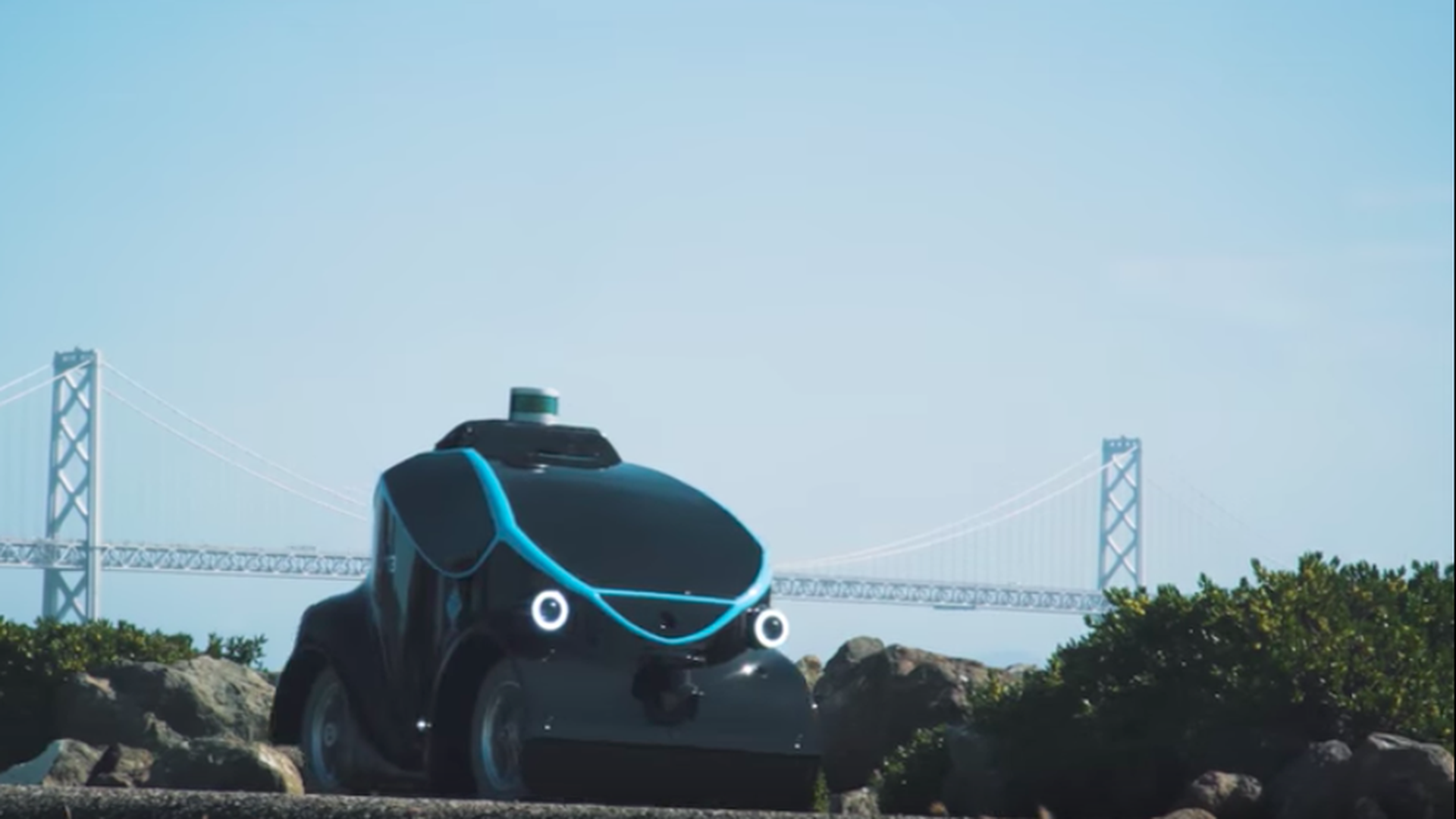
Robo-cars with helper drones are joining Dubai's police force
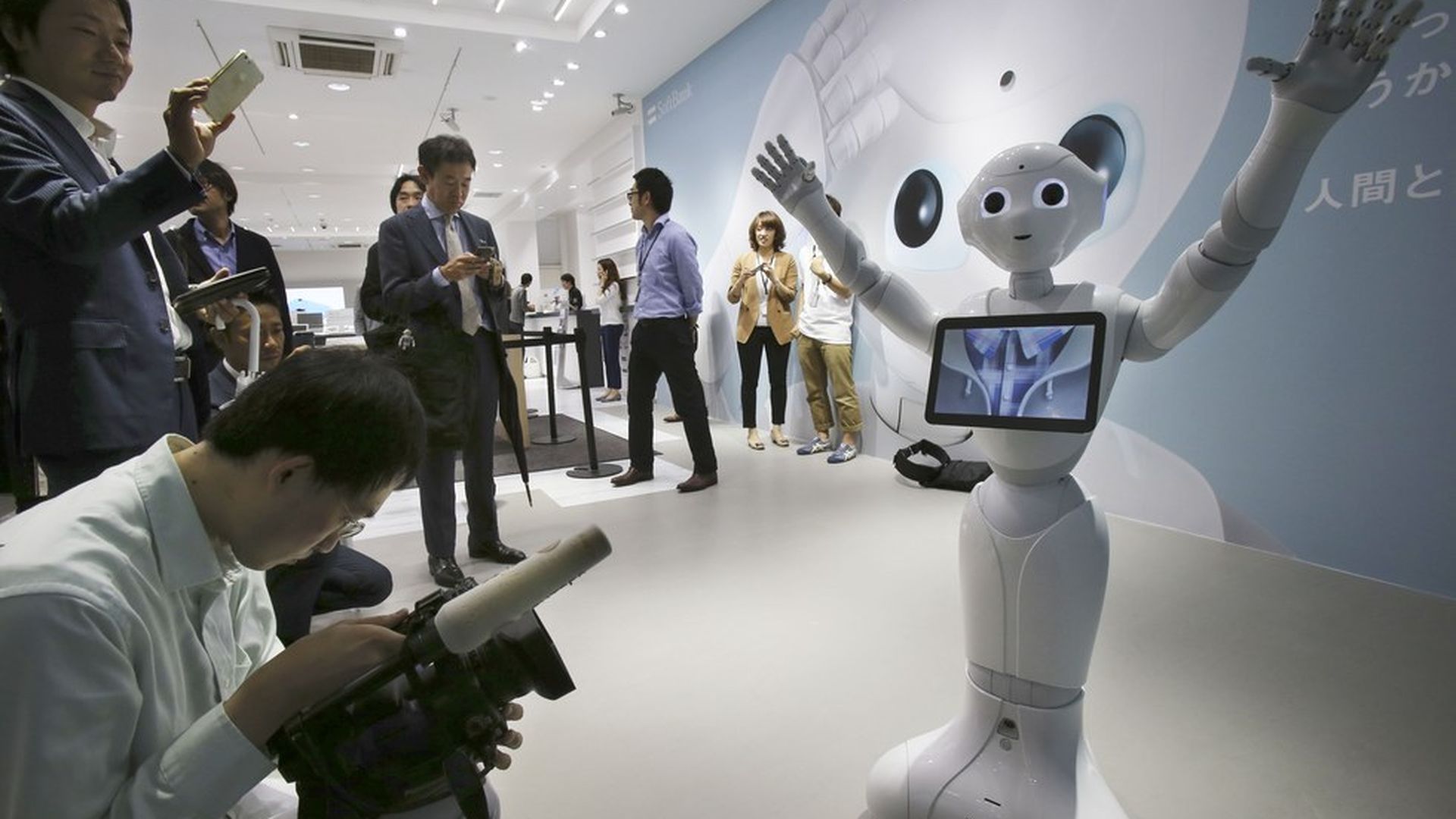
Mini robotic cars with companion drones that help patrol the streets will be the newest member of Dubai's police force by the end of the year, WashPost reports. The cars are also equipped with face-recognition technology to help identify suspects.
How it works: The cars are powered via machine-learning algorithms, but police officers can also control them through a computer in their patrol car dashboards. They don't move quickly (WashPost notes not "beyond a stroll's pace"), but the aerial drone, which sits atop the car, can detach and surveil surrounding areas that the car cannot reach.
Why it matters: This robo-car-drone-duo is the first of its kind and it's a clear example of Dubai's efforts to restructure its police force for the future. And there's one stat to consider: Dubai is planning to have robots account for 25% of its police force by 2030, according to WashPost.

Driver lawsuit against GrubHub gets green light to move forward
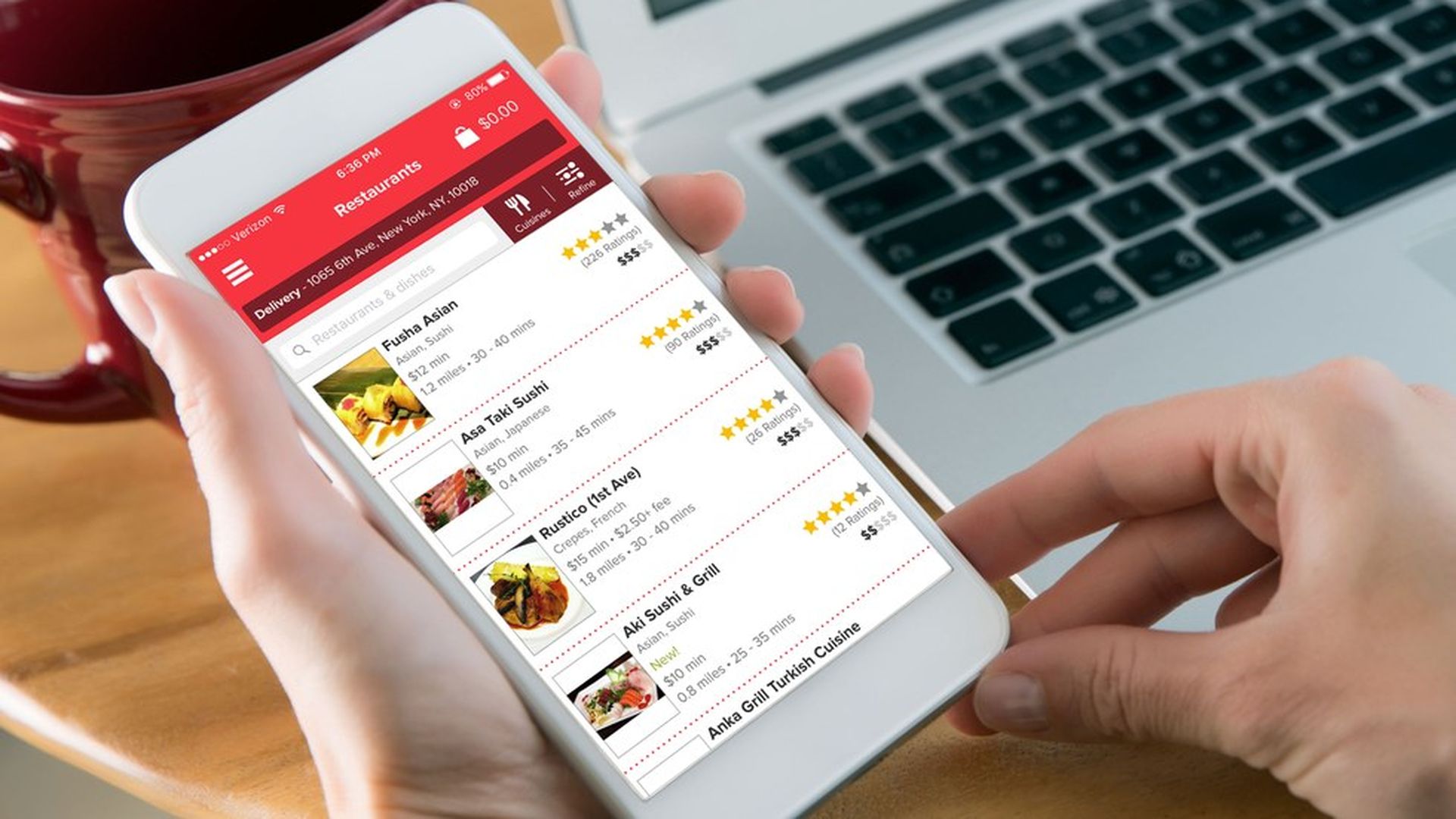
The gig economy's question of whether workers should be classified as employees has a new chance at getting an answer. On Thursday, a San Francisco magistrate judge ruled to let a former driver's lawsuit against food ordering company GrubHub to move forward, as Ars Technica reported. It's now scheduled for a trial in the fall.
Why this matters: Companies that provide on-demand services have long been criticized for classifying their workers as independent contractors instead of employees as a way to avoid providing them with benefits, which are costly, despite many of them working full-time hours. But as more workers shift to freelance work and new business models (and mobile apps) make it possible for industries to rethink labor, we'll need to figure out how companies should interact with their workers.

Trump's nicknames for the media companies he loves to bash
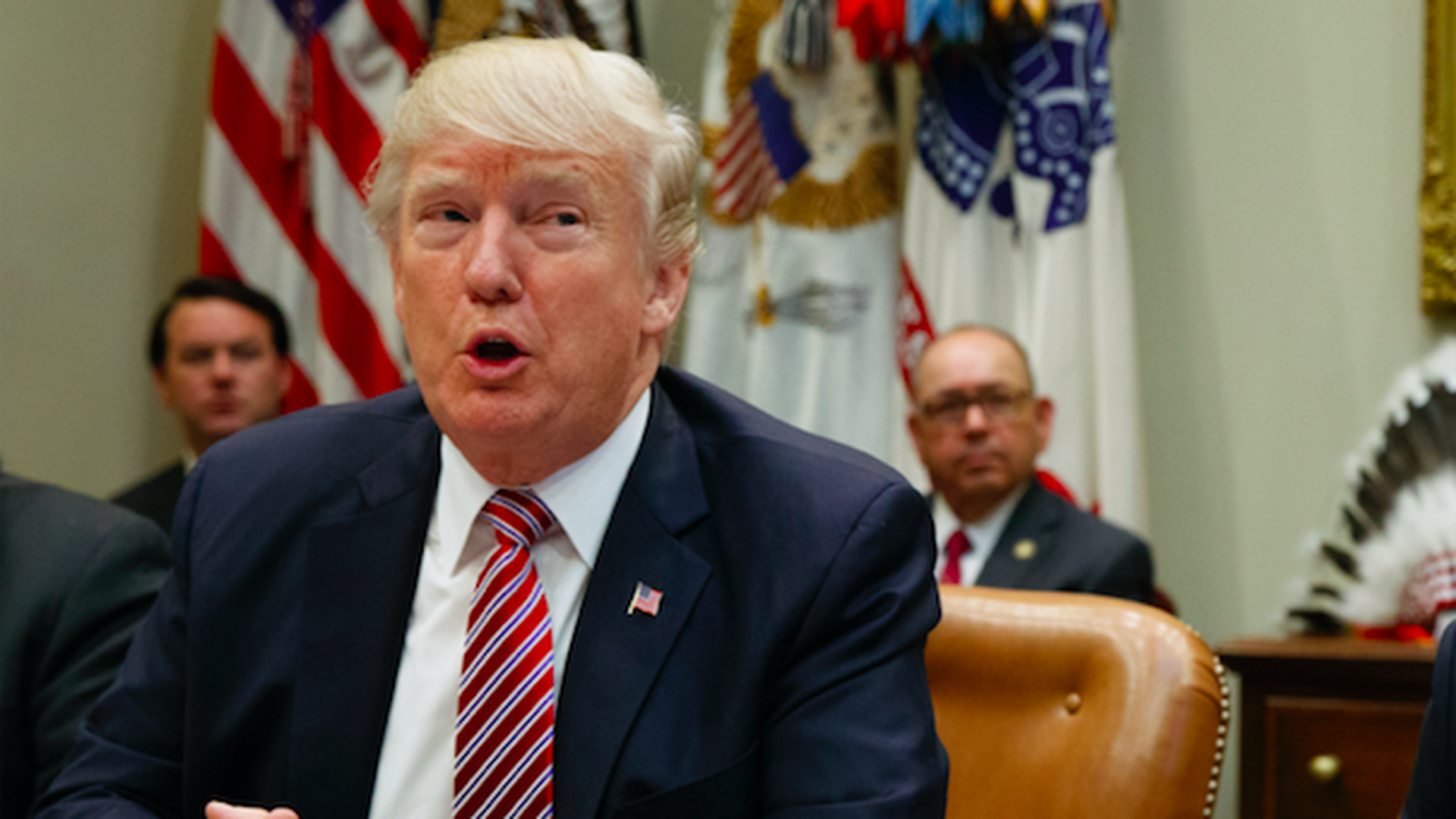
President Trump, along with Donald Jr. and Sarah Sanders, launched another series of attacks on the media this past week, with Trump railing at CNN, the New York Times and the Washington Post on Twitter. Trump is known for his nicknames for both political competitors (Lyin' Ted Cruz, Little Marco) and his nemesis news companies.
Why it matters: As long as there has been the press, there has been tension between the White House and the media companies, but Trump's unreserved, childish attacks on specific news companies and reporters via Twitter is something new.
Here's a list of 11 media nicknames bestowed by Donald Trump.

SEC to let all companies file confidentially for an IPO
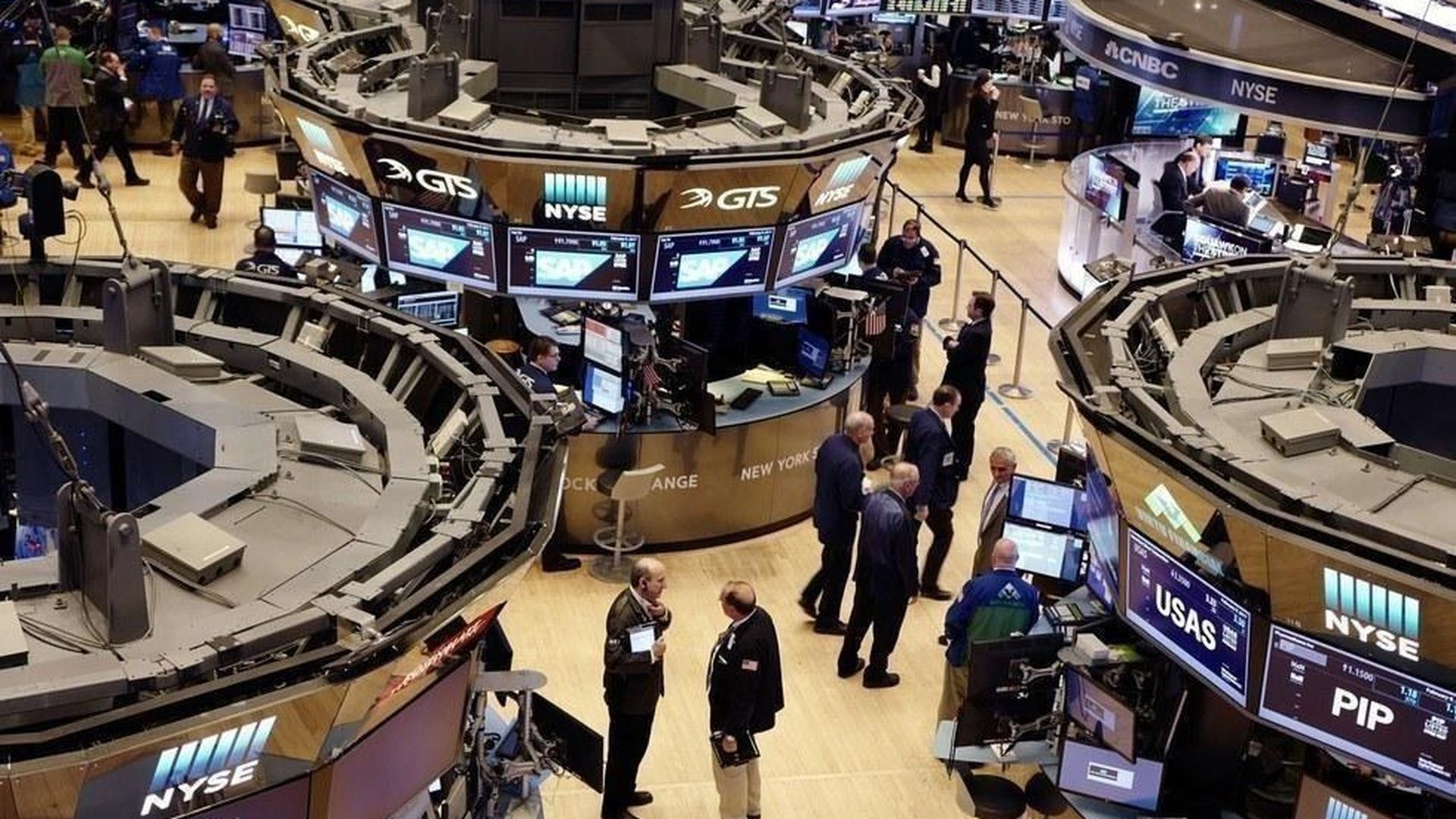
The Securities and Exchange Commission has decided let all companies confidentially submit a draft IPO registration to get feedback from the Agency. This is similar to the so-called confidential IPO filing that "emerging growth companies"—businesses with less than $1 billion in annual revenue—have been allowed to make since the JOBS Act of 2012 was passed into law.
Why: "By expanding a popular JOBS Act benefit to all companies, we hope that the next American success story will look to our public markets when they need access to affordable capital," new SEC chairman Jay Clayton said in a statement. This more or less translates into a plea to get more companies to go public, with the number of public companies now 37% lower than at its 1997 high.

Real estate company Redfin files for IPO
Redfin, a 12-year-old company that provides an online real estate database and brokerage services, has filed for a $100 million IPO, though the amount is likely a placeholder.
Offering details: The Seattle-based company plans to trade on the NASDAQ under ticker symbol RDFN, with Goldman Sachs listed as left lead underwriter.
Financials: Redfin is not profitable yet, with net losses of of $24.7 million, $30.2 million, and $22.5 million for the years ended December 31, 2014, 2015, and 2016, respectively. Over the same fiscal periods, it generated revenue of $125.4 million, $187.3 million, and $267.2 million. In 2016, its customers bought or sold 75,000 homes worth more than $40 billion.
Backers: Redfin has raised about $167 million in total funding, and was most recently valued at just over $800 million, according to investment database Pitchbook. The company's investors include Madrona Venture Group, DFJ, Greylock Partners, and Tiger Global Management.

A weary retail sector looks to AI for salvation
Retailers are suffering the twin headwinds of slow productivity growth and a competitive e-commerce environment that pits stores against each other on price. With retail stocks sputtering — The SPDR S&P Retail ETF is down 4% over twelve months — it's no wonder retailers are turning to AI technology as a potential lifeline.
RetailWeek's Friday report on AI impacting retail touts tools like AI-enabled systems that sort through customer emails to surface those that are most urgent, without wasting man hours on triage decisions. And it highlights an experimental robot that answers simple questions while helping shoppers navigate a San Francisco-based Lowes.
Why it matters: Amazonization is leading to a retail environment where a few stores thrive at the expense of a great struggling mass of competitors. If traditional retailers want to break this spell, they will have to boldly experiment with these technologies in the hopes of gaining an edge.

2/3 of new manufacturing jobs are thanks to foreigners
A significant majority of the 656,000 new manufacturing jobs created between 2010 and 2014 can be attributed to investment from countries like Japan, the U.K., and Germany, according to a Reuters analysis.
Why it matters: President Trump and some of his advisers are "hell-bent on imposing tariffs — potentially in the 20% range — on steel, and likely other imports," Axios reported Friday morning, though the majority of his cabinet opposes the plan. Trump's complaints about unfair trade practices are not unfounded, but there's a reason why trade arrangements are hard to reform: Attempts to gain advantage at the expense of trade partners risks upsetting cross-border supply chains that support millions of jobs. And it's states in Trump's southeast stronghold, like South Carolina, that have the most to lose economically from disrupted global supply networks.

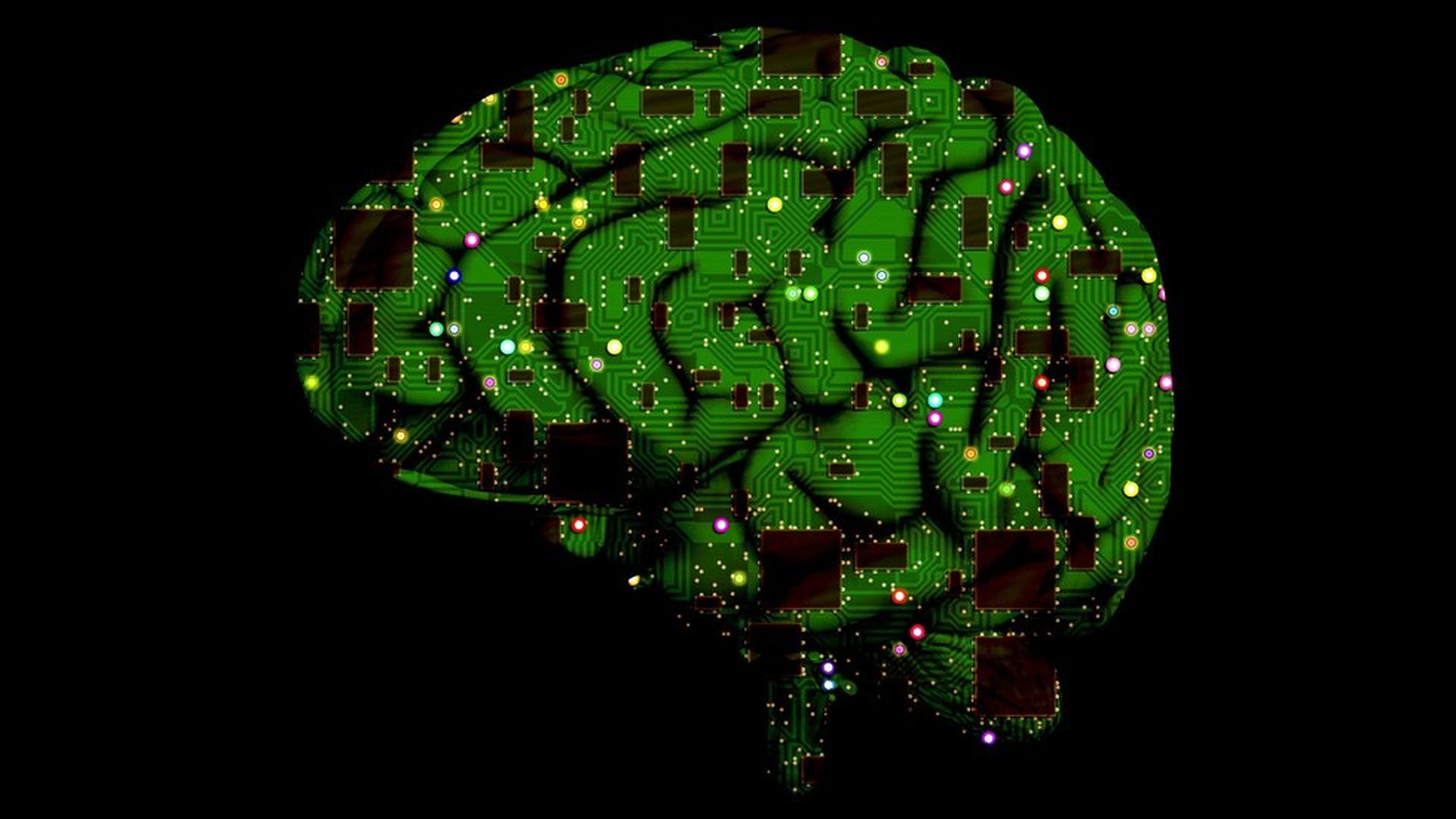
The battle behind making machines more human-like
Leading artificial intelligence researchers are debating whether machines — once they achieve super-human smarts — should be expected to explain themselves in robust discussion, or if spitting out an exceptional, if mysterious, answer is good enough.
The debate is part of the raging global discussion over a perceived challenge posed by machine intelligence to jobs, the human role in society, geopolitical power — to us.
Battle lines: Peter Norvig, head of research at AI powerhouse Google, has attracted attention with a June 22 speech in Sydney arguing that future intelligent computers shouldn't be expected to explain why they think what they think, since, after all, humans themselves don't do a very good job at explaining the true reasons for their decisions. Others argue that neural networks are simply a different way of thinking, and that even if we should be able to plumb the machine mind, there is no way for us to get at it.

Being Trump: the moment before he sent his sexist tweet
At 8:50 a.m. yesterday, the President of the United States confronted a day of tense and definitional decisions. His health-care plan faced life-or-death negotiations with nervous Republicans.
- Within hours, he'd host his first meeting with the leader of a nation at urgent risk of decimation by North Korea, which is flirting with nuclear war. He was about to give a speech designed as the centerpiece of a week dedicated to national energy policy. The trade war we just mentioned was brewing.
- But as the president watched TV, one topic consumed his mind and mood: two talk-show hosts who had insulted his psychological stability. Their average audience is just over 1 million — .3% of the nation's population.
- He banged out those infamous 53 words.