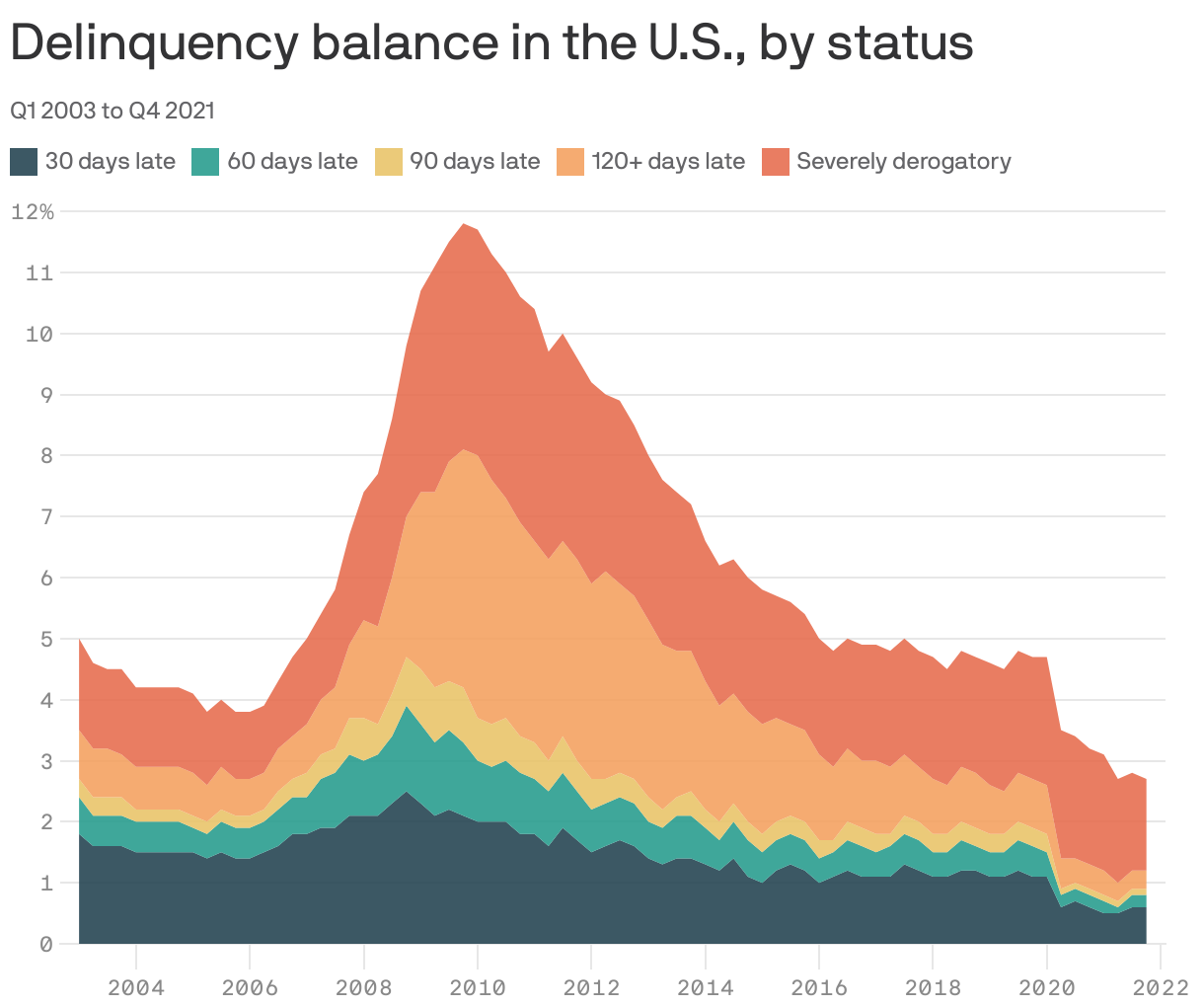
Data: New York Fed Consumer Credit Panel/Equifax; Note: Severely derogatory means any of the previous states combined with reports of a repossession, charge off to bad debt or foreclosure; Chart: Baidi Wang/Axios
High demand for high-ticket items that grew even costlier with inflation drove up U.S. household debt by $1 trillion last year. At the same time, debt management held steady.
Why it matters: The pandemic's lockdowns and government aid provided consumers a chance to pay down more of what they borrowed, and to even bolster their savings.
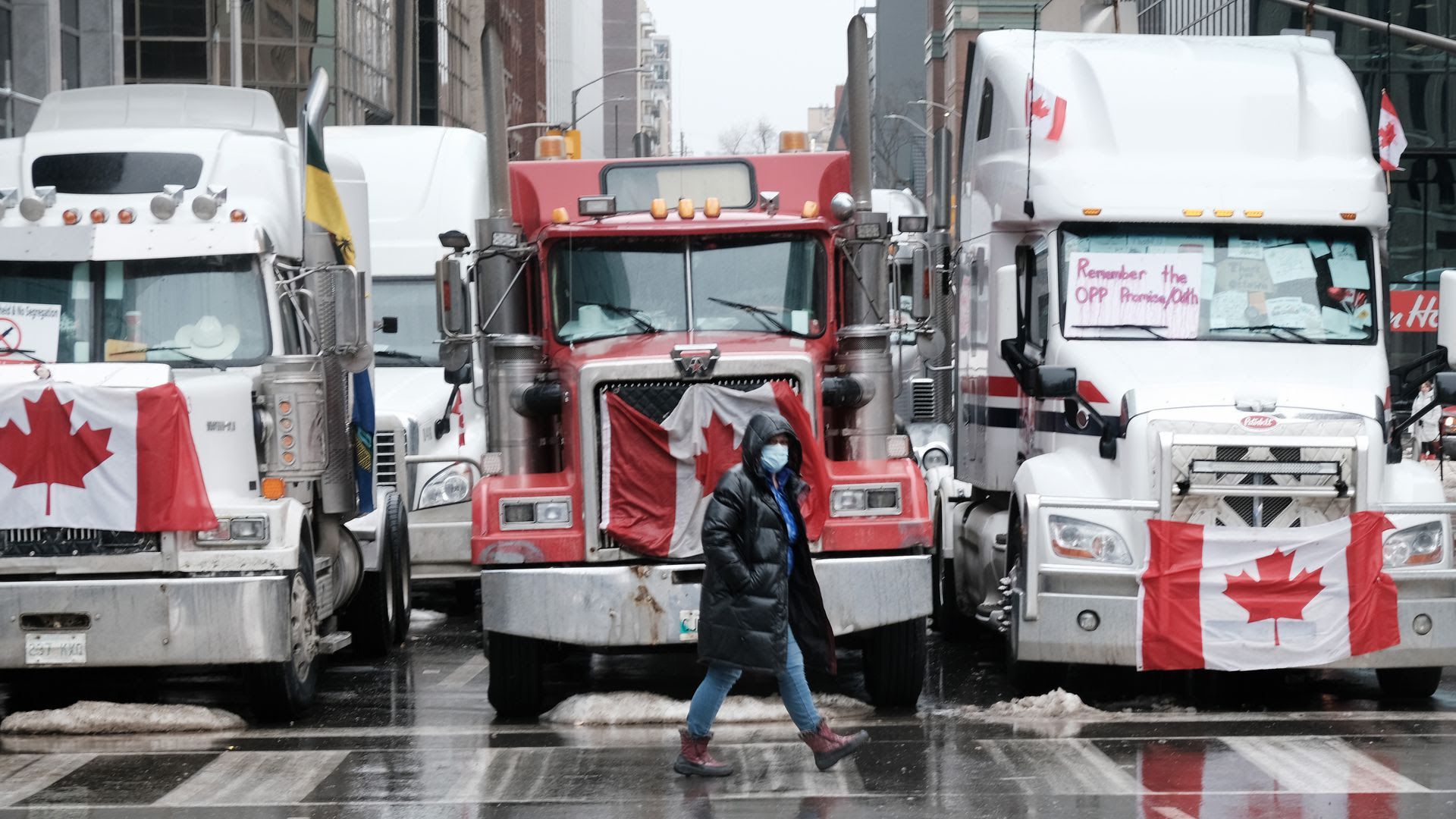
"Freedom Convoy" protests are hurting workers in the auto sector.
Why it matters: Demonstrations have blocked the flow of commerce on one of the most important corridors between the U.S. and Canada, leading factories to shut down due to supply shortages.
Why it matters: CEO Elon Musk's electric vehicle maker generated a legion of liberal fans ages ago for its full-throated contribution to the fight against climate change.
Congress passed landmark workplace legislation on Thursday, prohibiting companies from forcing certain kinds of employee lawsuits into arbitration, or private courtrooms outside public view.
The big picture: Don't expect companies to abandon this practice — widely criticized for favoring employers, and for depriving workers and consumers of their right to a jury trial. The bill, which President Biden is expected to sign, leaves a lot out.
Zendesk said it rejected an unsolicited $16 billion takeover offer from a private equity consortium, which the WSJ reports included Hellman & Friedman, Permira and Advent International.
Why it matters: This comes against the backdrop of Zendesk's continuing efforts to buy SurveyMonkey parent Momentive (Nasdaq: MNTV) over the objection of shareholders like Jana Partners, which is expected to launch a proxy fight. Shareholders of both companies are scheduled to vote on the merger two weeks from today.
The SEC earlier this week proposed new rules for private equity funds. Now the industry is weighing in.
The big picture: There are some big disagreements between fund managers and their investors. GPs and LPs talk ad nauseum about aligned interests, but that doesn't seem to apply in this situation.
Shoplifting has gotten so bad nationally that chains like Rite Aid are closing hard-hit stores, sending terrified employees home in Ubers and locking up aisles of seemingly mundane items like deodorant and toothpaste.
Why it matters: Retailers are already reeling from the pandemic, supply chain woes and the labor shortage. Now they're combating systematic looting by organized crime gangs — which are growing more aggressive and violent.
What began as a small-but-loud truck convoy protest against Canadian pandemic restrictions has snowballed into an international crisis that's been choking the busiest border crossing in North America all week.
Driving the news: Copycat convoys are arising in other countries, including the United States, where officials warned of a potential disruption to Sunday's Super Bowl in Los Angeles.
The bond market went nuts Thursday, sending interest rates surging. But the market looks to have gotten ahead of itself.
Why it matters: The extraordinary run-up in rates makes sense if you believe the Federal Reserve is going to react to the somewhat-higher-than-expected January inflation figures with a sense of panic. But that's not the pattern the central bank's leaders, and particularly chair Jerome Powell, have displayed throughout the last year — so the shift in expectations looks to be overblown.
By investing $200 million in Forbes, Binance — the world's largest cryptocurrency exchange — is allowing Forbes' majority Chinese investor to pull a lot of its money before it's expected to go public via a special purpose acquisition company (SPAC).
Why it matters: In a typical SPAC merger, the principal investors of the firm being taken public don't extract their cash at this stage while simultaneously asking institutional investors to back the new entity.
Taking money out now sends a signal from the majority investor, Chinese investment firm Integrated Whale Media (IWM), that it doesn't have confidence in the company.
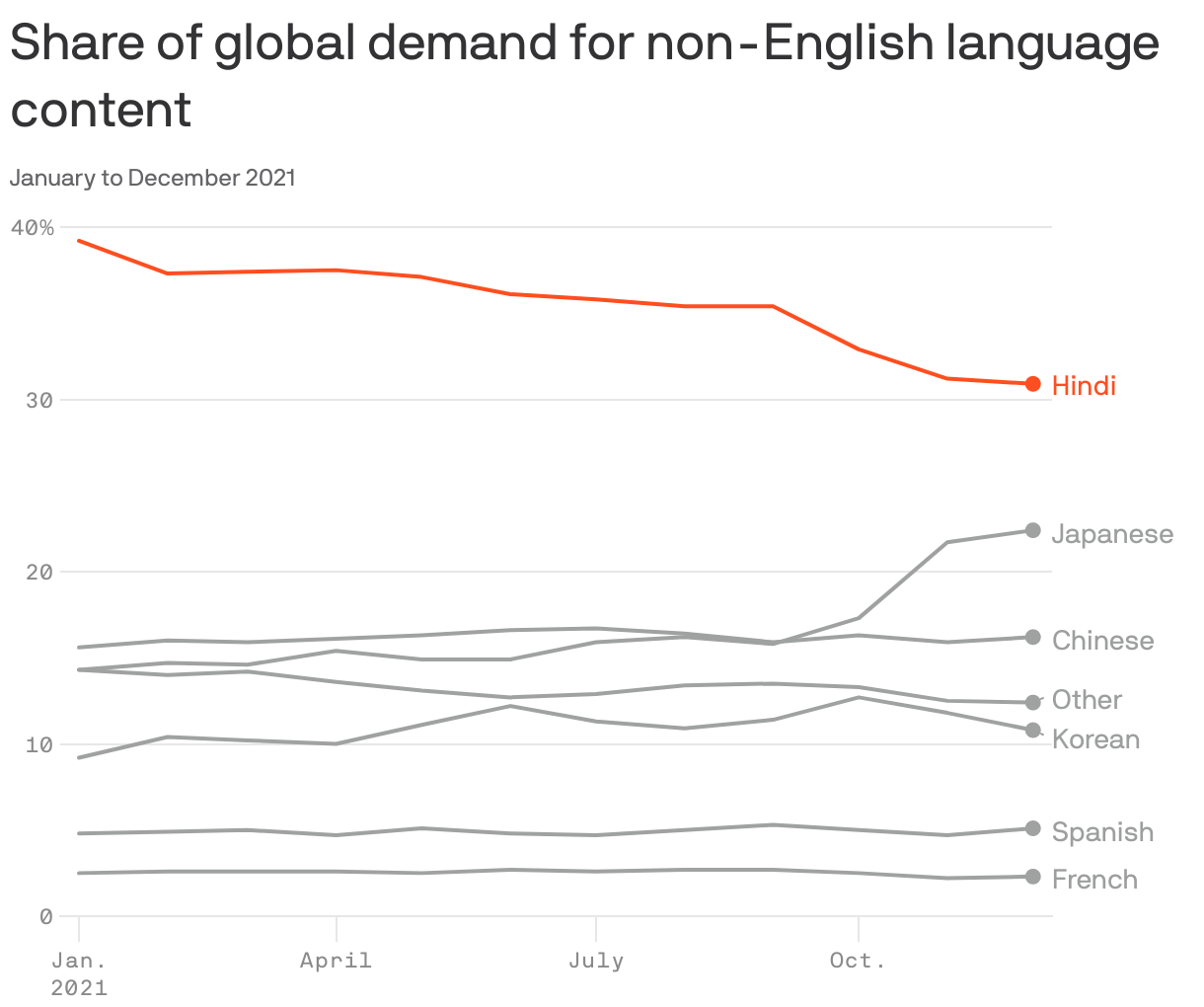
Facing saturation in the U.S., media giants are looking abroad for growth, and India — the second-largest internet population globally — is ripe for disruption.
Why it matters: When it comes to monetizing attention, "India has immense room to grow," said Ravi Agrawal, editor-in-chief of Foreign Policy and author of "India Connected: How the Smartphone Is Transforming the World's Largest Democracy."
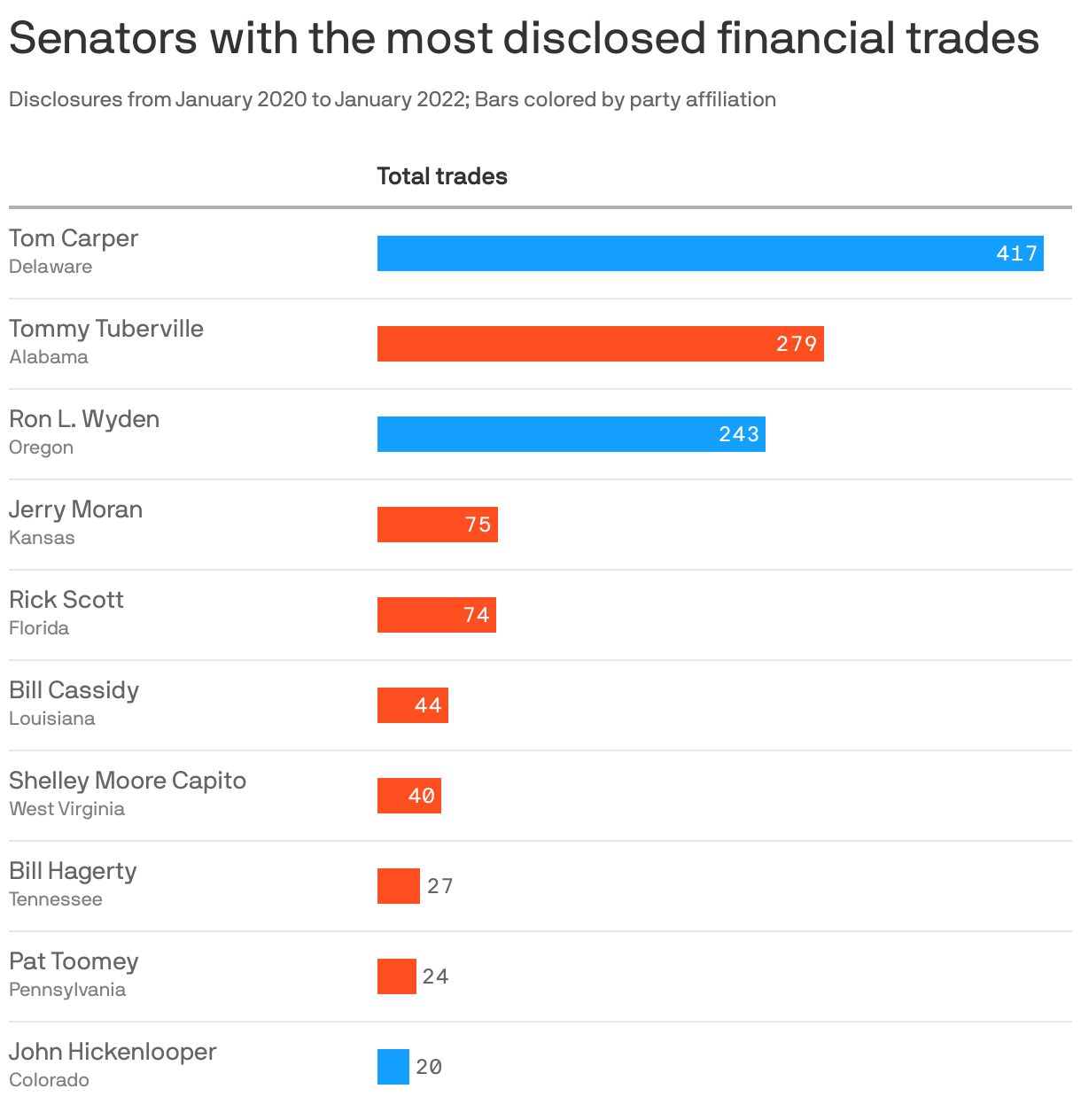
Note: Trades do not include non-public stocks or exchanges. Excludes senators no longer in Congress Data: Senate Stock Watcher; Table: Thomas Oide/Axios
Sen. Tom Carper (D-Del.) disclosed 417 stock purchases and sales since January 2020 — more than any other current senator, according to an Axios analysis of data from the Senate Stock Watcher.
Why it matters: Rare bipartisan support is building around efforts to ban lawmakers from owning and trading individual stocks — as well as their spouses or immediate family members, in some cases.