The coach passenger is king — perhaps for the first time ever — as airlines scramble for a larger share of the booming leisure travel market.
What's happening: As the pandemic wanes, major carriers that traditionally make most of their money off premium business travel have shifted their attention to wooing vacationers.
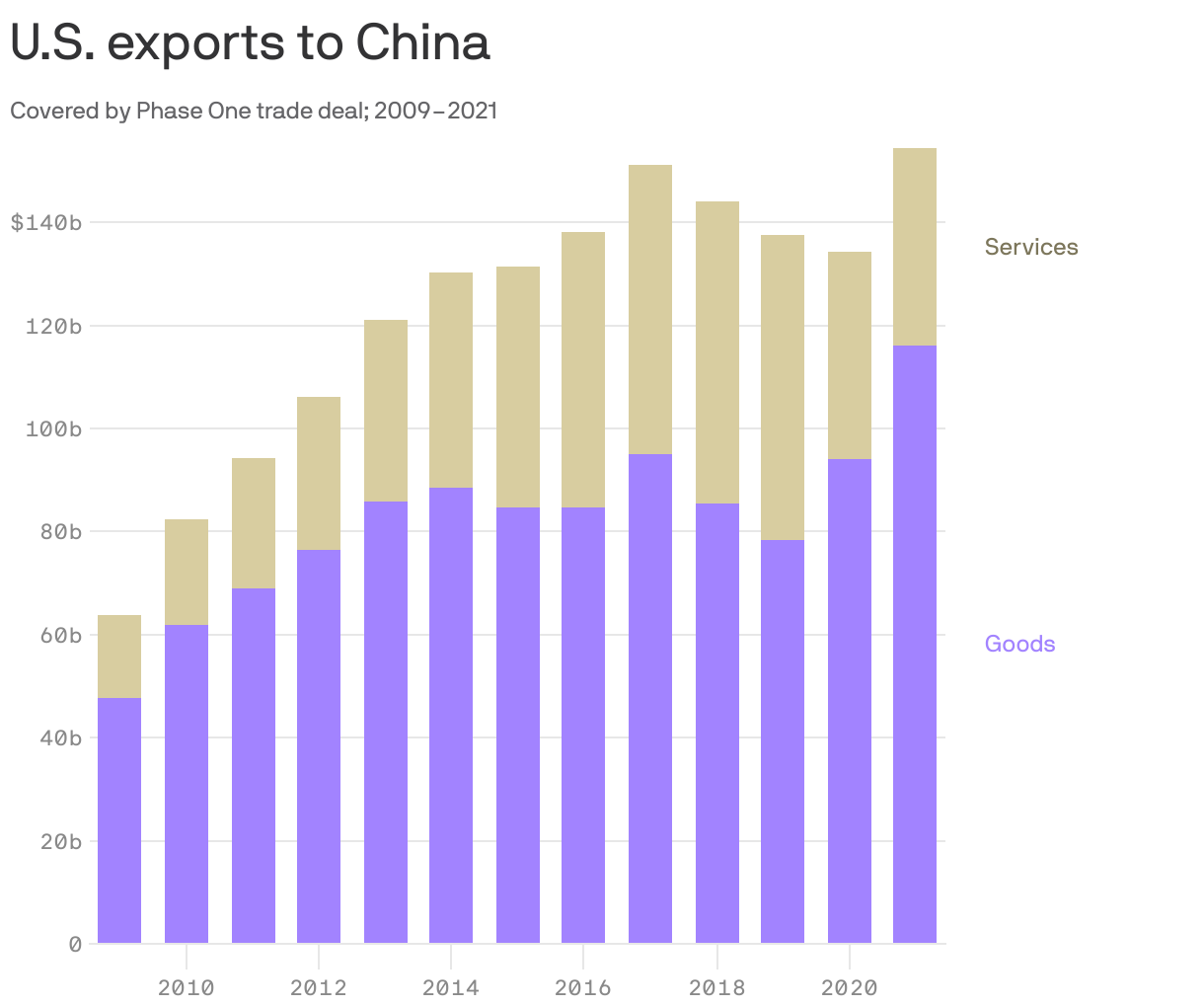
Credit: Axios Visuals. Source: Peterson Institute for International Economics
It was only two years ago that former President Trump struck a mega trade deal with China, containing commitments by the Chinese to purchase vast sums of American exports. So how's it going?
The big picture: U.S. exports to China have only been 57% of what was pledged as part of the deal, below levels before the trade war even began, according to calculations by Chad Bown of the Peterson Institute for International Economics.
As the pandemic has coaxed older people to get more nimble with technology— even trolling TikTok to check out their grandkids' posts — tech companies are increasingly catering to their needs.
Why it matters: For seniors, learning to shop online, enjoy social media and use VR headsets can beat back isolation and loneliness — particularly during COVID-19. And to marketers, wealthy retirees look like an attractive sales niche, so they're tailoring products and services accordingly.
Why it matters: The real-world effect of inflation is being felt by millions of Americans in vital areas like fuel, electricity and grocery bills, threatening to undermine consumer spending on discretionary goods.
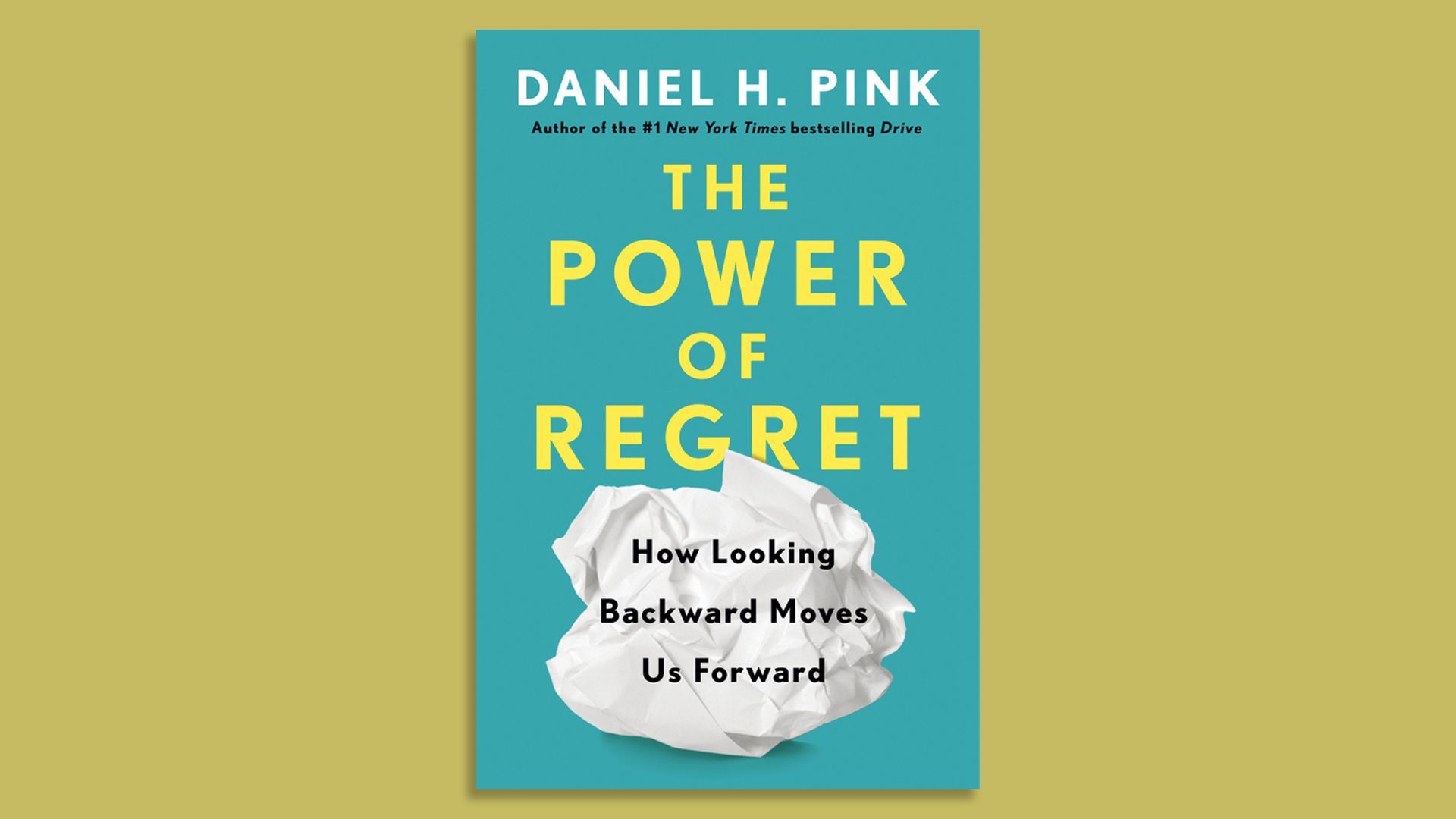
When it comes to financial decisions, it's easy to have regrets. How many people wish they hadn't sold their Amazon stock in the dot-com crash, for example, or coulda-shoulda-woulda bought bitcoin in 2013?
Yes, but: That isn't the type financial regret that is most common, Daniel H. Pink, author of a new book on regret, tells Axios.
Hollywood A-listers are taking over this year's Super Bowl spots, an ode to the Super Bowl's triumphant return to Los Angeles this year.
Why it matters: It's a delightful departure from last year's ad slate, which featured somber messages from everyday people coming together during the pandemic.
Goldman Sachs, JPMorgan Chase and Morgan Stanley are no longer requiring employees to wear masks in U.S. offices, Reuters reported Friday.
Why it matters: The move is part of a larger trend across the U.S. as the number of COVID cases continues to fall. A host of blue states have lifted mask requirements this past week.