Friday's economy & business stories


Biden announces plan to raise federal employees' pay
President Biden on Friday announced plans to give all federal employees 2.7% pay increase.
What they're saying: "Specifically, I have determined that for 2022, the across-the-board base pay increase will be 2.2 percent and locality pay increases will average 0.5 percent, resulting in an overall average increase of 2.7 percent for civilian Federal employees, consistent with the assumption in my 2022 Budget," Biden said in a letter to Congress.

U.S. blocks Chinese solar panel imports over forced labor concerns
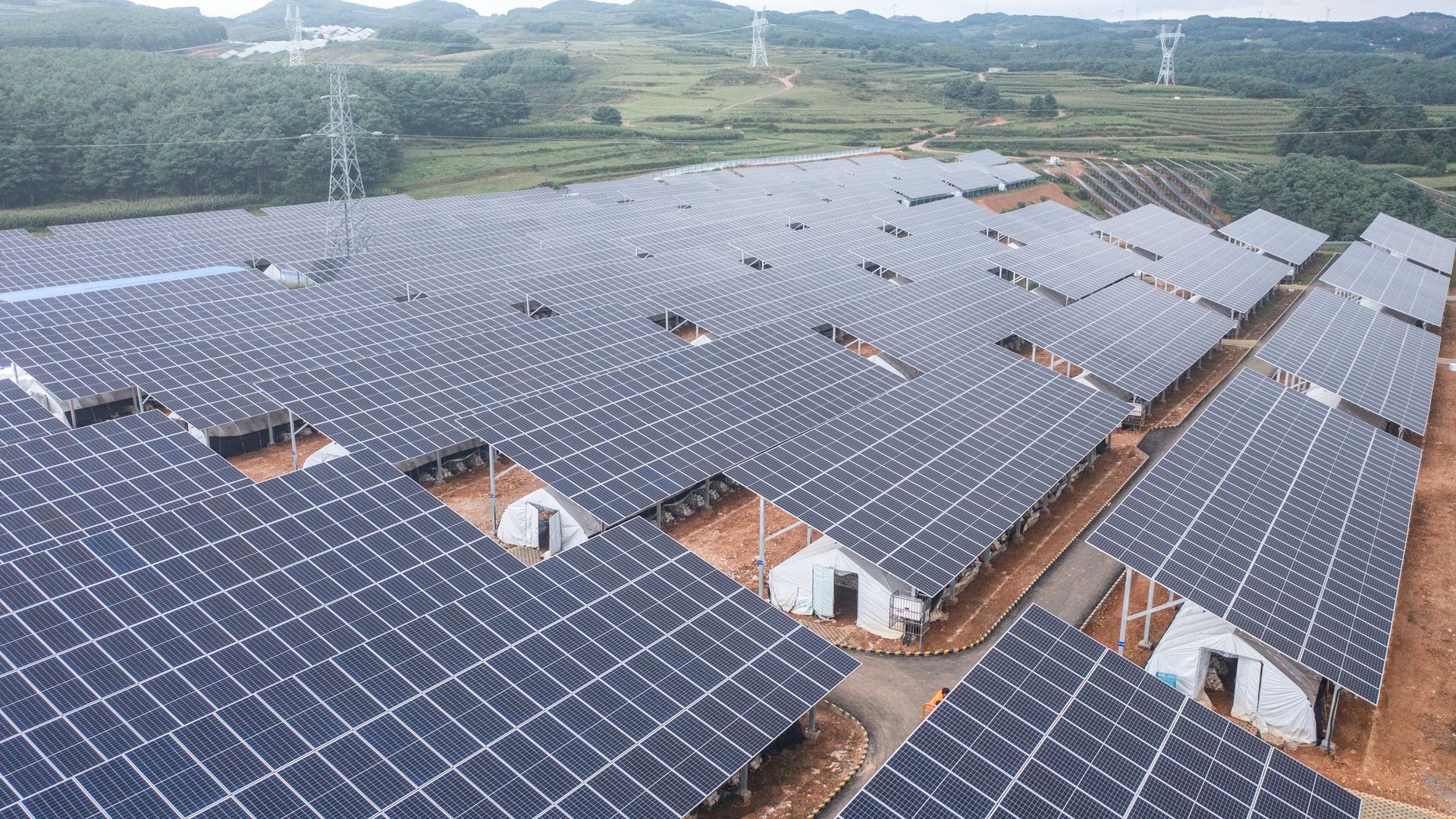
U.S. Customs and Border Protection started detaining solar panel imports from Chinese companies that allegedly source products from Xinjiang forced labor, Washington Post reports.
Why it matters: China is the supply chain leader for solar energy equipment, but concerns over human rights violations led the Biden administration to order a ban in June.

DHS, DOJ subpoena Peloton over treadmill injuries
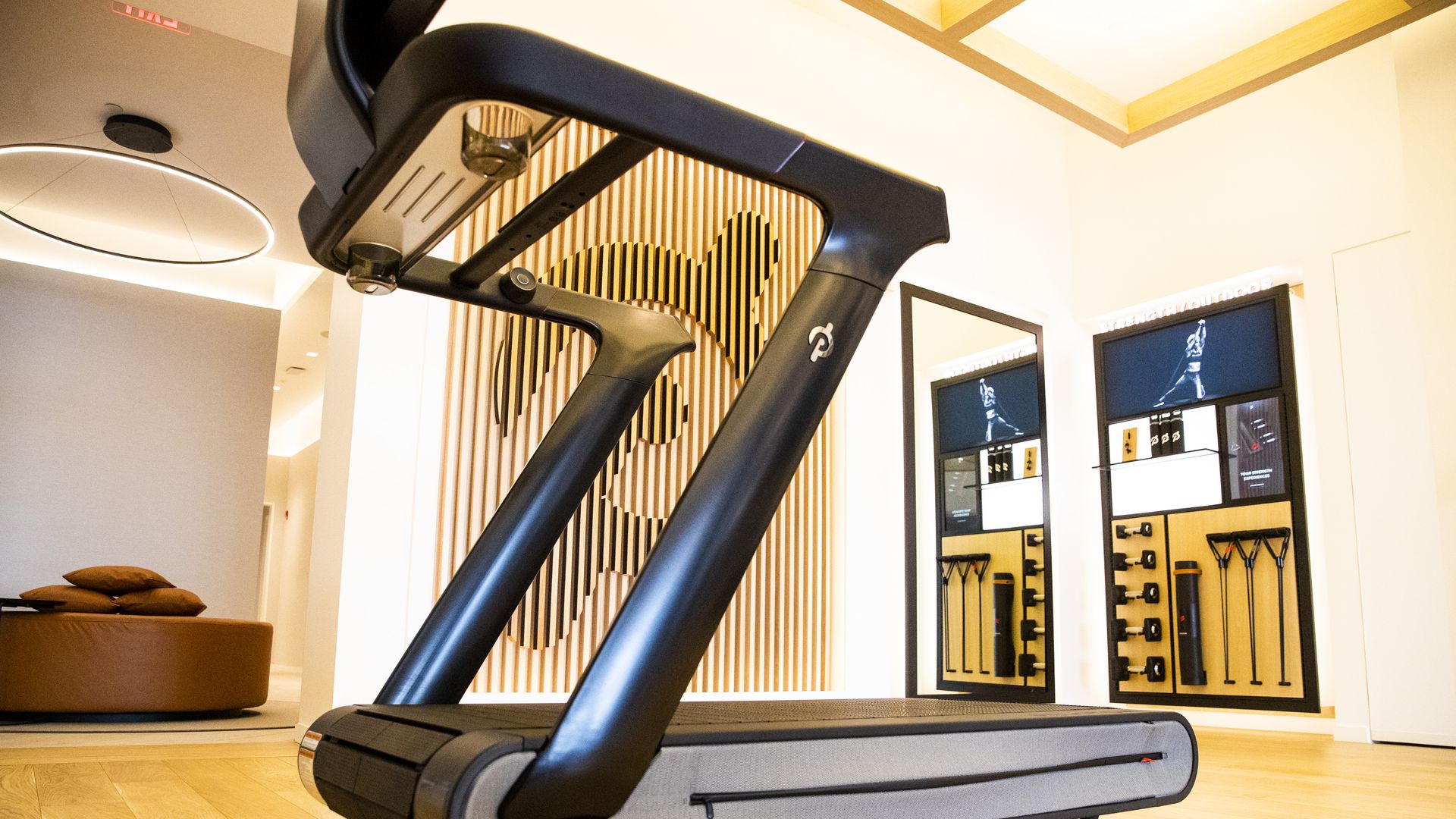
The Department of Justice and the Department of Homeland Security have subpoenaed Peloton for information on its reporting of injuries sustained while using their products, the company said in an SEC filing on Friday.
Why it matters: The subpoenas put more pressure on the fitness company as it faces slowing momentum, per Axios' Courtenay Brown.

Fed chair says economic support could be dialed back this year
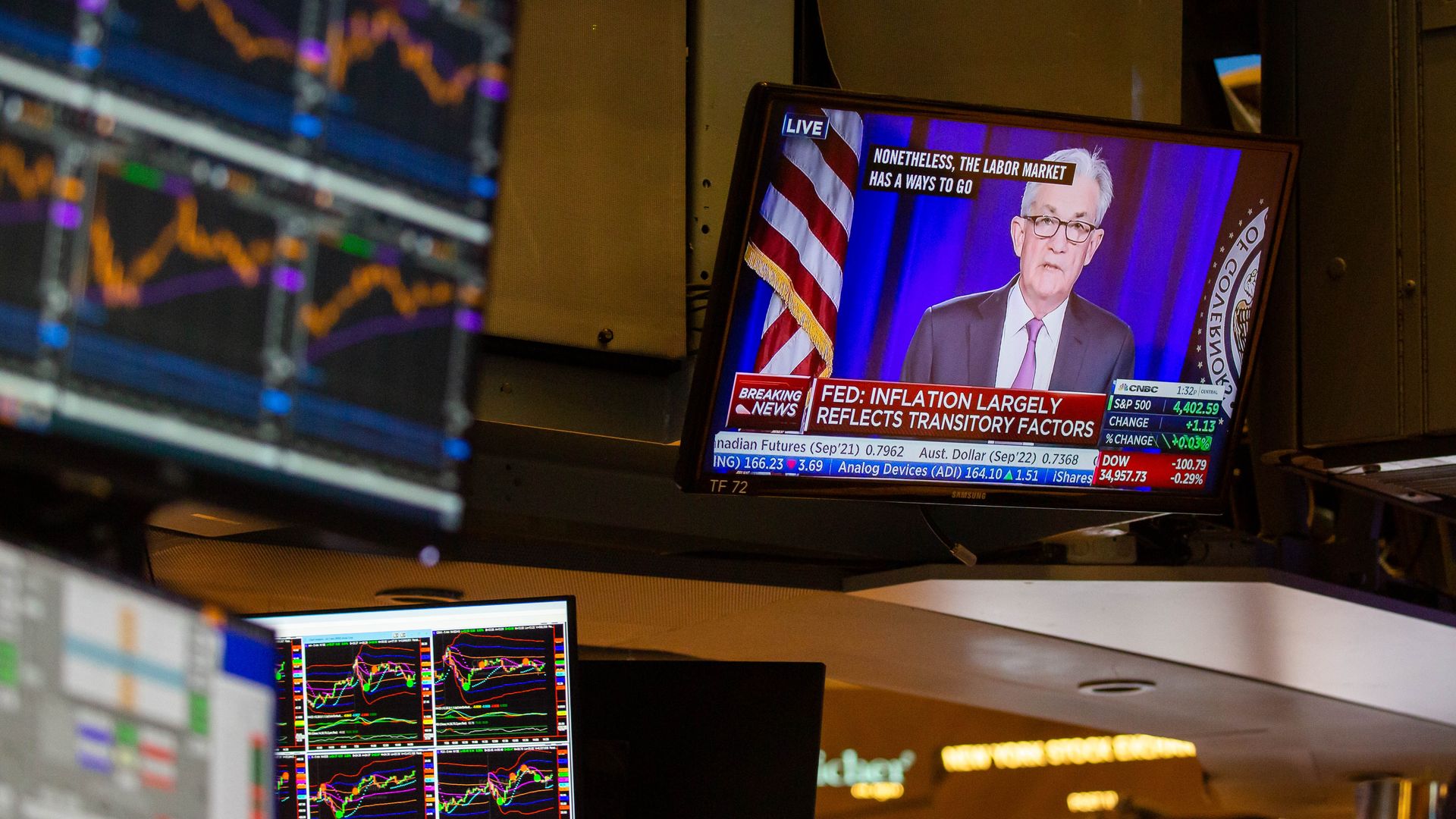
Federal Reserve chairman Jerome Powell gave the strongest signal yet that some pandemic-era support that's bolstered the economy and stock market might go away this year. But he stopped short of a firm commitment and timeline.
Why it matters: In a closely-watched speech, Powell was upbeat on the recovery — though he warned about the Delta variant and "harmful effects" of winding down support too soon.

"Just a mess": A CEO's effort to get an employee out of Afghanistan
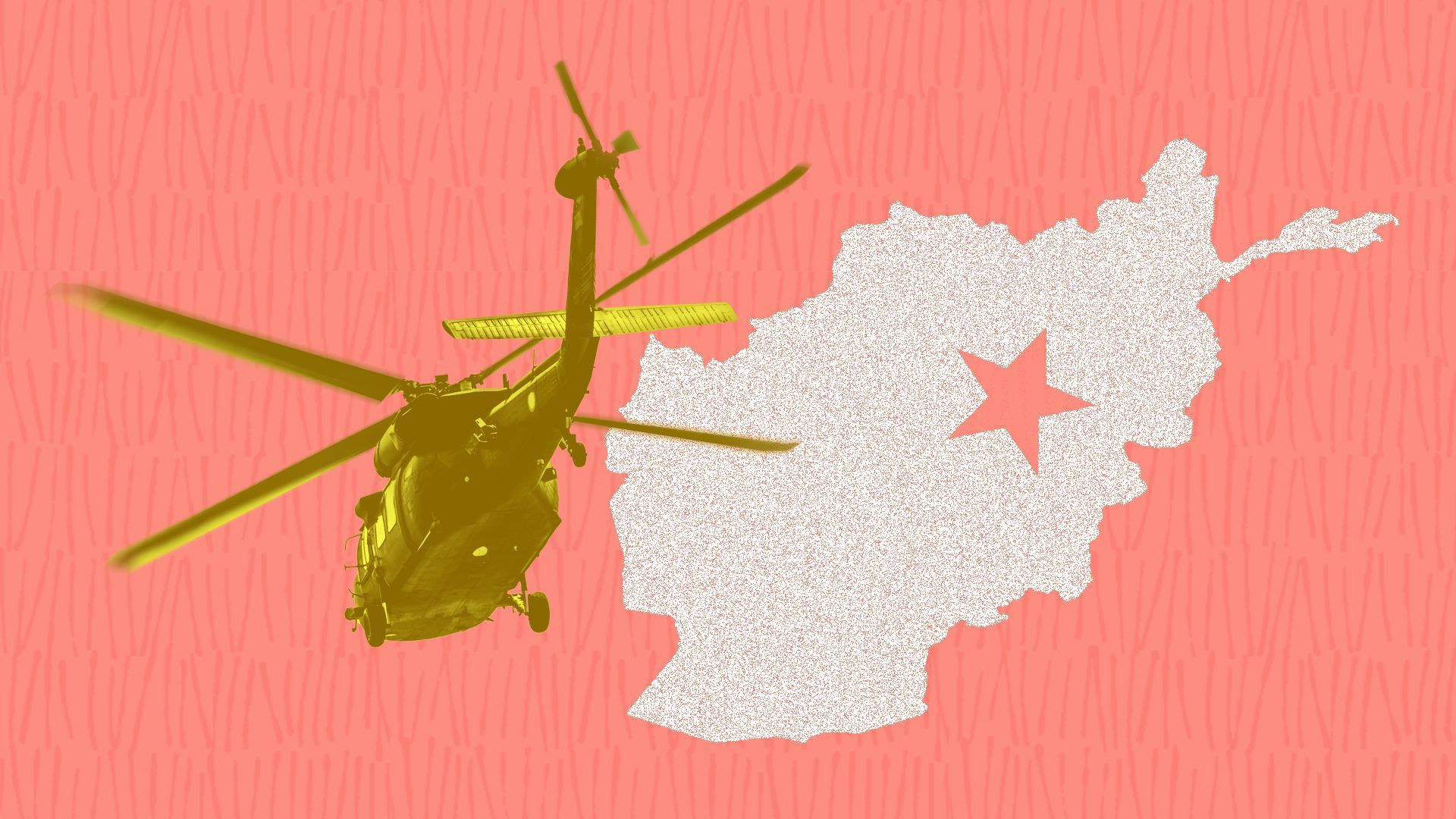
"It's just a mess. We got the money and the planes, but the manifested people can't get into the airport. The flights may never fly."
That's how the CEO of a Silicon Valley startup valued at over $3 billion described his efforts to extract an employee and others from Afghanistan.

Firemaps secures $5.5 million to save homes from wildfires
Firemaps, a San Francisco-based startup that uses satellites and drones to defend homes from wildfires, raised $5.5 million in seed funding led by Andreessen Horowitz.
Why it matters: The world is burning more regularly and with more intensity. As of today, 88 large fires are burning just within the U.S., covering 2.4 million acres, per the National Interagency Fire Center, with nearly 27,000 wildland firefighters and support personnel assigned to incidents. In California, nine of the 10 largest fires on record have occurred since 2010.
The stock market is not the economy
Economists have recently been paring back expectations for U.S. economic growth, even as financial market forecasters ramped up their expectations for U.S. stock prices.
Why it matters: The divergence in these two measures implies an uneven economic recovery as the stock market tends to slant toward financially powerful large corporations.
Report: Small manufacturers are the most optimistic
More small businesses in the manufacturing sector expect to see higher sales next quarter, relative to operators in other industries.
Driving the news: A National Federation of Independent Business quarterly report released Thursday shows that a net positive 9% of small manufacturers said in July that they expected sales growth in the next 3 months.

The drone delivery capital of the world
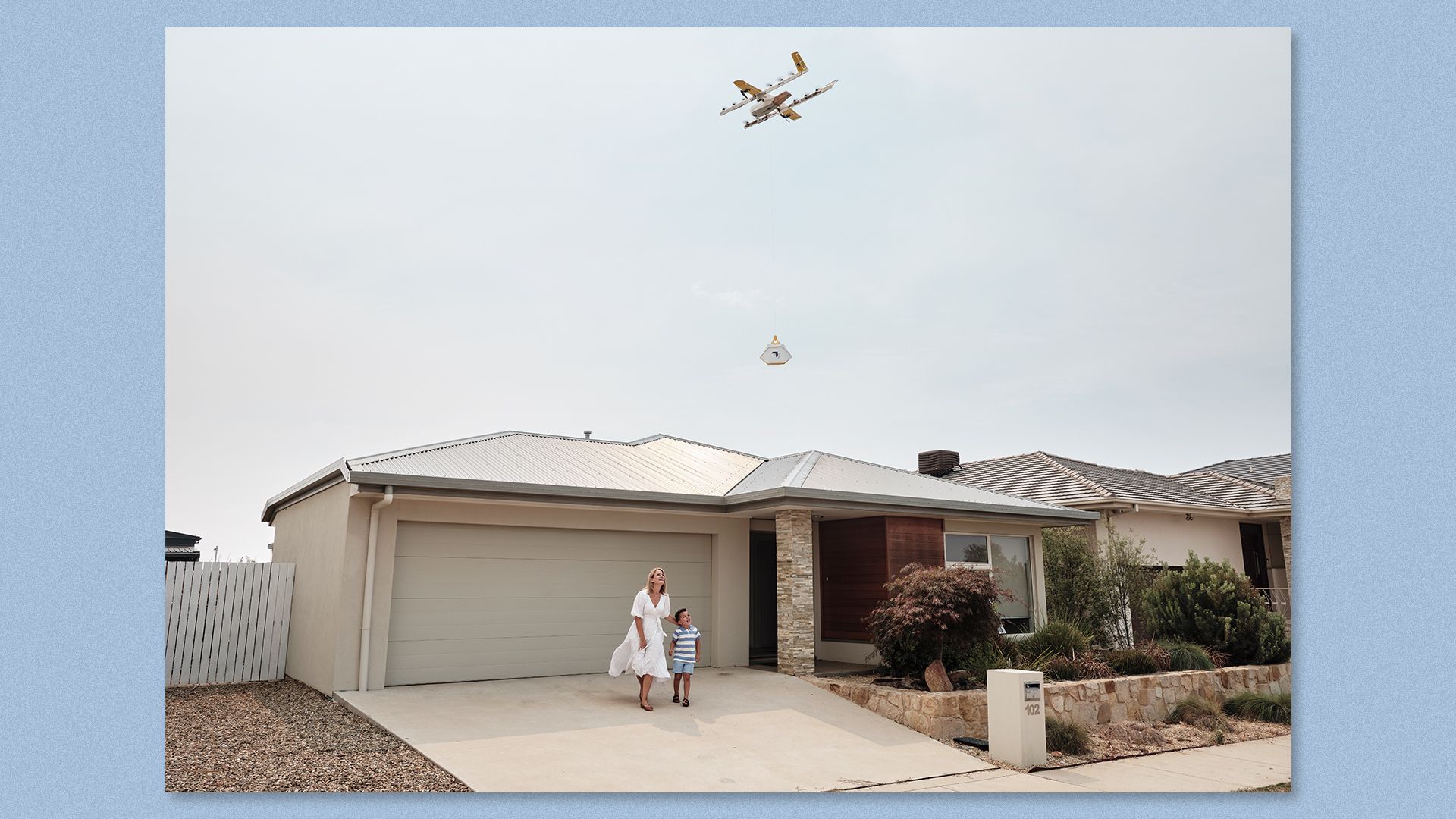
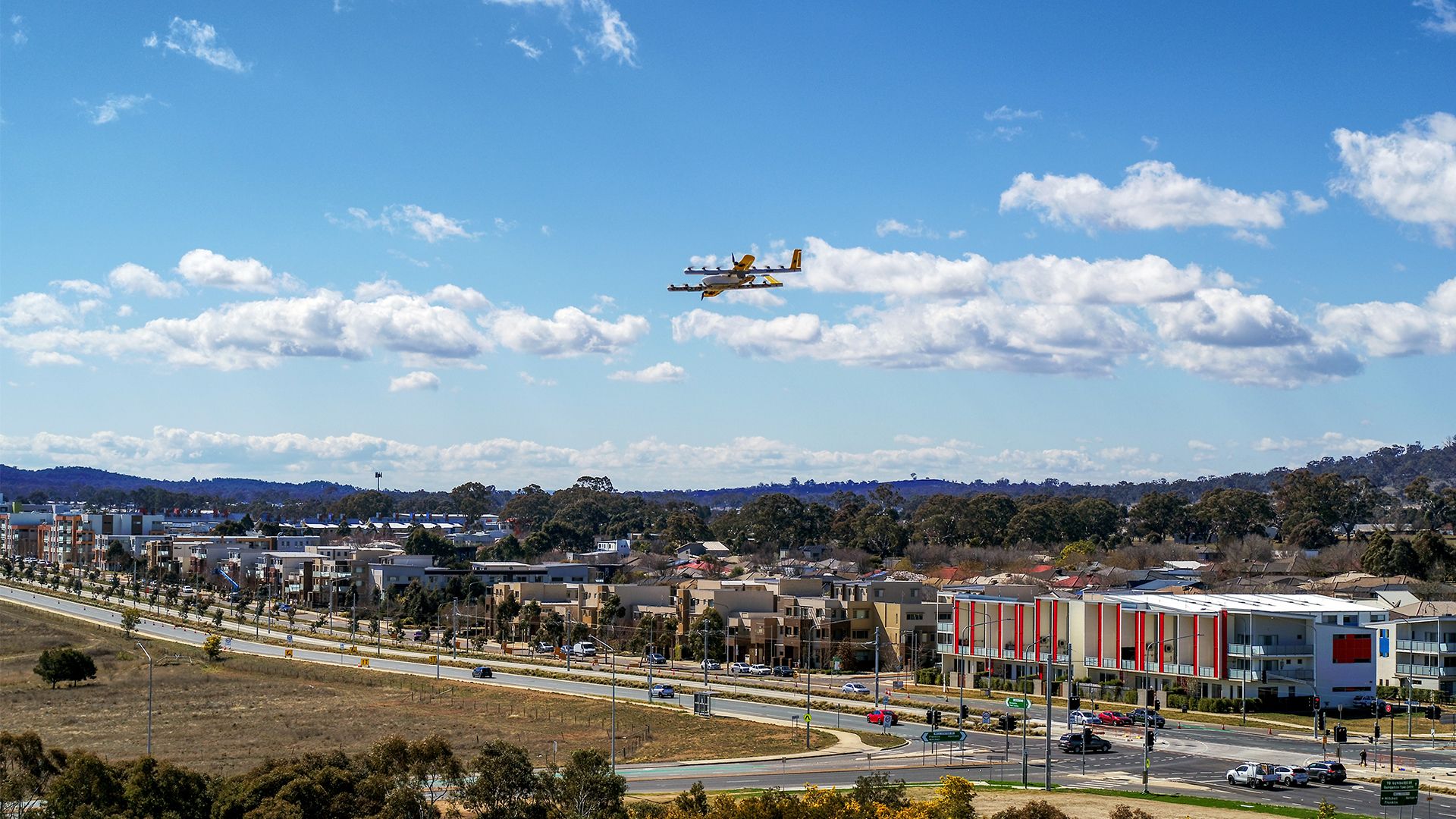
Drone delivery still seems exotic to most of us, but people in Logan, Australia, near Brisbane, routinely get food and other items delivered from the sky.
Why it matters: On-demand delivery is growing alongside an explosion in e-commerce, fueled by changes in consumer behavior during the pandemic. With roadways ever more congested, airborne delivery could sometimes be a faster option.
What's happening: This weekend, Google's drone delivery service, Wing, expects to hit 100,000 deliveries in Logan, two years after starting operations there.
- More than 50,000 deliveries were made in the past eight months, including a record 4,500 in the first week of August.
- That includes more than 10,000 cups of coffee, 2,700 sushi rolls, 1,000 loaves of bread and 1,200 hot chooks (Australian slang for rotisserie chickens).
- Wing started in two Logan neighborhoods and now serves 19 suburbs with a combined population of more than 110,000 people.
Of note: The Google delivery milestone comes a few weeks after Wired reported that Amazon's drone delivery program in the U.K. was "collapsing."
State of play: There are various commercial drone trials in the U.S., but the Federal Aviation Administration is still writing safety and navigational rules.
- For now, drones can't fly beyond the line of sight of the operator, which limits any kind of regular delivery service.
- Wing has an FAA waiver to test drone deliveries in a portion of Christiansburg, Virginia.
- It is also offering drone delivery in Canberra, Australia, and parts of Helsinki, Finland.
- Silicon Valley-based Zipline delivers medical supplies via drone in Rwanda and Ghana. It will begin a delivery trial with Walmart later this year in Bentonville, Arkansas.
How it works: Wing's operation in Logan is a live, automated, on-demand service.
- Customers use the Wing app to place orders from one of 11 participating vendors operating out of one of Wing's "nests," or operation centers.
- Available items include coffee, food, hardware, clothing, pet supplies and beauty products — up to 3 pounds.
- The vendor secures the order inside the package and attaches the box with a clip to the underside of the drone, which itself weighs just 10 pounds.
- Wing's software chooses the optimal route to the destination, which can be as small as a picnic-table-sized clearing in someone's backyard, driveway or a nearby park.
When the drone arrives, it descends and hovers while the package is dropped down on a line. When it reaches the ground, the clip automatically releases the package, and the line recoils inside the drone.
- Customers never interact with the drone itself.
By the numbers: The 3-pound weight cap would seem to be a limiting factor, but Wing says 90% of last-mile deliveries weigh less than 5 pounds.
- We checked: The average rotisserie chicken — er, hot chook — is about 2 pounds, per Betty Crocker.
Be smart: Drone deliveries could be a novel service, but the real opportunity for drones is industrial. They can be used to survey and inspect buildings, pipelines and bridges, for example, keeping workers safely on the ground.
Go deeper: Fly me a pizza (or two)