The EU unveiled its proposalfor vaccine passports this week, offering the most detailed picture yet of how international travel might resume in the coming months.
Why it matters: People are desperate to travel, and tourism-reliant countries like Greece are desperate to receive them. Vaccines should provide a path out of closed borders and mandatory quarantines, but there’s no universal way to track who has actually been vaccinated.
The NFL said Thursday it reached new deals with all of the major TV networks and Amazon to distribute its content through the 2033 season.
Why it matters: Despite people cutting the cord at record rates, these deals ensure that most of the NFL's games will continue to be primarily accessed via traditional TV, helping to prop up the Pay-TV industry for at least a few more years.
A year after warning startups that the pandemic will be a "Black Swan" event that upends everything, Sequoia Capital is nudging them to prepare for an economic comeback in the second half, according to a memo sent to its portfolio on Thursday.
Why it matters: While the pandemic ground certain sectors to a halt, much of the technology realm flourished as consumers had to dramatically shift much of their lives online. And despite a short adjustment early in the pandemic, venture capital has been backing startups at record levels.
Starbucks is something of an avatar for American consumer behavior, reflecting how we spend money and time. If you want to really know when we're post-pandemic, what happens inside a Starbucks is a pretty good barometer.
Axios Re:Cap digs into Starbucks, as it approaches its 50th anniversary, with CEO Kevin Johnson. We ask him about what pandemic changes are permanent, plus its policy plans on everything from masks to employee vaccinations to remote work. Plus, his standard coffee order.
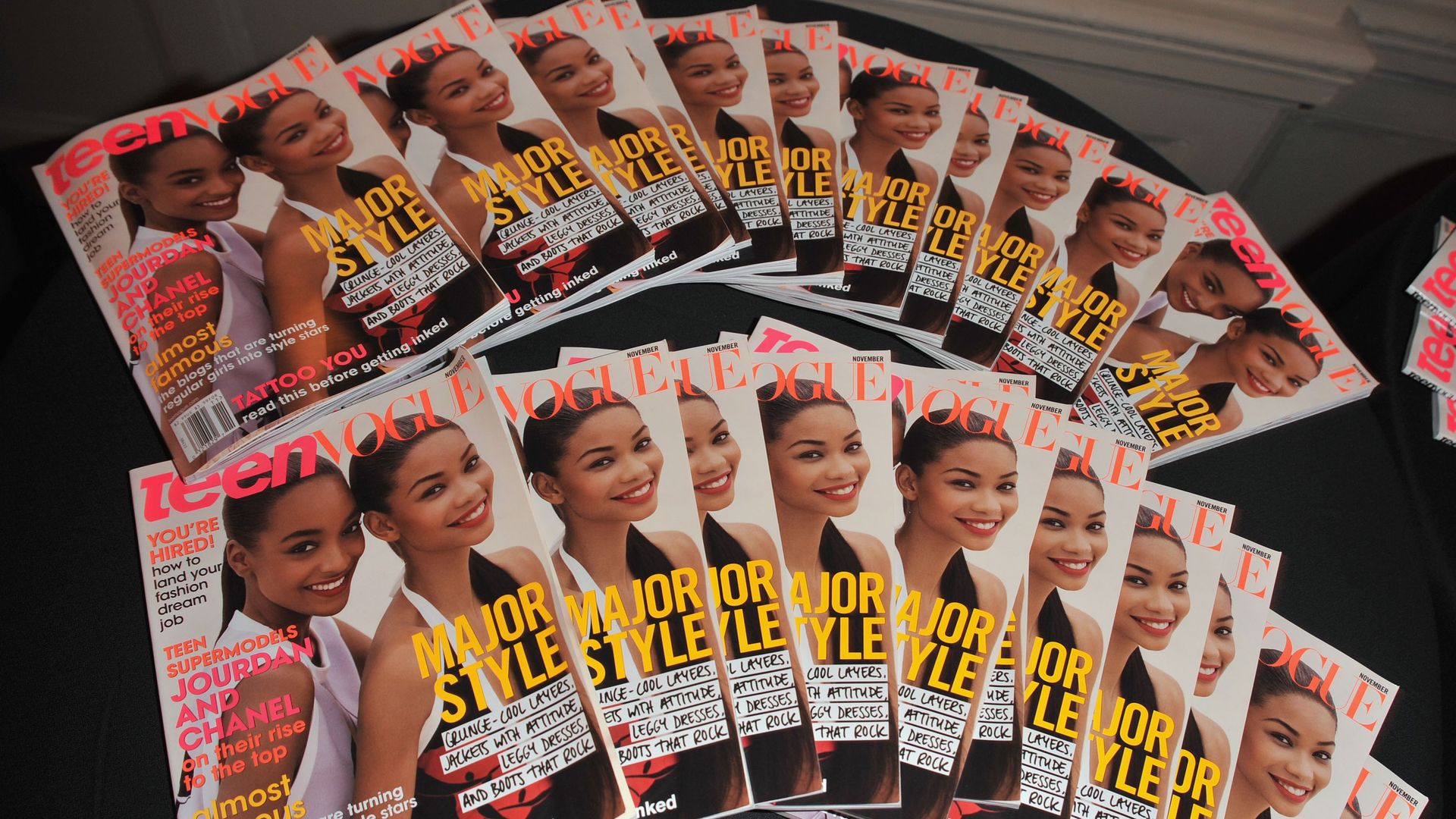
Teen Vogue incoming editor-in-chief Alexi McCammond, a former Axios reporter, has parted ways with the outlet, less than two weeks after Condé Nast chief content officer Anna Wintour announced her hire.
Why it matters: McCammond's hire was met by pushback from Teen Vogue staff members surrounding tweets she sent when she was 17 that were racist against Asians.
Coinbase is opting for a question-and-answer session on online forum Reddit lasting through Friday evening and a series of explainer videos ahead of its public debut, in lieu of a more traditional roadshow or live-streamed presentations for investors.
Why it matters: Much about Coinbase's public listing is already unusual—it'll be the Nasdaq's first major direct listing, and it will be the first U.S. cryptocurrency company to become publicly-traded. It's also a nod to the cryptocurrency industry's roots in online forums and where many of its biggest enthusiasts still convene.
The American Federation of Teachers is aiming its sights on private equity, six years after issuing a report on hedge funds that led to widespread divestitures.
Why it matters: Public teacher pension funds are major investors in private equity funds. The California State Teachers' Retirement System, for example, has over $30 billion allocated to the asset class.
Vine Energy, a Blackstone Group-backed natural gas E&P operating in Louisiana's Haynesville Basin, raised $301 million in its IPO. The company priced 21.5 million shares at $14, versus plans to offer 18.7 million shares at $16–$18.
Why it matters: Vine is the first U.S. shale producer to go public since 2017.
Proposals to forgive limited one-time sums of student loan debt that have been floated by the White House and members of Congress do little to address the heart of the $1.7 trillion problem, research from the JPMorgan Chase Institute finds.
Why it matters: Ballooning student loan debt "is a financial crisis for millions of Americans," JPMorgan Chase Institute co-president Fiona Greig said in a statement.
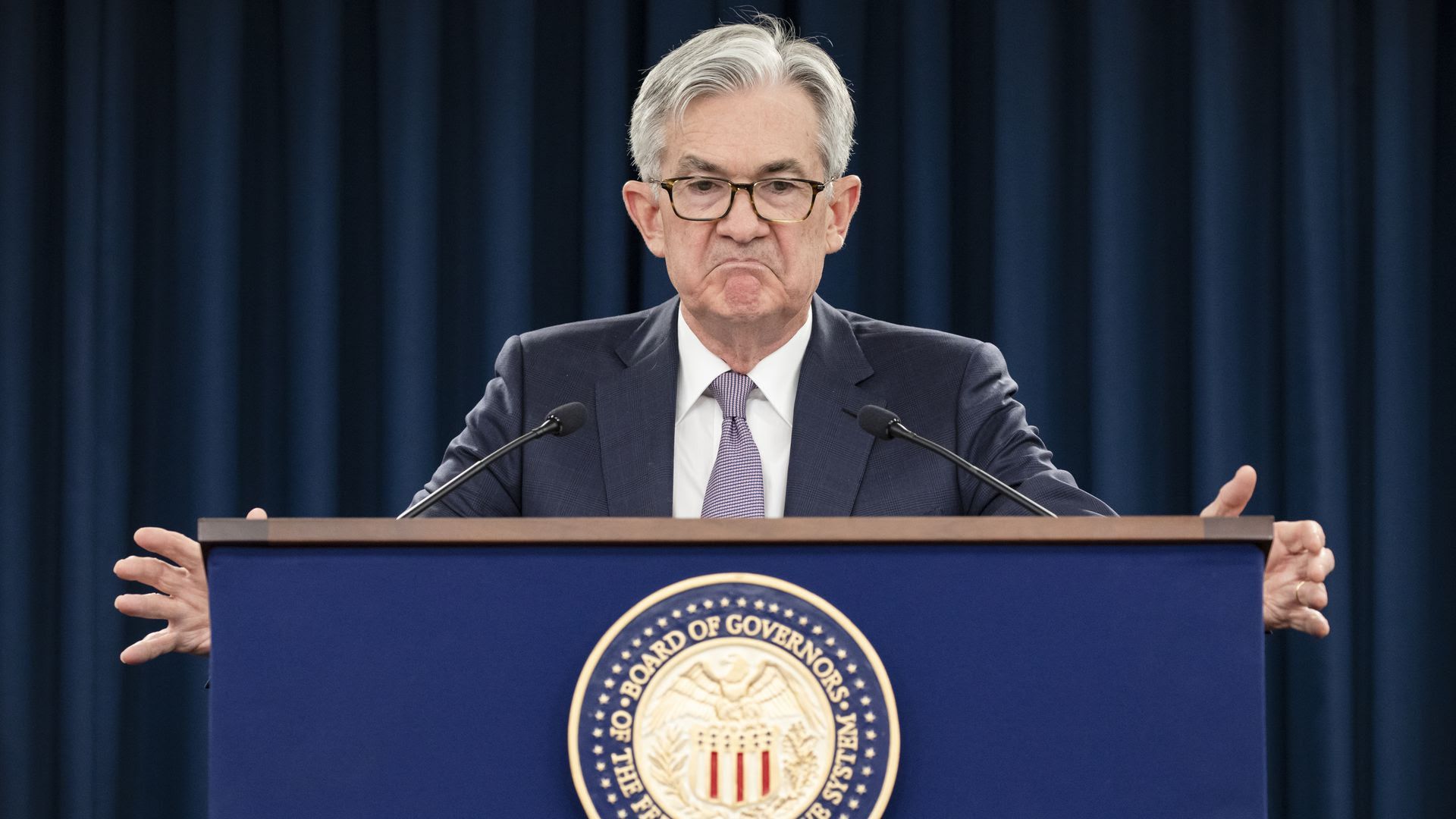
Fed chair Jerome Powell is attempting something of a high-wire circus act as the central bank pushes forward with its average inflation targeting regime.
The big picture: He's trying to simultaneously raise inflation while keeping short-term interest rates low and stimulate the economy through unprecedented and extraordinary measures while convincing Americans the economy is doing well.








/2021/03/18/1616077273239.gif?w=3840)