Systemic racism is leading to a turnover problem in corporate America: Companies have a hard time holding on to Black employees.
Why it matters: Beyond affecting individual professionals and teams, a corporate culture that causes attrition can spread rot through entire companies.
There's a new idea for a tax: a tariff on the teleworkers who have the privilege of doing their jobs from home.
The big picture: The rationale from Deutsche Bank, which proposed the tax in a research note, is that remote workers are not contributing as much as they were to the economy because they're not commuting or buying lunch by the office or grabbing that afternoon coffee.
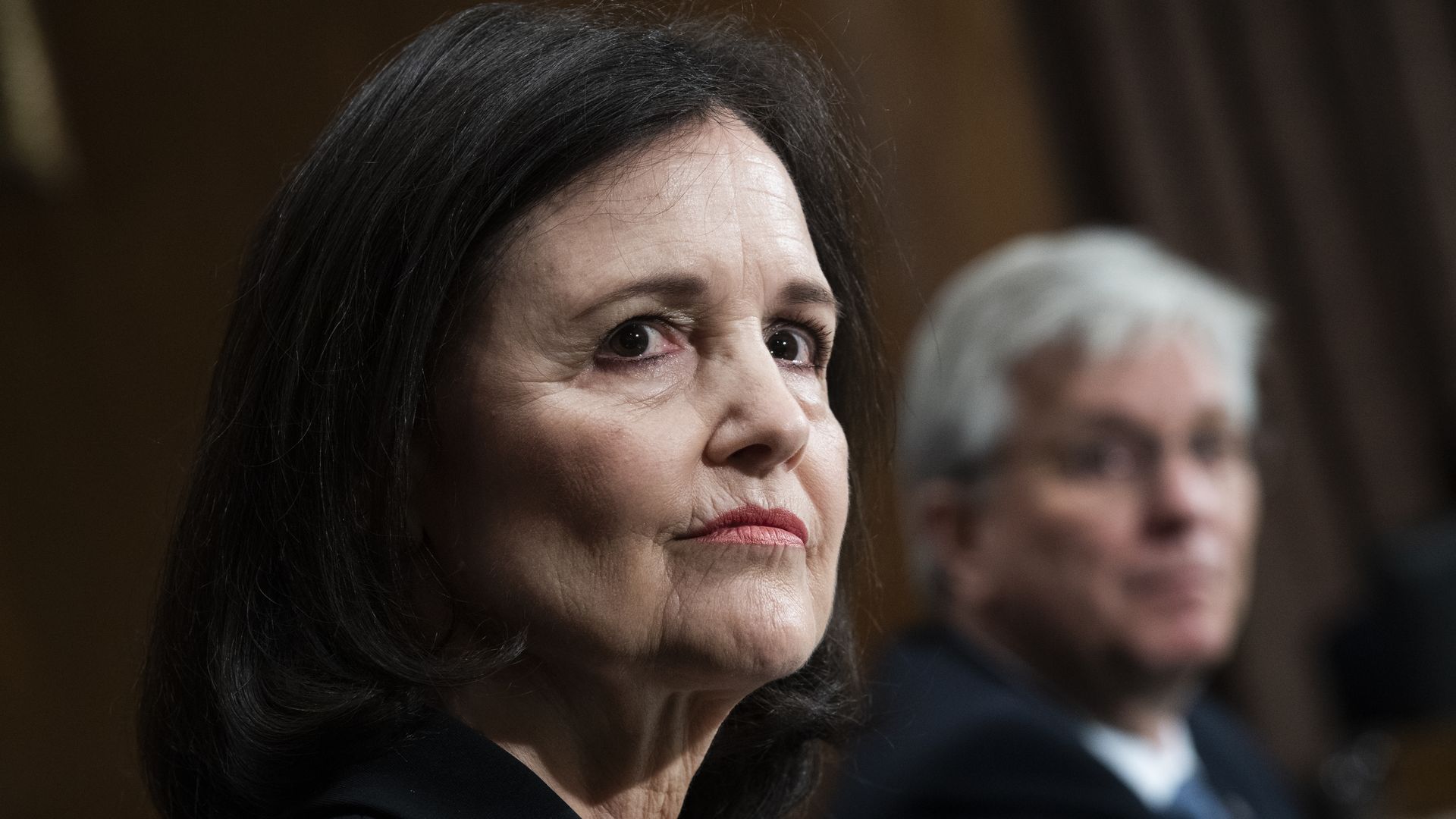
President Trump's controversial Fed pick Judy Shelton appears to be blocked from joining the central bank's board, for now — a dramatic turn of events, marred by two senators who were expected to support her, but were in quarantine for COVID-related concerns.
Why it matters: Some Republicans broke ranks and opposed Shelton, who in the past has endorsed fringe economic policies and reversed her beliefs to be more in line with those of Trump. Vice President-elect Kamala Harris cast a crucial vote against Shelton on Tuesday, with the final tally coming out to 50-47.
Airbnb filed for its IPO on Monday, and showed some glimmers of hope for a travel and hospitality industry that has been hit particularly hard by the coronavirus pandemic.
Axios Re:Cap speaks with Skift co-founder and CEO Rafat Ali about what he learned from Airbnb's IPO prospectus, lessons for hoteliers and what will be left once COVID-19 is contained.
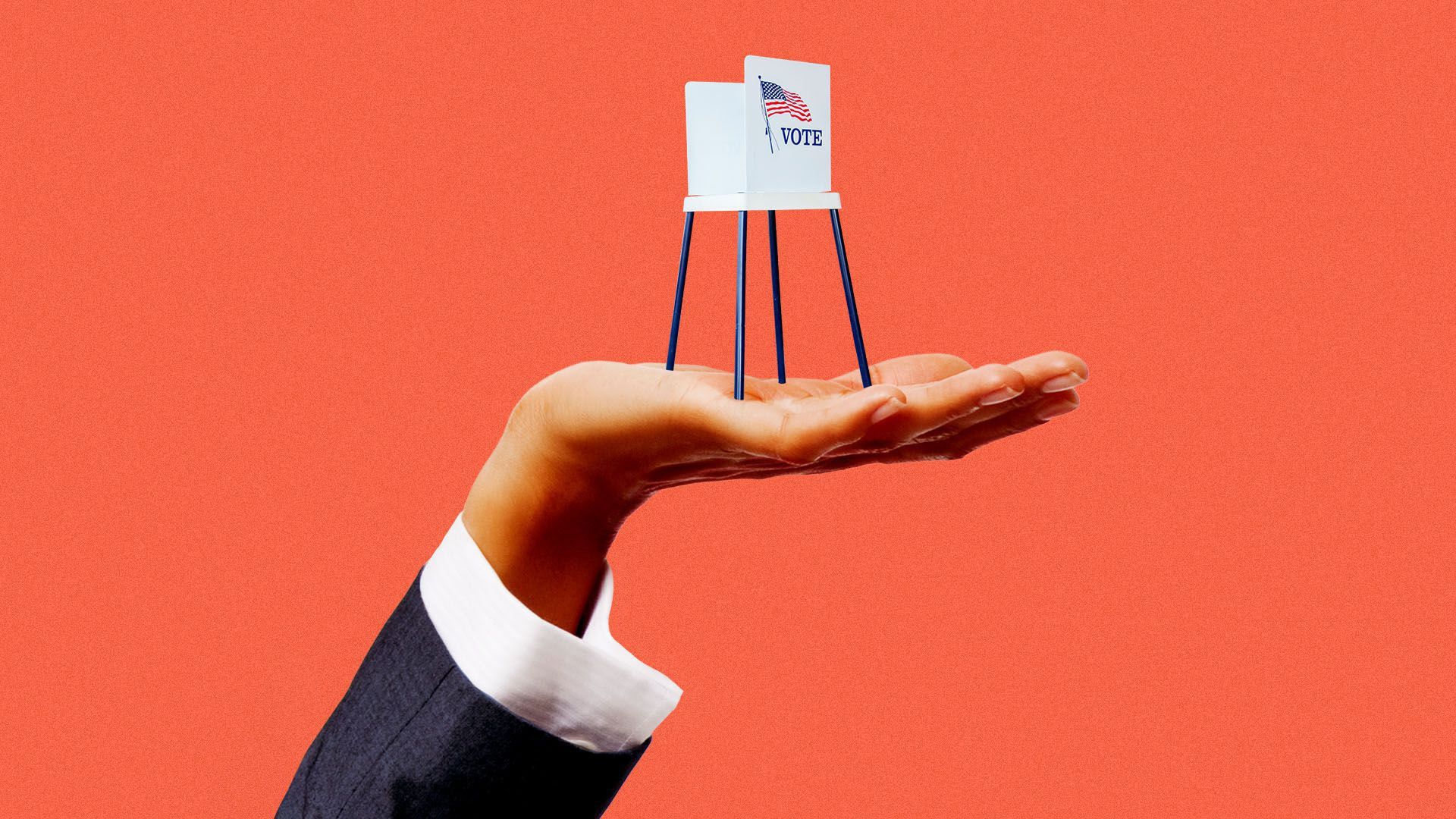
Private equity dominated Election Day. Not in terms of the winning candidates, but in terms of the election process itself.
Between the lines: The most-utilized election system and software companies are owned by U.S. private equity firms. Dominion Voting Systems is the best-known of these vendors, as it's become the subject of evidence-free conspiracy theories.
Nearly three quarters of adults say they are spending more on entertainment each month, according to a new survey conducted by Wakefield Research on behalf of Dolby.
Why it matters: American consumers are spending more on entertainment content as they try to binge-watch their way through the pandemic, which coincided with a flood of new streaming service options, including HBO Max, Peacock and Disney+. While consolidation is still expected, for now a rising tide is helping keep most boats afloat. (The S.S. Quibi has already sunk.)
In filing for a $1 billion stock offering Monday, Airbnb is betting investors will look past the company's coronavirus-induced struggles and see a brighter future.
Between the lines: Airbnb faces pressure to go public despite the pandemic so it can deliver liquidity both to investors and to early employees, whose options will eventually expire.
A bunch of huge oil companies told the Supreme Court in a new brief that state and local climate lawsuits against them belong in the federal court system.
Why it matters: The brief addresses the city of Baltimore's litigation seeking damages for climate-related harms — but it's relevant to roughly a dozen similar lawsuits nationwide that plaintiffs want litigated in state courts.
A new coalition is launching— with Tesla, Uber, power giants like Southern Company, and others — that will push for electric models to account for 100% of new U.S. vehicle sales by 2030.
Why it matters: While electric vehicles are a growing technology, new corporate lobbying efforts — especially by powerful companies — could help spur faster growth in what remains a largely niche market.
The Spruce, one of the largest home decor websites on the internet, is launching its own organization product line in every Lowe's store in the country, executives tell Axios.
Why it matters: It's a major step for Dotdash, the parent company to The Spruce, in its effort to move into e-commerce. To-date, Dotdash has been profitable by focusing on internet advertising around evergreen content.
Amazon launched Amazon Pharmacy on Tuesday, which will allow U.S. customers to order prescription medications without leaving their homes.
Why it matters via Axios' Dan Primack: With the pharmaceutical business going digital, this could create a major challenge for companies like CVS and Walgreens, whose stocks stumbled this morning after Amazon's announcement.
The out-of-control coronavirus outbreak has pushed cities and states to reinstate economic restrictions.
The state of play: That hasn’t translated into another round of widespread laid-off workers, according to the newest installment of the Axios-Ipsos Coronavirus Index — but in a sign of what may be to come, it found a slight upturn in the number of workers that said they were temporarily furloughed or laid off.
Here’s one thing Wall Street investors can say that other Americans can’t: Things are looking really good.
Why it matters: The backdrop is the worst rate of coronavirus infections since the pandemic began. But that’s no match for a prospective vaccine down the line, which adds to already favorable conditions for investors.
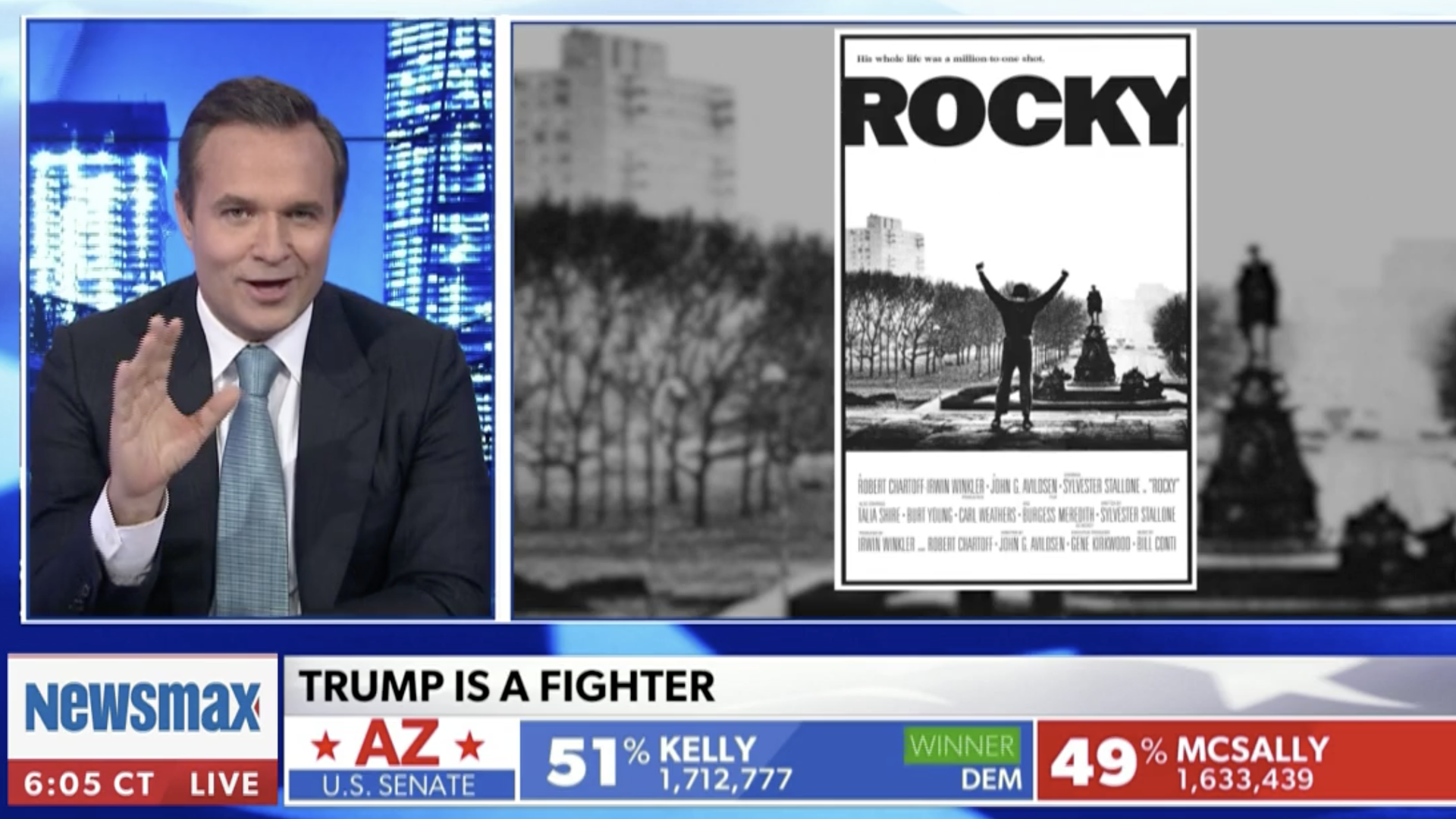
A new class of conservative outlets and networks is racing to capture the attention of disgruntled Trump voters, who feel abandoned by traditional news companies and censored by social media.
Why it matters: Fox News, for years, has been criticized for polarizing coverage. Now, there’s a race unfolding among several conservative outlets who don’t think Fox is pro-Trump enough.











/2020/11/17/1605611810543.gif?w=3840)