Disney's stock skyrocketed after market close Thursday when the company reported better-than-expected subscriber additions for its streaming service Disney+, offsetting losses in the company's studios, parks and resorts divisions.
Yes, but: Revenue fell 23% from this time last year to $14.7 billion and the company's profits disappeared. Still, the losses weren't as bad as investors anticipated and the company saw a boost from some successes in the reopening of sports and engagement in its broadcast network, ABC, around the election.
Parler has become the social network refuge for Trump supporters who believe that legacy platforms like Facebook and Twitter have become too restrictive, helping it shoot to the very top of the app store charts.
Axios Re:Cap digs into Parler's popularity, process and controversies with Parler chief policy officer Amy Peikoff.
The long-feared autumn spike in coronavirus cases has arrived, both in Europe and in the U.S. — and there's a huge difference in how the two regions are reacting. Europe is on an emergency footing, while America ... isn't.
Why it matters: We've seen this movie before, and we've seen the need for coordinated government action, from public-health agencies to fiscal policy to monetary policy. That's happening in Europe. It's not happening here.
Americans' credit card balances are on a sustained decline for the first time since the financial crisis.
By the numbers: Credit card balances peaked at $847 billion in the fourth quarter of 2019, per TransUnion. Since then, they've declined in three successive quarters, by a total of $124 billion.
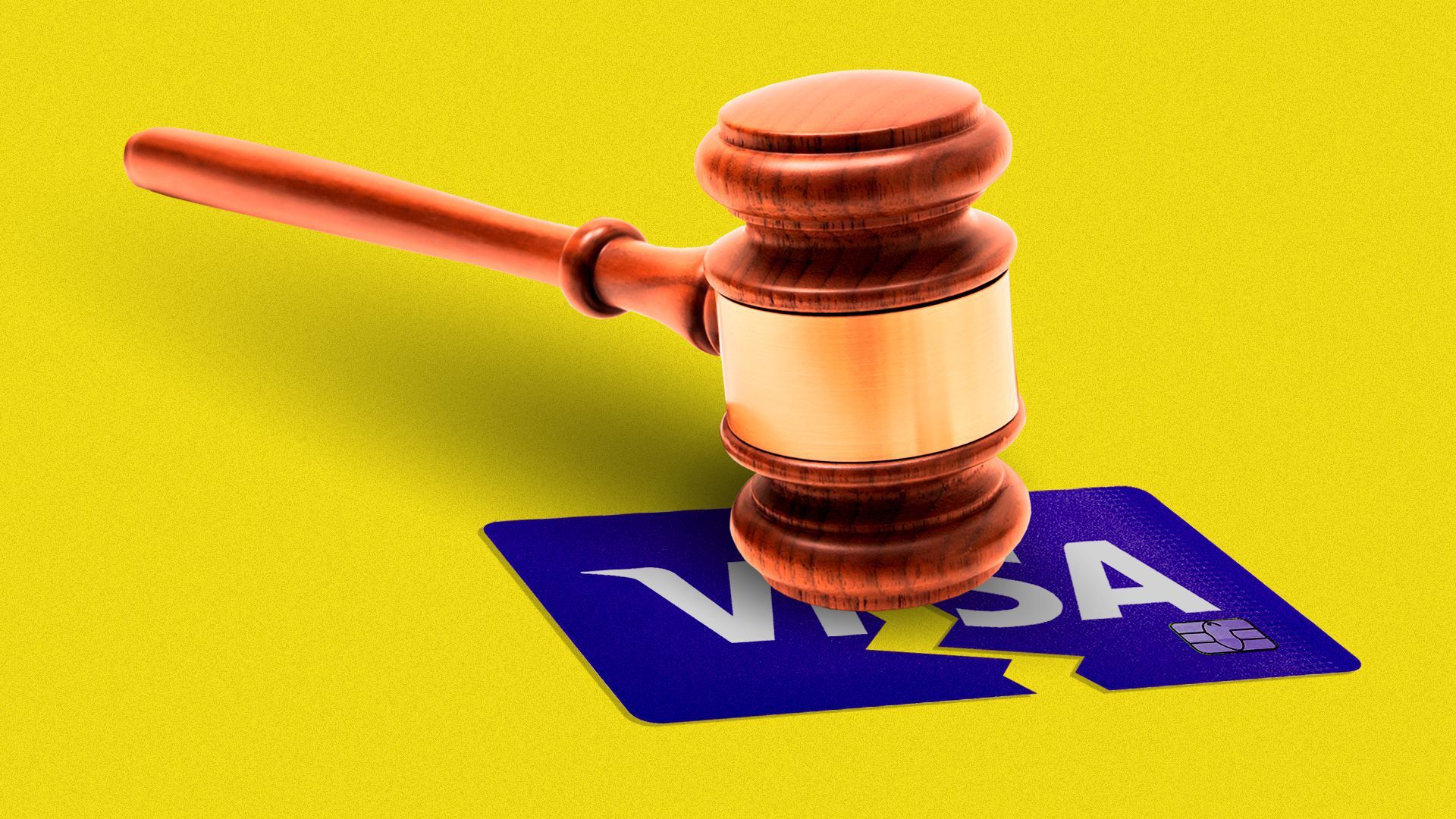
The Department of Justice antitrust lawsuit against Visa is important, not just for the outcome of a $5 billion fintech acquisition, but for the whole future of the industry.
Why it matters: While there are a lot of financial startups, very few of them are genuinely disruptive. In fact, many of them implicitly rely upon the Visa and Mastercard duopoly. The DOJ wants to ensure that there's still a chance that duopoly could face real competition.
The Trump administration's existential threat to TikTok is again going down to the wire, as today is the deadline for when its Chinese parent company ByteDance must unwind a 2018 merger that helped create the app.
The big picture: There's no precedent for what might be coming after the stroke of midnight, and so far Treasury is turtling.
Not only are corporate earnings coming in above Wall Street’s expectations, but a large swath of corporate America is making more money now than before the pandemic hit.
By the numbers: Earnings season is nearly over. Of the companies that have reported quarterly results, 52% saw bigger profits compared to this time last year, according to data provided to Axios by FactSet.
Tech stocks rebounded slightly in China after Wednesday’s selloff that had been prompted by new antitrust rules proposed by Chinese regulators.
Why it matters: The regulations could limit the power of China’s biggest tech companies. By the FT’s math, the country’s tech sector lost $290 billion in value in the space of two days.
Solv Health, a startup that sells health care providers digital tools to manage patients, has raised $27 million in new funding led by Acrew Capital, with MultiCare Health System, Light Street Capital, Benchmark and Greylock Partners also participating.
Why it matters: Overnight, the ongoing pandemic significantly altered how people interact with the health care system, creating a need to reduce unnecessary in-person contact that has sped up the digital transformation of medical practice.
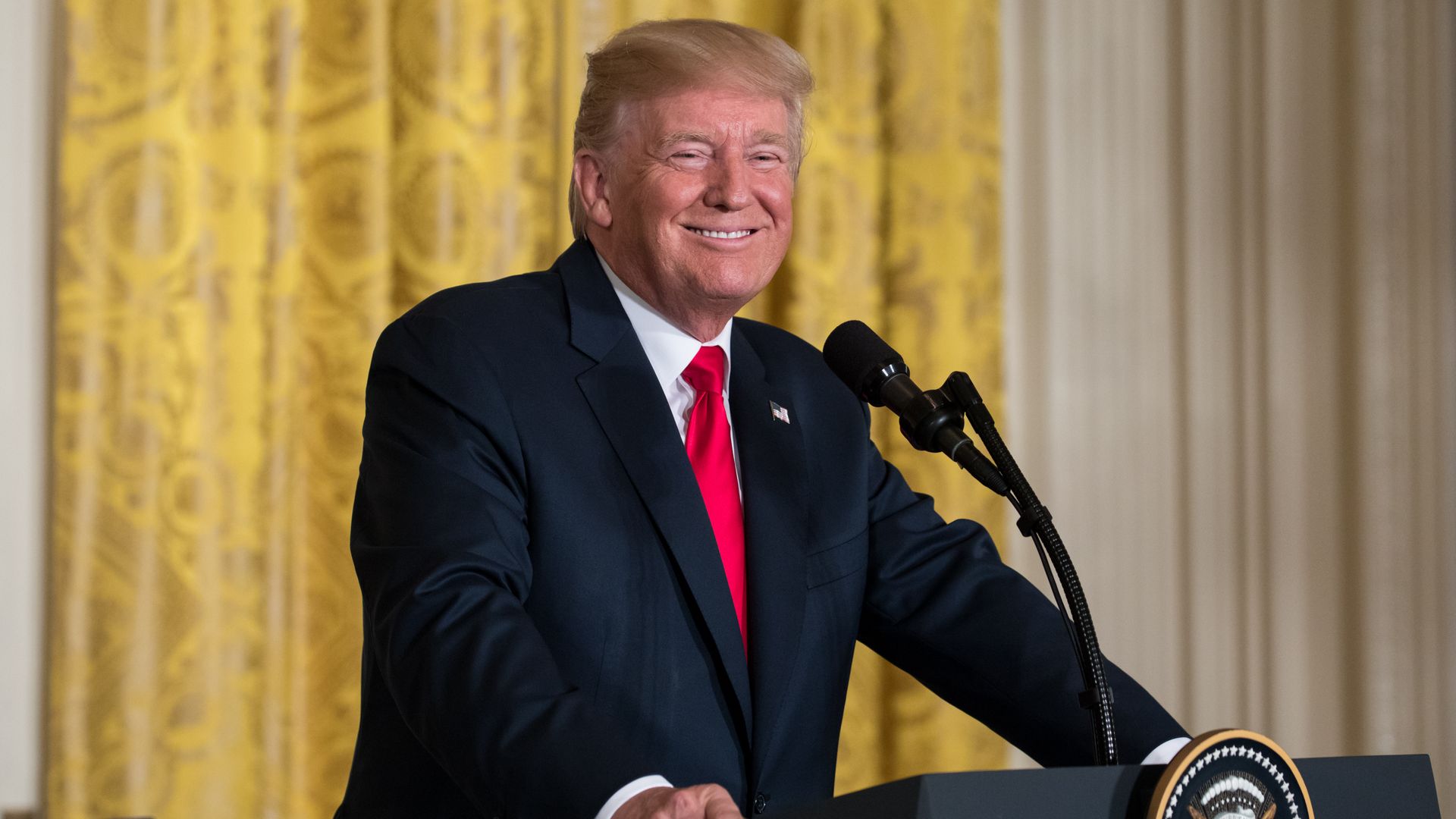
President Trump has told friends he wants to start a digital media company to clobber Fox News and undermine the conservative-friendly network, sources tell Axios.
The state of play: Some Trump advisers think Fox News made a mistake with an early call (seconded by AP) of President-elect Biden's win in Arizona. That enraged Trump, and gave him something tangible to use in his attacks on the network.
Spotify's $235 million acquisition of podcast monetization company Megaphone on Tuesday is the latest in an acquisition frenzy that's stirring up the podcast industry.
Why it matters: The past year has seen several key companies invest hundreds of millions of dollars in podcast acquisitions, including Spotify, iHeartMedia, Apple, SiriusXM and others.
There's huge pent-up demand among wealthy foreigners to buy property in New York, Los Angeles, San Francisco and other cities — and some people began calling their money managers as soon as JoeBiden's victory was announced.
Why it matters: Cities whose economies are withering under the coronavirus may see a fresh jolt of life from the high-end real estate sector in 2021 and beyond, with money from abroad creating new jobs and business opportunities.








/2020/11/12/1605198726757.gif?w=3840)

/2020/11/12/1605184478338.gif?w=3840)