Federal Reserve chair Jerome Powell said on Thursday the pandemic-hit economy will recover at a slower pace absent additional stimulus from Congress.
Why it matters: With Congress still gridlocked over another stimulus package — and pending results of the presidential election that put the timing of another package more in limbo — the Fed is facing questions about what more it can do to prevent the economy from backsliding as coronavirus cases surge.
Arizona remains one of the presidential election's most unsettled states, with Joe Biden clinging to a slight lead.
Axios Re:Cap digs into why Biden underperformed Democratic Senate candidate Mark Kelly and the so-called "Sharpiegate," with local reporter Hank Stephenson and University of Arizona professor Kate Kenski.
Corporate taxes are lower, as a percentage of GDP, then they've ever been. And they're likely to stay there, if Senate Majority Leader Mitch McConnell refuses to bring any tax-hike bills to the floor.
By the numbers: Before 2018, corporate income taxes had fallen below 1% of GDP only once, for three quarters at the nadir of the Great Recession in 2008-09.
Why it matters: Fast-growing startups generally try very hard to avoid regulation. As they become increasingly important, they collectively represent a growing blind spot for regulators.
Although August was the worst month in 2020 for apartment dwellers paying their rent on time, in full or in part — 92.1% — things haven't gotten much better since then.
The big picture: "We have found a slight, but fairly steady, deterioration in rent payments," said Colin Dunn, a spokesperson for the National Multifamily Housing Council, which advocates for rent subsidies and ending evictions moratoria.
Economically, the outcome of the election could not be worse than where we seem to be headed: A Biden presidency with a Republican Senate.
Why it matters: "Gridlock" — where the president's party doesn't control both houses of Congress — is being cheered by financial markets wary of political overreach. Stocks are not the economy, however. In the depths of a global pandemic, fiscal boldness is exactly what's needed for the economy as a whole. The problem is that political obstructionism is all but certain.
The value of a single bitcoin cracked $15,000 Thursday afternoon, following a Justice Department seizure of about $1 billion worth of the cryptocurrency from the dormant dark web site Silk Road.
Why it matters, via Axios' Dan Primack: This is the largest-ever U.S. government seizure of Bitcoin to date. The confiscation caused prices to jump because so much was taken out of circulation — but, the government could likely auction it all off later.
Approximately 300 people are being laid off at ESPN, sources tell Axios, and the company also plans to leave about 200 vacant positions unfilled, meaning the total workforce will be reduced by about 10%.
Between the lines: The cuts are attributed to the financial strain on the live sports and sports media industries due to the COVID-19 pandemic, according to an internal note from ESPN president James Pitaro to employees.
Fun, helpful and convenient or dangerous eyesores for the young? Whichever side you take, shared e-scooters are coming in March to New York City — that is, to the four boroughs other than Manhattan.
Why it matters: Ride-share purveyors have blanketed the nation with motorized scooters, a trend fueled by the coronavirus — as people shunned mass transit — and likely to continue unless safety or other problems intervene. (Remember hoverboards?)
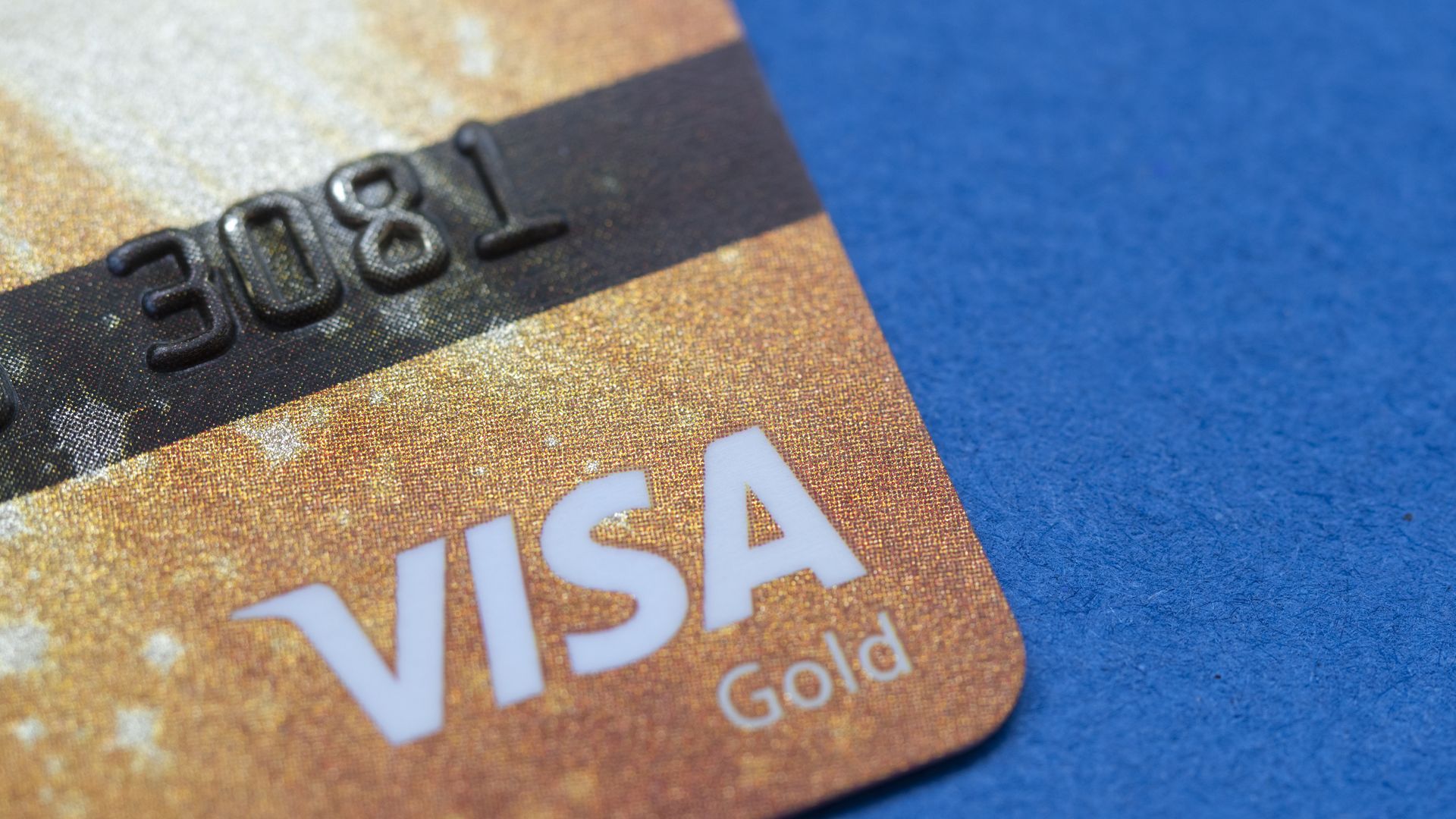
The U.S. Justice Department on Thursday sued to block Visa's proposed $5.3 billion purchase of Plaid, a San Francisco-based provider of analytics software for accessing transaction data.
The bottom line: Plaid lets fintech startups connect to users' bank accounts, but the DOJ argues that the merger would eliminate Plaid's potential ability to compete in the online debit market, thus giving Visa a monopoly. Visa told WSJ it plans to "defend the transaction vigorously.”
The stock markets appearedtohavepriced in a "blue wave" for the past few weeks, and the spending sugar high that would follow.
What happened: The stock markets were wrong. Just like they were almost every time that Nancy Pelosi or Steven Mnuchin would sprinkle a crumb of stimulus hopes, or when some press release would imply that a vaccine or curative therapeutic could be just around the corner.
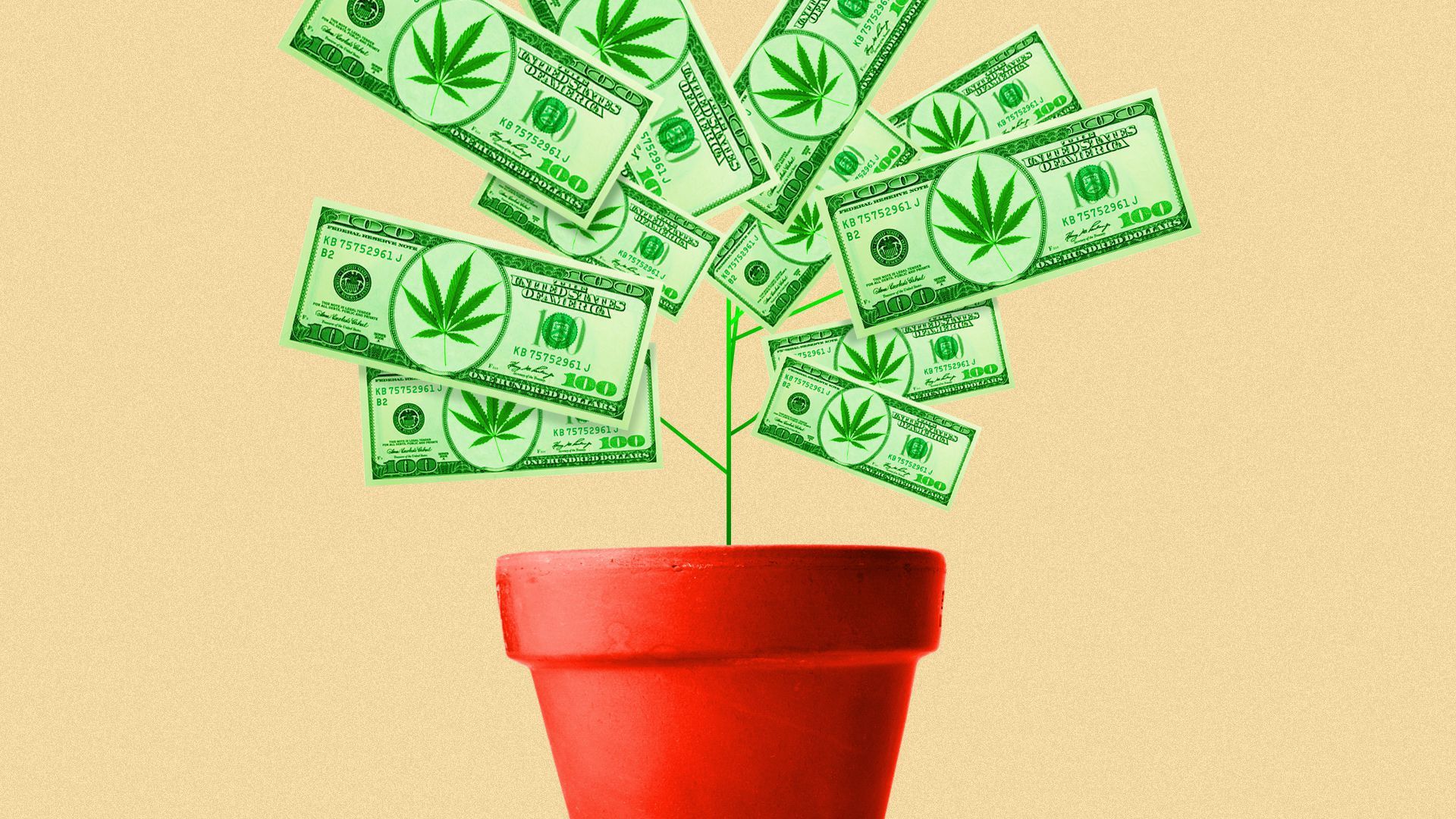
Aphria (TSX: APHA), a Canadian cannabis company, has agreed to buy Atlanta-based craft brewer SweetWater Brewing Co. for $300 million. Sellers include TSG Consumer Partners.
Why it's the BFD: This is the first time a marijuana company has bought a brewer, rather than the other way around. It also comes the same week that five more states legalized cannabis in some form, meaning that legalization will now cover around one-third of the U.S. adult population.
The chart above helps visualize one reason why the oil industry doesn't have reason to completely freak out over emerging election results. It shows, via the research firm BloombergNEF, the amount of U.S. oil production on federally owned vs. private lands.
Why it matters: One of the most aggressive parts of Biden's agenda is ending new drilling permits on federal lands and waters. But as you can see, a large majority of U.S. output is on private lands.
The largest cannabis stocks saw their share prices drop significantly on Wednesday, after more states legalized recreational and medical marijuana use and Biden, who has vowed to decriminalize marijuana if elected, moved closer to being declared the winner of the U.S. presidential election.
Driving the news: Arizona, Montana, New Jersey and South Dakota voted to legalize marijuana on Tuesday, joining 11 other states and Washington, D.C.
U.S. stocks — which analysts and strategists insisted had been rising based on the anticipation of a blue wave Democratic victory in the House, Senate and White House — had their best day in nearly seven months as that possibility looked to be wiped off the table.
While some races have not yet been called, Democrat Joe Biden looks poised to win in his election against President Trump, but so do many incumbent Republicans senators.
What they're saying: Some attributed the stock market's surge — the Nasdaq rose 3.9% and the S&P 500 gained 2.2% — to the market's happiness with a potential divided government and discounted prospects of tax increases. However, there were other explanations...
Health care stocks skyrocketed after Tuesday's election results indicated Republicans likely will maintain control of the Senate, all but assuring continued gridlock in both chambers of Congress.
The big picture: A Republican Senate means "the public option and direct government negotiation on drug prices are dead for at least the next two years," Spencer Perlman, an analyst at Veda Partners, wrote to investors Wednesday.
The challenge of helping people experiencing homelessness during the pandemic has spurred some cities to action and prompted bitter divisions in others, as shelters struggle with the new challenges of adheringto the CDC's social distancing, PPE and sanitary guidelines.
Why it matters: Some cities have tried new ways to help, such as buying up vacant hotels, apartments and other buildings to use as housing. Some feel grief as outdoor homeless encampments grow.