Stocks jumped on Wednesday — the tech-centric Nasdaq closed up 3.8%, outpacing the S&P and Dow's gains — with the presidential race up in the air and Democrats' hopes of gaining control of the Senate fading.
Why it matters: Alongside health care stocks, tech companies that helped propel stocks back to record highs are leading the market as full results from the 2020 election remain unknown.
Crown Holdings (NYSE: CCK) is considering a sale of its food can manufacturing unit, which could fetch around $2 billion, per Bloomberg.
Why it's the BFD: Crown is the world's largest maker of food cans, whether they be round, shaped, or bowls. It's also a profitable business, generating around $200 million in EBITDA, which is likely to attract private equity.
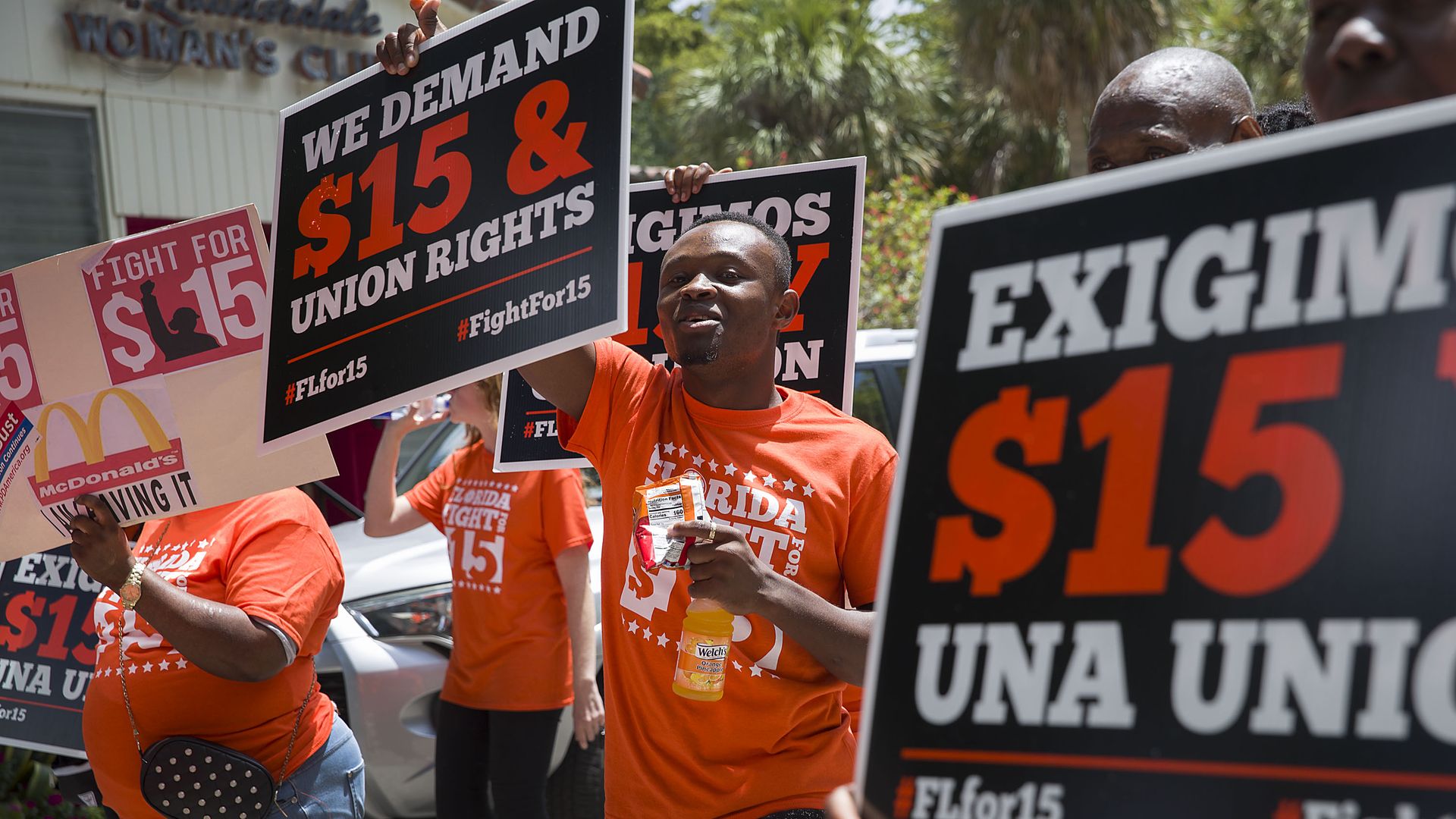
Florida voters said yes to raising the state's minimum wage to $15 by 2026, making it the first state in the South and the eighth state in the U.S. to do so.
Why it matters: Its passage would ultimately affect 2.5 million Floridians, or one-quarter of the workforce over the next five years, per the Florida Policy Institute.
All North American sports leagues face enormous uncertainty heading into 2021, but the NHL's reliance on ticket sales and cross-border travel puts it in a particularly tough spot.
The state of play: While leagues like the NBA and NFL make most of their revenue from media rights, the NHL is a much more gate-driven league.
The Chinese yuan and Mexican peso, which have both been tied to bets on Trump's election prospects, saw wild swings on election night.
What it means: Few expect Joe Biden to significantly alter U.S. policy toward China if he ends up becoming president, but the Trump administration's increasingly hawkish tone on China in recent days helped move the Chinese currency significantly as betting markets moved in and out of Trump's favor.
Election night was a melee of massive market moves around the globe and whipsawing prices across asset classes, as just about every market was turned on its head and then upside-down again.
What happened: Most of the jostling came early in the evening as betting markets flipped from favoring a victory by Joe Biden to favoring one by President Trump around 7pm ET.
China's suspension of Ant Group’s $35 billion IPO is "just the beginning of a renewed campaign by China to rein in the fintech empire controlled by Jack Ma," Bloomberg reported Tuesday.
Details: "Authorities are now setting their sights on Ant’s biggest source of revenue: its credit platforms that funnel loans from banks and other financial institutions to millions of consumers across China," the article noted, citing unnamed sources.
Here's why Ant Group's IPO was pulled on Tuesday: It is one of the most systemically important financial institutions in the world, and at the moment it's barely regulated.
The big picture: Ant provides the technology that powers much of the Chinese economy, from borrowing to saving to investments to insurance. A failure of its systems could have devastating consequences for hundreds of millions of people.
California's Proposition 22, the ballot measure backed by gig companies like Uber, Lyft, Instacart, and DoorDash to cement their drivers' status as independent contractors, is projected to pass, per NBC News and the Washington Post.
The big picture: The companies put about $200 million behind the measure after a new state law went into effect in January that would force them to classify their drivers as employees.
China is the biggest business story on Election Day in America.
What's happening: The country abruptly pulled the plug on Ant Group's IPO, which was expected to happen Thursday and be the biggest public offering ever.
Reddit isn't the first big tech company to embrace telework after the pandemic. But the platform stands out from its peers because it says it'll pay workers the same salary — no matter where they live.
Why it matters: The catch in the remote work policies at Facebook, Microsoft and other tech companies has been that although employees can choose to work remotely forever and from anywhere, their pay might be cut if they move out of expensive cities to cheaper ones. Reddit is doing away with that snag.
In the next 78 days, between the election and the inauguration, politics will become increasingly difficult to avoid at work. Many companies aren't shying away from that.
The big picture: This election cycle marks a turning point for Corporate America. Instead of focusing solely on profits and growth, companies are wading into social and political debates — betting that the future of the workplace is headed that way.
Sterling Witzke, a partner with Winklevoss Capital, on Monday posted an Instagram picture of herself at a Trump rally next to a man who appears to be making a racist "white power" symbol with his hand, based on a screenshot obtained by Axios.
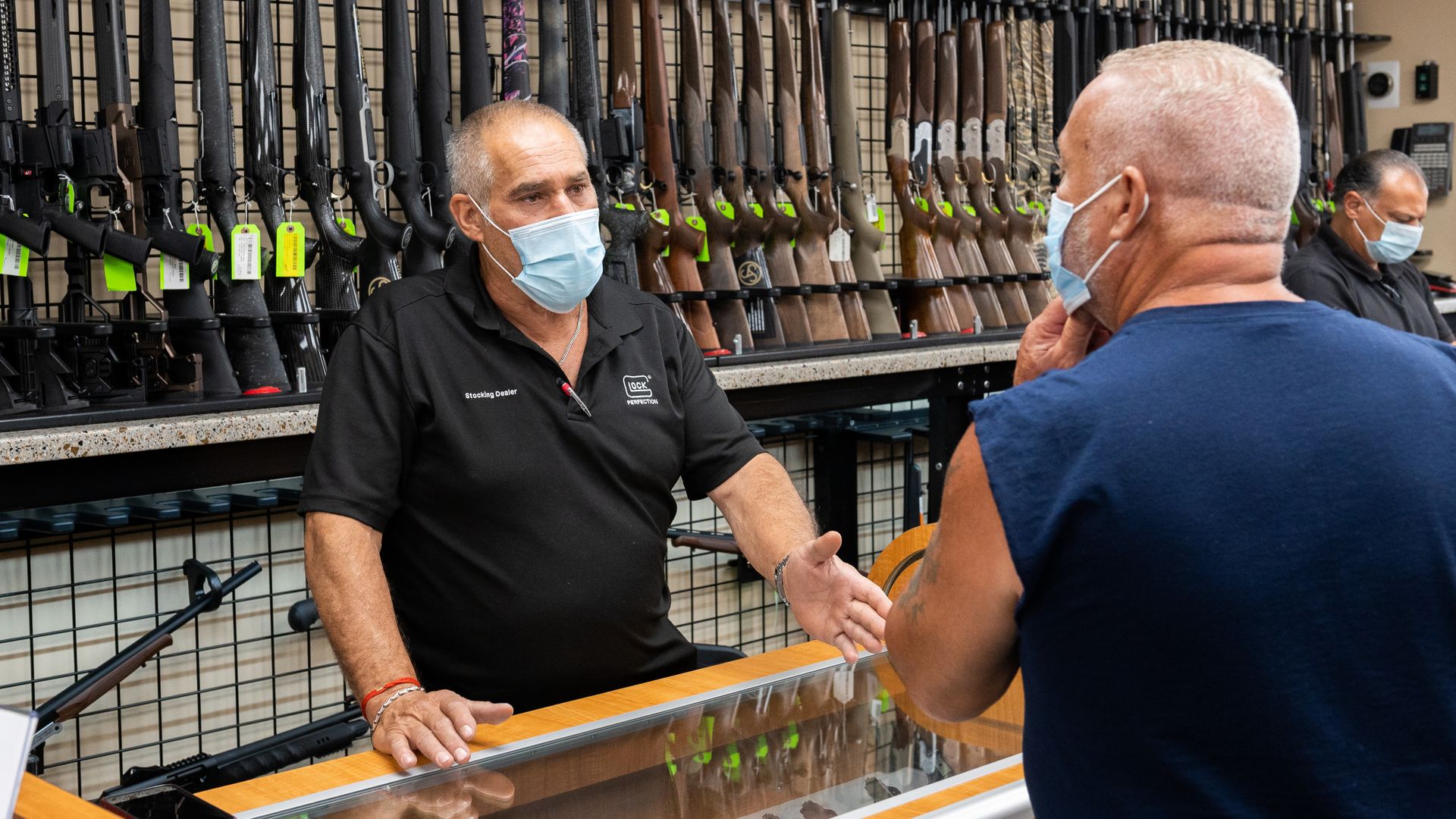
The FBI has processed more gun background checks in 2020 than in any other year on record, according to data the agency released Tuesday. Over 32 million guns were processed through the end of October.
The big picture: Gun sales in the U.S. spiked significantly in March when the coronavirus pandemic first began to spread in earnest across the country, per the New York Times.
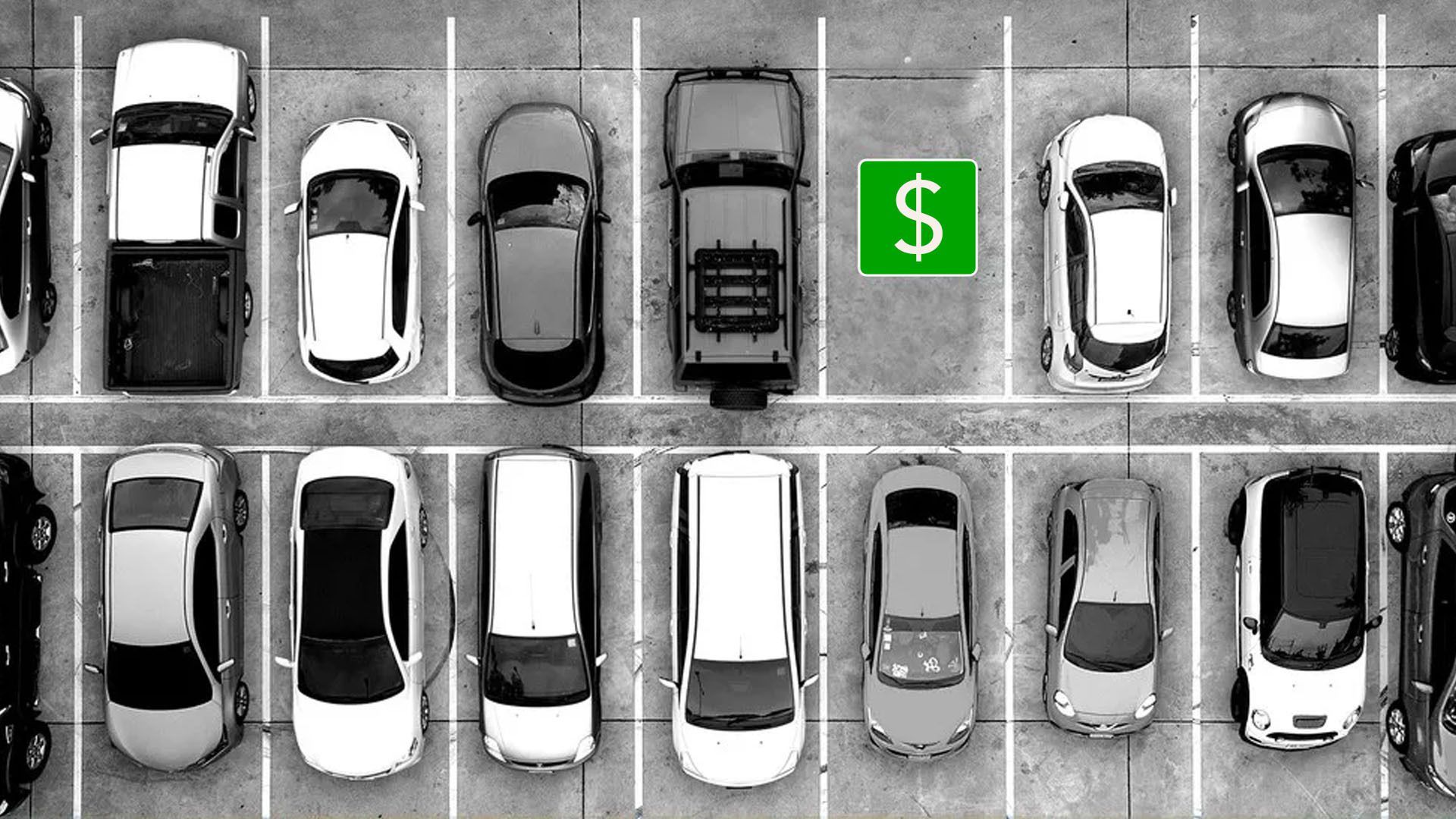
REEF Technology, a Miami-based provider of parking lot tech and services, raised $700 million from SoftBank, Mubadala, Oaktree Capital, UBS Asset Management and Target Global.
Why it matters: Urban parking lots and garages are undergoing rapid transformation, even sometimes serving as COVID-19 testing sites, and that's only expected to accelerate as automakers develop autonomous fleets.
When President Trump first took office, there was lots of talk about "normalization."
The state of play: Today, American voters will either codify a new normal or relegate many of Trump's unconventional tactics to history's anomalous footnotes. Among them is browbeating and boycotting U.S. companies.
Volvo said it's making "significant investments" to bring design and development of electric motors in-house as the automaker prepares to expand its electric vehicle lineup.
Why it matters: Volvo's goal is to have EVs account for 50% of its sales by 2025, with the rest hybrids.
New companies are latching onto youth-focused news products for this year's election news and beyond.
Why it matters: Some of these efforts can be lucrative. Parents juggling work-from-home schedules with at-home learning are willing to pay for news products for their kids, executives tell Axios.
News outlets are shying away from trying to quickly predict elections, and are instead focusing more on explaining how the races are unfolding, executives tell Axios.
What to expect: Most news executives concede that some networks won't be able to call elections with certainty for days — or longer.
The Ant Financial IPO will not go forward as planned Thursday, as Chinese regulators cracked down on what would have been the largest public offering of all time.
Why it matters: Jack Ma, the founder of the Chinese payments giant, gave a major speech at the end of October railing against financial regulation both in China and in the West. That speech resulted in a dressing-down from Chinese authorities — and the end of Ma's dreams that Ant would be able to go public.
Manufacturing activity accelerated again around the globe in October, according to the latest purchasing managers indexes from various private companies.
Details: In the U.S., the Institute for Supply Management's latest survey of manufacturing showed new orders jumping to their highest in nearly 17 years.
Financial services and the banking sector could undergo significant changes if Joe Biden wins and Democrats take control of the House and Senate.
What we're hearing: "With a couple of vote margin in the Senate there's a lot that Democrats can try to do to go after how financial products are accessed and how they're priced," Jaret Seiberg, financial services and housing policy analyst for Cowen Washington Research Group, told me on the "Voices of Wall Street" podcast in early October.
Top executives at big companies known as corporate insiders bought back shares of their own firms' stock at the second lowest rate in at least two years last month, even as speculators continued to buy the dip.
Why it matters: Insiders are typically bullish on their own company and buy when prices fall, but declined to do so after all three major U.S. stock indexes fell by at least 2% during the month, the second consecutive month of declines. (The Dow fell 6%, its worst monthly showing since March's historic drop.)
The media and its gatekeepers have managed to make themselves a central story in the 2020 presidential election.
Why it matters: This is especially true on cable news, where mentions of terms like "misinformation" and "disinformation" have skyrocketed in the past few weeks, surpassing mentions of issues voters typically say they care about like "social security," "climate change," and "immigration."