Home prices are rising rapidly across the U.S., according to ATTOM Data Solutions.
Driving the news: ATTOM released its 3Q 2020 figures this week, concluding that 77% of metro areas posted "double-digit annual home price gains." Profit margins rose in 86% of the 103 metropolitan statistical areas studied.
Short-form video streaming app Quibi announced that it will cease operations, just six months after a high-profile launch backed by $1.75 billion in funding from studios and venture capitalists.
Axios Re:Cap digs into what went wrong and what happens next, with REDEF CEO Jason Hirschhorn.
Goldman Sachs has agreed to pay more than $2.9 billion to the U.S. government to settle charges surrounding its role in facilitating the $6.5 billion 1MDB fraud.
The big picture: The fine comes after Goldman previously agreed to pay Hong Kong regulators $350 million, and another $2.5 billion to the government of Malaysia, plus the restitution of $1.4 billion in assets.
President Trump posted on Thursday an unedited 38-minute clip of his interview with Lesley Stahl of CBS' "60 Minutes" — days before its planned Sunday airdate.
Why it matters: Trump, who threatened yesterday to release the clip, said it showed "bias, hatred and rudeness" as he continued his attacks against the media in the campaign's final stretch.
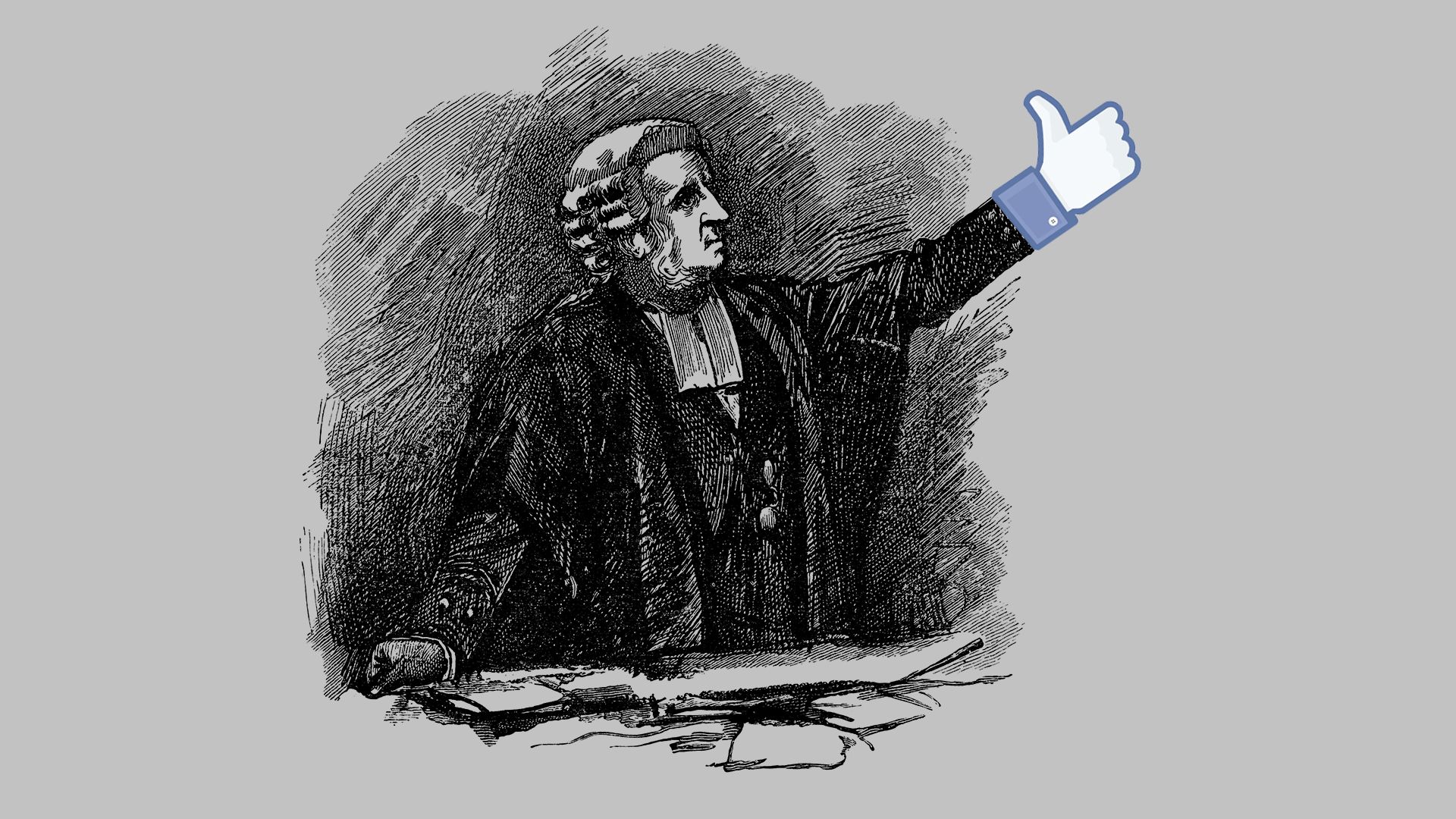
The Facebook Oversight Board announced Thursday that some Facebook and Instagram users can now submit appeals to the Oversight Board for an independent review of their own content removals.
Why it matters: The board, a first-of-its-kind internet governance body, will begin hearing cases from users ahead of the U.S. election.
McAfee, a San Jose, Calif.-based provider of antivirus and endpoint security software, raised $740 million in its IPO at an initial market value of $8.6 billion.
Why it matters: The company's IPO prospectus lists "brand recognition" as its top competitive strength, even though its eponymous founder was recently arrested on tax evasion and firearms charges. John McAfee, who also was a "person of interest" in a 2012 murder in Belize, is no longer involved with the company.
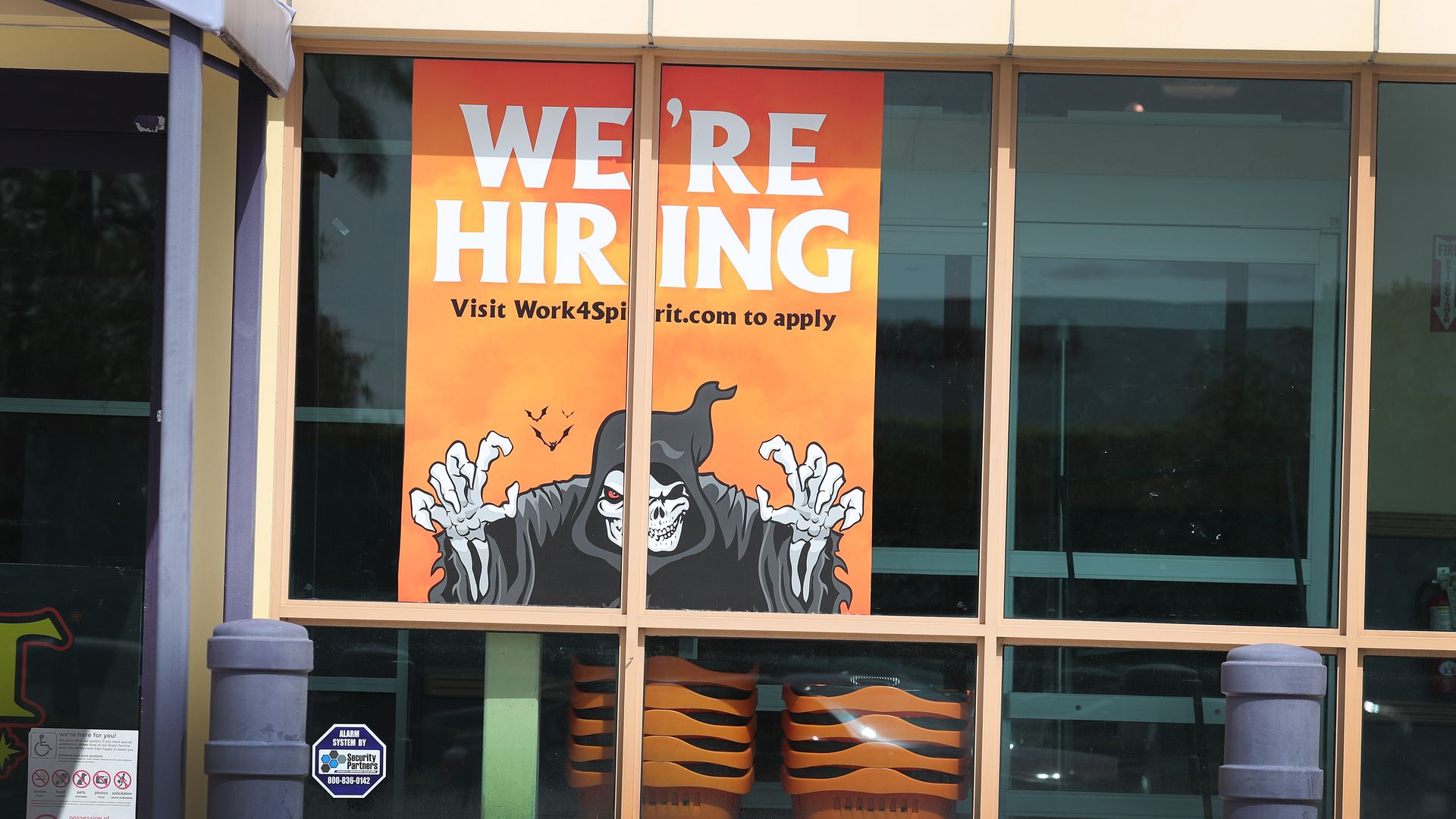
First-time applications for unemployment fell last week, according to Department of Labor data released on Thursday.
Between the lines: The overall number of Americans relying on unemployment also fell to a still-staggering 23 million. But there are continued signs of labor market strain, with more people shifting to an unemployment program designed for the long-term jobless.
The pandemic has wreaked financial havoc on universities across the country. But while Power 5 schools are finally getting financial relief from their lucrative football programs, Division I's "have-nots" are still drowning.
Driving the news: The University of California, Riverside, which competes in the Big West Conference but doesn't play football, is considering dropping all 15 sports to cut costs.
Investors' return on U.S. corporate bonds has been falling since its August peak, but buying has only accelerated, especially in investment grade bonds that are offering historically low yields.
The state of play: Since hitting its 2020 high on Aug. 4, the benchmark Bloomberg Barclays U.S. bond aggregate has delivered a -2.2% return. (For comparison, the S&P 500 has gained 3.9% during the same time period.)
PayPal's decision to allow customers to hold bitcoin and other virtual currencies in its online wallet and shop using cryptocurrencies sent the value of bitcoin soaring on Wednesday.
Why it matters: With 346 million active accounts around the world and 26 million merchants, PayPal could bring cryptocurrencies into mainstream acceptance.
America has waited a decade for an aggressive government crackdown on white-collar crime. Now, just before the election, and in the middle of a bull market, it has arrived.
Why it matters: When times are good, investors become more trusting and more greedy. That makes them more likely to put their money into fraudulent or criminal enterprises.
After a decade-long bull market, there is no shortage of those frauds to prosecute.