Lyft Wednesday posted narrower losses and higher revenue than expected for the second quarter, though revenue did fall 61% from the same period last year.
Why it matters: Lyft's business has been hard hit by the coronavirus pandemic as people stay home.
Author Sarah Cooper, best-known for her viral lip-sync impersonations of President Trump on TikTok, will star in a Netflix comedy special in fall 2020, the company announced Wednesday.
The big picture: Cooper, who wrote a pair of best-selling books prior to her internet fame, has seen her platform grow to over 500,000 followers on TikTok and over two million on Twitter, according to Netflix.
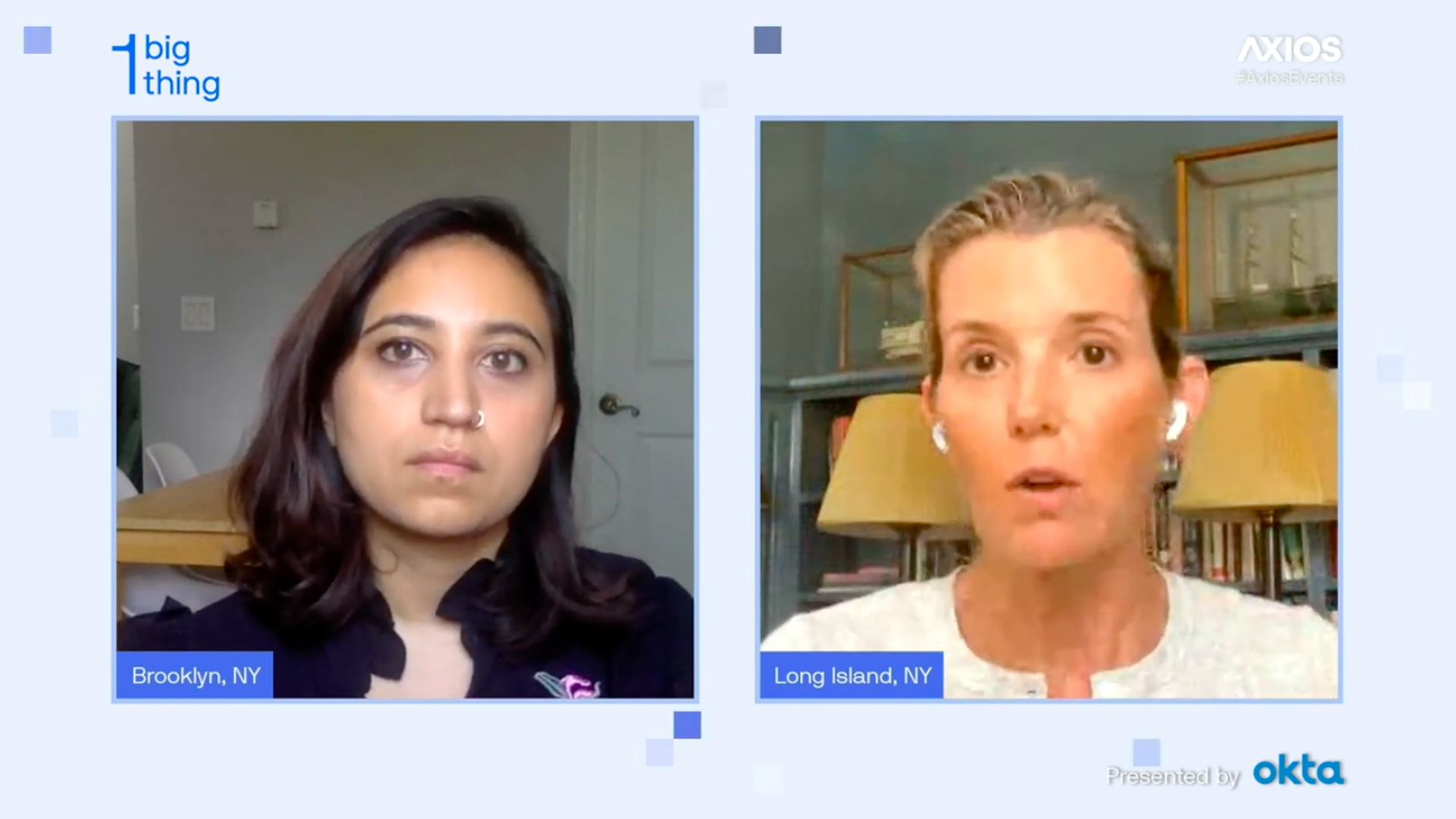
The gender wealth gap has been growing during the coronavirus pandemic, Sallie Krawcheck, co-founder and CEO of financial service company Ellevest, said at an Axios event on Wednesday.
Why it matters: Women have had to deal with a disproportionate amount of job loss during the pandemic because they're more likely to have jobs deemed essential, Krawcheck noted.
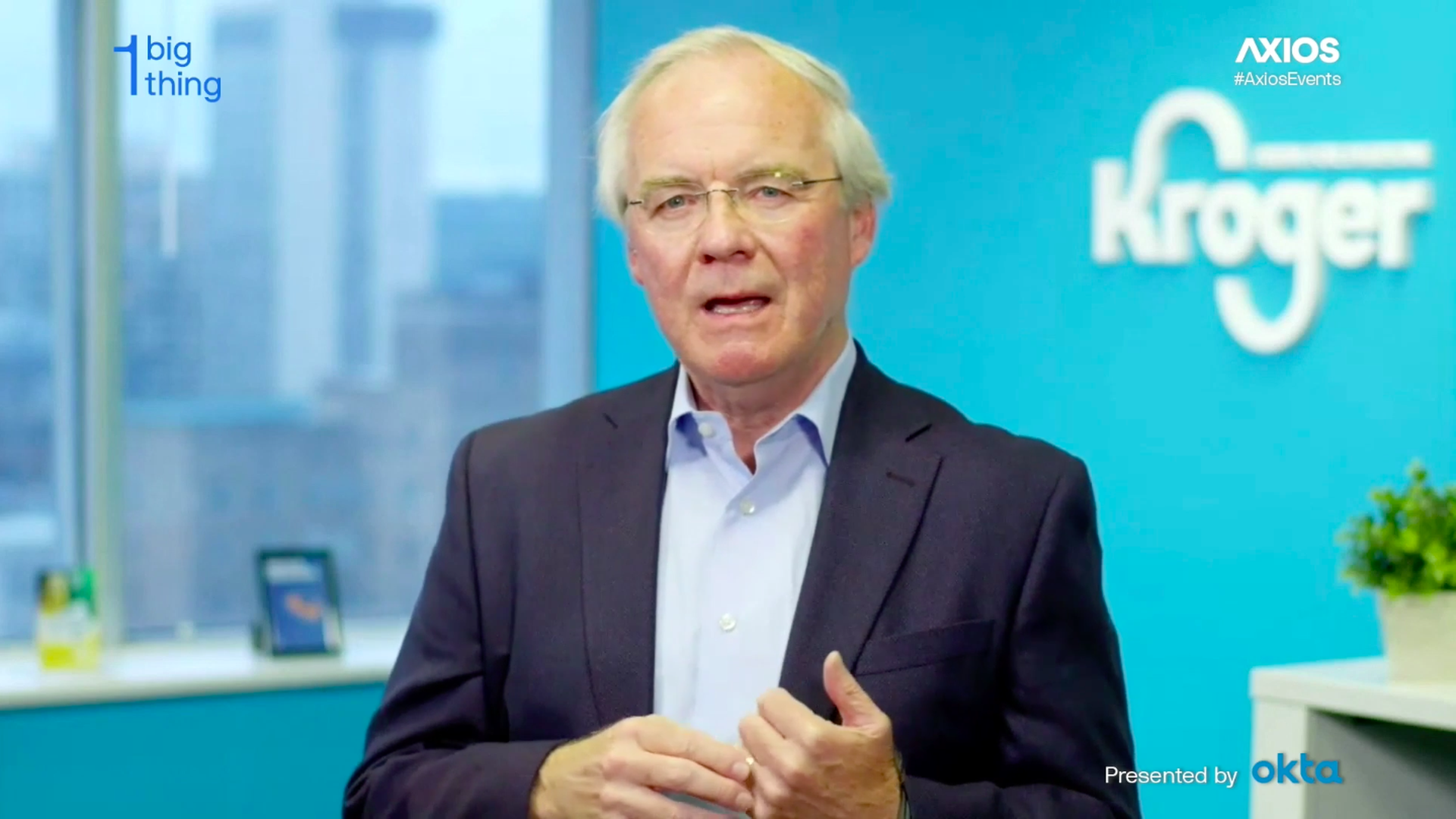
The shift to online shopping during the coronavirus pandemic has accelerated beyond most analysts' predictions, Kroger CEO Rodney McMullen said on Wednesday at an Axios event.
The big picture: McMullen said the industry had expected the shift to online to take about 3 years. Instead, it took place in only two weeks.
When the pandemic arrived, the sports betting industry funneled bettors toward the few sports that were actually happening.
What's happening: Now that sports have returned, the industry has benefited from pent-up demand, while also capitalizing on a busier-than-usual summer, with baseball, soccer, hockey, golf and basketball all in full swing.
The slim prospects of a fall college football season have evaporated in a matter of days — but don't tell that to the ACC, SEC and Big 12, which are still trying to make their seasons happen.
The state of play: The Big Ten and Pac-12 postponed all fall sports to the spring on Tuesday. No football, cross country, volleyball, soccer or field hockey.
Tesla's share price jumped in after-market trading following the Silicon Valley electric automaker's announcement of a 5-for-1 stock split.
Why it matters: The company's Tuesday evening announcement said the move is aimed at making stock ownership "more accessible to employees and investors."
Gold fell by 2% on Tuesday with some ETFs seeing prices decline by 5% or more as investors took profits on the precious metal after a rally that has pushed gold to record highs near $2,100 per troy ounce.
Why it matters: It was the third straight session that gold fell, the longest losing streak since June, after seven days of appreciation, and the worst selloff since 2013.
Congress' failure to renew enhanced unemployment measures at the end of July is already showing up in consumer spending patterns, holding down retail purchases and foot traffic, economists at Deutsche Bank say.
What happened: The reduced spending aligns with the expiration of the Federal Pandemic Unemployment Compensation benefits, which provided an additional $600 per week to qualifying unemployed individuals.
It's the euro's time now — at least that's how investors have been positioning recently.
What's happening: Speculators have raised their bets to the highest in nine years that the dollar will fall and increased bullish bets that the euro will rise to the highest level on record, Reuters reported citing data from the CFTC.
U.S. producer prices rose by the most since October 2018 last month, following a 0.2% decline in June.
Details: U.S. PPI for final demand, a measurement of prices paid by businesses, increased 0.6% last month, driven by a surge in portfolio management fees and the rising cost of gasoline.
The 10 highest-selling drugs in the U.S. last year gave away more than $23 billion in rebates to insurance intermediaries, but still netted $50 billion in sales.
The big picture: The U.S. drug pricing system is filled with confusing numbers, and many entities profit off the flow of drugs, but pharmaceutical companies retain a vast majority of the proceeds.
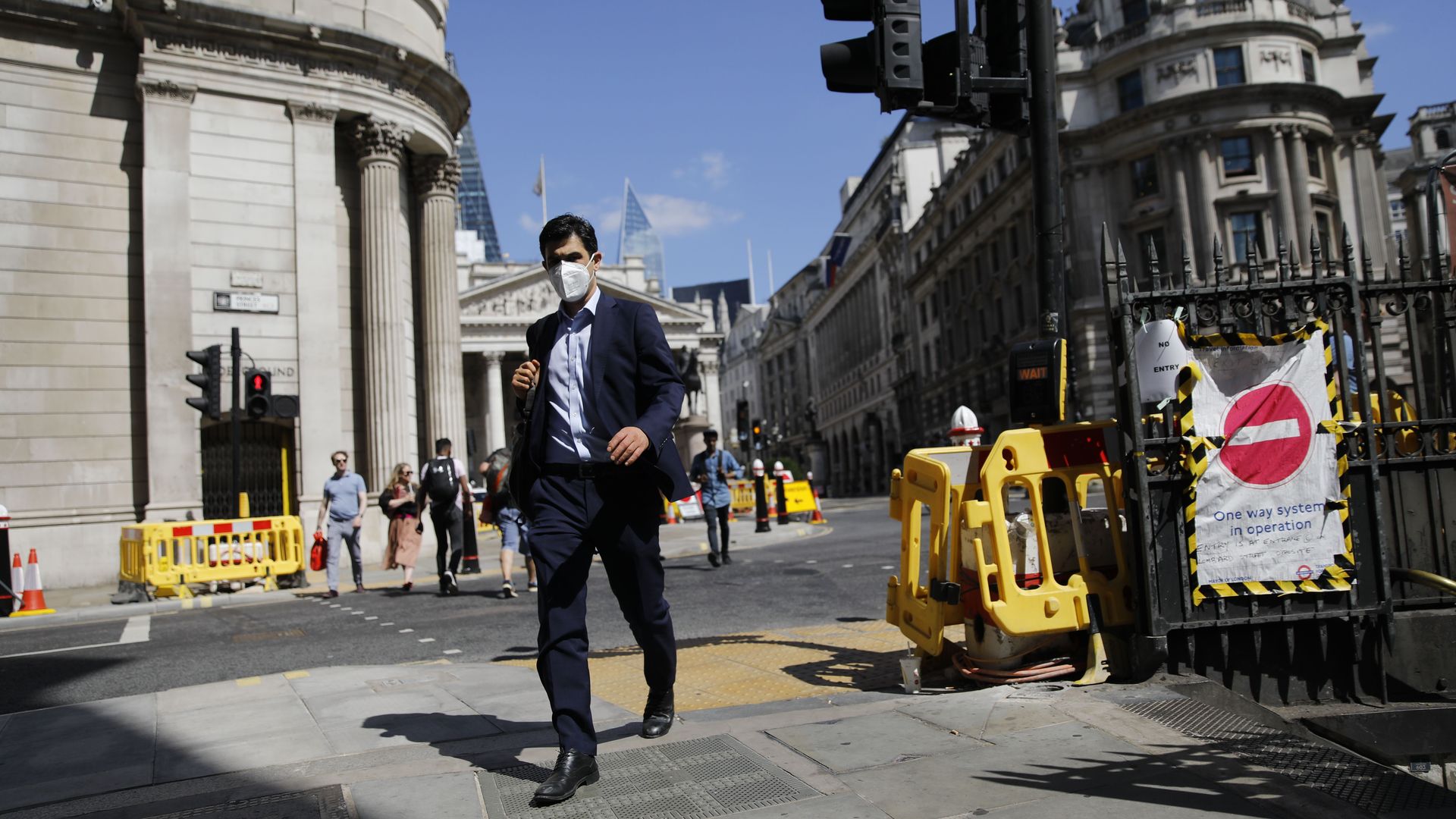
The U.K. slumped into recession as its gross domestic product GDP shrank 20.4% compared with the first three months of the year, the Office of National Statistics (ONS) confirmed Wednesday.
Why it matters: Per an ONS statement, "It is clear that the U.K. is in the largest recession on record." The U.K. has fared worse than any other major European economy from coronavirus lockdowns, Bloomberg notes. And Fnance Minister Rishi Sunak warns the situation is likely to worsen.