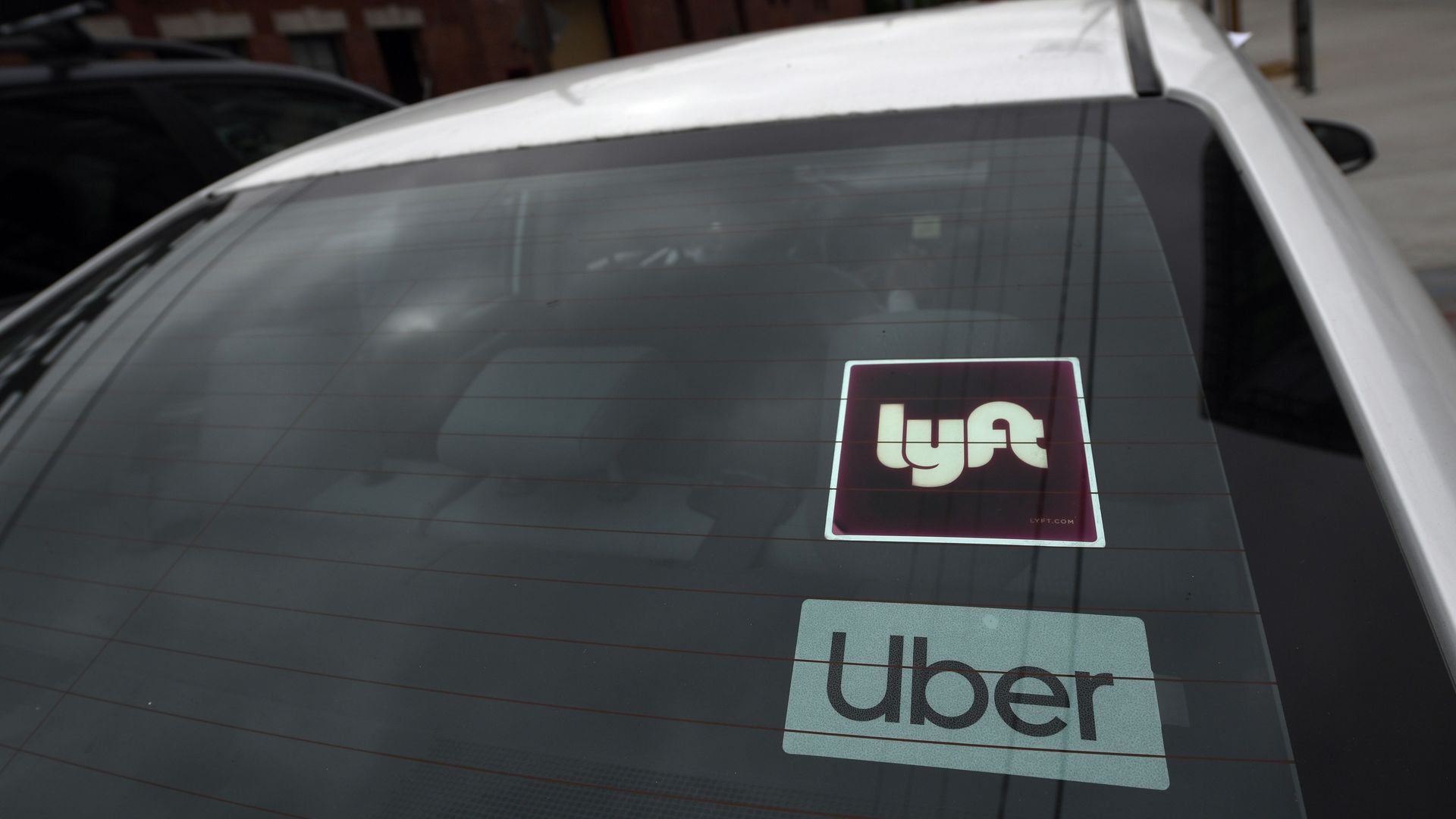
Uber and Lyft must reclassify their California drivers as employees under a preliminary injunction granted Monday by a San Francisco judge.
Why it matters: The ride-hailing companies, along with other gig economy firms, are resisting classifying their drivers as employees, which labor advocates say would give the workers greater benefits and rights. A new California law codified stricter requirements before companies can classify workers as contractors.
Twitter is the latest to join the cast of the ongoing spectacle that is TikTok’s battle to stay open for business in the U.S., per a new report from the Wall Street Journal.
Why it matters: The saga to keep TikTok available to U.S. users is getting more complicated, with the company already in a President Trump-imposed time crunch and juggling a number of options.
CureVac, a German Phase 1 biotech company developing mRNA-based cancer therapies and vaccines as well as a potential coronavirus vaccine, announced terms for its IPO.
Why it matters: COVID-19 is the biggest story in the world right now and any company that can potentially contribute to the fight is a big deal.
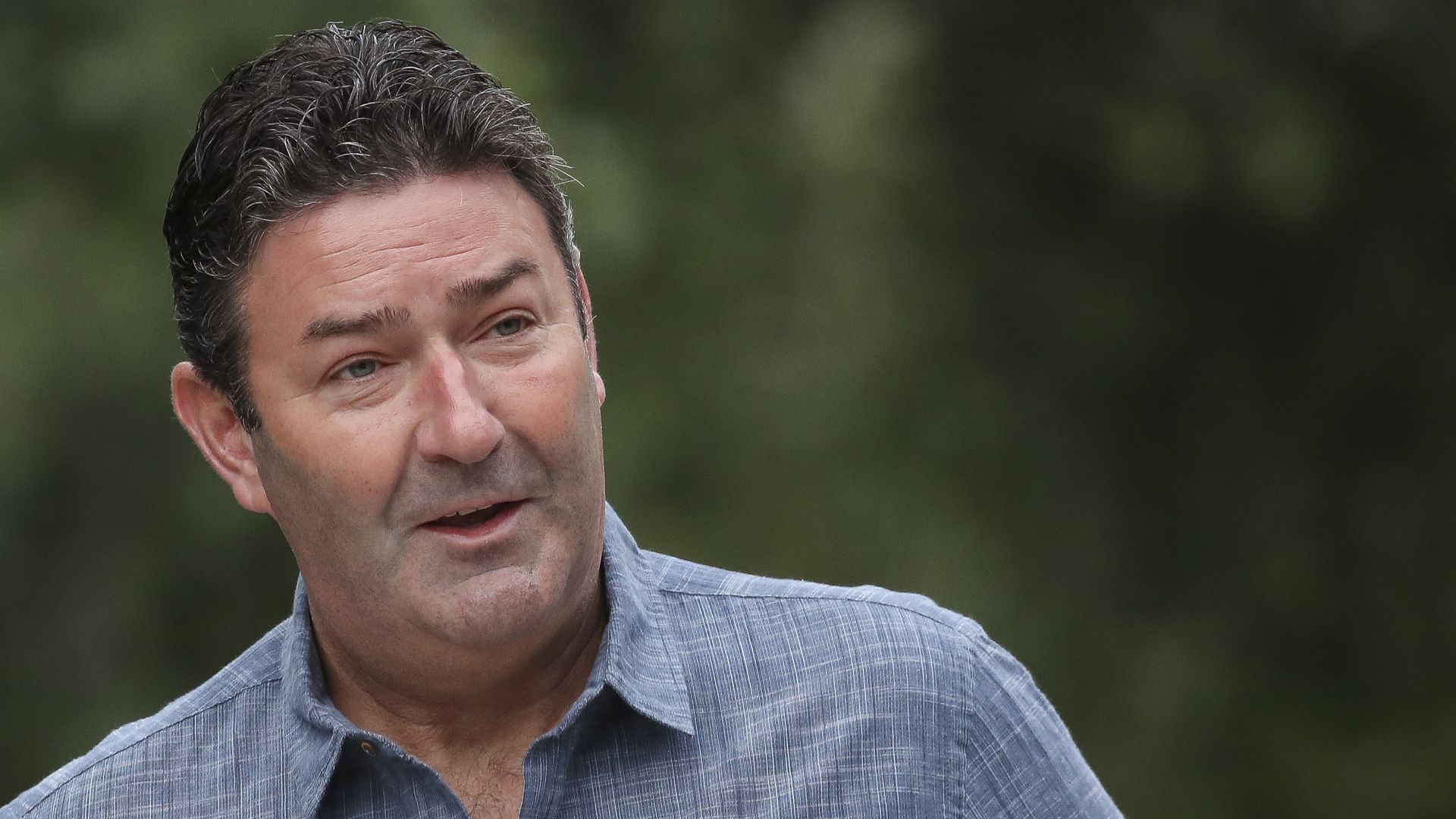
McDonald's on Monday sued its former CEO Steve Easterbrook, seeking to recoup tens of millions in severance benefits while alleging he took part in and concealed undisclosed relationships with company employees, per the New York Times.
Why it matters: Corporations have traditionally chosen to ignore executive misbehavior to avoid bad press, but they have become more proactive — especially with the rise of the #MeToo and Black Lives Matter movements — in addressing issues head-on.
A new survey from CivicScience shows higher-income Americans are returning to dining and delivery at a higher rate than their less wealthy peers.
Why it matters: Wealthy Americans have a greater share of overall U.S. income than ever before and increased spending could be a boon to the restaurant and fast food sectors.
The Federal Reserve is undergoing an overhaul. Conceived to keep inflation in check and oversee the country's money supply, the central bank is now essentially directing the economy and moving away from worries about rising prices.
What we're hearing: The move to act less quickly and forcefully to tamp down on inflation has been in the works for years, but some economists fear that the Fed is moving too far from its original mandate.
Equinor on Monday named company veteran Anders Opedal to replace CEO Eldar Sætre this fall and vowed to accelerate its diversification into climate-friendly energy.
Why it matters: The Norway-based company is among the world's largest multinational oil-and-gas companies — though smaller than super-majors like Exxon, Shell and BP.
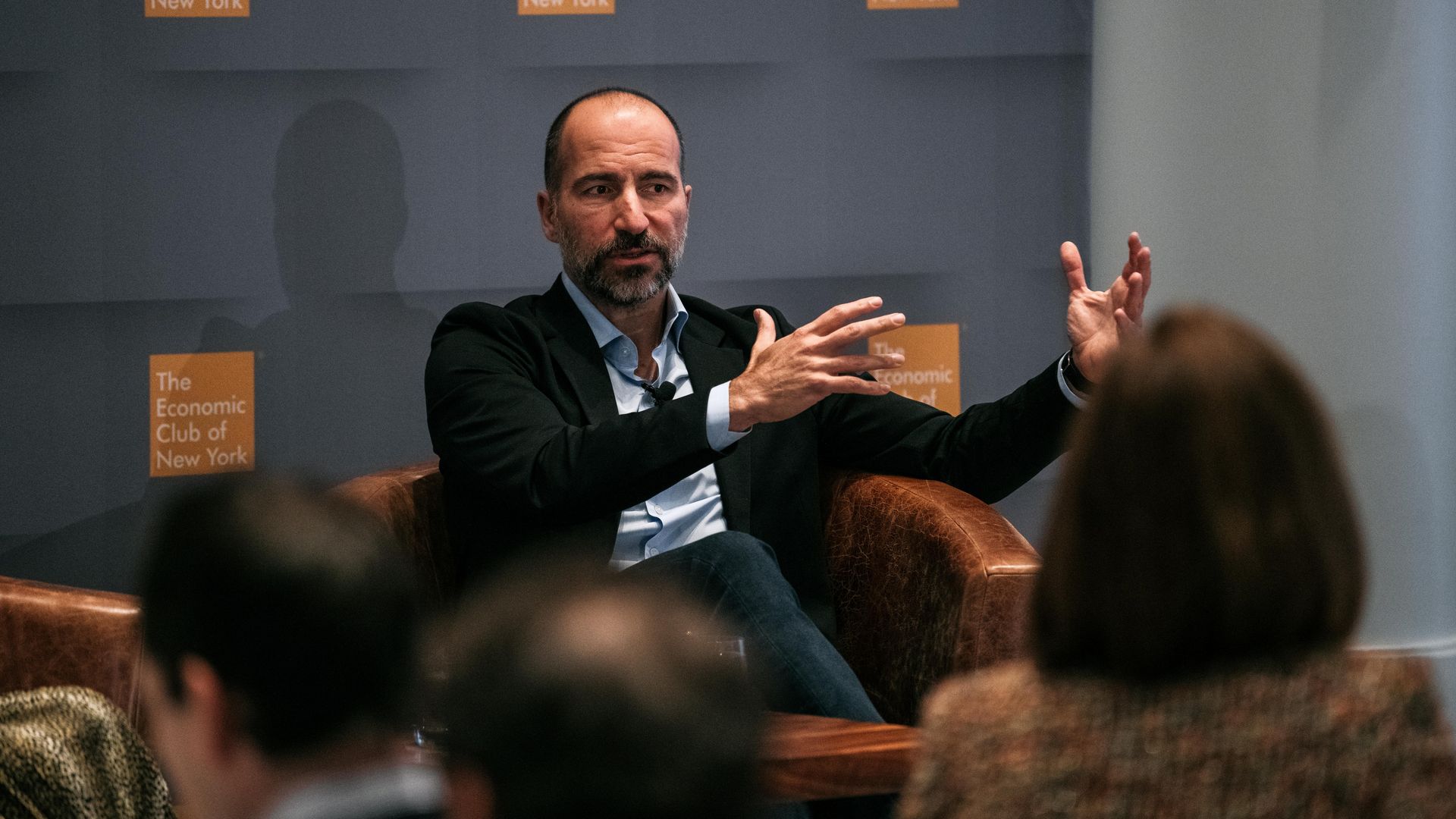
Uber CEO Dara Khosrowshahi called for establishing "benefits funds" for gig workers in a New York Times op-ed out Monday.
Why it matters: Gig workers, who remain independent contractors and not employees, have long pushed companies like Uber for benefits comparable to those received by traditional workers. The coronavirus pandemic and its resultant economic strain has broadened those calls.
House Speaker Nancy Pelosi claimed on "Fox News Sunday" that states don't have the funds to comply with the executive order President Trump signed on Saturday, which requires them to cover 25% of an additional $400 in weekly unemployment benefits.
Why it matters: Many state and local governments have had their budgets devastated by the economic impacts of the coronavirus, which have caused expenses to soar and revenues to plunge.