As noted in Axios' Philanthropy Deep Dive on Saturday, philanthropists are big-picture strategic thinkers who generally want to use their money to influence government. By their nature, they're generally unaccountable and undemocratic forces in society.
The big picture: Giving Tuesday, which just passed, is a countervailing force to the prevailing philanthropic winds. It serves no strategic purpose; it merely encourages ordinary citizens to give money to charity on the Tuesday after Thanksgiving. (The bigger long-term trend is that household donations to charity are declining, rather than rising.)
Karen McDougal, a former Playboy model who said she had an affair with President Trump in 2006, has sued Fox News for defamation, the New York Times reports.
The big picture: McDougal said Fox News host Tucker Carlson defamed her with an accusation of extortion when he said in 2018 that she "approached Donald Trump and threatened to ruin his career and humiliate his family if he doesn’t give them money," according to the Times.
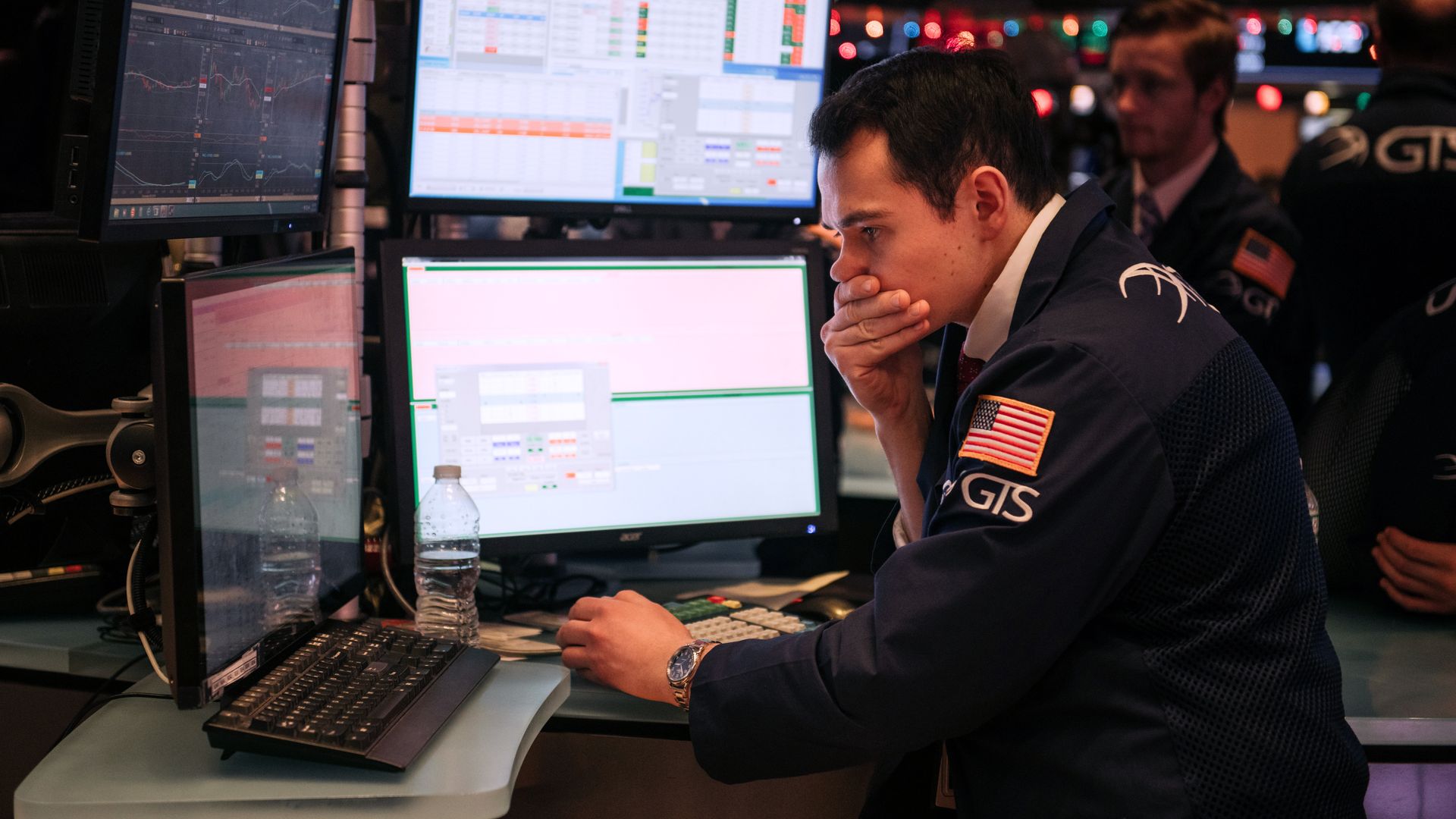
Bad news has continued for the hedge fund industry this year. Overall hedge fund returns have continued to trail both the S&P 500 and a mix of 50% global stocks and 50% global bonds by a wide margin.
What's happening: There are too many hedge funds, and too many of them are using simple hedging and shorting strategies that don't work, Dev Kantesaria, founder and portfolio manager of Valley Forge Capital Management, argues. And that may be changing soon.
Economists and fund managers are concerned about the services sector, which makes up around 70% of U.S. employment.
Driving the news: ISM's non-manufacturing PMI report released Wednesday showed a weaker-than-expected reading that was 5.4 points below October, but continued to expand with a reading above 50.
While sentiment indicators have been split, the jobs data and reports from businesses are painting a clear picture of the U.S. manufacturing industry's stress.
What they're saying: Timothy Fiore, chairman of the ISM survey committee, which tracks the sector through its purchasing managers index, said his report may be underestimating the damage. (His company's latest report showed manufacturing contracting for the fourth straight month.)
The manufacturing industry got a huge boost from President Trump's election, seeing a groundswell of job gains during his first year in office. But the trade war with China has undone that progress: Jobs in the sector have stalled out and turned negative in 2019.
Why it matters: Reviving American manufacturing was a central tenet of Trump's 2016 campaign, and the industry's retrenchment shows how another Trump constituency is being punished as a result of his trade war. (The nation's farmers are also struggling mightily.)
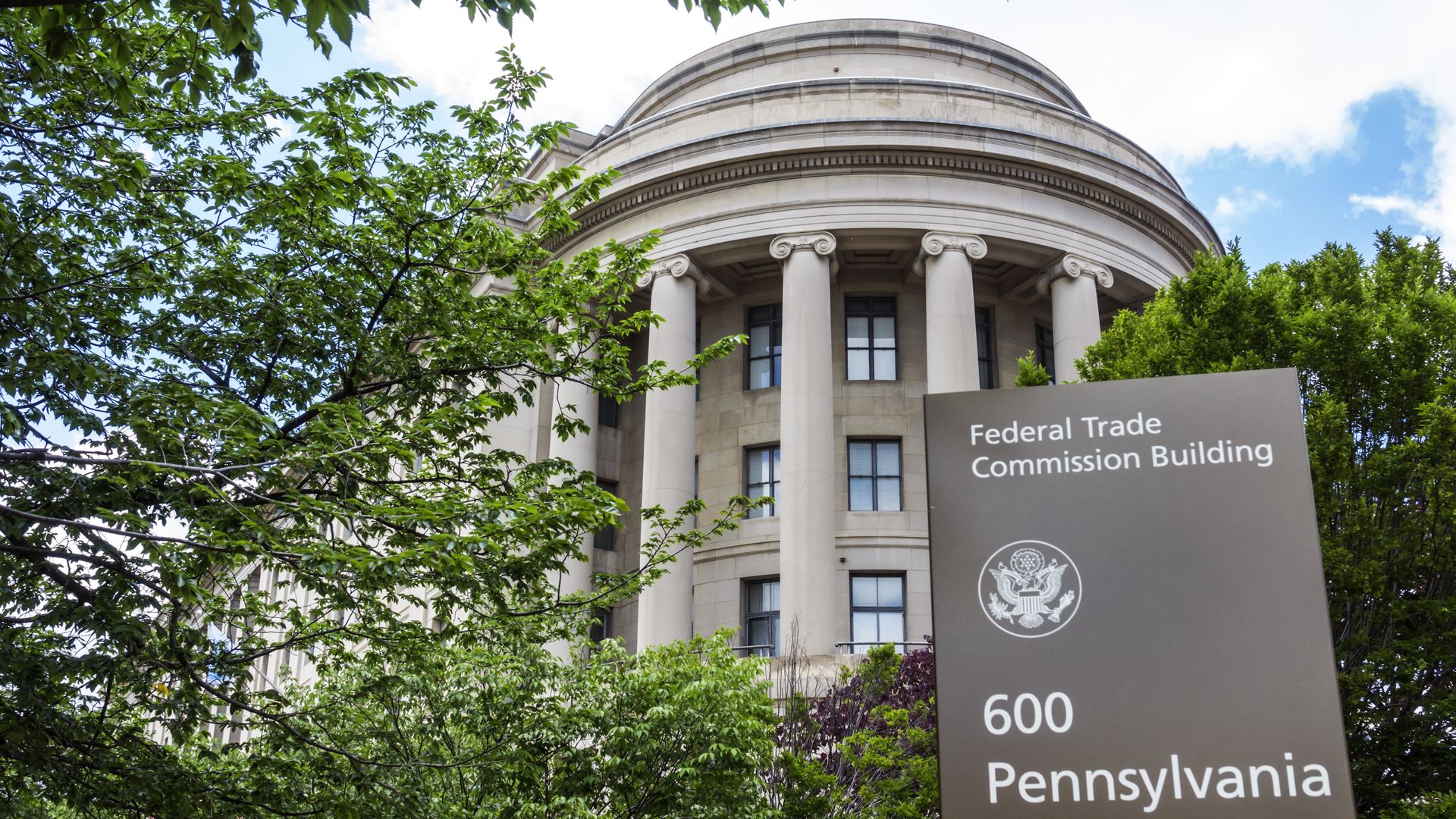
A collection of 31 advocacy groups is pressing the Federal Trade Commission on Thursday to dig into how digital media companies advertise to children and collect their data.
The big picture: The request for the FTC to use its subpoena authority to probe so-called kidtech companies comes as the agency considers updates to how it implements a children's online privacy law.
President Trump’s campaign won’t credential Bloomberg News reporters, in response to the media outlet saying it won't investigate candidate Mike Bloomberg or his Democratic Party rivals. Dan digs in with Axios media reporter Sara Fischer.
The No.1 risk to the stock market continuing its outperformance next year is not President Trump or consistently weak U.S. economic data or even China, senior analysts at John Hancock Investment Management say, but whether or not the Fed continues to stimulate the economy through what they call "not QE."
What it means: Fed chair Jerome Powell has insisted the central bank's bond buying program — initiated after rates in the systemically important repo market spiked to five times their normal level in September — is not quantitative easing.
The combination of increased appetite for passive investment and financial regulations, particularly Europe's Mifid II, is underpinning a "profound reshaping" of what Wall Street research analysts do, according to the Financial Times. It's a move into deep data and away from opinion-driven analysis.
What's happening: Because Mifid II mandates that asset managers and institutions pay for research directly rather than simply paying banks or researchers for their services broadly, there's a great "unbundling" happening throughout asset management.
Private sector job growth slowed last month and added just 67,000 jobs — a big miss from the 150,000 that economists expected, according to the closely-watched report by ADP and Moody’s Analytics.
“The job market is losing its shine ... job openings are declining and if job growth slows any further unemployment will increase,” Mark Zandi, Moody’s chief economist, said in a release.
Why it matters: It stokes fears about the health of the labor that’s shown some signs of slowing, but has mostly held up in the face of recession fears. The ADP report is considered a precursor to the government’s official jobs release, which comes on Friday.
A group opposing drug pricing measures around the country includes major pharmaceutical companies as well as large construction-industry unions, the New York Times reports — strange bedfellows, to say the least.
Why it matters: Ads run by the Pharmaceutical Industry Labor-Management Association may confuse public perception of the nature of opposition to drug-pricing measures.